Reviewers present a mixed but instructive picture of care at this facility. Many families emphasize strong, compassionate nursing and direct-care staff who demonstrate sincerity and a hardworking approach to residents. Several comments describe positive, appreciative interactions between staff and families, and some families gave high overall satisfaction ratings and expressed gratitude for the support provided during their loved ones’ stays.
At the same time, a number of operational issues recur across the summaries. Staffing consistency is a prominent concern: accounts indicate that staffing levels and responsiveness vary by shift, leading to delays in attending to routine needs and call-bell responses. Related to responsiveness, there are multiple mentions of delays in incontinence care and of sanitation and clinical-cleanup procedures that would benefit from more consistent oversight and faster follow-up. These patterns suggest gaps in day-to-day task completion and infection-control workflow rather than uniformly poor performance across all shifts.
Safety and medication practices are another area of mixed feedback. Some reviewers praised attentive nurses and individualized care, while others raised concerns about supervision for residents with wandering or mobility risk and about medication-management practices, including perceptions of unnecessary or excessive medication use. Given the potential seriousness of these issues, prospective families may wish to ask specifically about fall-prevention protocols, supervised activity programs, and medication-review policies.
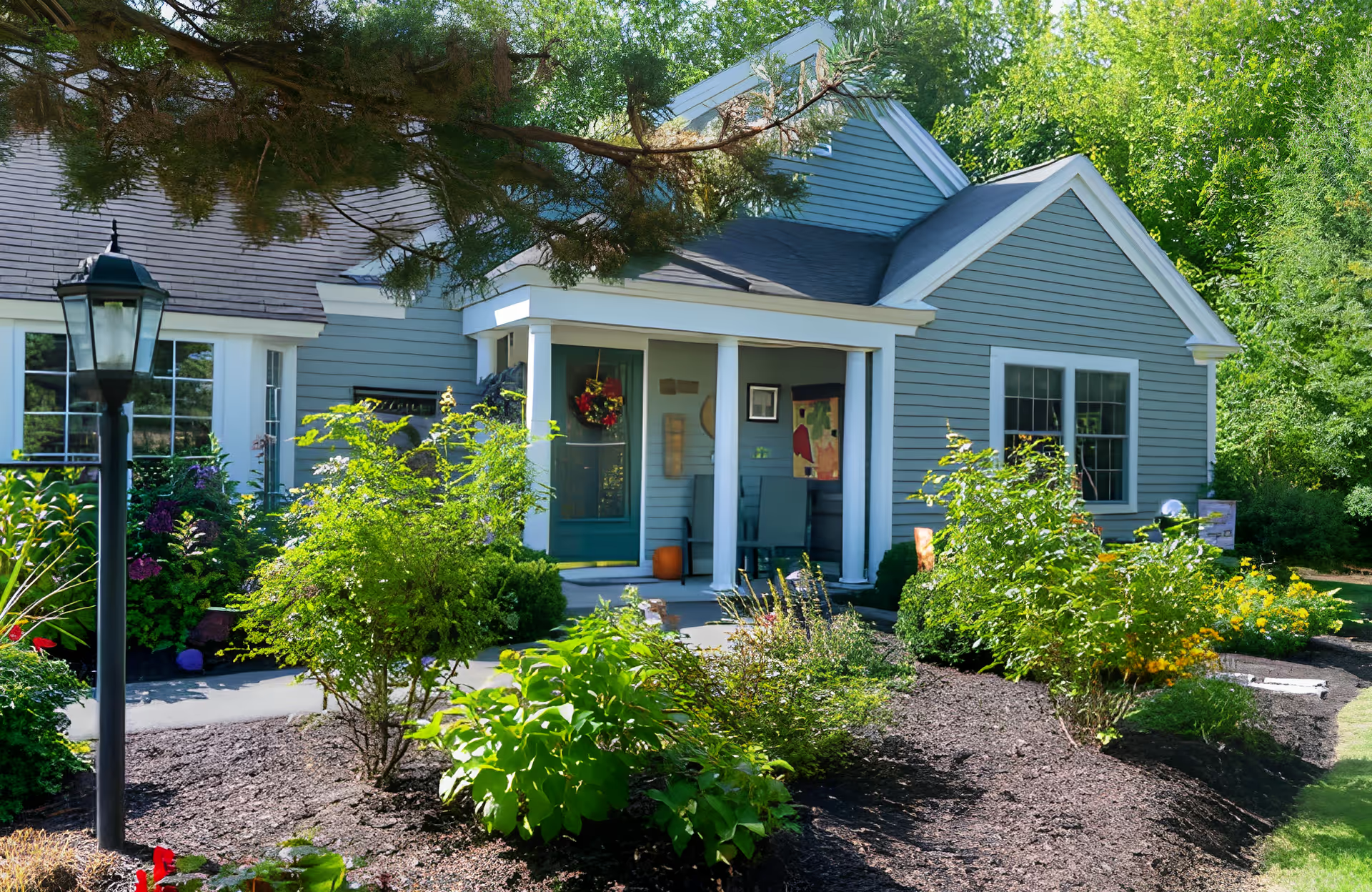
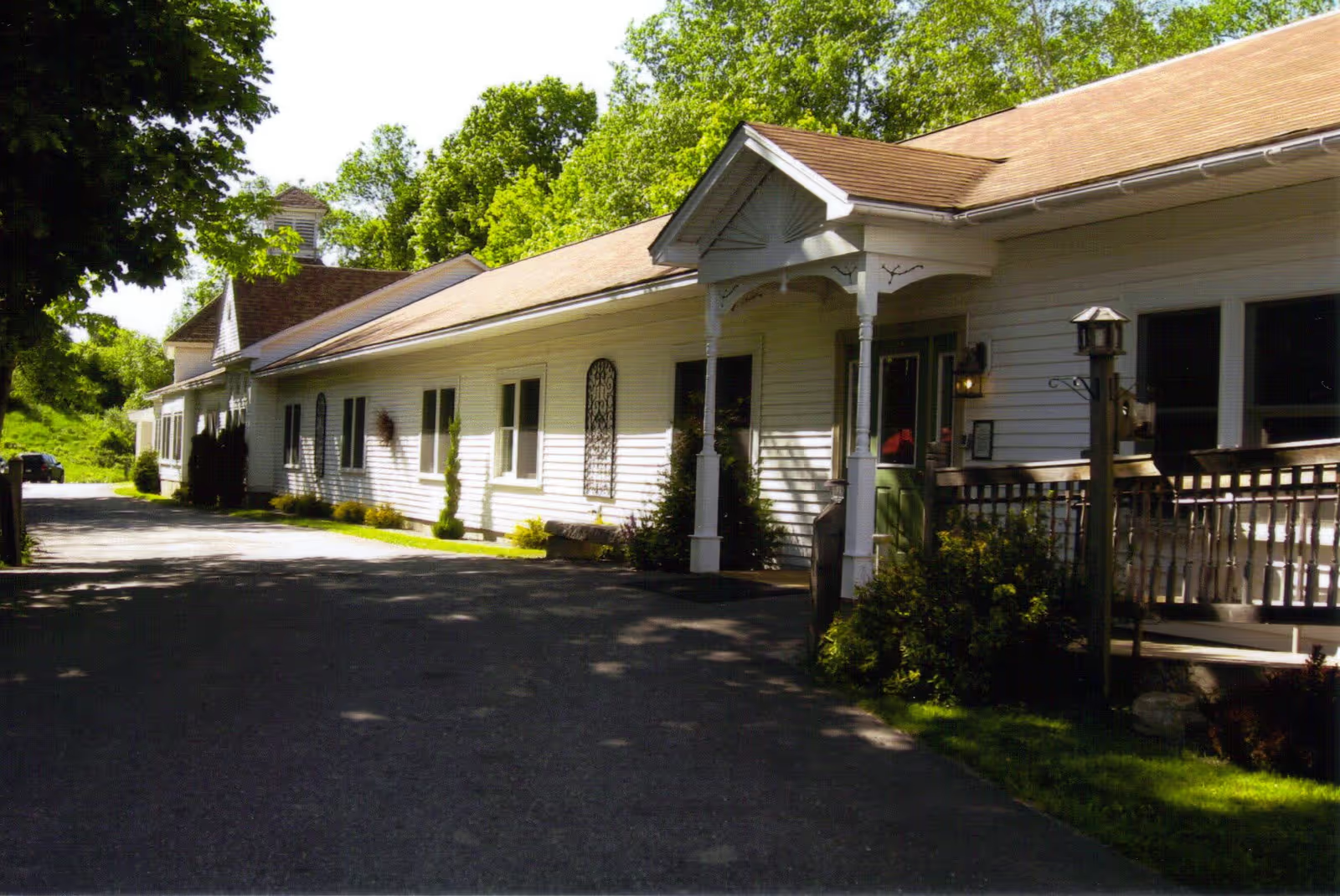
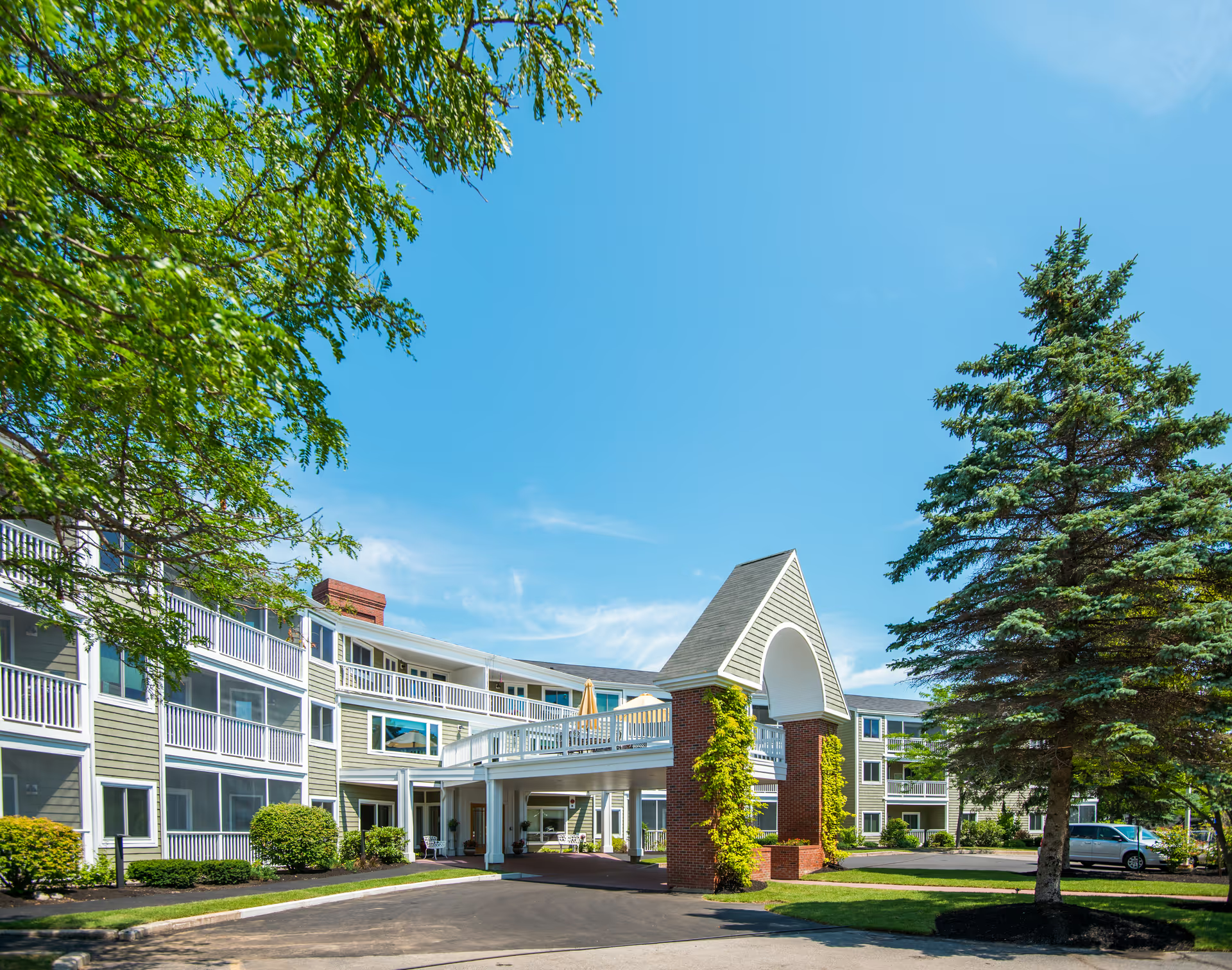
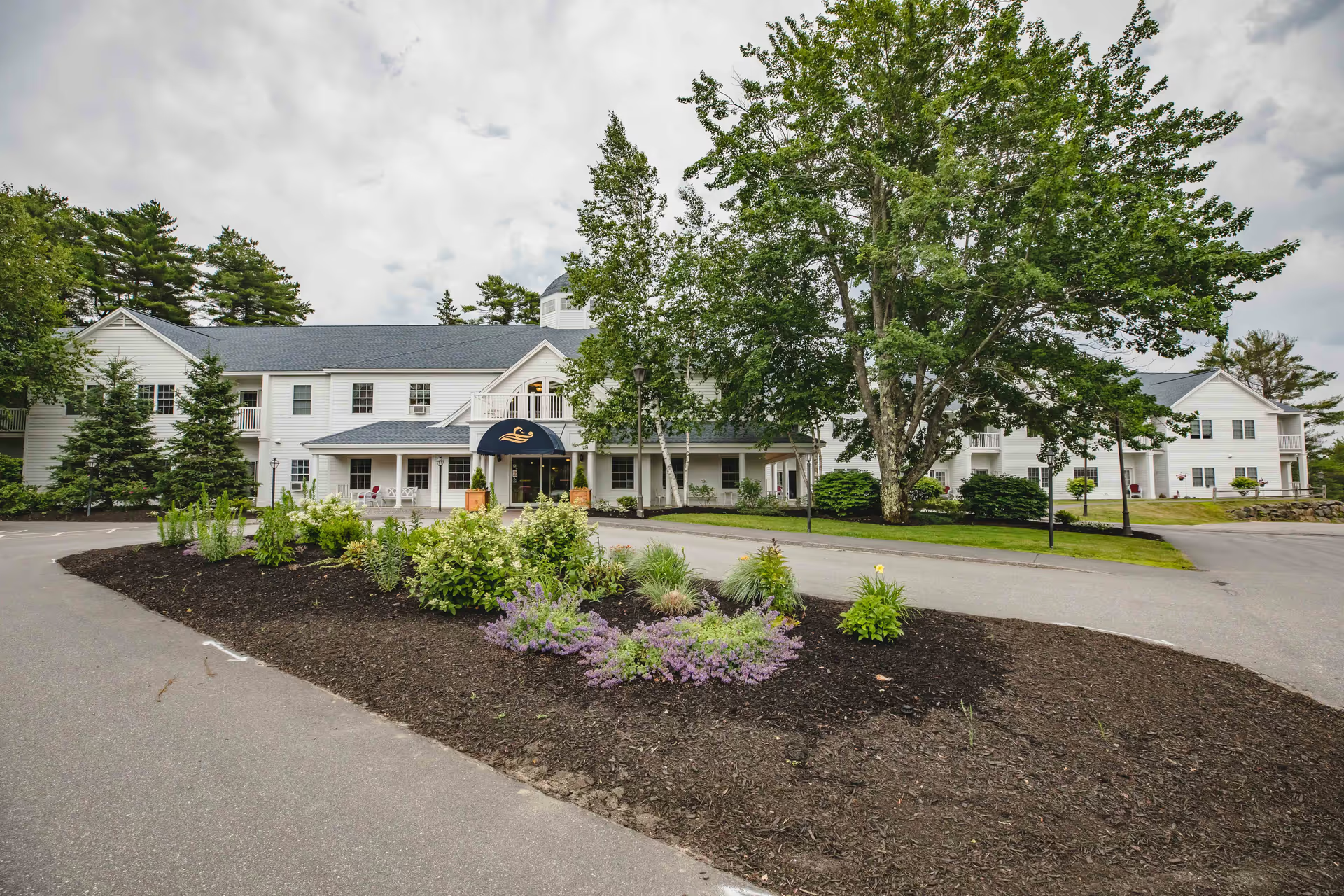
Comments about facility environment and amenities are limited but notable. Several reviewers suggested that décor and wall colors could be improved and referenced environmental maintenance needs. There is limited detailed information about dining and activities in the provided summaries; neither consistent praise nor repeated complaints about meals or programming emerged, indicating that these areas may vary between units or shifts or were not a primary focus for reviewers.
A recurring theme concerns leadership and communication. Reviewers described instances of unanswered questions, perceived lack of transparency from administration, and, in a few cases, serious allegations of discriminatory or deceptive staff conduct. These allegations, paired with comments calling administration unhelpful, point to a need for clearer family communication pathways, incident debriefing procedures, and culturally sensitive conduct training for staff.
In summary, the facility appears to have a core of dedicated nursing and caregiving staff who produce positive experiences for many families, but there are operational weaknesses that have affected other families’ experiences. Key areas for inquiry during a visit are staffing ratios by shift, response-time expectations, incontinence-care protocols, sanitation and clinical-cleanup procedures, medication-review practices, supervision for residents with mobility or wandering risk, and the facility’s approach to family communication and cultural-sensitivity training. Observing a mealtime, asking to see activity schedules, and requesting recent inspection or quality-assurance documentation may help prospective residents and families assess fit more fully.