Care quality: Review content indicates a mixed pattern of clinical and personal-care performance. Positive accounts describe attentive long-term care and strong interpersonal connections among staff and residents. However, multiple operational concerns affect care reliability: medication delivery and inventory control appear inconsistent, there are reported delays or gaps in receiving prescribed medications (including pain management), and reviewers raised questions about staff training and competency in medication administration. Safety and supervision protocols for residents with cognitive impairment were also questioned; at least one account described a failure of supervision that created an elopement risk and slow response.
Staff: Staff behavior receives both praise and criticism. Many comments highlight friendly, resident-centered interactions, visible teamwork, and supportive relationships that contribute to a home-like atmosphere. Conversely, other accounts describe poor customer-service interactions, instances of rudeness, and slow or ineffective responses from both frontline staff and management. Communication breakdowns, unanswered calls, and reluctance from managers to address concerns were noted as recurring themes.
Dining and activities: Reviewers expressed limited information about meal service and activities. The facility is described as elderly-focused with social opportunities for visiting and resident camaraderie, but there appears to be inconsistent communication about menus, schedules, and organized programming. Prospective residents and families may need to request explicit details about daily dining and activity calendars.
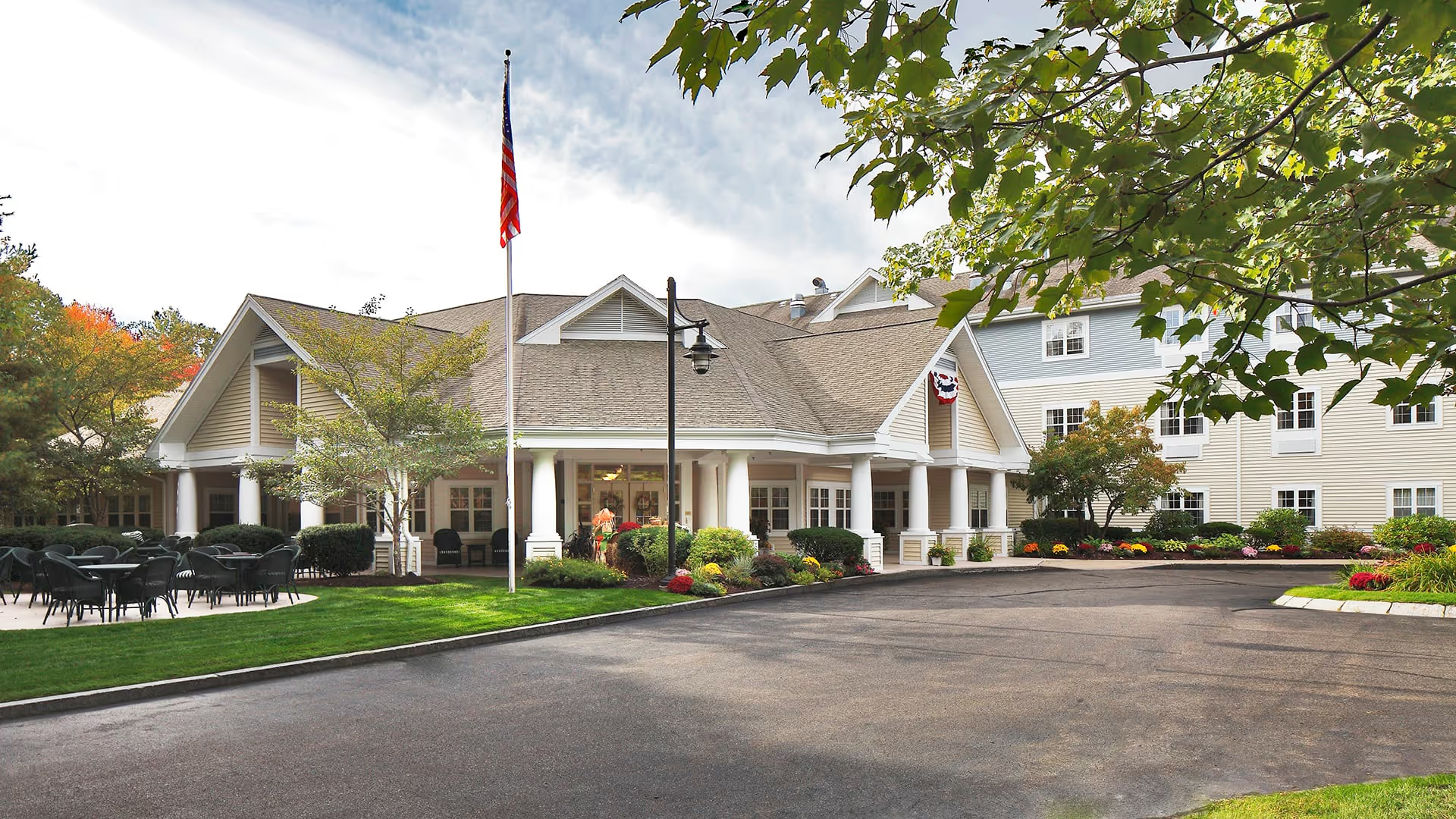
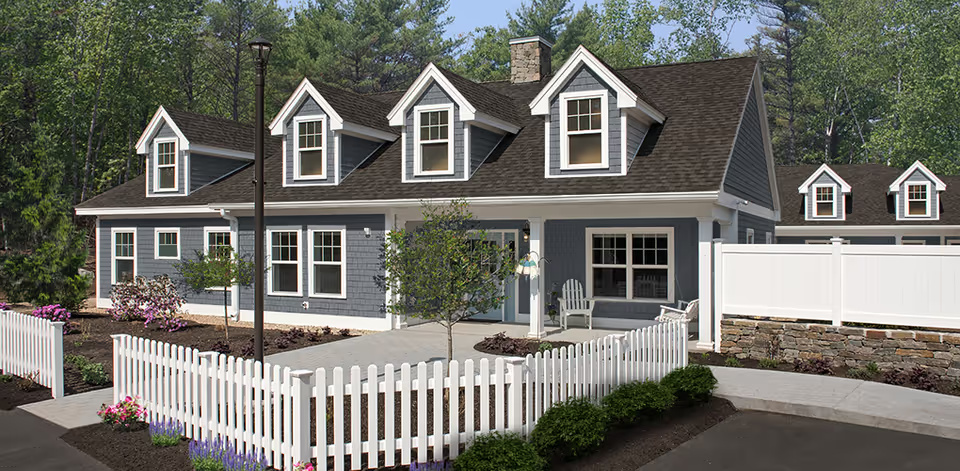
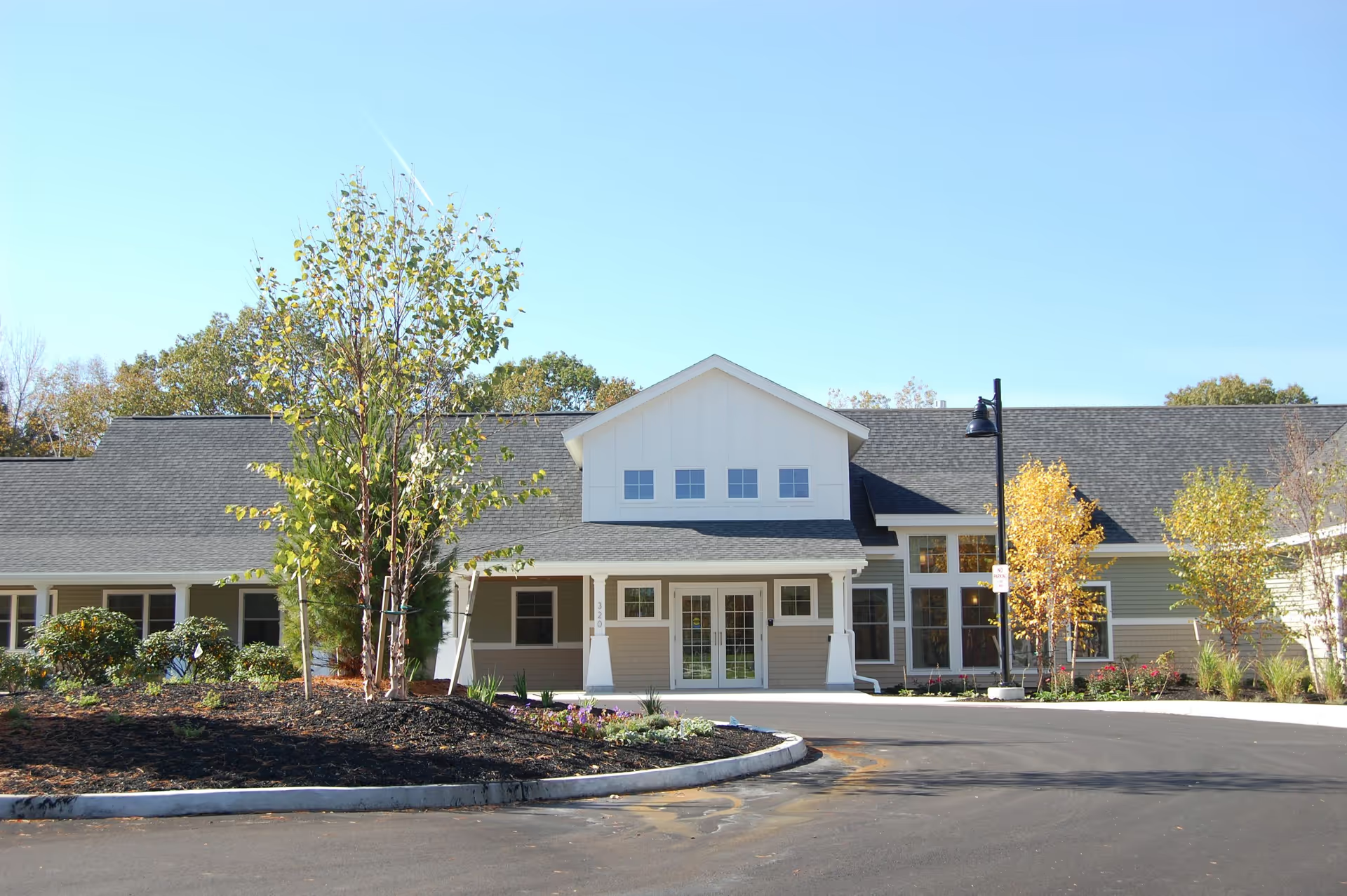
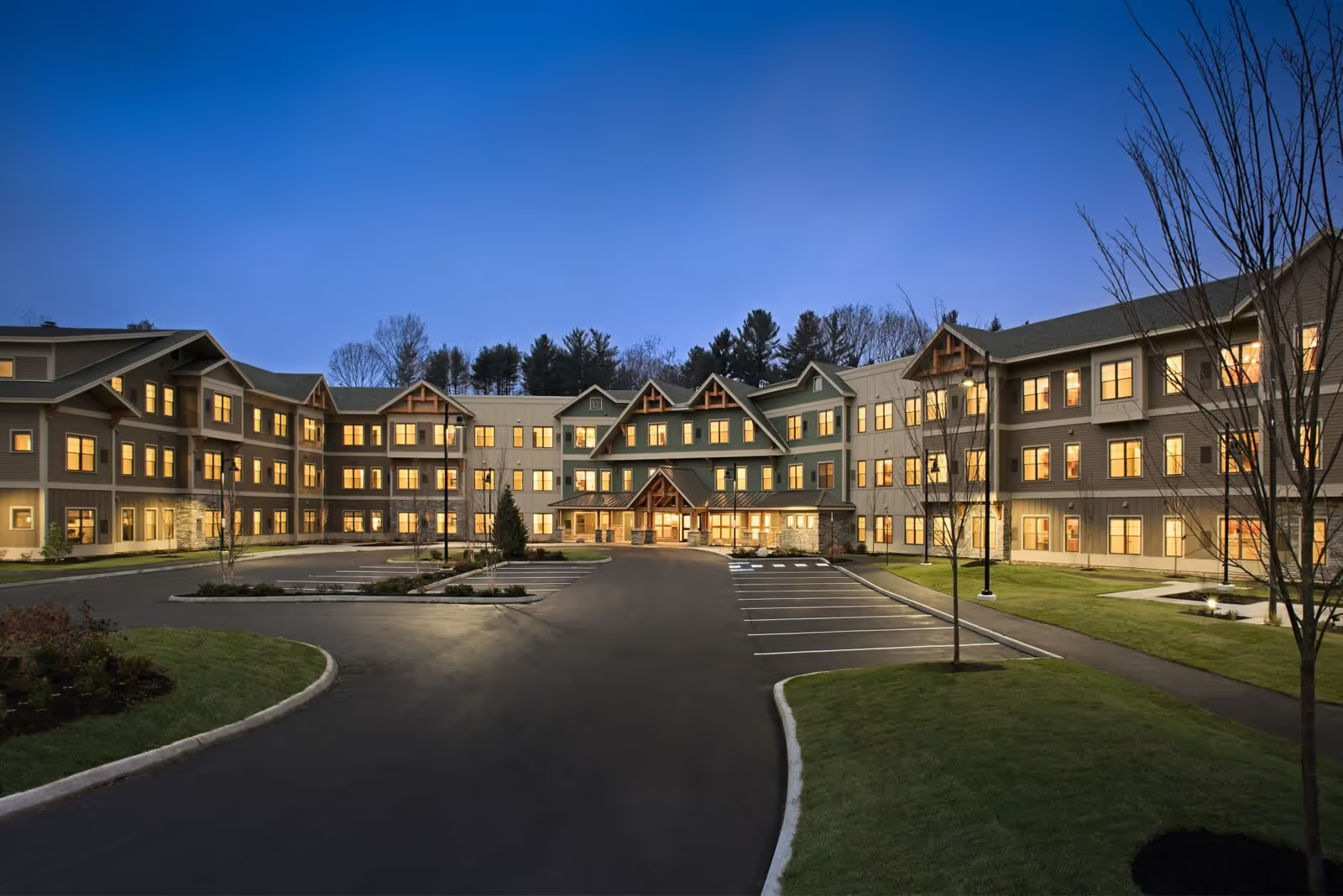
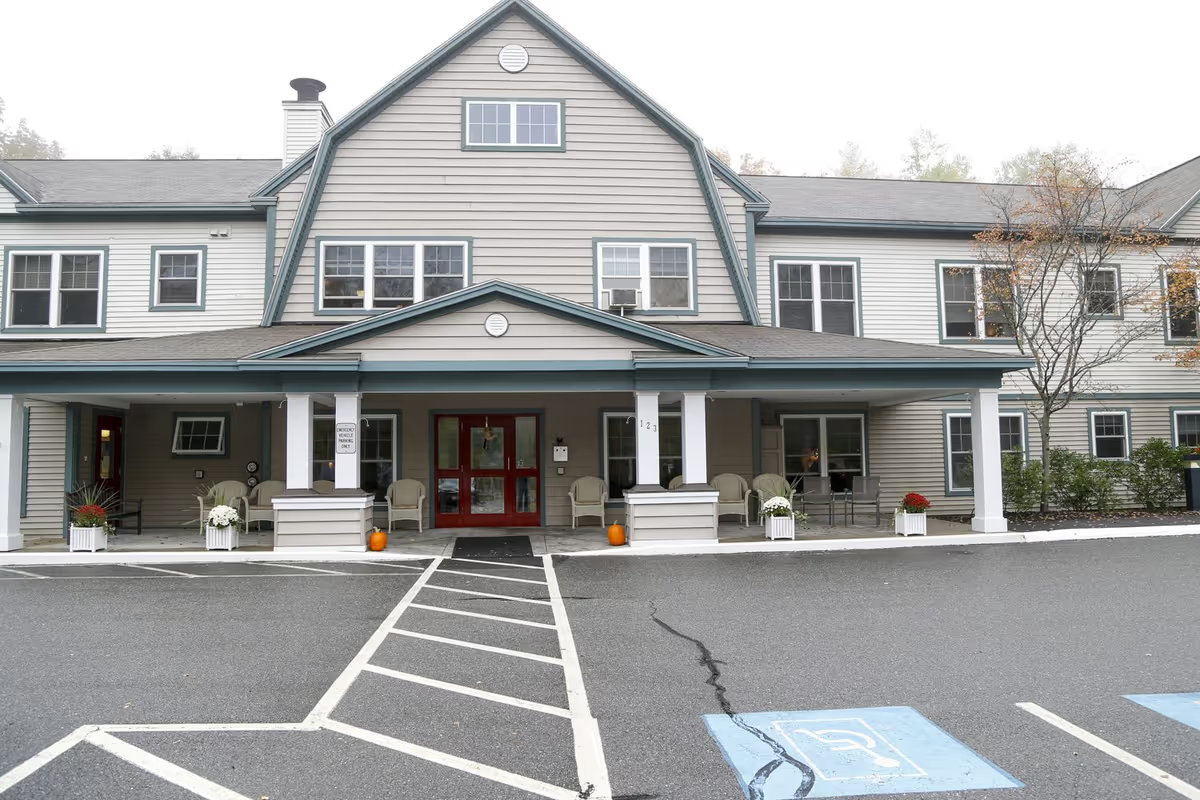
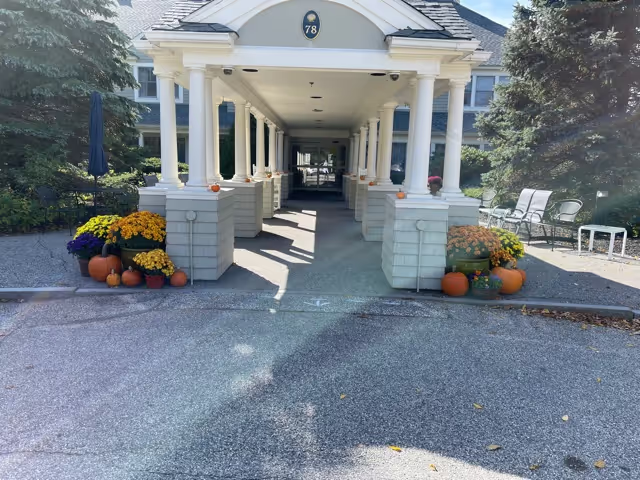
Facilities: Physical attributes of the property are generally seen as positive—private apartments, clean common areas, and a well-maintained appearance are repeatedly mentioned. At the same time, operational facility issues were raised, notably inconsistent temperature control in resident rooms (including episodes of very high indoor temperatures) and extra fees associated with appliances or amenities that may not align with advertised inclusions.
Management and administration: Several comments point to weaknesses in administrative responsiveness and billing transparency. Families described unclear fee structures, additional charges for items some expected to be included, and reluctance from staff or managers to provide pricing information. There are also references to formal complaints and regulatory-level concerns; these remarks suggest that some issues have been escalated outside the facility.
Notable patterns and overall impression: The reviews portray a facility with clear strengths—private living units, a clean environment, and positive long-term resident relationships—alongside operational gaps that could materially affect resident safety and satisfaction. Key areas for improvement would be consistent medication management and supply processes, improved staff training in clinical tasks, clearer communication about fees, and stronger supervision and emergency-response procedures for residents with cognitive needs. Prospective residents and families should weigh the positive community and environment factors against these operational risks and consider targeted questions about medication protocols, climate control, activity/dining schedules, and billing practices during tours and admissions discussions.