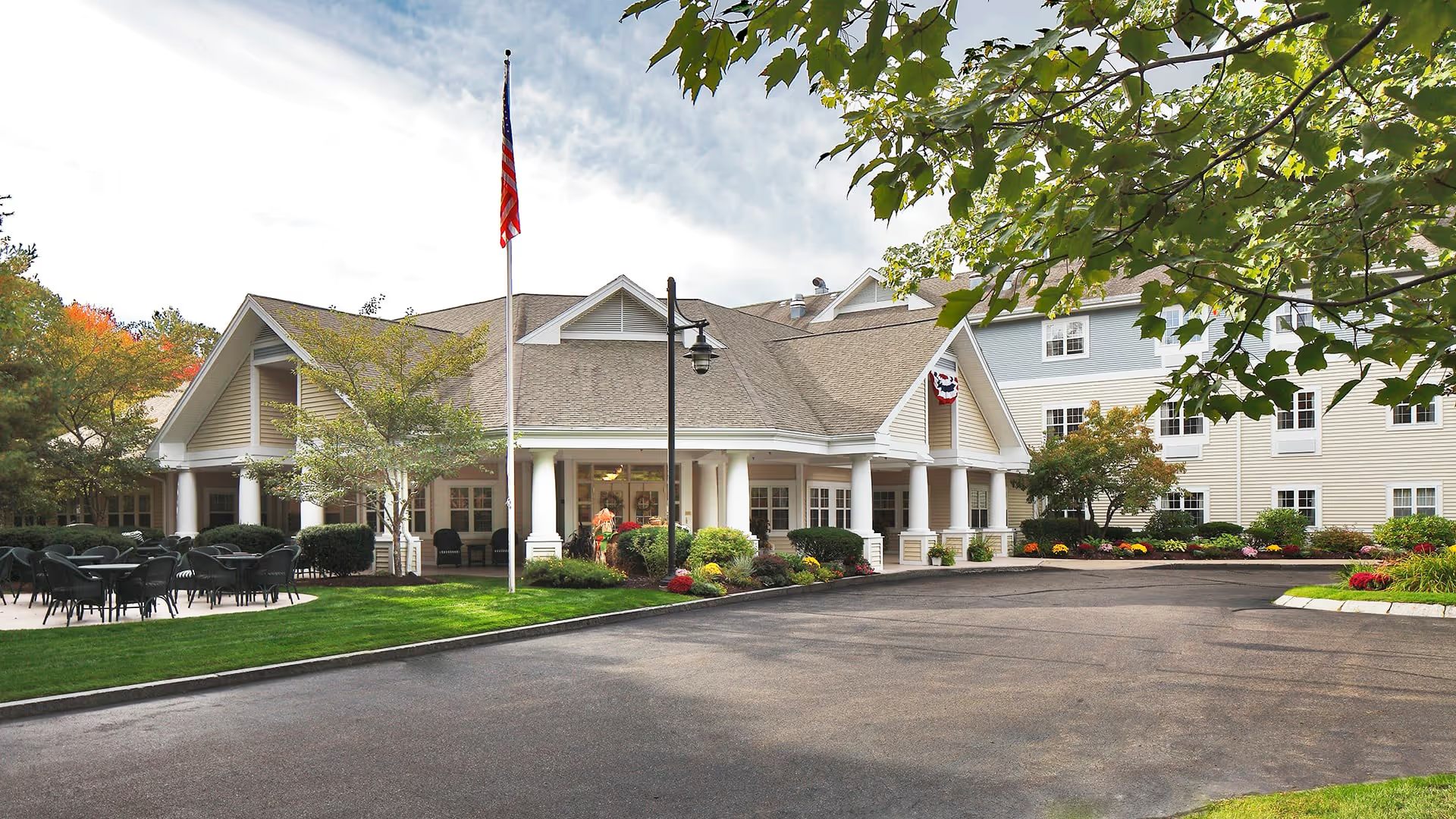
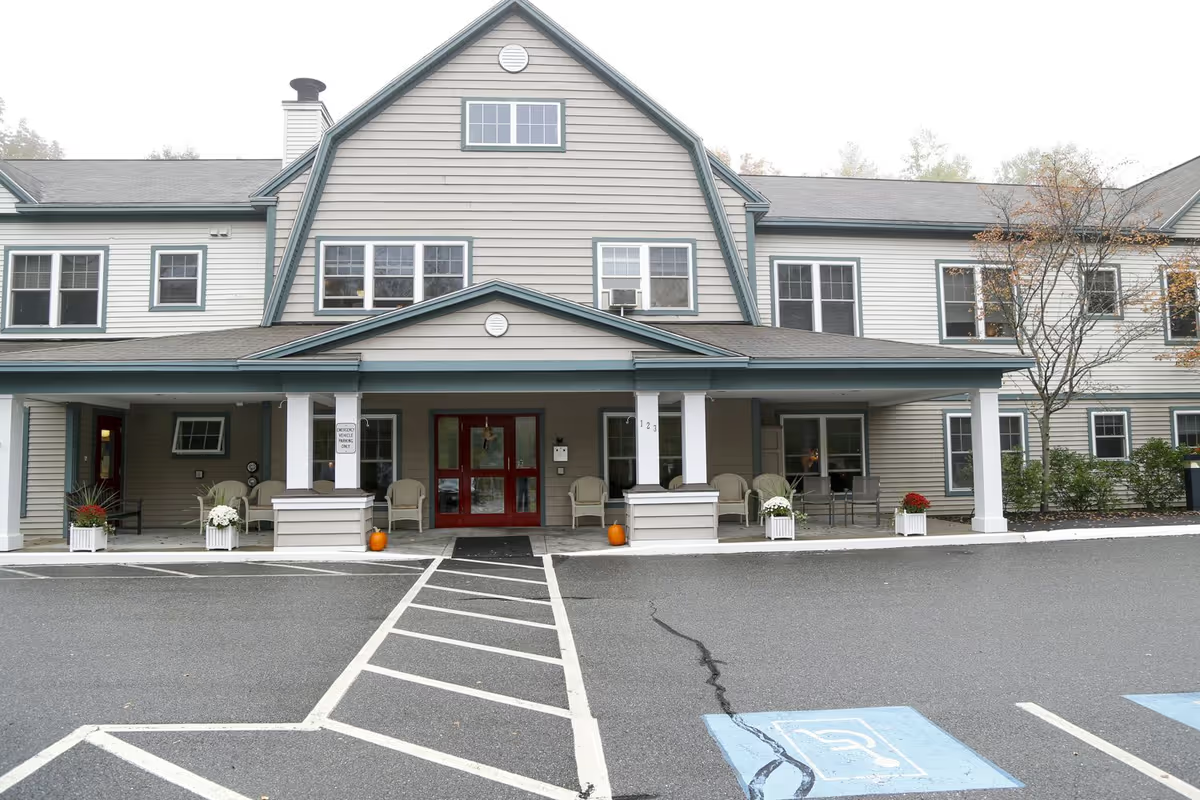
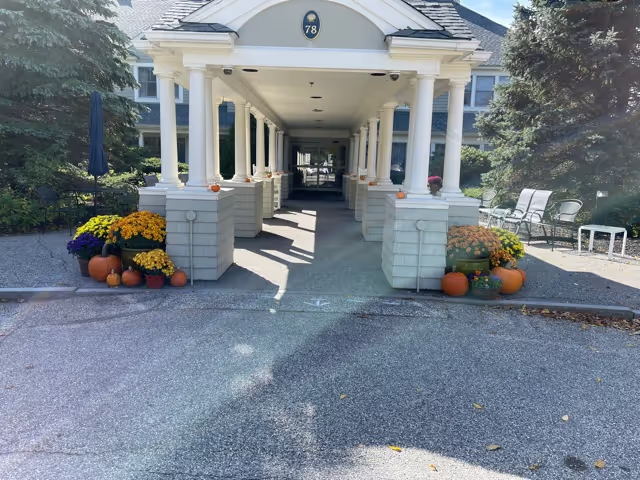
Reviews of Southridge Rehabilitation present a mixed picture with clear strengths alongside operational weaknesses that families should evaluate when considering placement. Positively, multiple accounts describe a generally well-maintained environment and an active, well-supported activity program that residents and families find engaging. Reviewers praised an accessible care director and many frontline caregivers for being patient, compassionate, and attentive; several comments specifically highlighted supportive, family-oriented end-of-life care and helpful placement services that match residents to appropriate units.
Care quality appears variable. There are consistent affirmations of individualized attention and responsiveness from some staff members, but a number of accounts point to understaffing and delays in attending to personal-care needs. These operational patterns suggest the facility can provide good day-to-day care when staffing aligns, but families should confirm current staffing ratios and schedules because experiences appear inconsistent.
Dining and nutrition are another area of divergence. Some residents and family members praised the on-site café and particular kitchen staff for providing enjoyable meals. At the same time, several reviewers expressed concern about menu composition — notably the prevalence of high-sodium options and a desire for healthier, diet-sensitive choices. Meal variety is present, but dietary accommodation and consistent food quality may require verification with management.
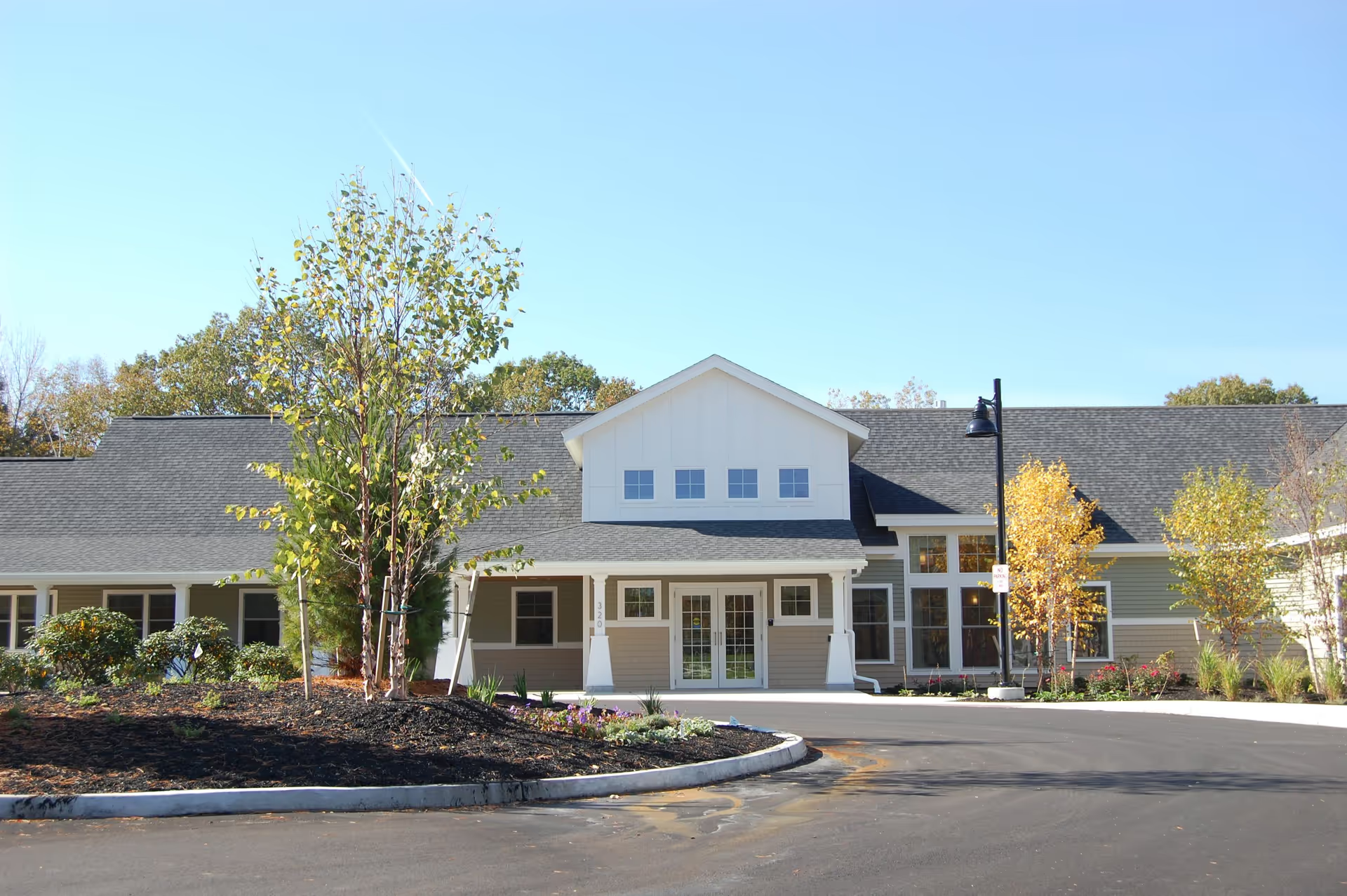
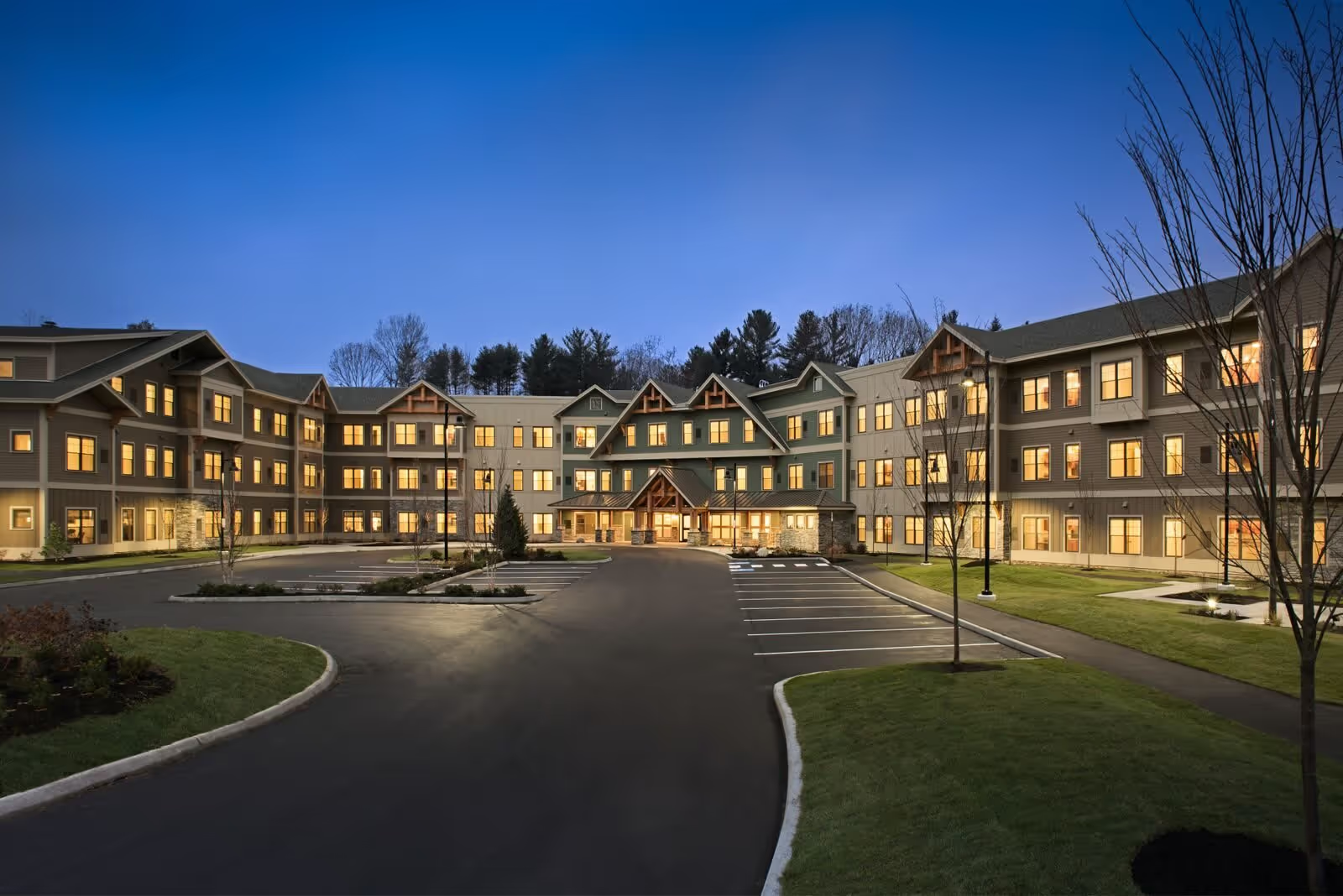
Facilities and access show mixed feedback. The building is described as dated in places with smaller apartment sizes, yet generally maintained. Reviewers also mentioned limited access to local primary physicians, which may affect continuity of medical care for residents who require frequent doctor visits. Cleanliness and sanitation were raised as concerns in some areas; prospective families should ask about cleaning protocols, odor-control measures, and infection-prevention practices during tours.
Management and communication emerged as a recurring theme. Many families found certain managers and clinical leaders accessible and helpful, while others described gaps in communication tone or timeliness, especially around medication discharge coordination and notifications during critical events. There are isolated but serious concerns about discharge processes and medication handoff; these point to potential process weaknesses rather than broad conclusion about intent. Given this variability, families are advised to discuss discharge planning, medication procedures, and emergency/family-notification protocols directly with administrators before admission.
Overall, Southridge shows strengths in programming, several dedicated staff members, and certain aspects of care and hospitality. At the same time, the facility demonstrates variability in staffing consistency, sanitation control, dietary accommodations, and communication processes. Prospective residents and families should arrange multiple visits at different times of day, review current staffing and clinical protocols, and ask for specifics on dietary accommodations and discharge/medication procedures to ensure the facility meets their expectations and care needs.