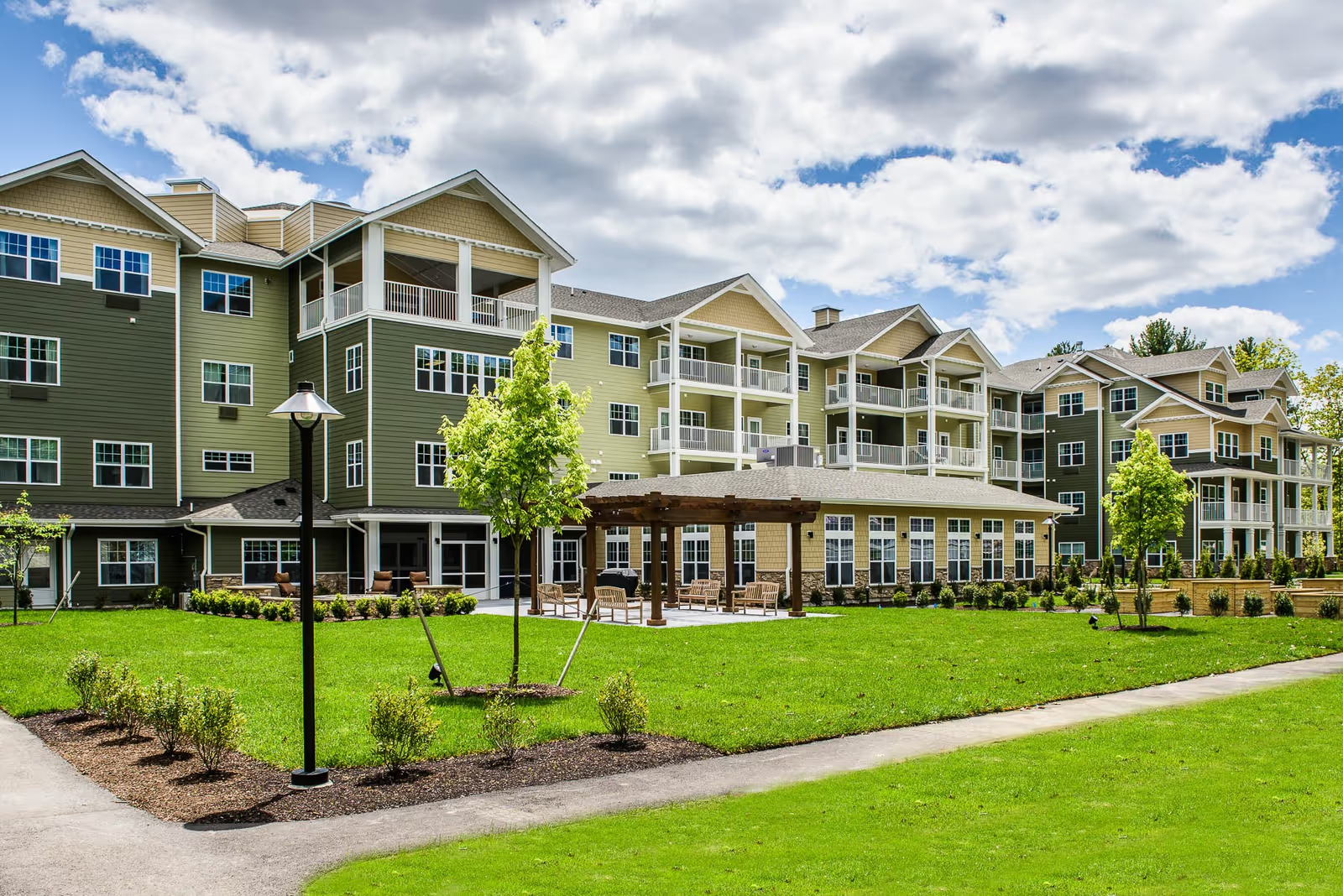
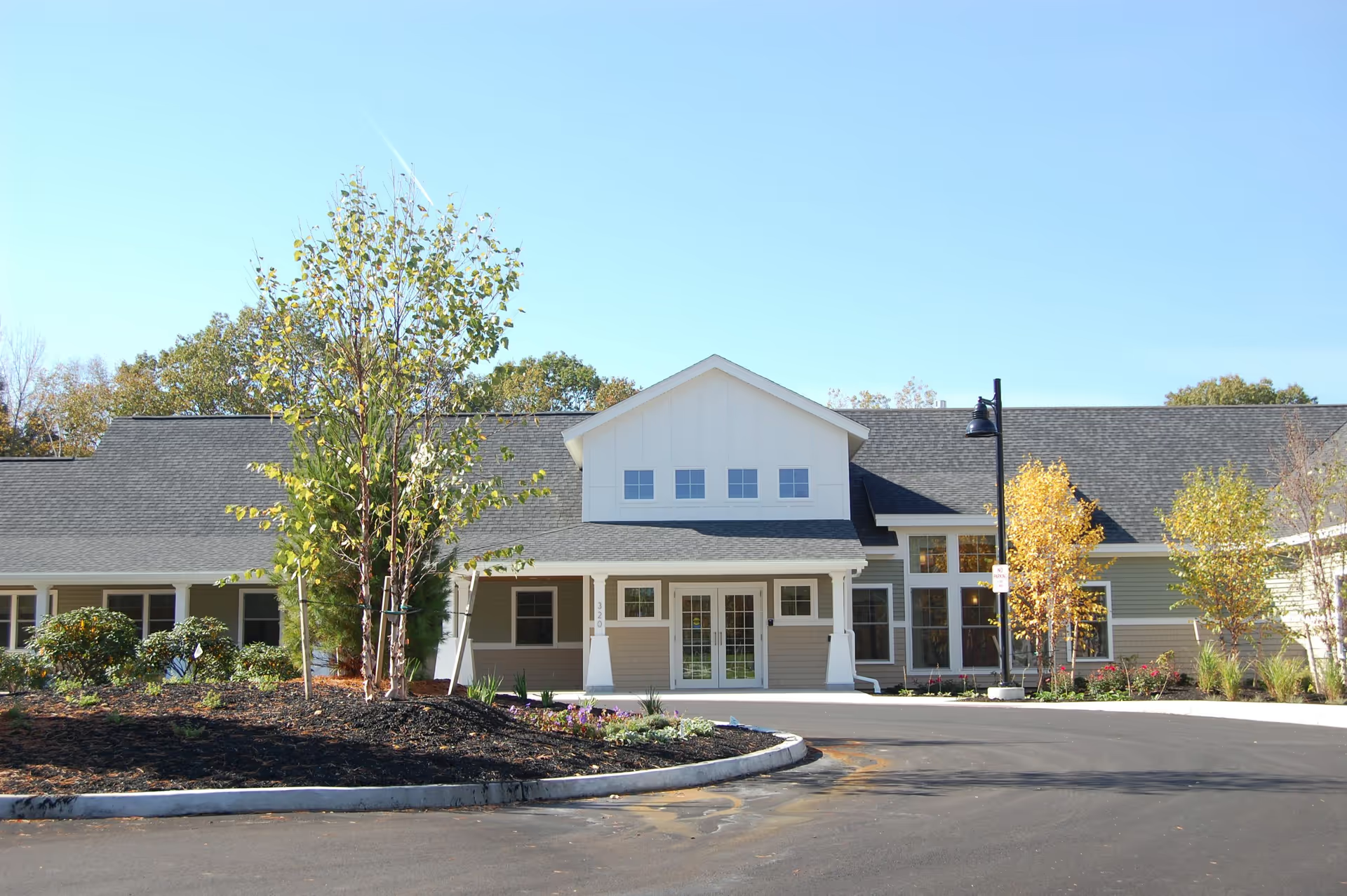
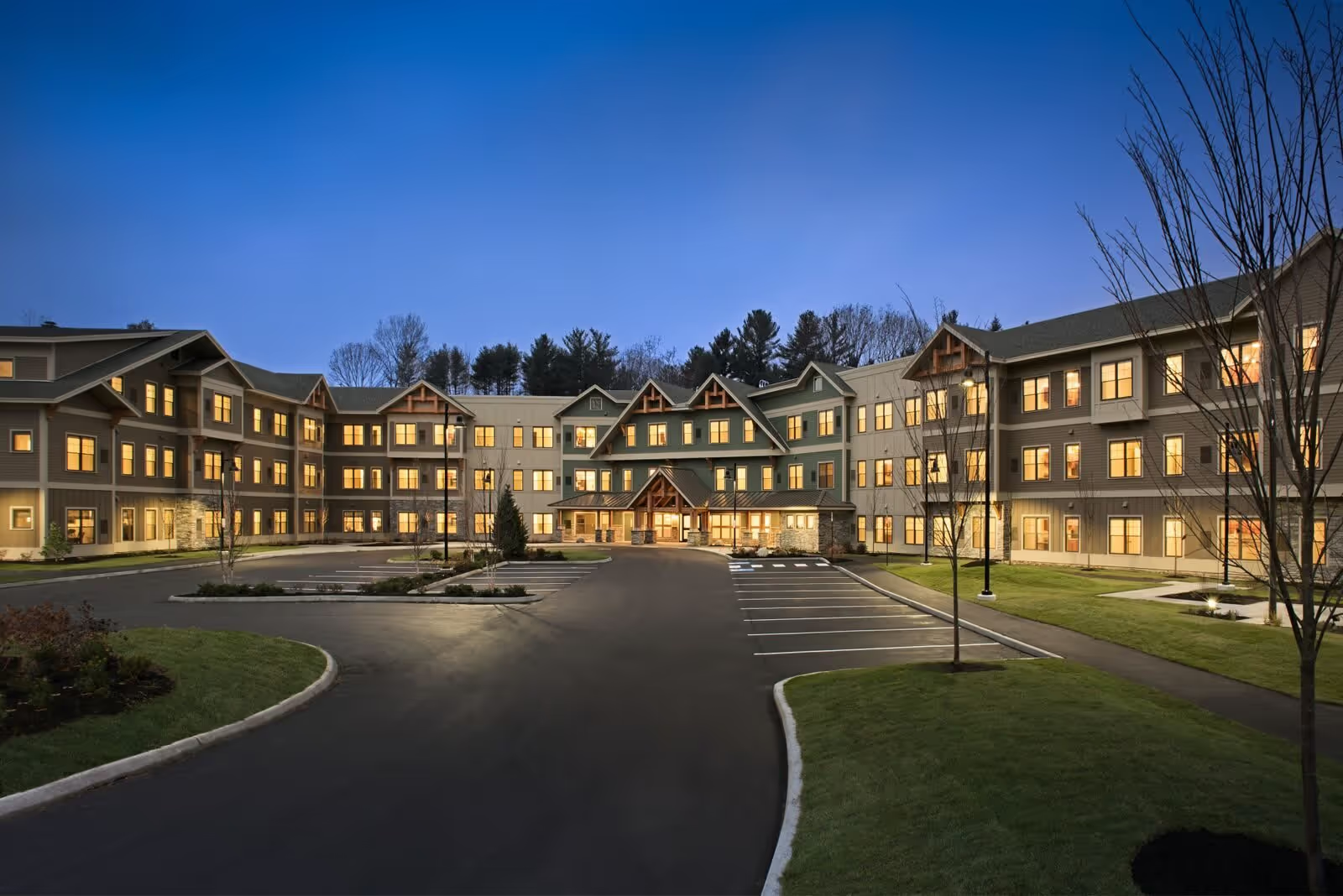
Overall impression: Reviews of this community are mixed, with a clear division between families who describe a warm, well-run, home-like environment and others who raise substantial operational concerns. Positive accounts highlight responsive caregiving, a pleasing physical setting, and programming that appears to help some residents with engagement and emotional well-being. Negative accounts point to systemic issues—especially around staffing, cleanliness, and care coordination—that have led to serious family concerns.
Care and staff: Positive feedback emphasizes compassionate, respectful staff and instances of strong support during end-of-life situations. Several families describe staff who preserve resident independence, show sensitivity, and respond helpfully during transitions. Contrasting reports identify persistent understaffing, delays in attending to resident needs, and concerns about staff conduct and responsiveness. These contrasting impressions suggest variability in staff performance and capacity that may depend on unit, shift, or staffing levels.
Dining and personal care: Some residents experience a positive food program and adequate dining quality, while other accounts identify insufficient mealtime assistance and feeding support for residents who require hands-on help. Personal-care provision is similarly variable: there are descriptions of attentive hygiene and grooming, alongside reports of inconsistent bathing schedules, laundry problems, and other sanitation concerns. Those operational gaps can affect comfort and dignity for residents who need more intensive assistance.
Activities and social environment: Many reviews praise a varied activity schedule, social opportunities, and programs that appear to reduce anxiety and support cognition for participating residents. Conversely, there are also reports of inadequate stimulation and limited programming in some areas, leaving some residents lonely or under-engaged. This suggests program availability and quality may differ across wings or staffing situations.
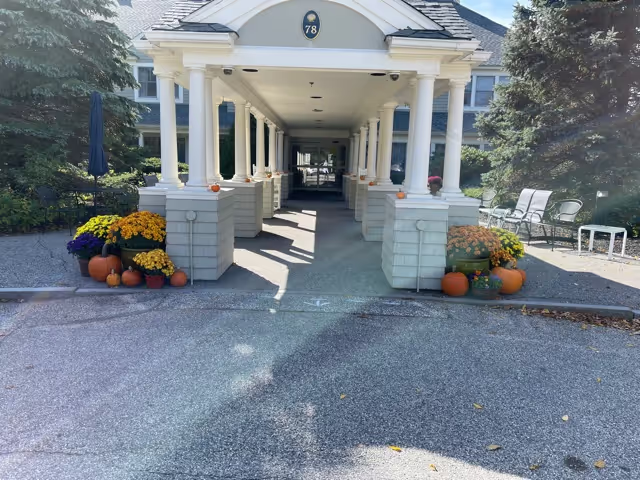
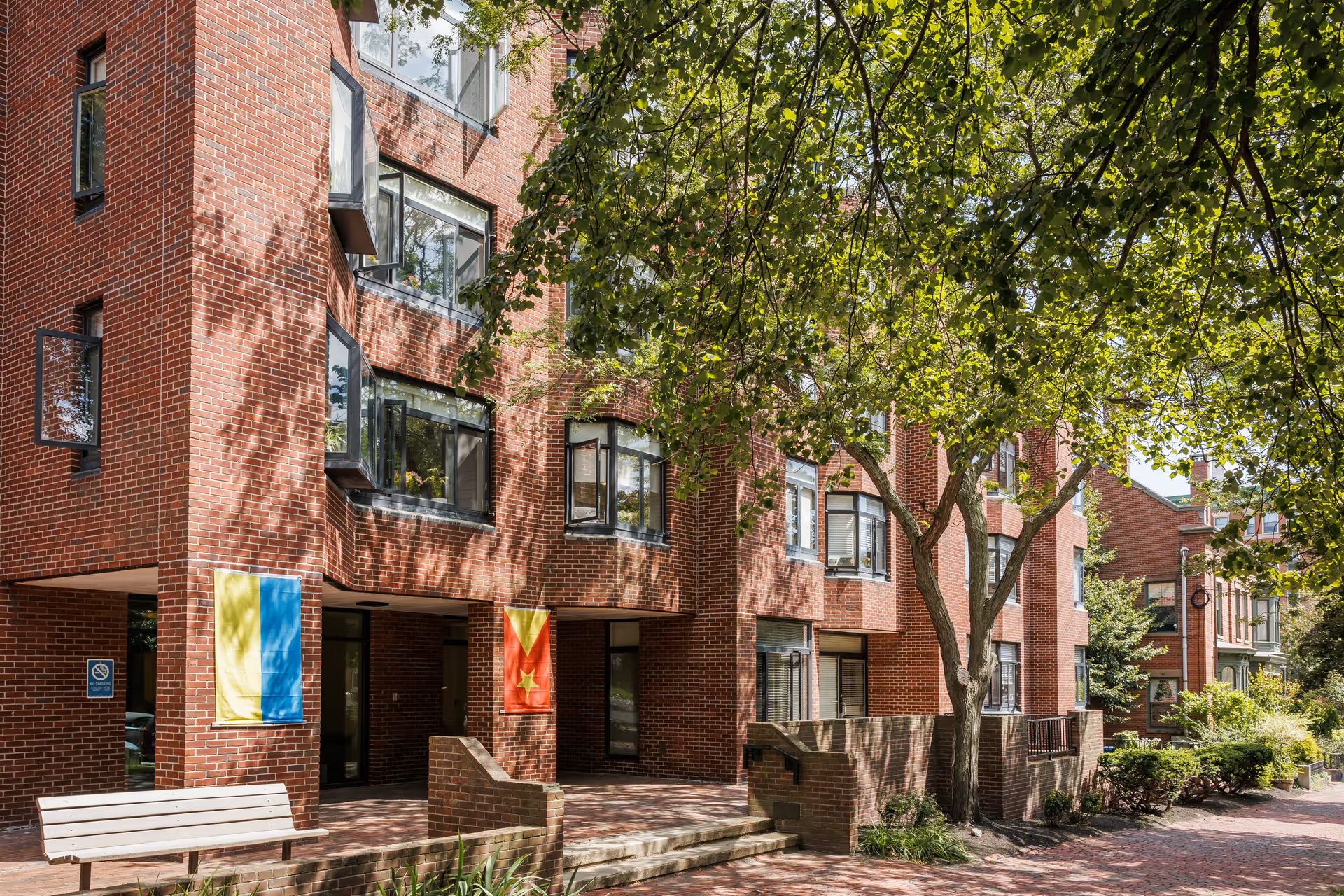
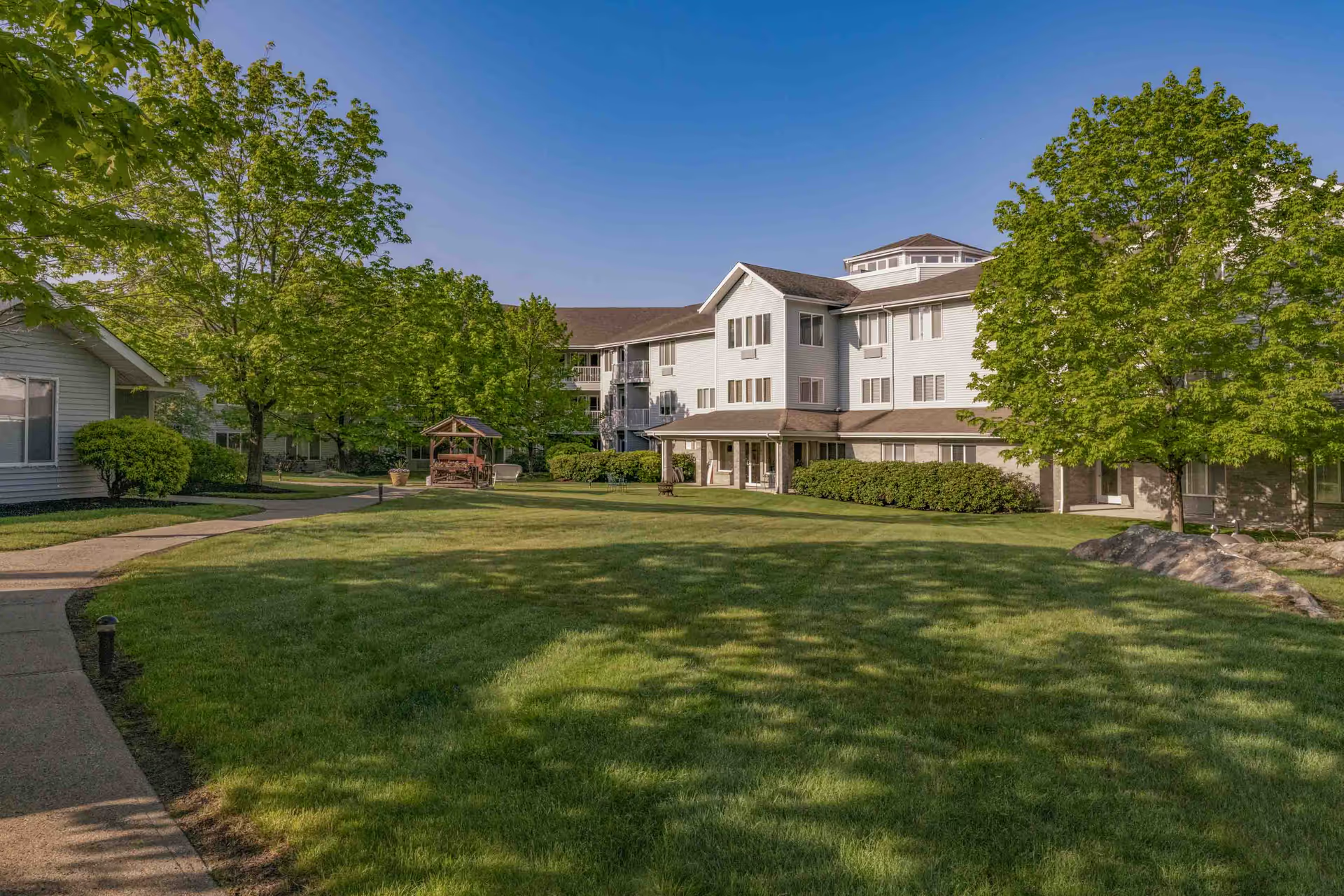
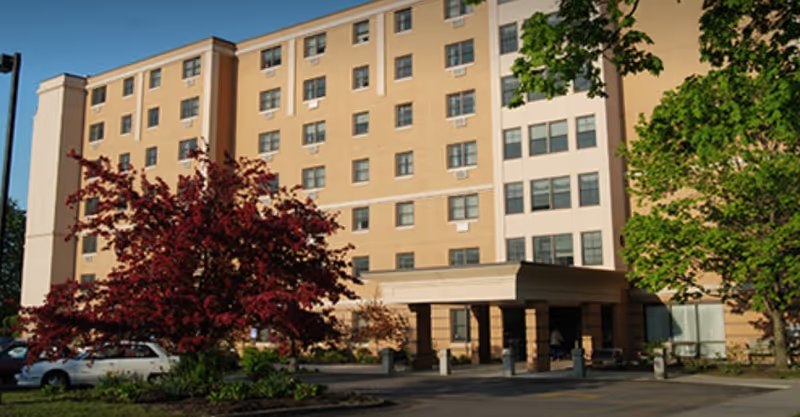
Facilities and belongings: The campus and private rooms receive frequent praise for a homey atmosphere, attractive location, and the availability of private rooms with cable and internet. However, other comments note inconsistent housekeeping, odor concerns in common areas or rugs, and missing personal items or laundry issues—indicating weaknesses in sanitation protocols and personal-item tracking.
Management, oversight, and notable patterns: Several reviews credit engaged, local leadership with improving stability and resident experience; others cite dismissive communication, poor incident follow-up, and care-coordination failures with external providers such as hospice and hospitals. There are also expressed concerns about regulatory follow-through. Collectively, these patterns point to variable leadership effectiveness and gaps in clinical-incident communication and oversight. Concerns following a resident's death and reported failures in coordinating with hospice and hospital personnel underscore the importance of clear escalation and communication protocols.
Bottom line for prospective families: The community demonstrates real strengths—compassionate caregivers, a pleasant physical environment, and meaningful programming for many residents—but also shows operational weaknesses that have led to serious family concerns in some cases. Prospective residents and families should arrange a visit that includes questions about current staffing ratios and turnover, sanitation and laundry procedures, fall-prevention protocols, mealtime assistance plans, personal-item tracking, and how the facility coordinates with hospice and hospitals. Reviewing recent inspection reports and speaking with current families on-site can help clarify whether the community’s strengths or its operational risks are more likely to reflect the experience for a particular resident.