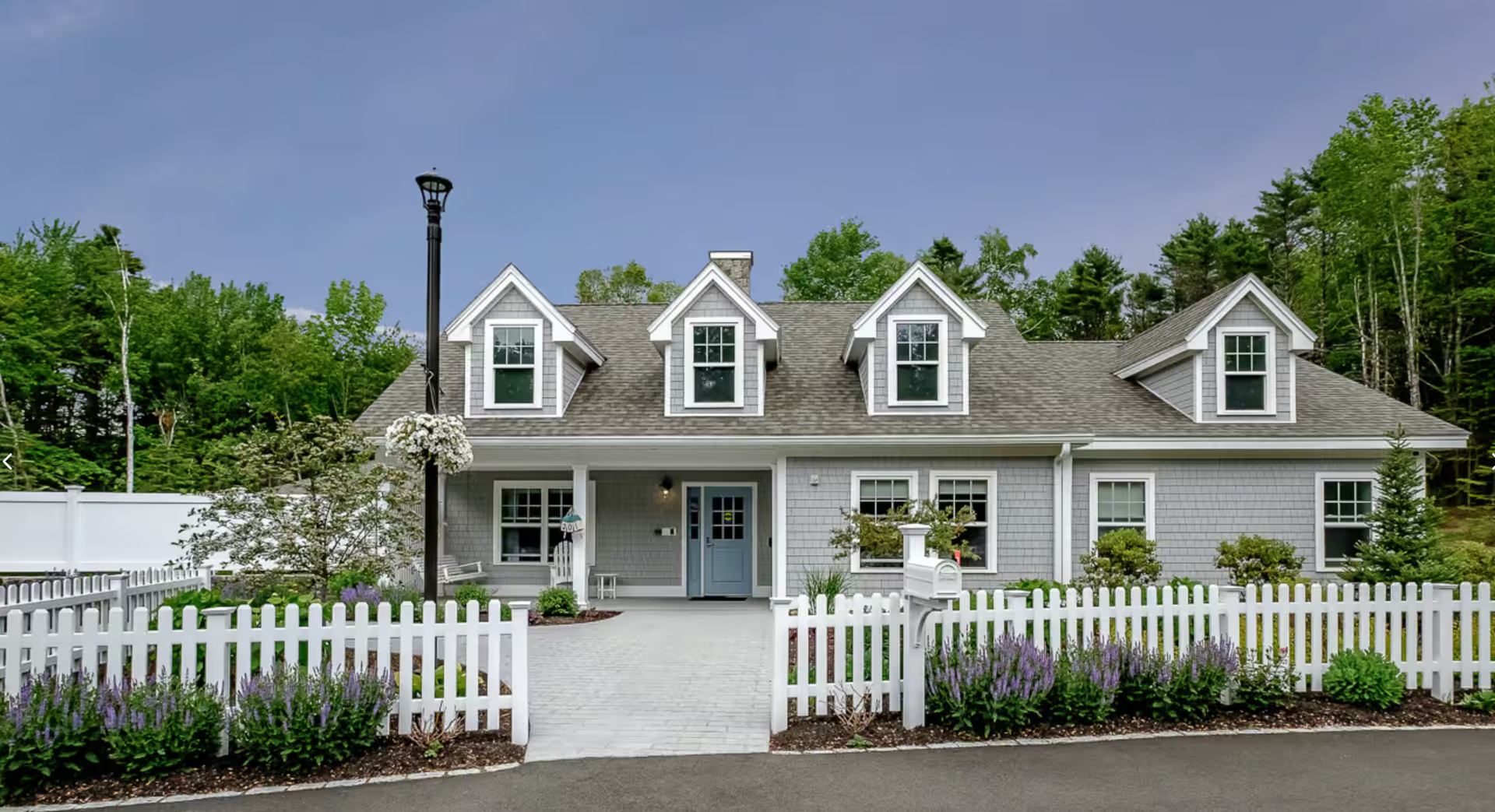
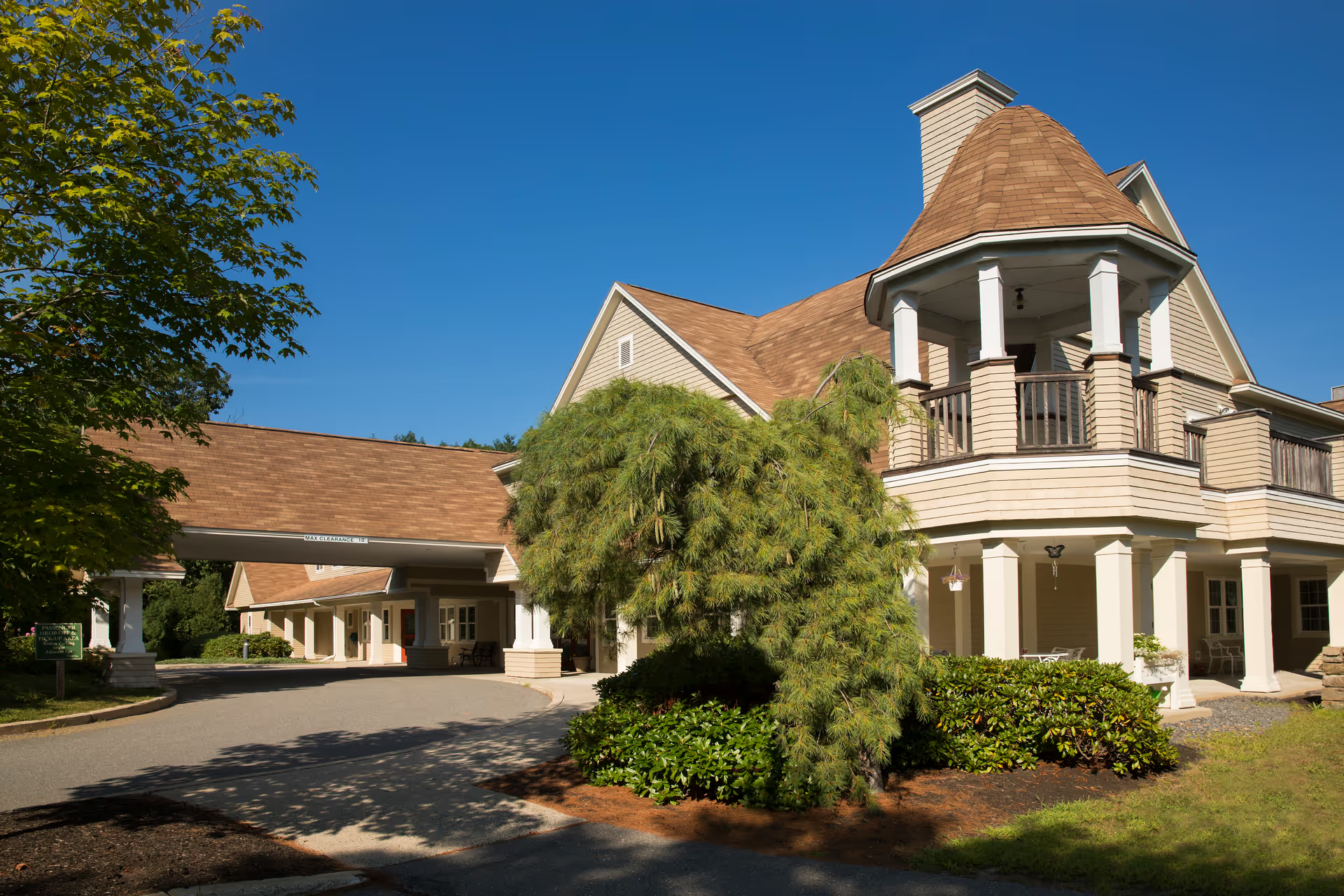
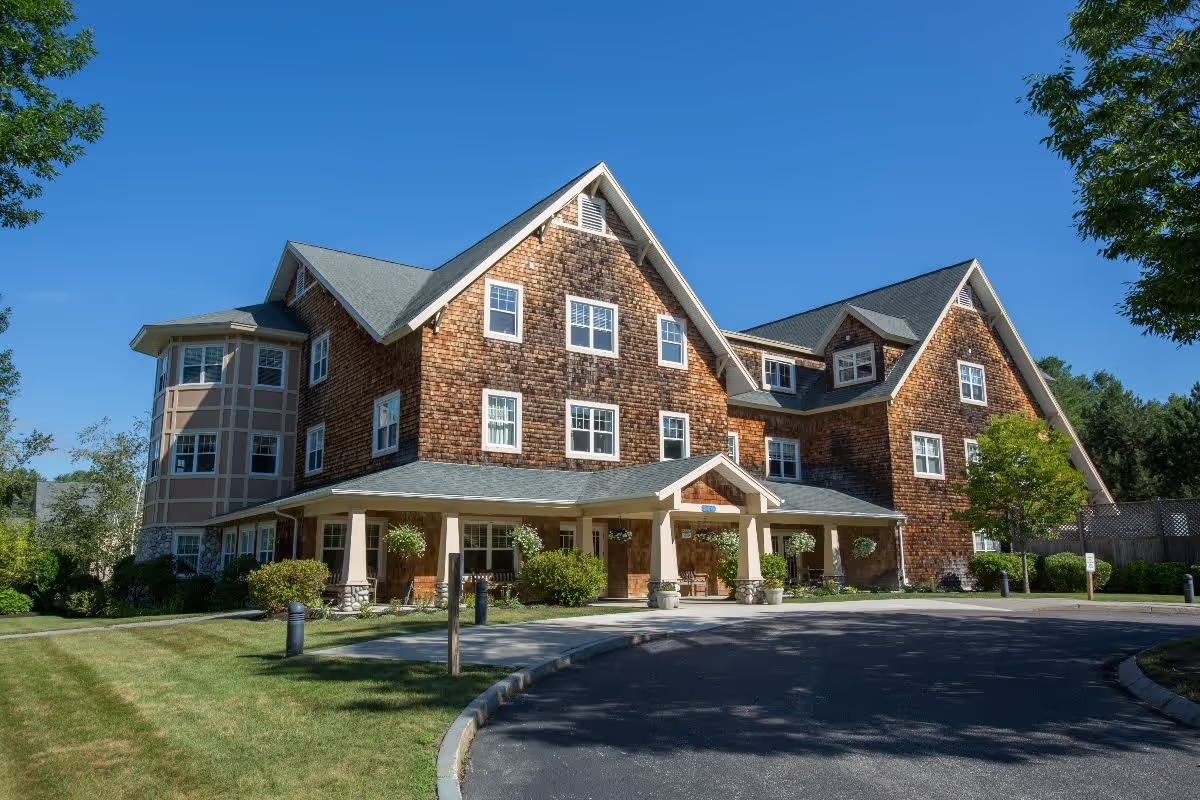
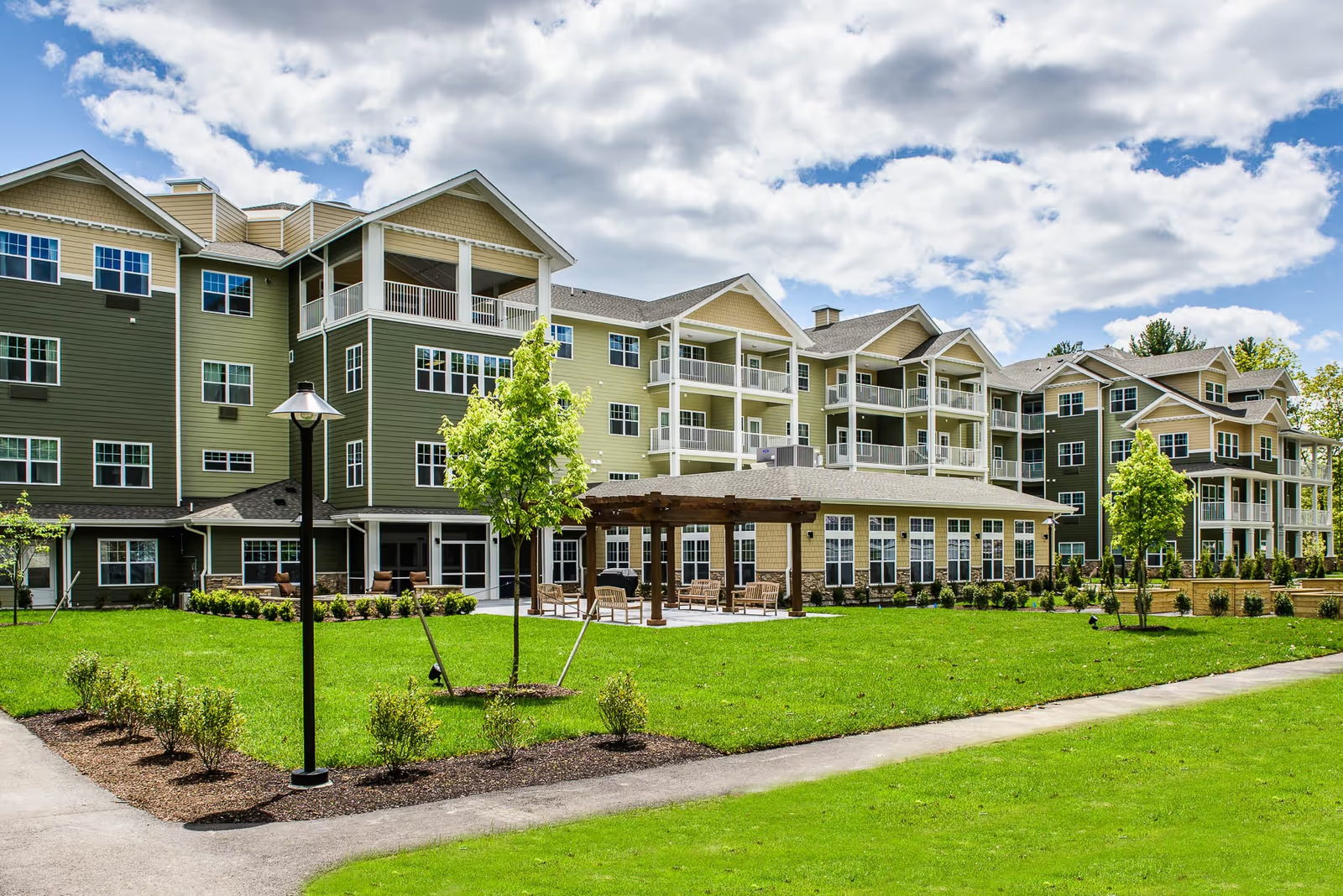
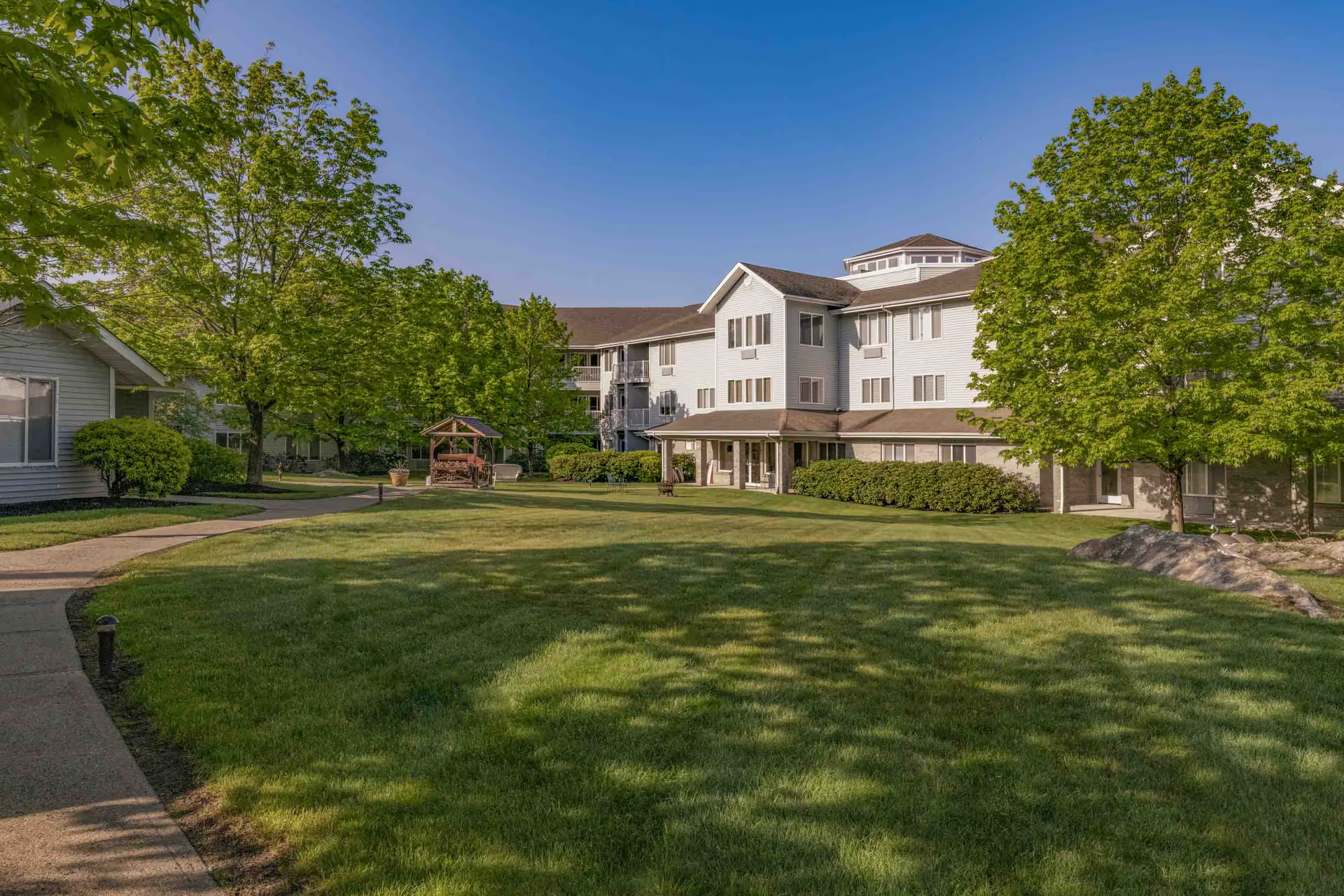
The Heron House is described primarily as a small, owner-operated, home-like assisted living community with a bright, renovated interior and strong communal amenities. Reviewers consistently praise the facility’s welcoming atmosphere, clean common areas, and comfortable private rooms. Outdoor features such as raised garden beds, planters, decks and walking paths contribute to a peaceful setting. The centralized kitchen and dining area support a family-oriented feel, and the property’s scale is viewed as a factor in its close-knit community character.
Care and staff receive a mix of commendation and concern. Many families highlight compassionate, attentive caregiving, consistent housekeeping and culinary support, and staff who cultivate a warm, family-like relationship with residents. Owners are described as accessible and responsive; communication, including daily updates, appointment coordination, and direct email access to management, is frequently noted as a strength. At the same time, reviewers indicate variability in clinical operations: understaffing and inconsistent coverage are recurring themes, and there are specific concerns about staff training in elder and memory care. These operational gaps are associated with delays in attending to resident needs and with inconsistent responsiveness during higher-acuity situations.
Dining and activity programming are viewed positively. The facility’s chef is described as accommodating, providing nutritious and customizable meals. Flexible dining options and a central communal dining experience are emphasized as contributors to residents’ comfort. A modest but active schedule of social and recreational opportunities — including Bingo, music, exercise sessions, and a library/community space — supports engagement and socialization for residents.
Facilities and privacy considerations present a mixed picture. Many reviewers praise recent renovations, cleanliness, and cozy private rooms; others note that some accommodations have shared bathrooms or communal shower arrangements, which can limit privacy for residents who prefer a private bathroom. The memory-care unit’s secure layout and fall-risk management were noted as areas where operational clarity and safeguards may be needed.
End-of-life care and clinical controls are notable patterns of concern. While hospice coordination earned positive mention in some accounts, other reviewers described serious shortcomings in end-of-life protocols, family communication, and medication-management practices. Concerns mentioned include medication storage and how medications are administered, as well as responsiveness to incontinence-care needs. These items suggest a need to review clinical policies, staff training, and escalation pathways to ensure consistent quality in higher-acuity situations.
Overall, The Heron House appears to offer a warm, small-community alternative to larger facilities, with strengths in atmosphere, personalized dining, and accessible ownership. Prospective residents and families should weigh those strengths against operational concerns: ask for details on staffing ratios and schedules, staff training and background-check procedures, medication-management policies, privacy options for rooms/bathrooms, memory-care safeguards, and written end-of-life protocols. Touring the facility, meeting leadership and care staff, and requesting documentation on clinical policies will help families assess whether the facility’s operational practices align with their expectations for safety and dignity of care.