Kennebunk Center for Health & Rehabilitation presents a mixed but largely rehabilitative profile. A notable strength across many comments is the facility's emphasis on therapy-driven recovery: reviewers repeatedly praise the physical and occupational therapy teams, as well as specialty programs for orthopedic, cardiac, and pulmonary rehabilitation. Many families and patients reported measurable functional improvements and described the clinical teams as professional, outcome-oriented, and skilled at managing complex recovery needs.
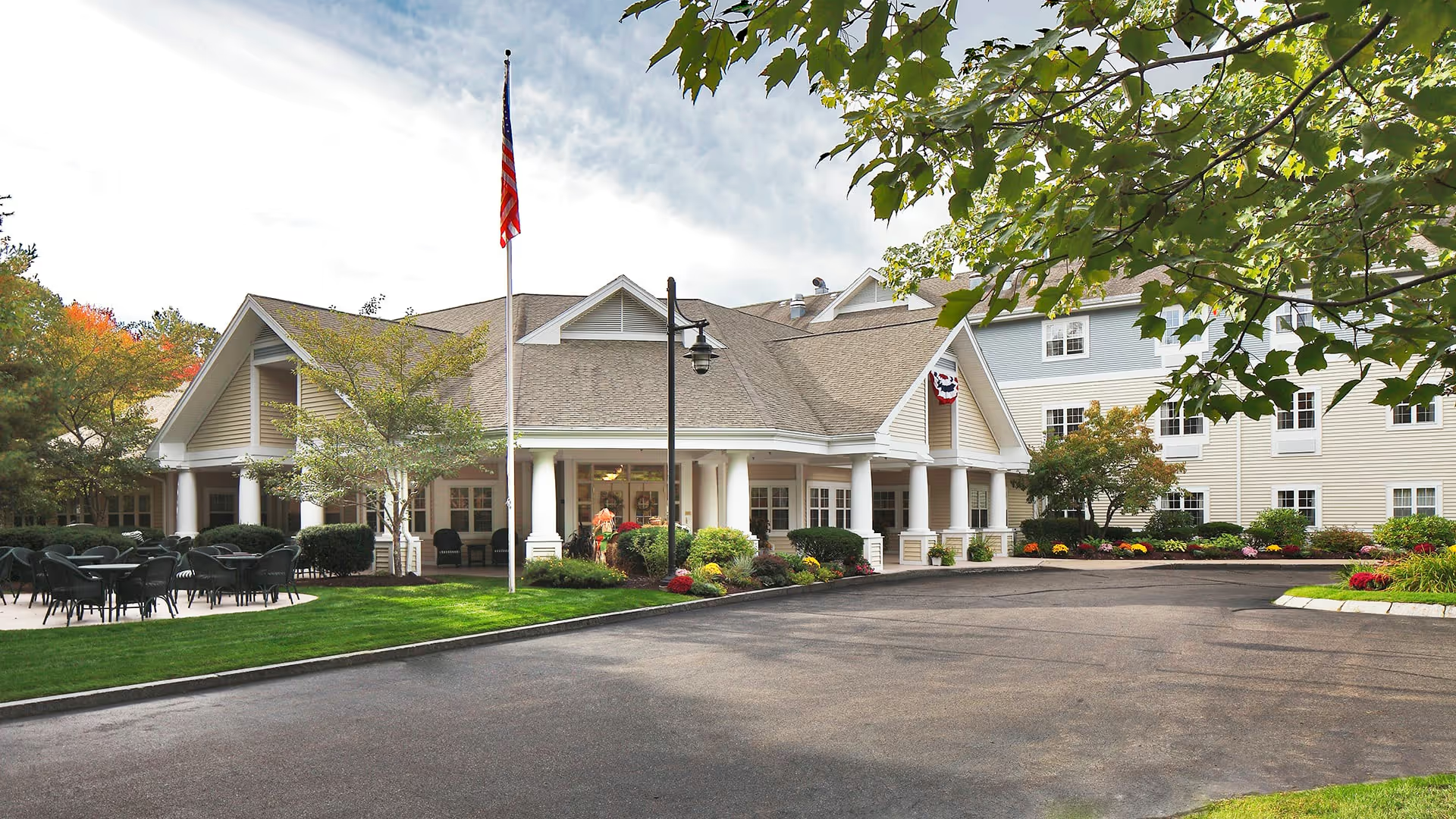
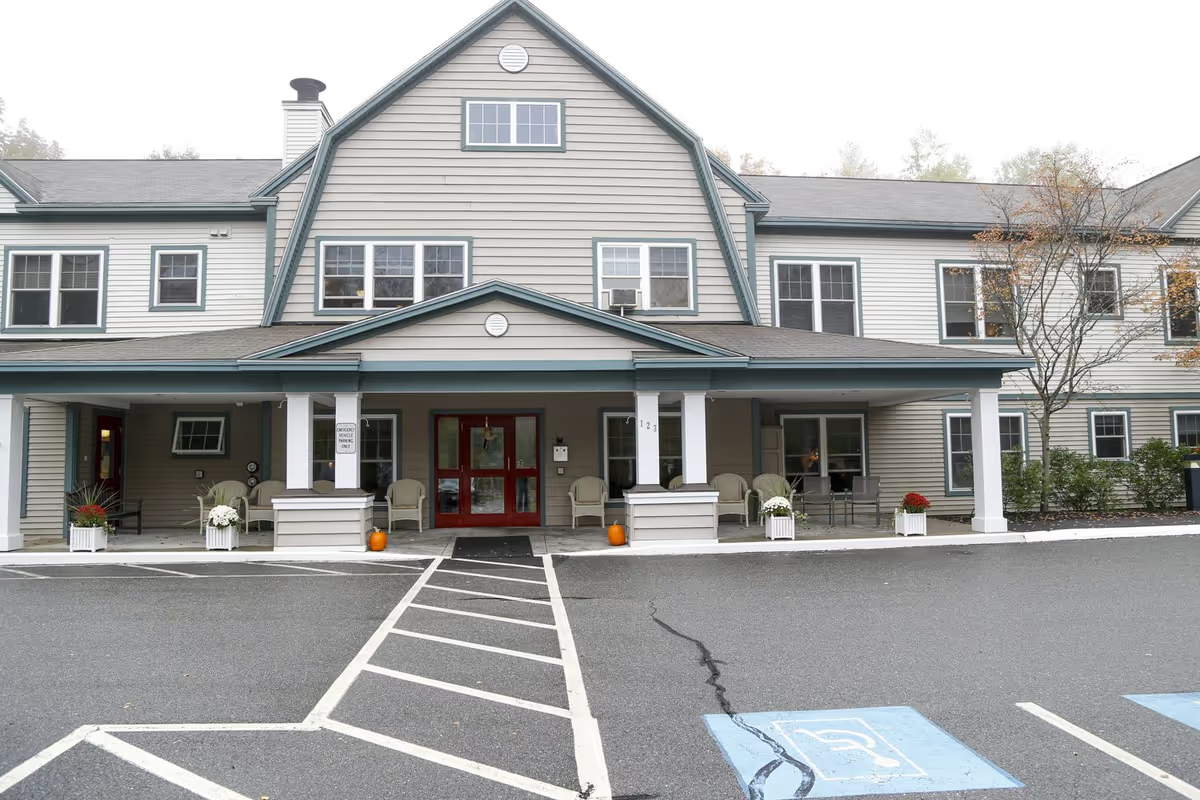
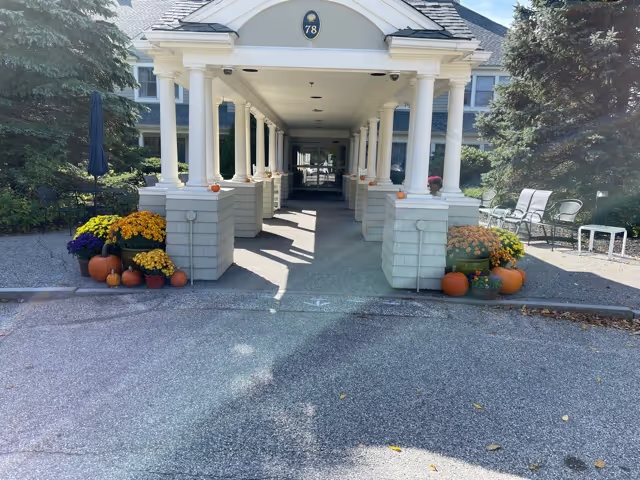
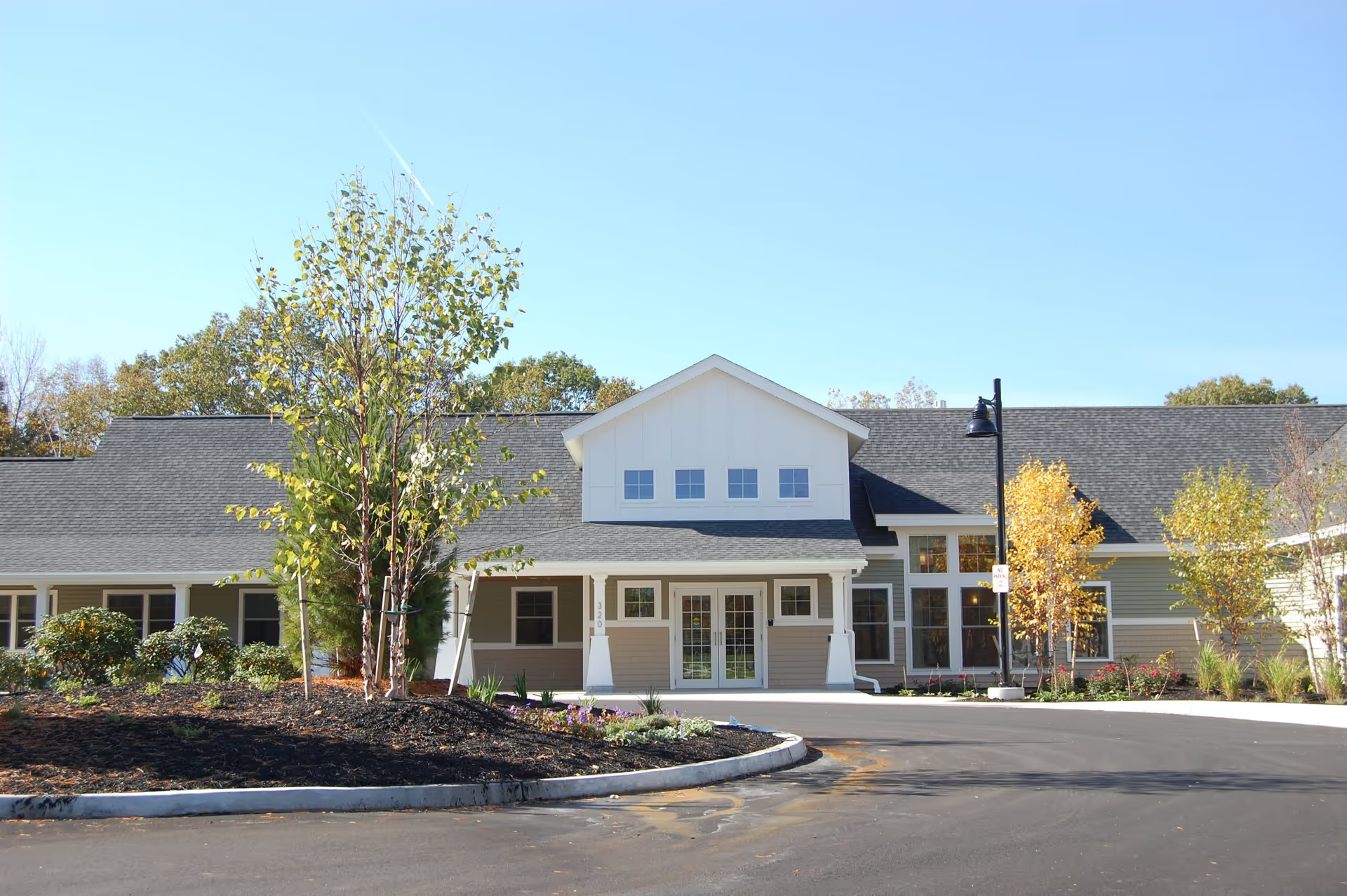
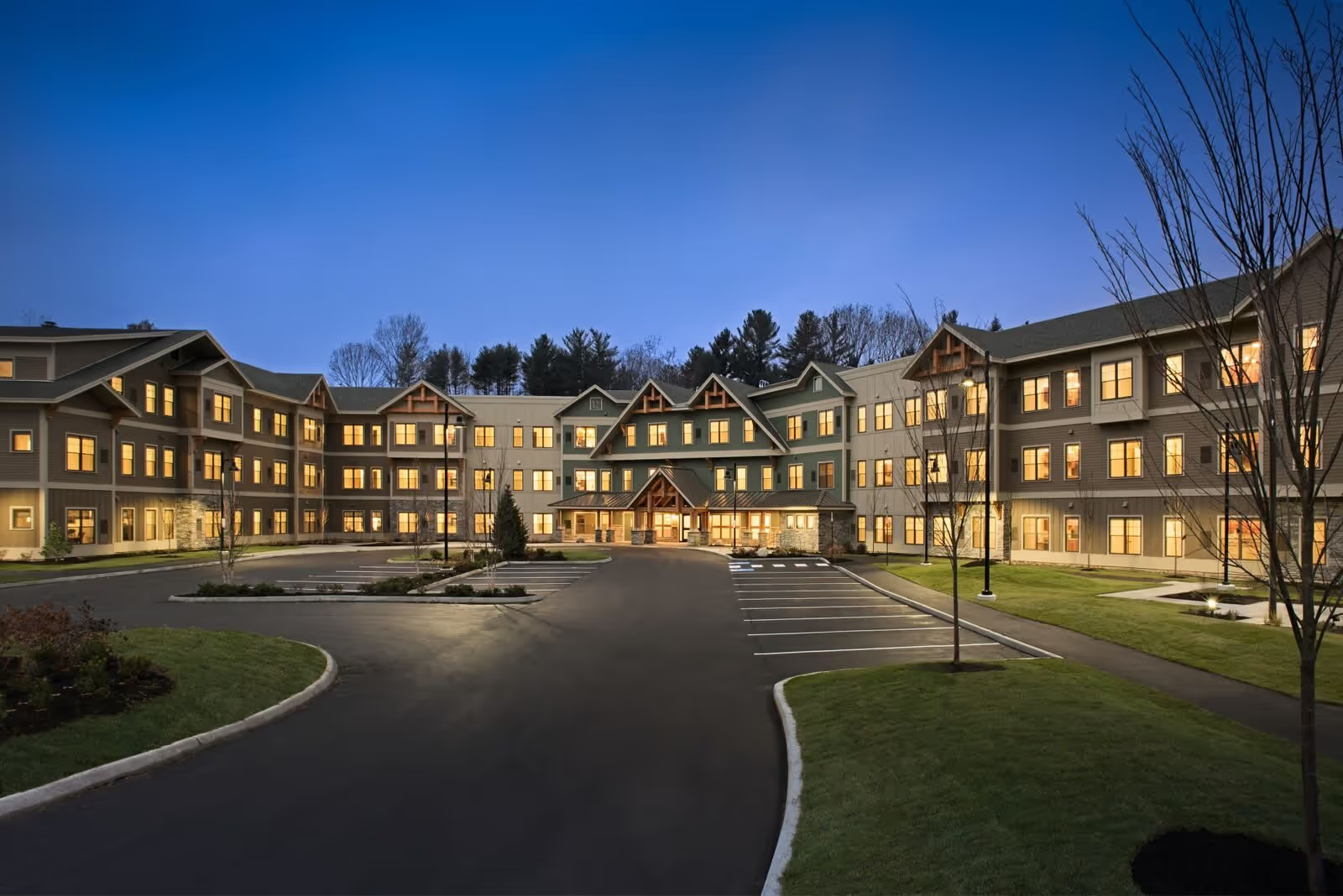
Staffing and day-to-day caregiving receive generally positive marks for compassion and attentiveness. Numerous reviewers described nurses, CNAs, therapists, and admissions staff as warm, welcoming, and family-oriented; several cited specific social-work support that smoothed transitions. The facility's atmosphere, grounds, and physical plant are also frequently praised: reviewers noted a calm, country-like setting, bright and well-kept interiors, spacious rooms, and wide hallways that support a comfortable, home-like environment for residents and visitors.
There are recurrent operational concerns that prospective residents and families should weigh. Medication administration and clinical-response processes appear inconsistent in some instances, with specific complaints about missed or delayed medications and charting errors. Pain management delays and slower-than-expected clinical responses were also raised. Staffing levels and CNA turnover were mentioned as contributors to extended wait times for assistance and variability in basic-care tasks; these issues tie into several reports of housekeeping and incontinence-care inconsistencies, and occasional sanitation lapses in resident rooms or bathrooms.
Dining and activities produce divergent impressions. Many reviewers enjoyed the therapy-focused meal choices and 7-day menu options, and some described home-cooked or comforting meals and active social programming. Others found food quality inconsistent or unpalatable on occasion. Activity programming and family accommodations were commonly noted as strengths when present; overall, the facility appears to offer a range of engagement options that benefit many residents.
Management, communication, and safety controls show uneven performance. Several families reported poor discharge coordination, limited responsiveness from mid-level managers or social services in certain cases, and difficulties escalating concerns. There are isolated, serious allegations relating to property security, infection-control lapses, and end-of-life coordination that warrant attention; while these appear to be individual but significant events, they underscore the importance of clarifying policies and safeguards during placement and stay. Prospective families should ask about medication protocols, staffing ratios, infection-prevention procedures, housekeeping schedules, and how the facility handles escalation and family communication.
In summary, Kennebunk Center offers a strong rehabilitation environment with many compassionate clinicians and a pleasant physical setting. However, experiences reported indicate variability in medication processes, staffing consistency, housekeeping, and managerial follow-through. Families considering this facility should balance the documented clinical strengths against the operational issues described, and proactively seek information about the facility's current staffing, medication-safety practices, discharge planning, and infection-control policies before placement.