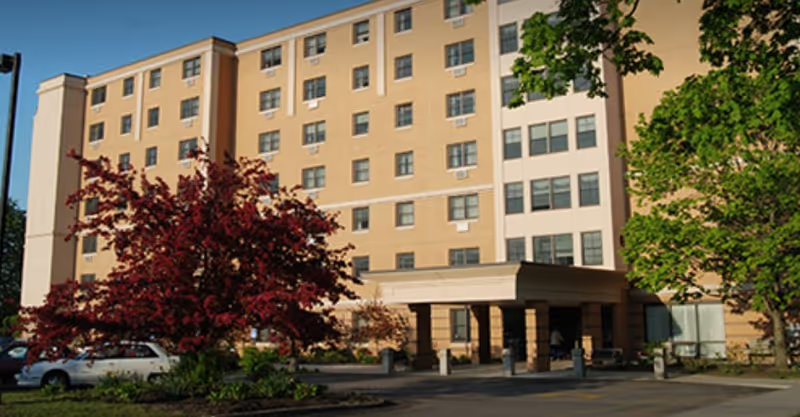
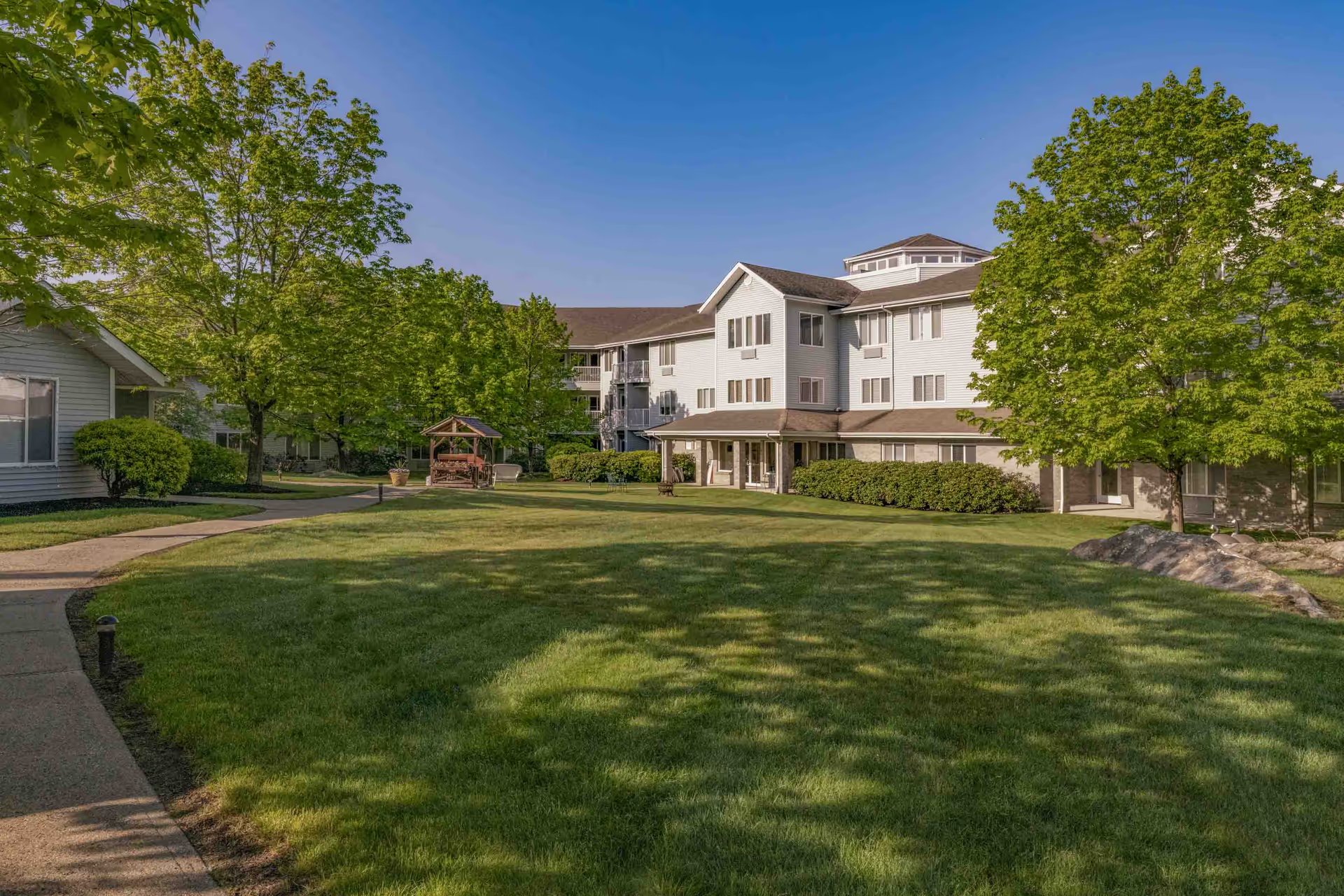
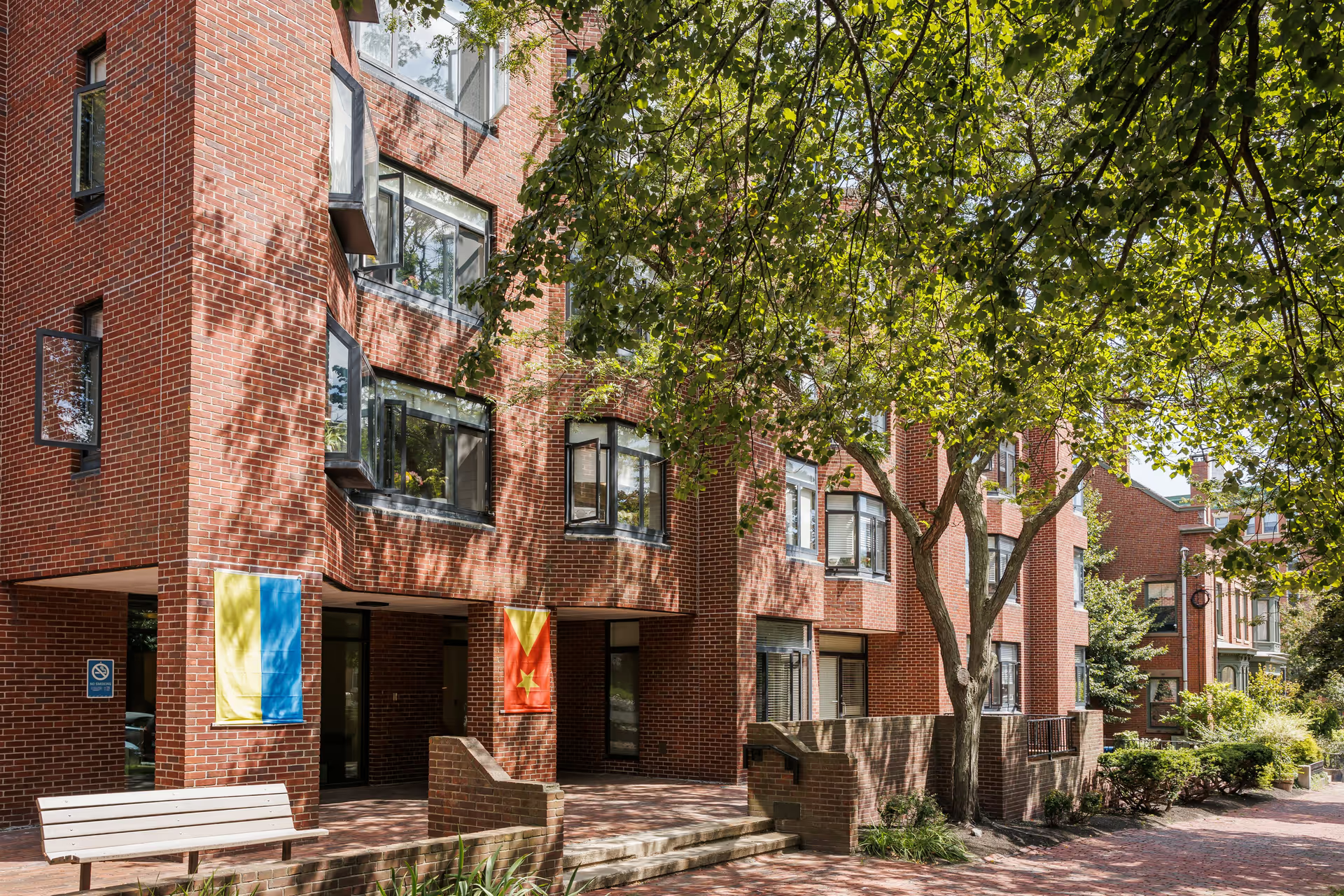
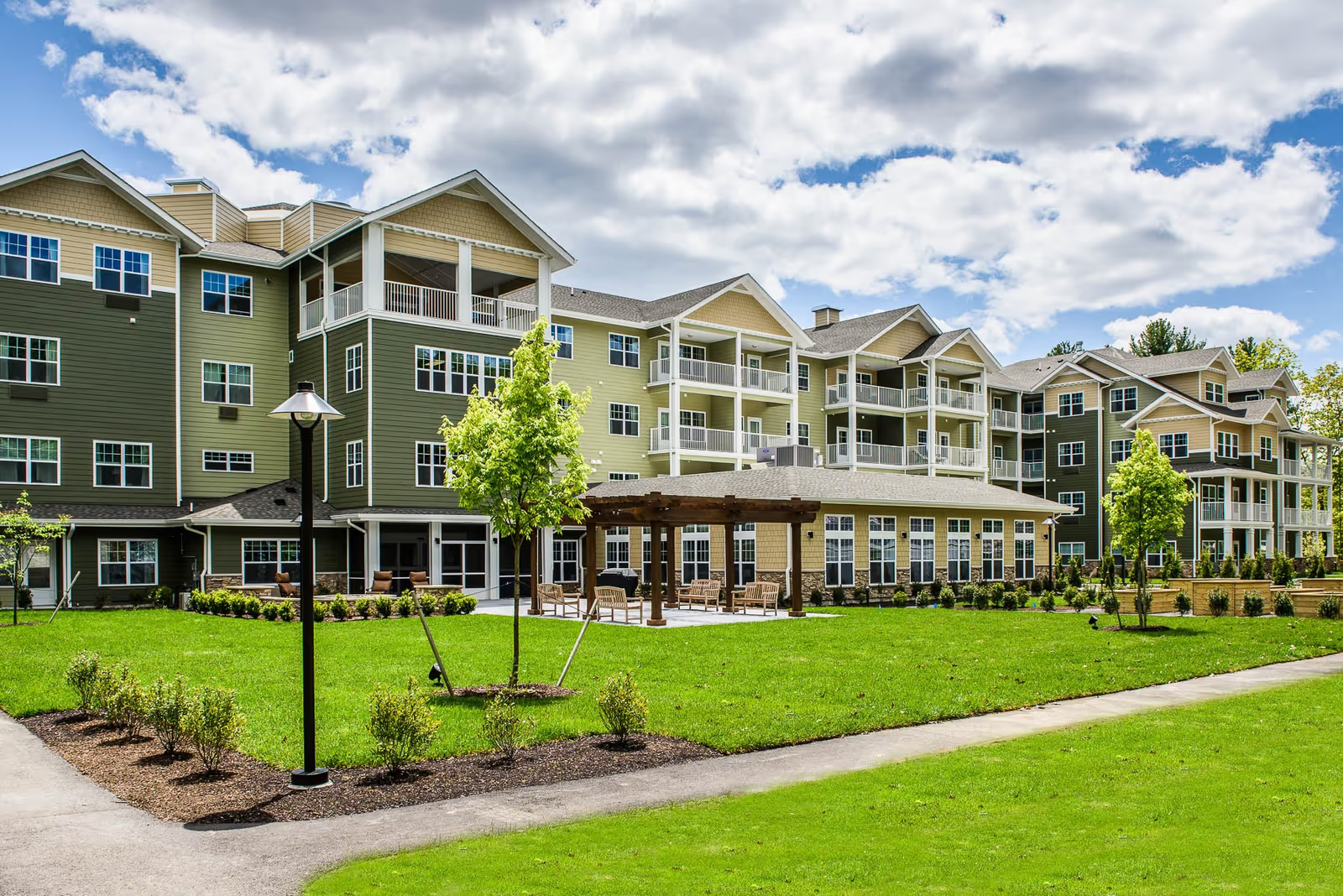
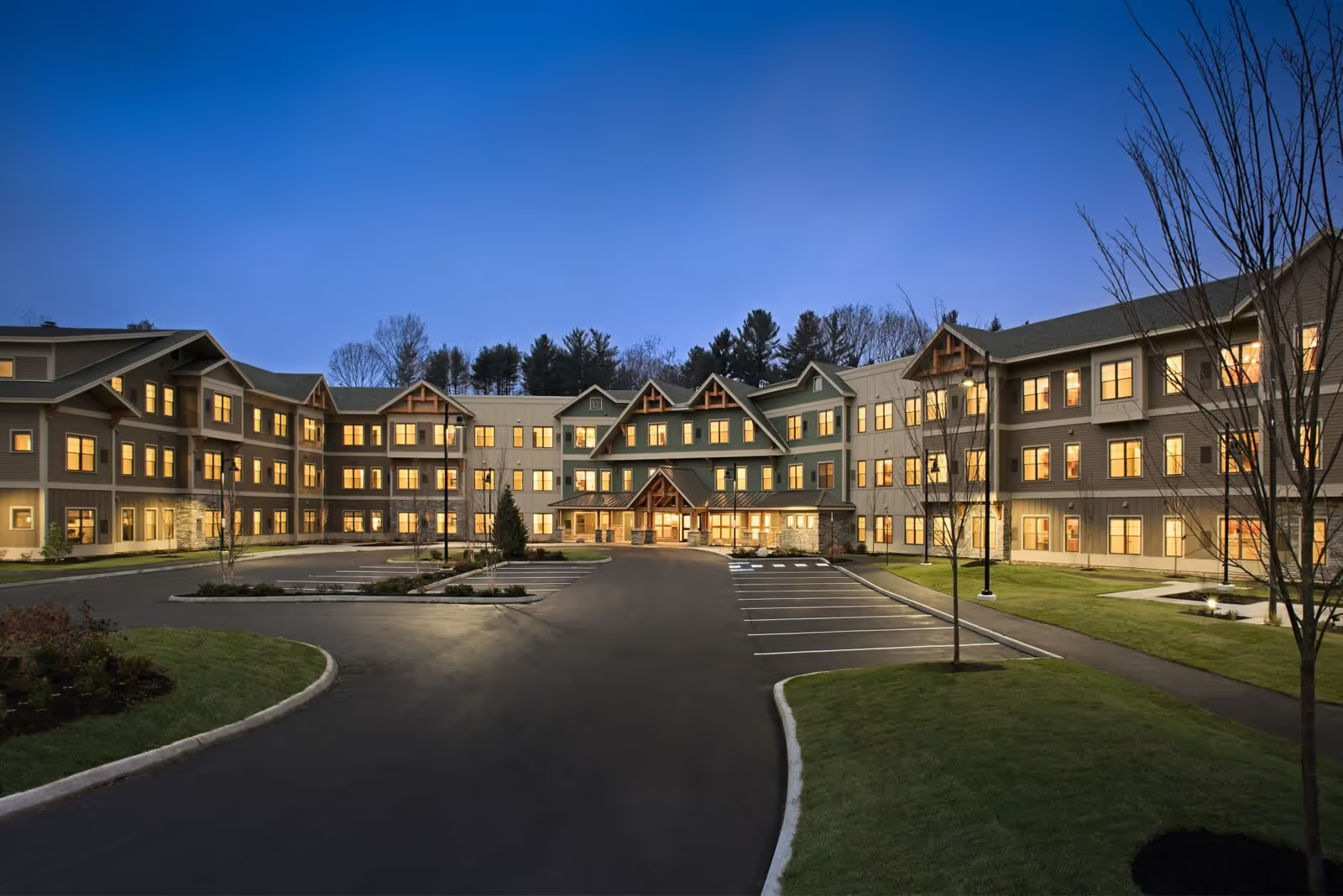
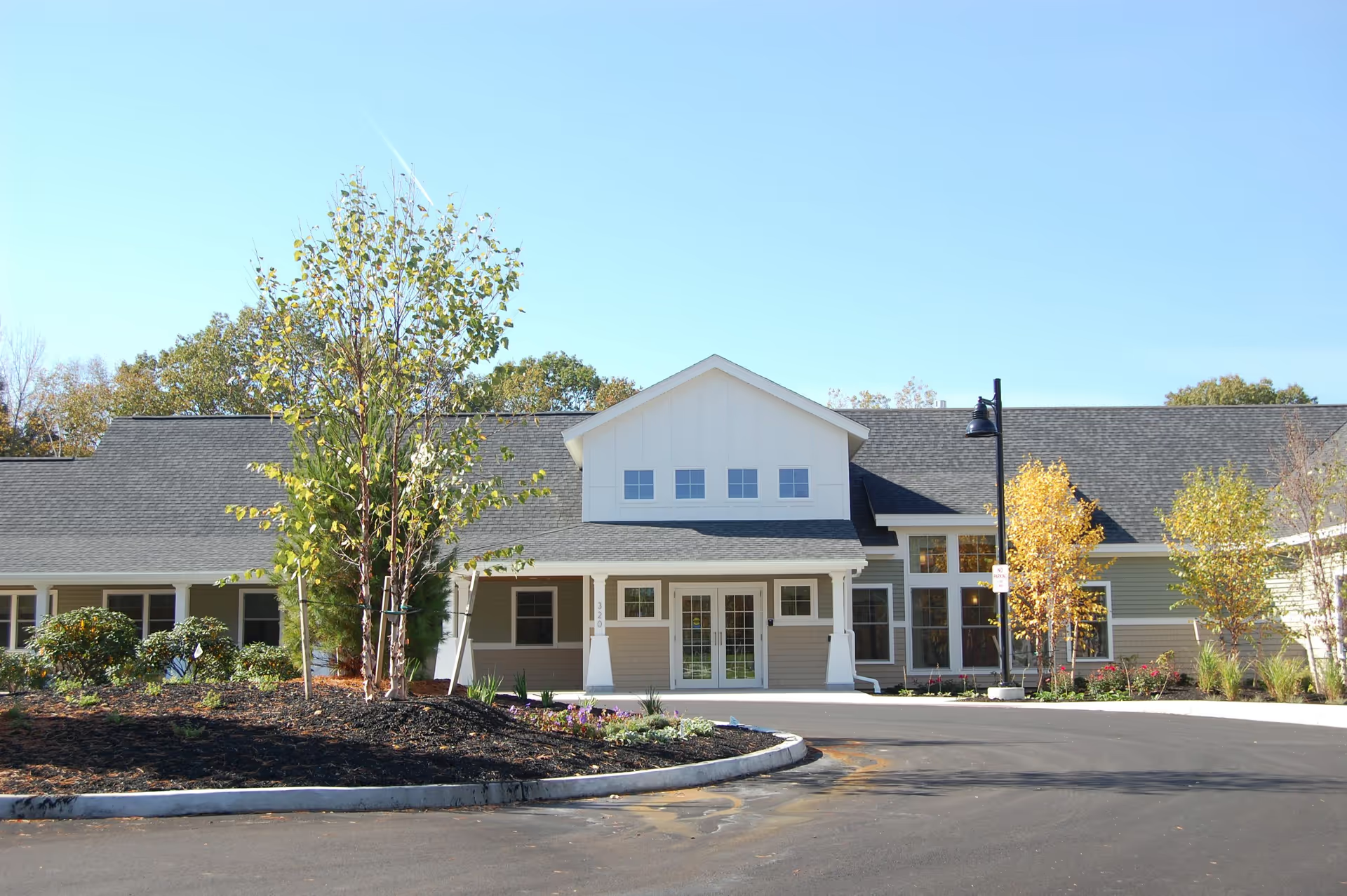
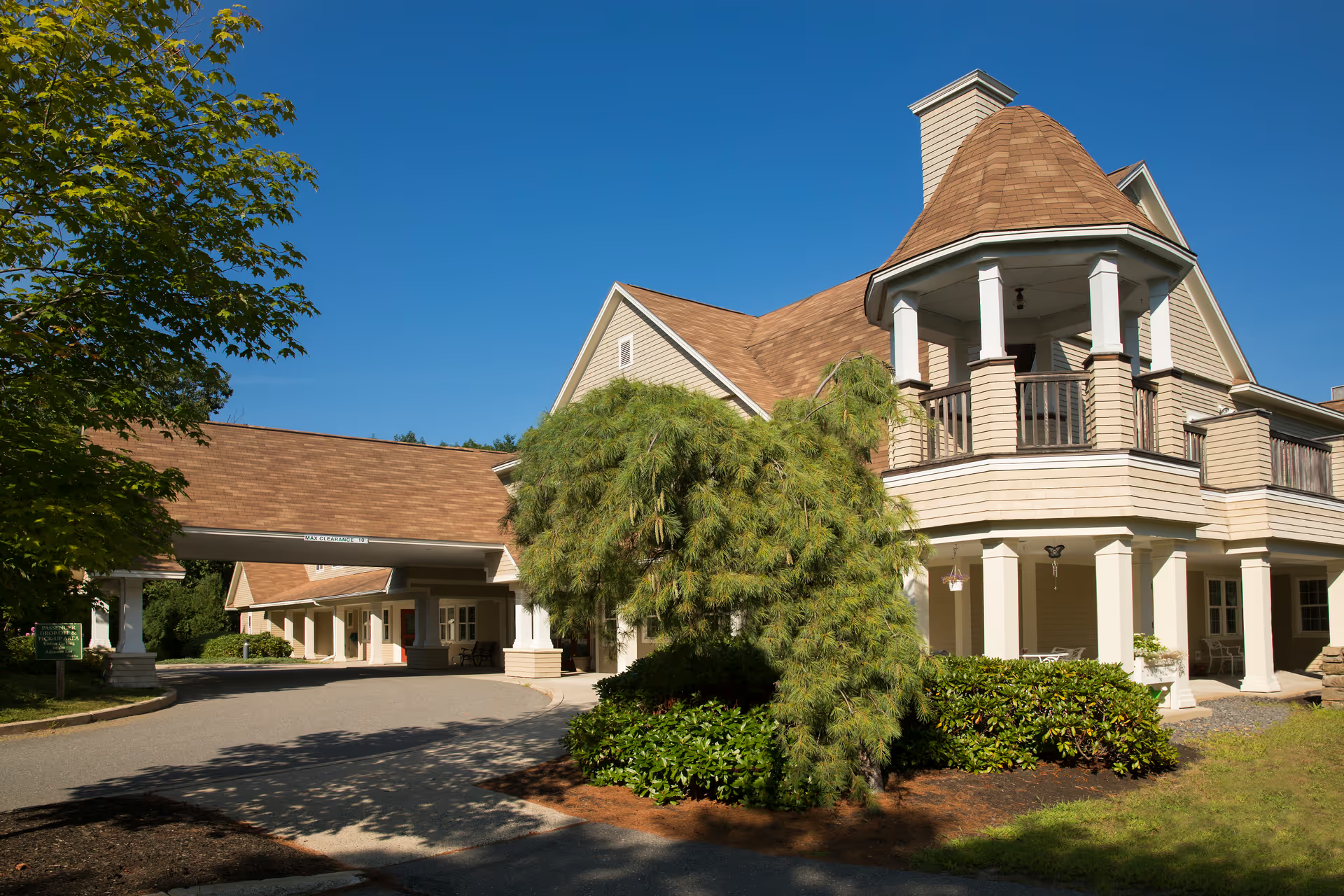
The reviews present a mixed view of Portland Center for Assisted. Several reviewers highlight an active activities program (choir, bingo, varied events) and organized off-site trips by mini-bus, as well as outdoor seating and a gazebo and convenient proximity to public transit. Some families found rooms and common areas to be tidy and described a friendly, social resident population. The community is also seen by some as an affordable, pragmatic option that serves as a safety net, and management has communicated construction and maintenance schedules in advance on occasion.
At the same time, a number of operational concerns recur across reviews. Cleanliness and sanitation are inconsistent: reviewers note maintenance issues in entry and dining areas (including aquarium care and cigarette-butt litter) and express odor concerns in common dining spaces. Pest-control concerns were raised. Many families described chronic understaffing and inconsistent staff responsiveness, which is linked in the reviews to delays in medication administration, spotty follow-up care, and inconsistent assistance with personal care such as bathing and grooming.
Clinical and safety issues are another pattern. Reviews indicate gaps in dementia supervision and variable encouragement for residents to attend activities. There are accounts of falls and related injuries and concerns about fall-prevention practices and rehabilitation coordination. Communication deficiencies were frequently noted: families reported difficulty reaching nursing staff by phone, lapses in notification to families and physicians about infections or clinical changes, and an administrative focus on billing rather than care continuity. Several reviews also raised concerns about personal-property controls and instances where belongings could not be accounted for.
Staff conduct and management practices show a split picture. Some reviewers praised caring nursing staff and helpful activity staff, while others described unprofessional tone at the front desk, inconsistent caregiving behaviors, and high staff turnover or unstable scheduling that affects continuity of care. A few families described serious adverse outcomes associated with these operational weaknesses, including concerns following a resident's injury and a referenced death; these accounts point toward the need for clearer clinical protocols and family communication.
For prospective residents and families: the facility appears to offer a meaningful activity program, social opportunities, and practical affordability for some residents, but it also demonstrates recurring operational weaknesses that could affect quality of care. Recommended due diligence includes an in-person visit during meal and activity times, direct questions about staffing ratios and medication protocols, verification of pest-control and sanitation practices, review of fall-prevention and dementia supervision procedures, and clarification of property-management and communication policies. Families should also ask for documented incident- and notification procedures and confirm contact pathways for clinicians and administration before making placement decisions.