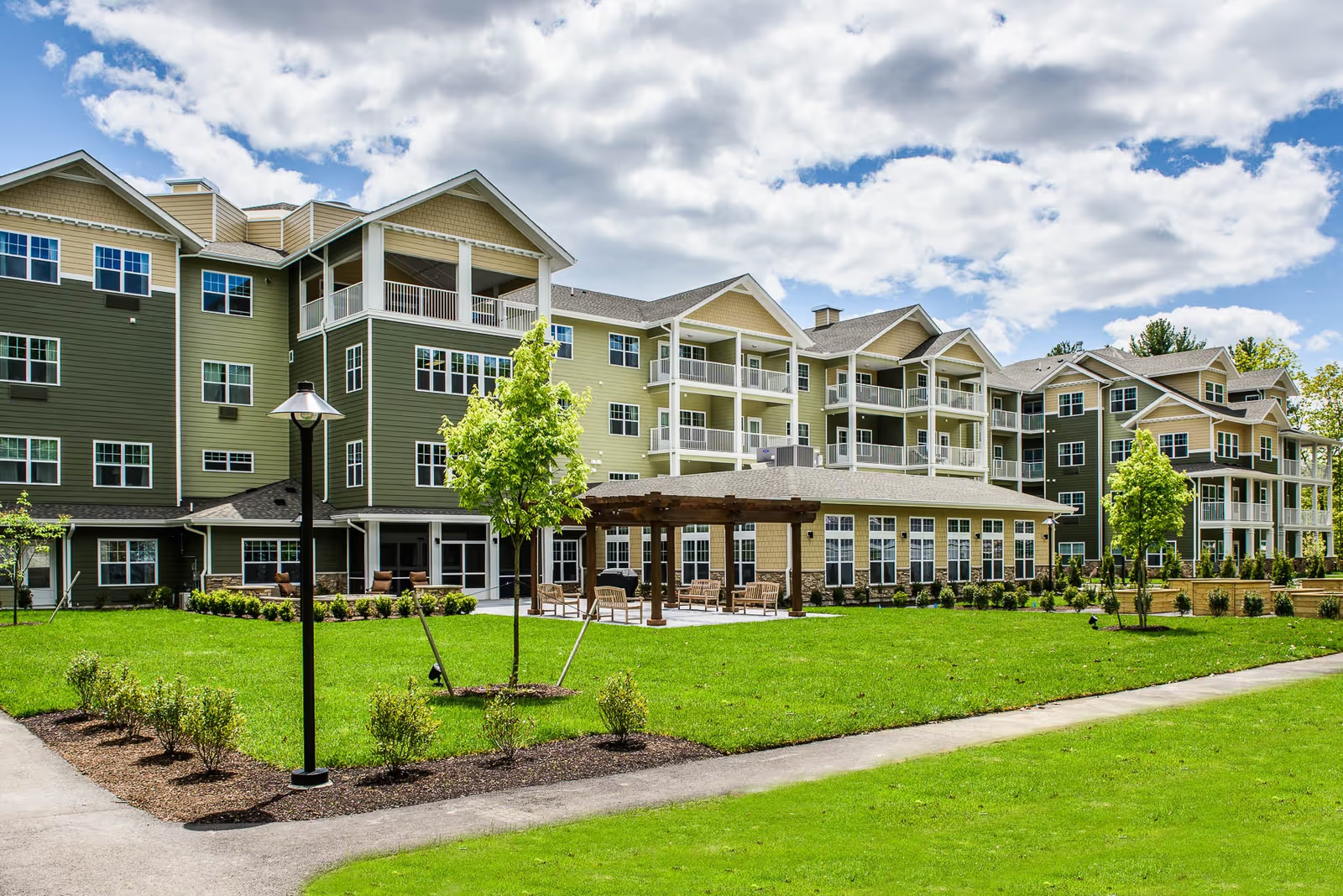
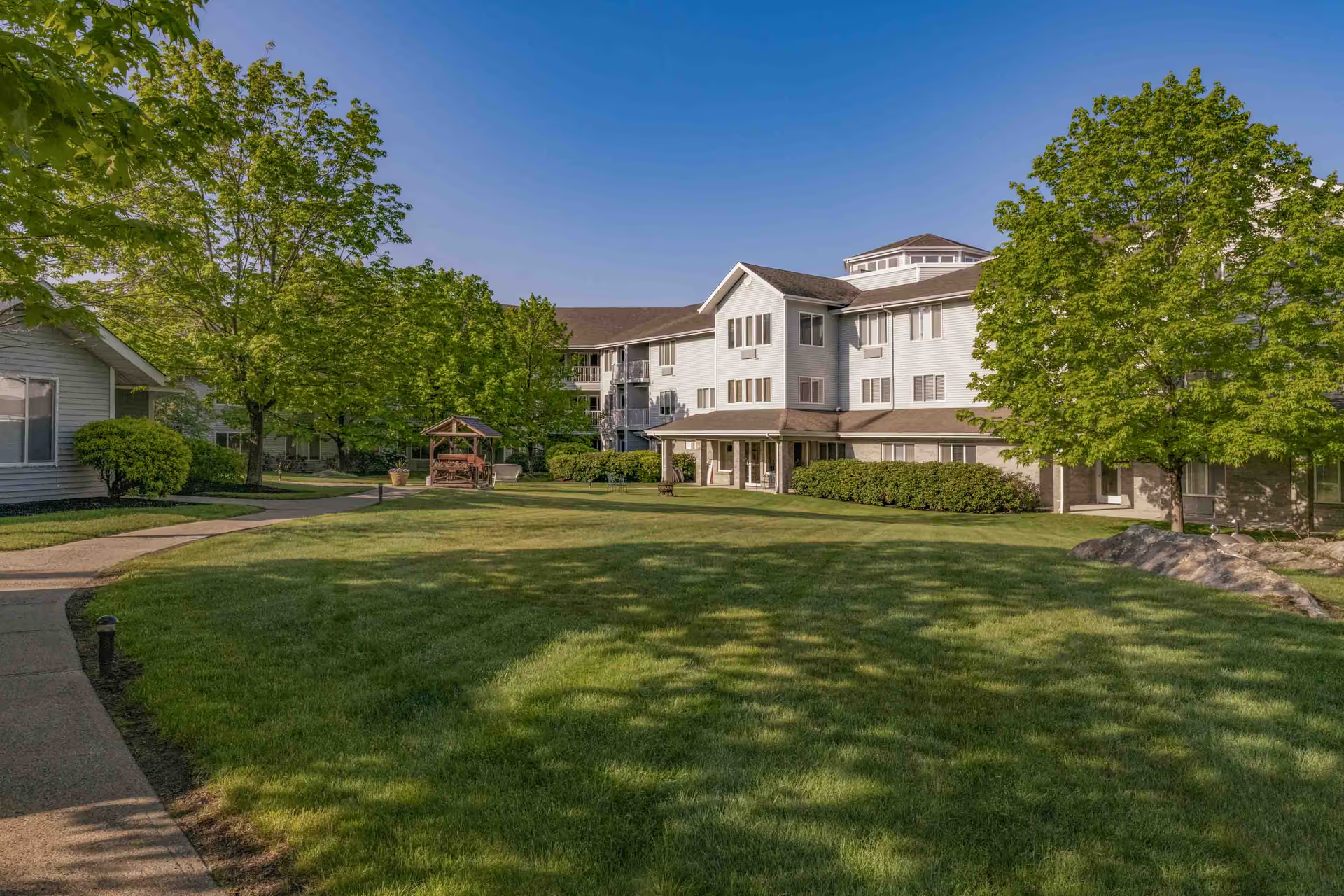
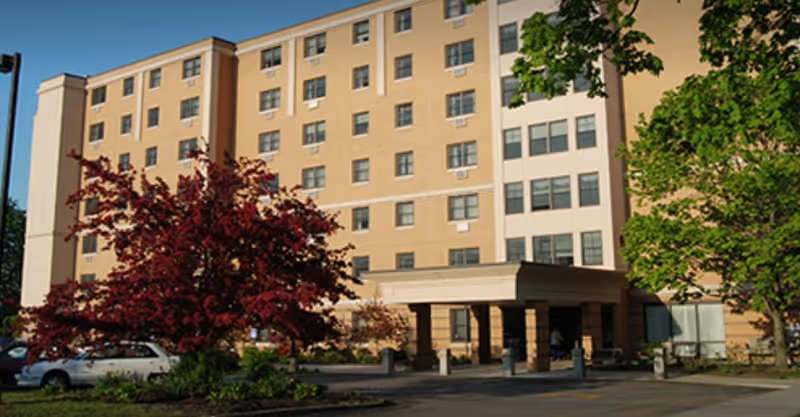
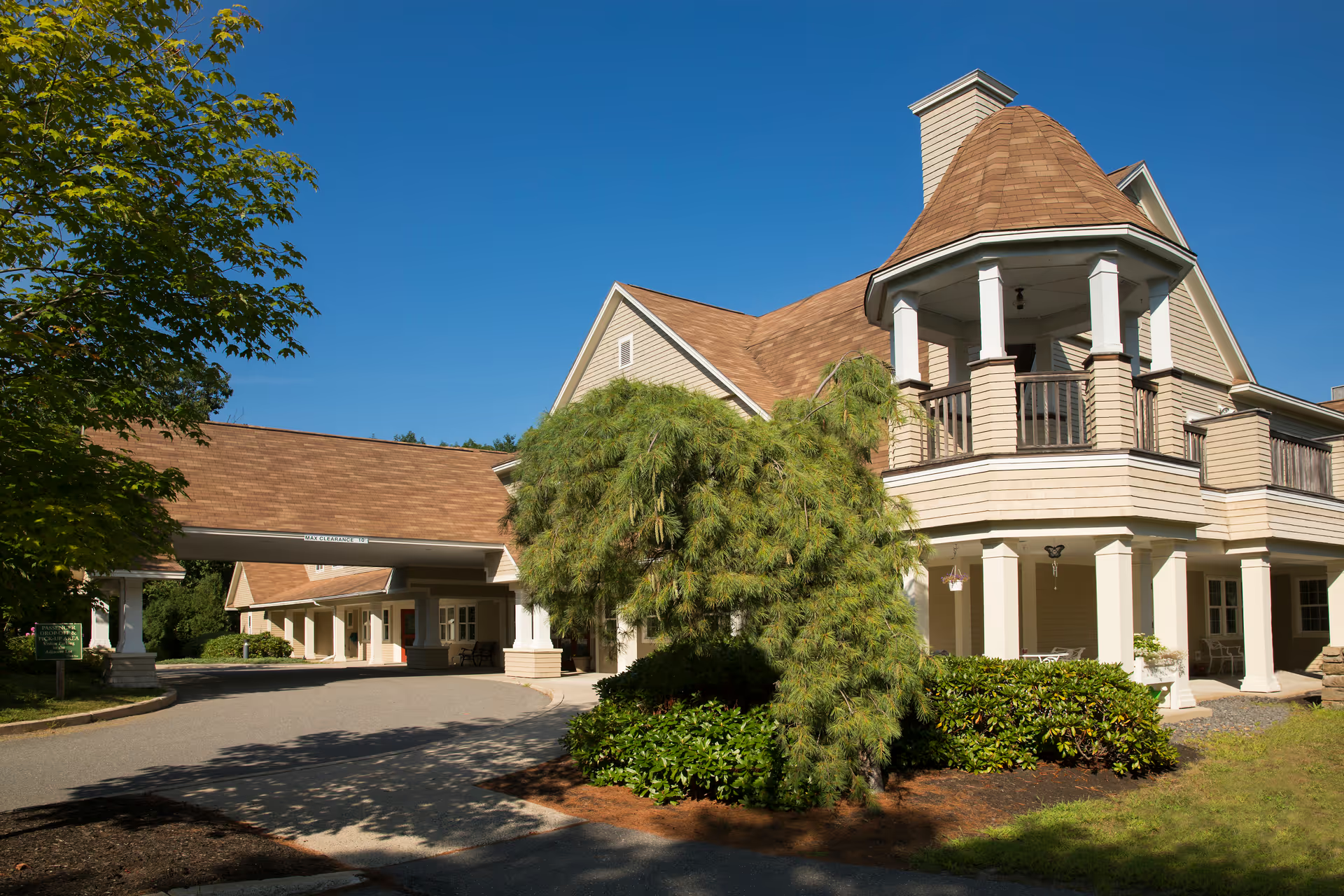
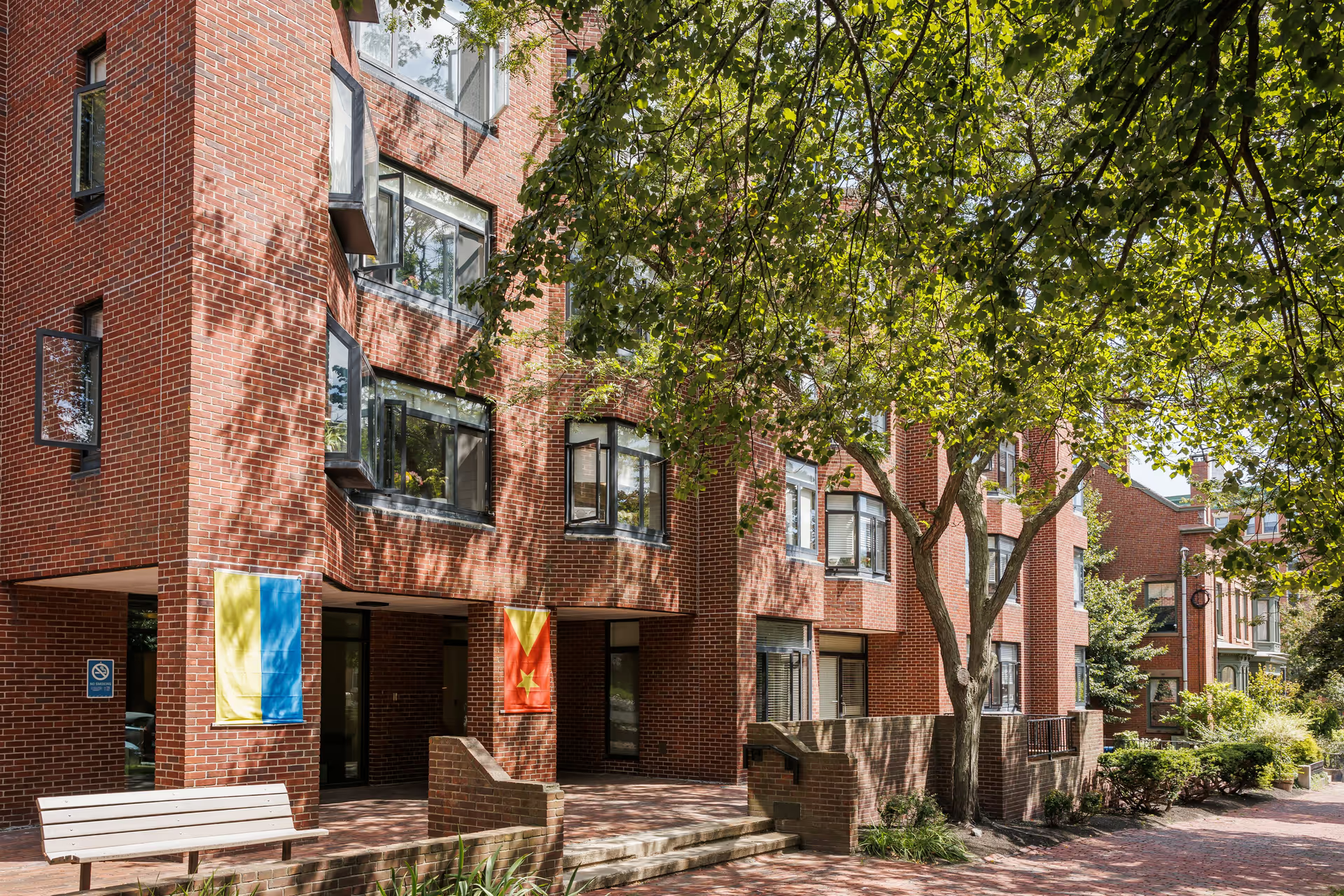
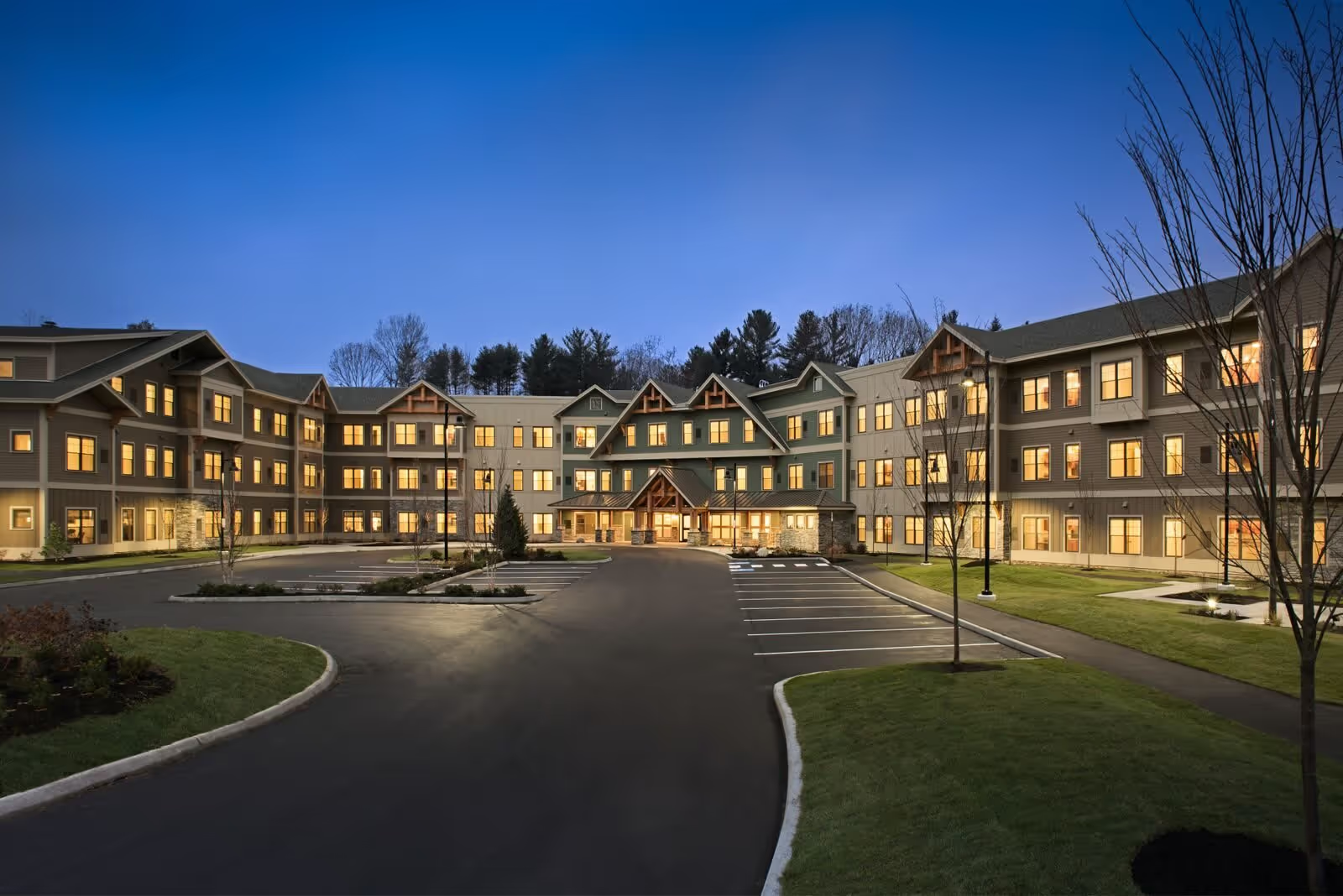
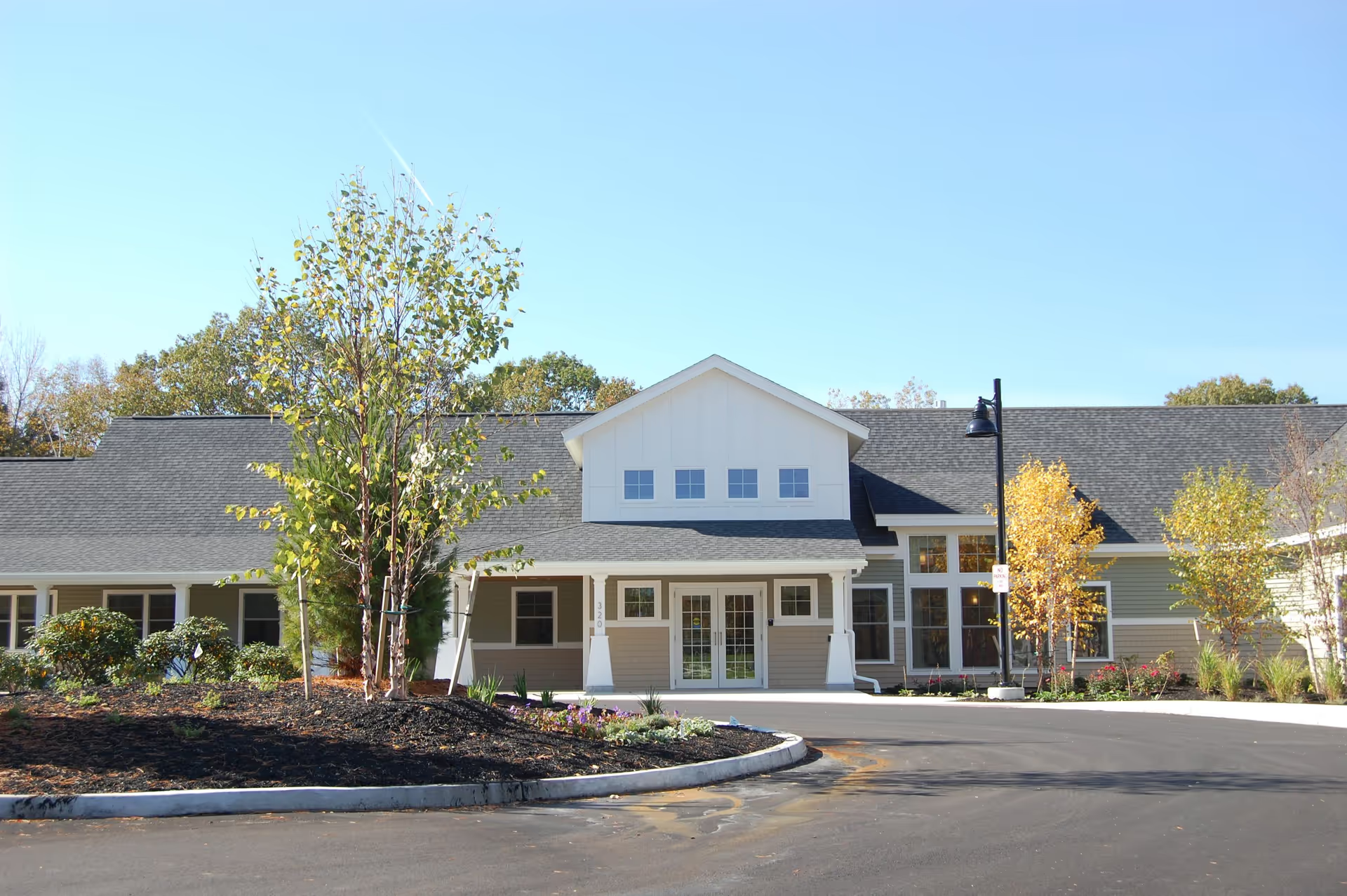
The Cedars presents a mixed profile in these reviews: the campus, physical plant, and rehabilitative capability receive frequent praise, while several operational and administrative areas show recurring weaknesses. Families and residents often describe a campus with newer buildings, well-kept grounds, clean interiors, and comfortable apartments. The short-term rehabilitation program and mobility-focused assisted living options are frequently highlighted as strengths, with many residents achieving positive therapy outcomes and smooth transitions from hospital to facility.
Direct-care staff, including CNAs and many nurses, are commonly described as caring, attentive, and skilled. Multiple accounts emphasize individualized care plans, respectful interactions, and successful short-term rehab experiences. When care coordination is strong, reviewers note timely updates, proactive communication from designated care coordinators, and collaborative planning with physicians and families. Activities and social programming are available and contribute to a sense of community for many residents.
However, a persistent theme across reviews is staffing variability. Chronic understaffing and slow responses to call bells or care requests are cited repeatedly and linked to delays in assistance, perceived inattentiveness, and uneven coverage across shifts. Several families expressed concerns about the facility's approach to end-of-life care, including gaps in palliative-care education for staff, inconsistent pain-management protocols, and limitations on certain medications or routes of administration. A few families arranged transfers to alternative hospice or pain-management settings when they judged symptom control inadequate.
Administrative and management practices also show variability. Strengths at the frontline level are contrasted with critiques of administration: billing disputes, unclear pricing, delayed follow-up on concerns, and instances of poor communication or misinformation from care coordinators or front-desk staff. Discharge-planning and transport coordination emerged as an operational weakness in some accounts, including coordination choices that families felt were inappropriate for higher-acuity needs. Reviewers also described occasional privacy and dignity process lapses, inconsistent dining quality, and concerns about differential treatment of residents on public insurance.
Taken together, the pattern is one of a facility with substantial clinical and environmental assets tempered by operational risks related to staffing, clinical protocols for complex or end-of-life needs, and administrative reliability. Prospective residents and families would benefit from asking specific, operational questions during tours: current staffing ratios by shift, protocols for pain management and palliative care, discharge and transport policies, billing and pricing transparency, procedures for resident privacy and dignity, and examples of how the facility supports publicly insured residents. These targeted inquiries can help determine whether The Cedars' strengths align with a particular resident's clinical needs and family expectations.