Overall impression: Pine Point Center elicits a mixed set of experiences. Positive accounts emphasize compassionate bedside staff, a strong therapy/rehab program, attractive marsh views and generally clean, comfortable common areas and rooms. At the same time, several operational and clinical-process weaknesses recur across accounts and merit careful consideration by prospective residents and families.
Care and staff: Many families praise CNAs, nurses, and therapy staff for patience, kindness, and measurable rehab progress. The facility's PT/OT teams are repeatedly described as effective, and short-term rehab stays often include clear therapy goals and encouraging outcomes. However, reviews also describe operational inconsistencies: variable staffing levels (notably on nights and some weekends), slow response times to assistance requests and call bells, and concerns about medication administration and clinical monitoring. There are isolated but serious case-level concerns referenced, including delayed acute-care actions and a protective-services inquiry; these signify the need for families to confirm current clinical oversight, handoff procedures, and escalation protocols before admission.
Dining and activities: Dining is a relative strength for many residents: reports of hot meals, variety, and pleasant dining service appear alongside frequent praise for certain menu items. Conversely, there are intermittent accounts of missed meals, inconsistent meal service, and uneven food quality. Activity and recreation staff receive positive mention for engaging residents; availability and usage appear to vary by resident ability and program enrollment.
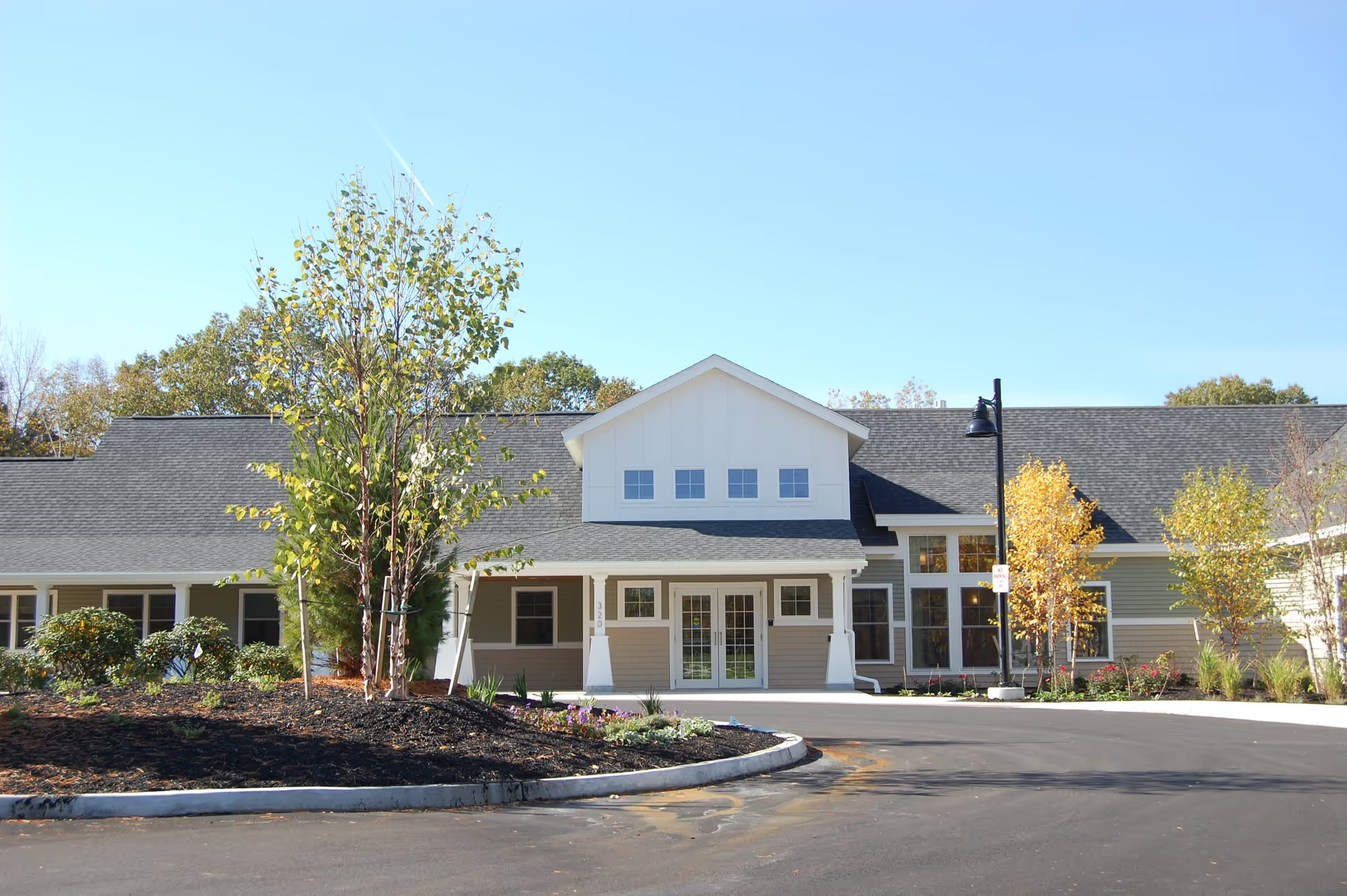
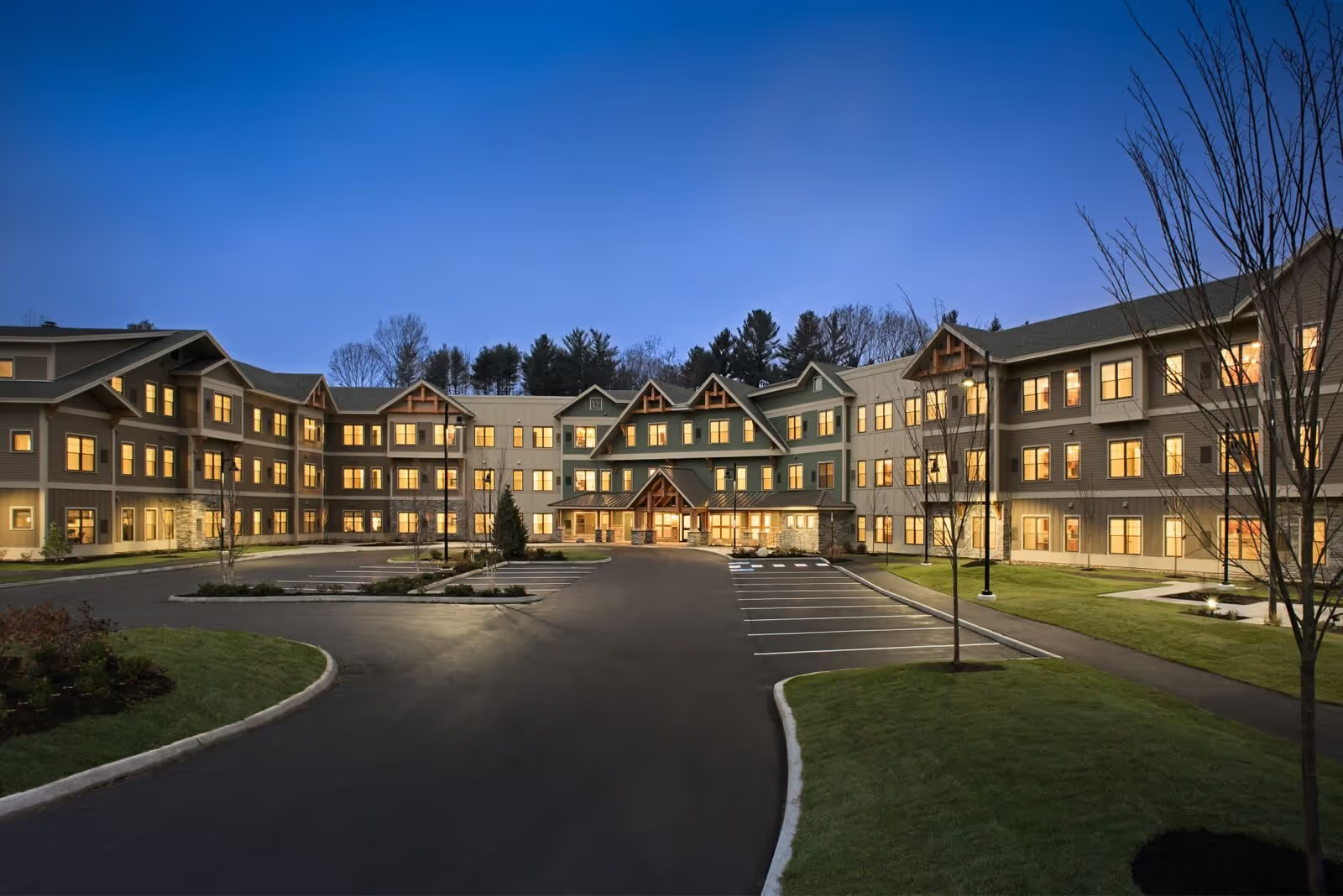
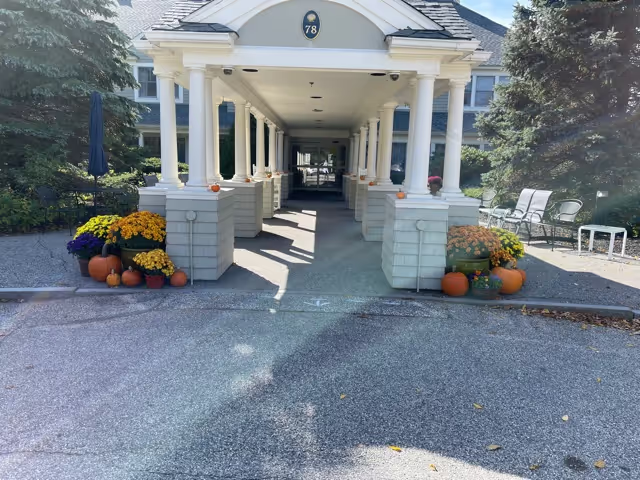
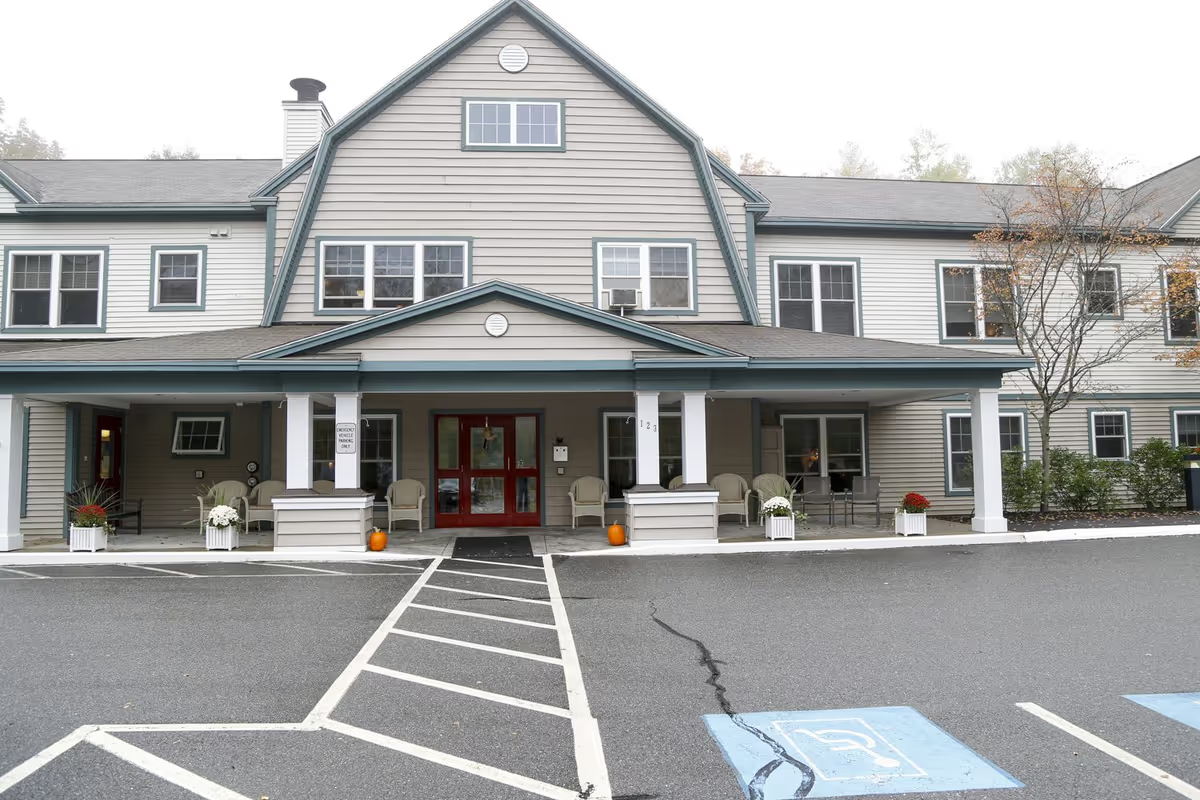
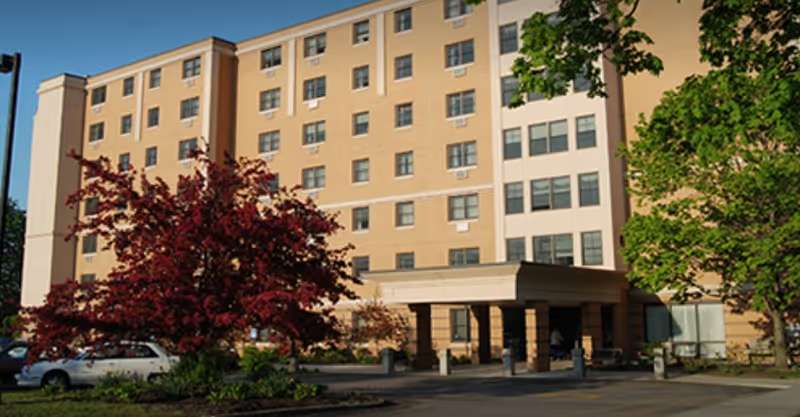
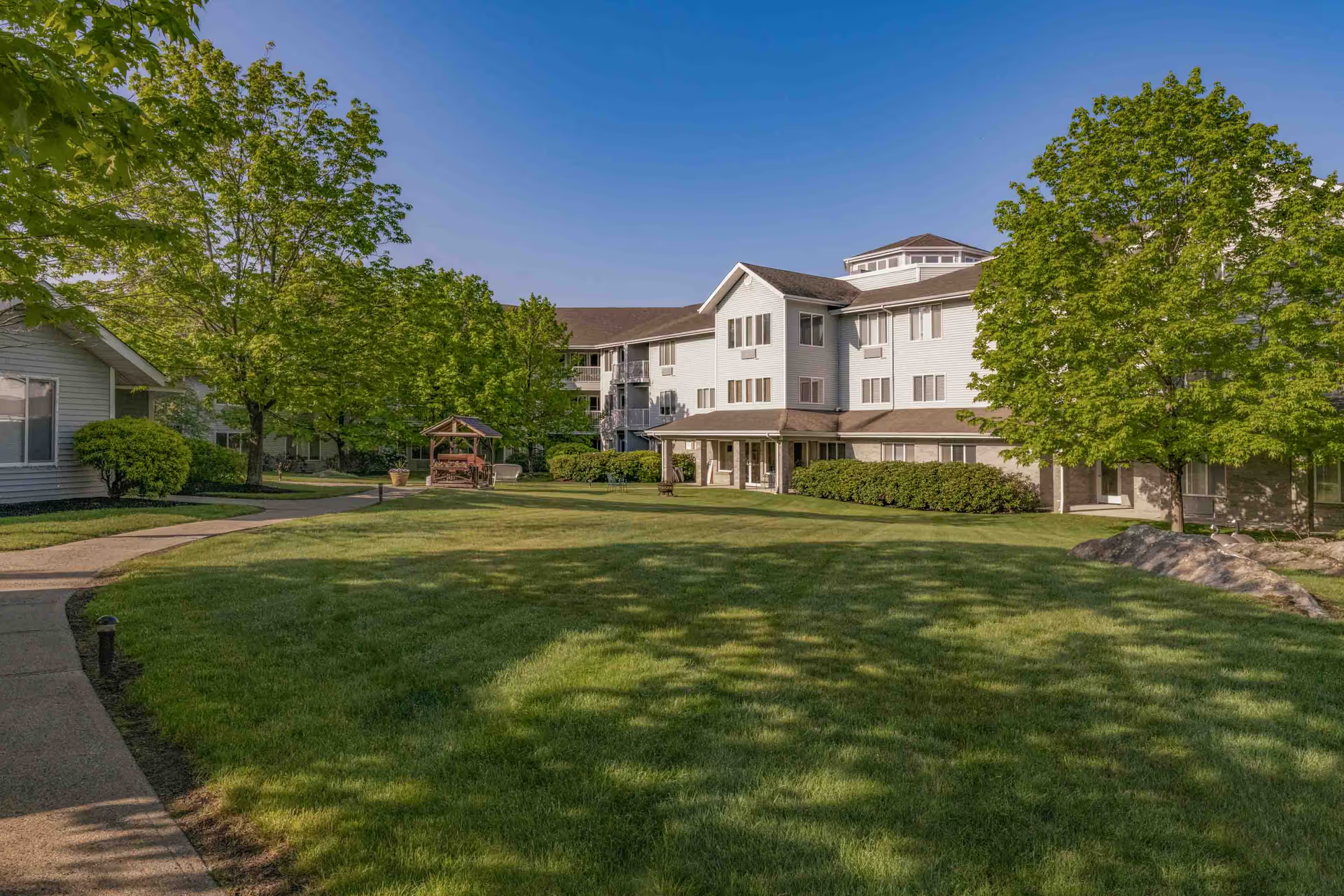
Facilities and safety: The campus, grounds, and many rooms are described as clean, well-kept, and comfortable, with positive comments about views and communal spaces. At the same time, several reviews raise sanitation and hygiene variability across units and note that some rooms and layouts are not optimally configured for mobility aids, which can affect transfer safety and independence. Prospective families should assess room accessibility and the facility’s fall-prevention measures during tours.
Management, communication, and operations: Experiences with administration and case coordination are inconsistent. When case coordinators and clinical leadership are engaged, families report clear plans and good communication. Other accounts describe difficulty reaching management, delayed or incomplete information-sharing, billing concerns, and limitations on resident phone access. Therapy scheduling and discharge planning appear well-managed in many cases but show gaps in others; confirm expectations for daily therapy frequency, clinician availability, and discharge timelines prior to admission.
Notable patterns and recommendations: The dominant positive pattern is strong rehabilitation capability and many caring direct-care staff, which can make the facility appropriate for short-term rehab needs. The dominant negative pattern is operational inconsistency—staffing variability, responsiveness delays, communication shortfalls, and occasional sanitation or medication issues—that may affect long-term care reliability. Families considering Pine Point should arrange to speak with the therapy team, review staffing patterns for the intended unit and shift, clarify medication-safety and escalation protocols, confirm meal-service expectations, and inquire about recent regulatory or protective-services findings. A facility tour that includes observation of meal service, therapy sessions, and a review of a typical shift roster will help validate which elements are currently consistent and which may require ongoing family advocacy.