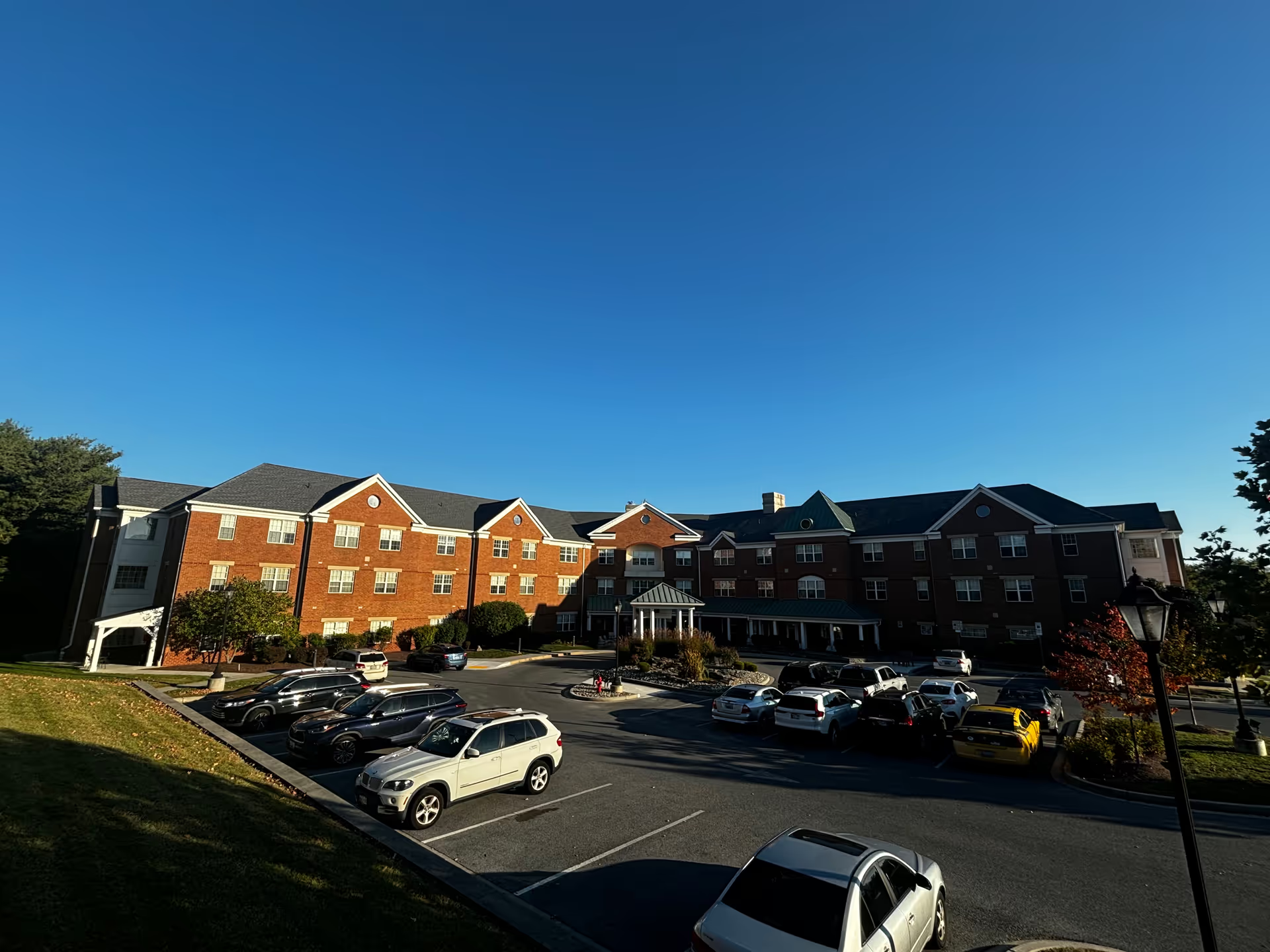
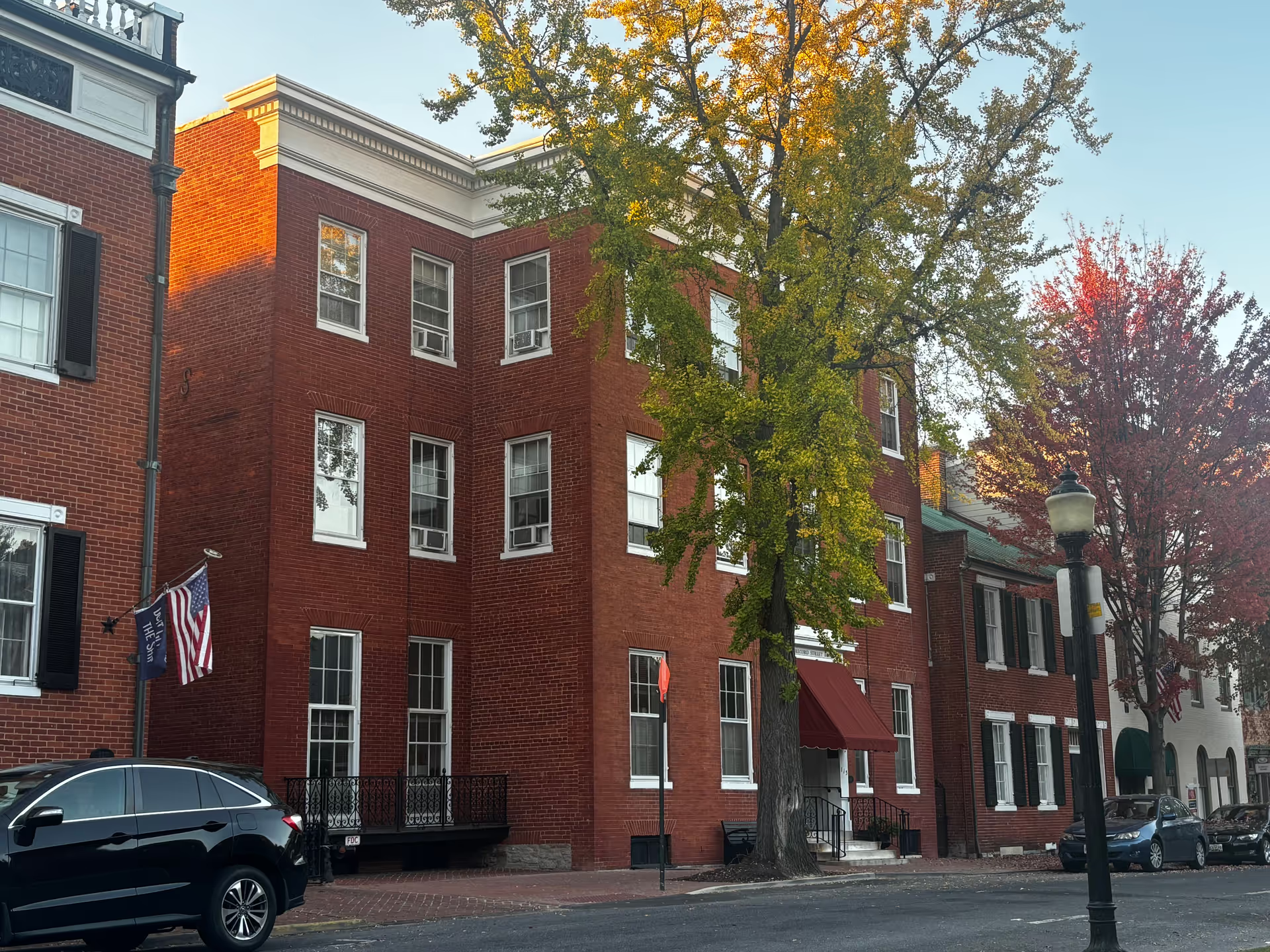
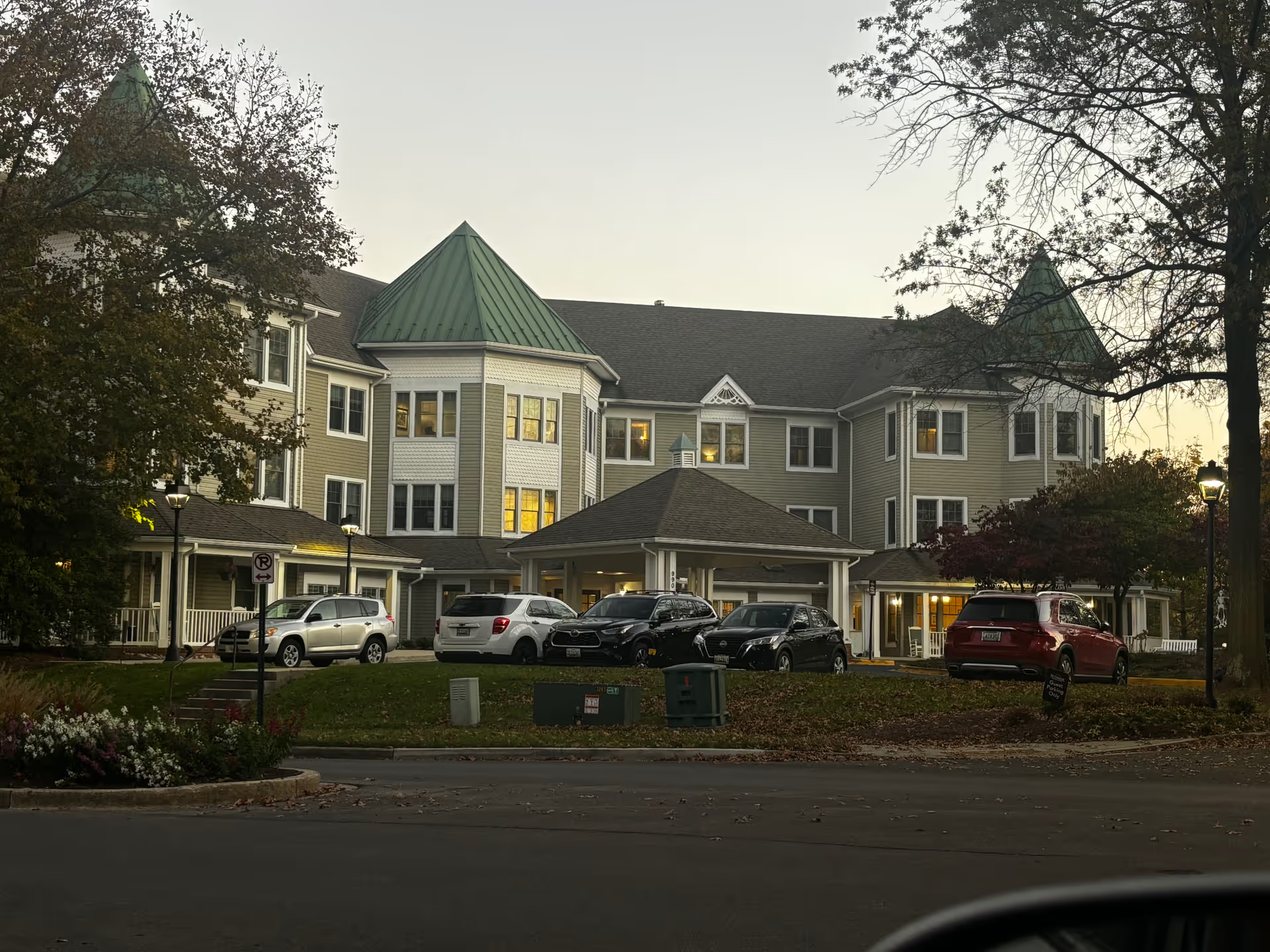
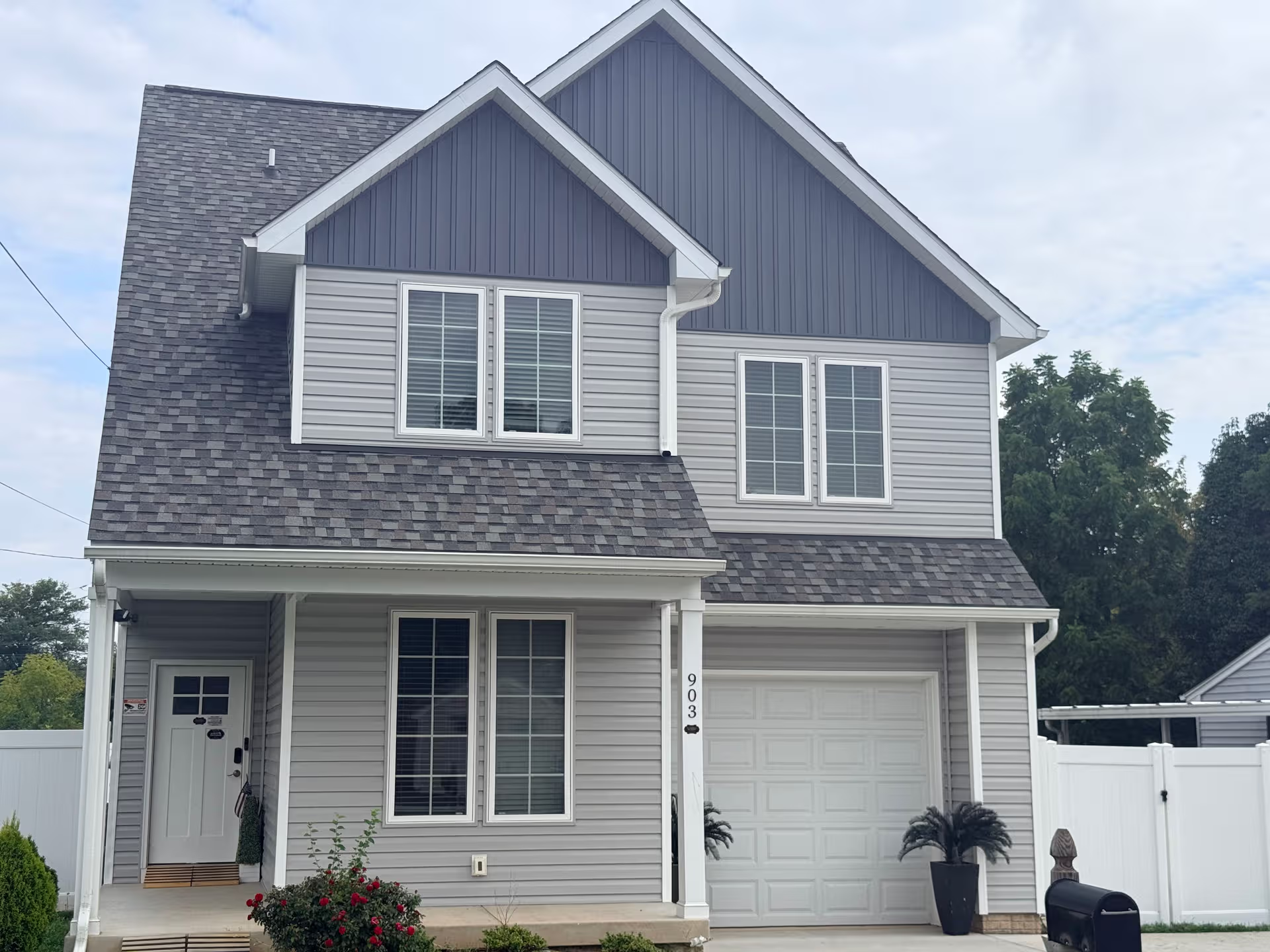
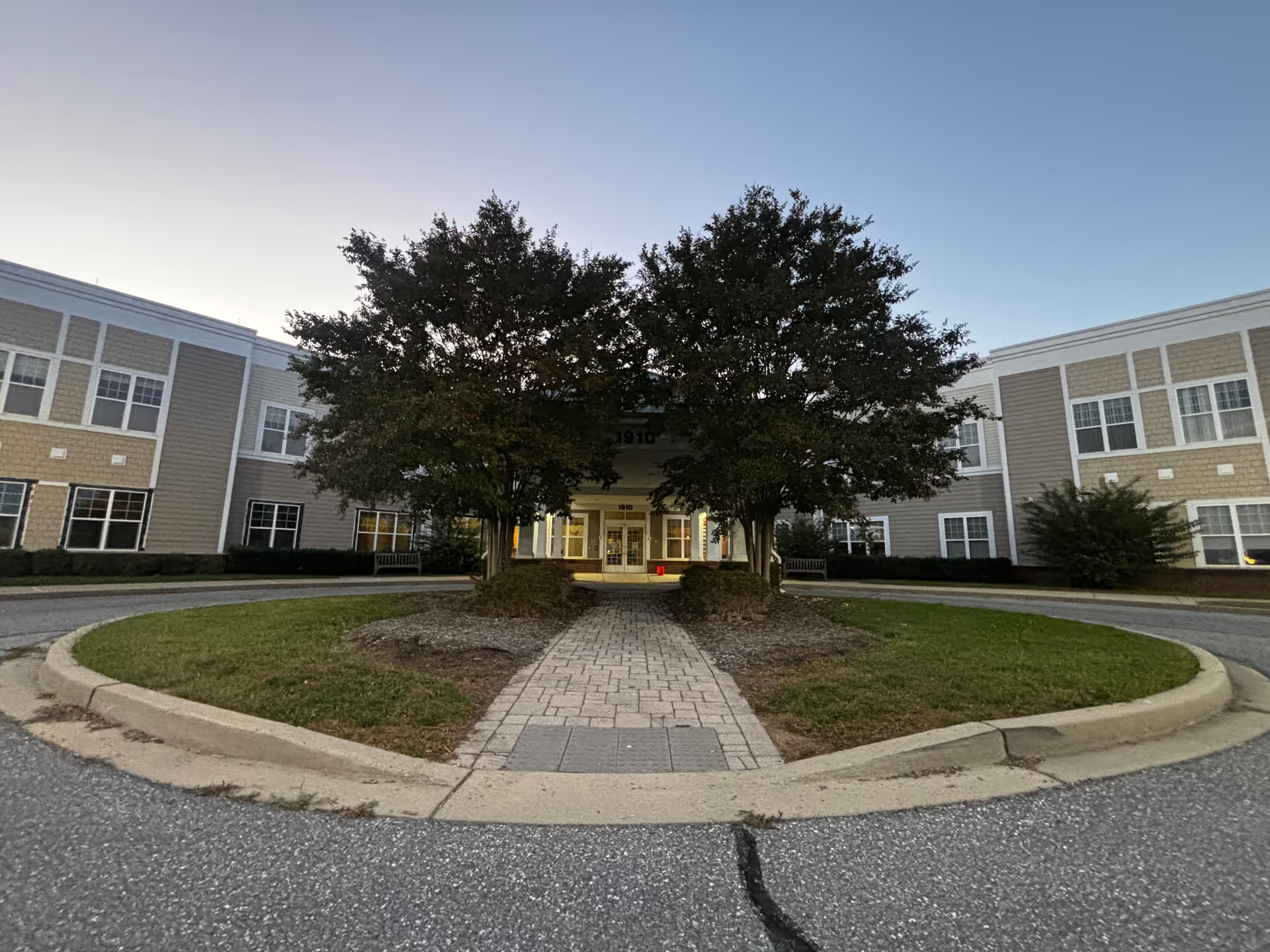
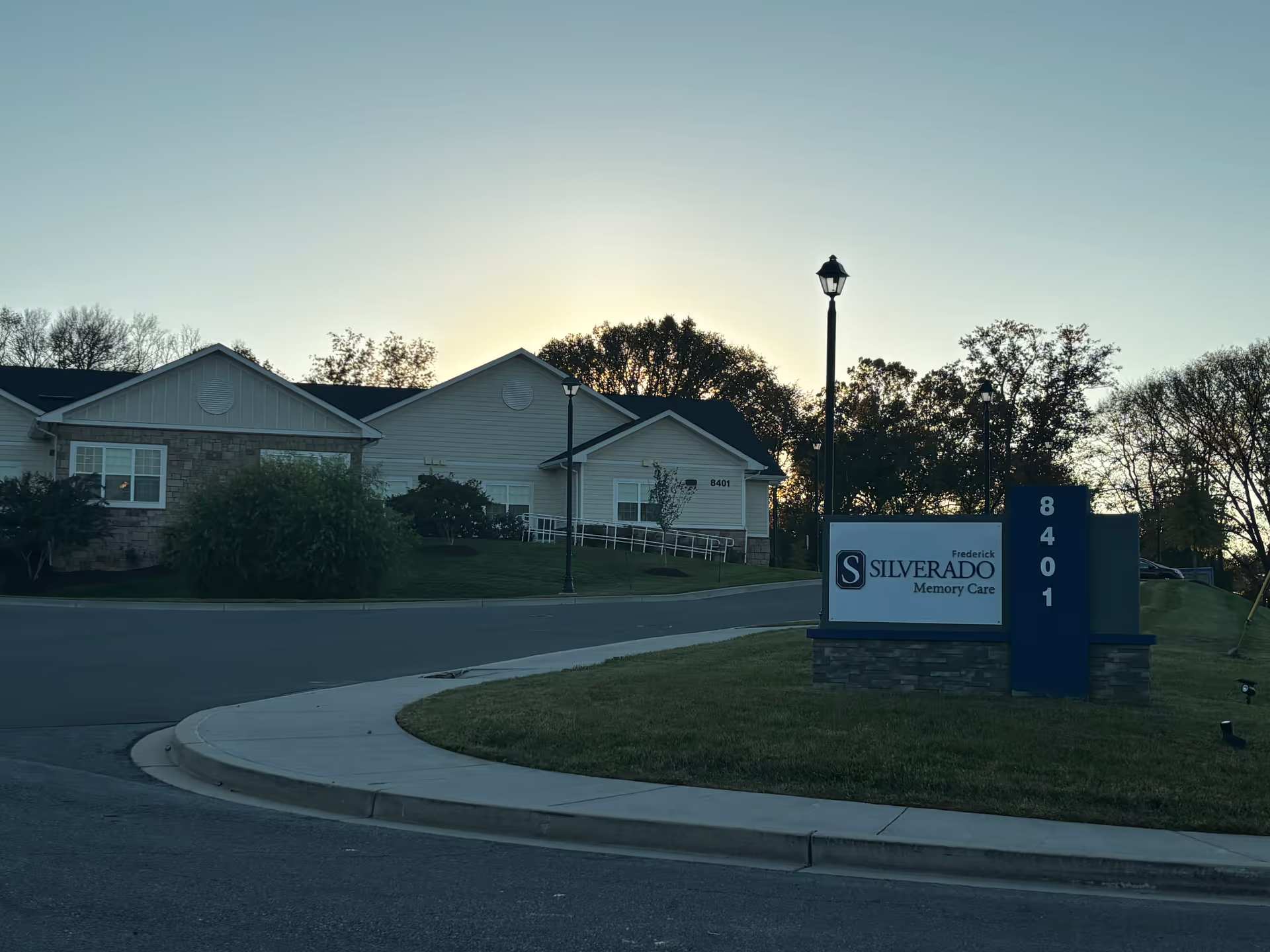
Buckingham’s Choice offers independent living, assisted living, and nursing-care options, with apartments and cottages on a landscaped campus. Residents and visitors describe attractive, well-kept buildings and grounds, a quiet rural setting, and access to major routes and nearby services. Amenities cited include a pool, gym, gardens, salon, chapel, coffee shop, and organized activities. Some families value the option to add care as needs change, including task-based assistance that may support continued independence.
Care experiences vary by resident and care setting. Positive accounts describe staff who are attentive, familiar with residents, and willing to help, with families feeling reassured by the support provided. Other accounts raise concerns about responsiveness, staffing, supervision, and personal-care follow-through, particularly in the infirmary or higher-acuity areas. One family also questioned the effectiveness of room-entry safeguards after a resident experienced an unwanted boundary violation involving another resident. Separate concerns relate to rehabilitation progress, discharge timing, and support for chronic pain; these are individual accounts rather than a consistent pattern established across the reviews.
Dining is a notable strength in some accounts: visitors praise the menu, presentation, food choices, and dining rooms, and some residents enjoy meals as a social part of the day. However, other accounts describe declining or inconsistent food quality, portion sizes, and nutritional balance. One family also reports that reservation procedures made restaurant access difficult for an older resident. Prospective residents may want to sample meals and ask how reservations, alternate dining options, and nutritional needs are handled.
Reviewers often praise the range of activities, including exercise, dance, games, trips, guest speakers, and gardening. A contrasting account from a higher-acuity area describes limited engagement during parts of the day, suggesting that activity access may differ by care setting and resident needs. Several accounts also describe service changes after management transitions, including reduced responsiveness to concerns. Costs and entrance fees are not consistently clear in the reviews; one estate-related account raises a concern about delayed release of funds and difficulty obtaining updates. Another individual account questions changes to security staffing, while a transport-related complaint describes unprofessional communication and obstructive vehicle stops. These concerns are not corroborated across the reviews, but families may wish to ask directly about management escalation channels, security practices, care staffing, financial terms, and transportation procedures.