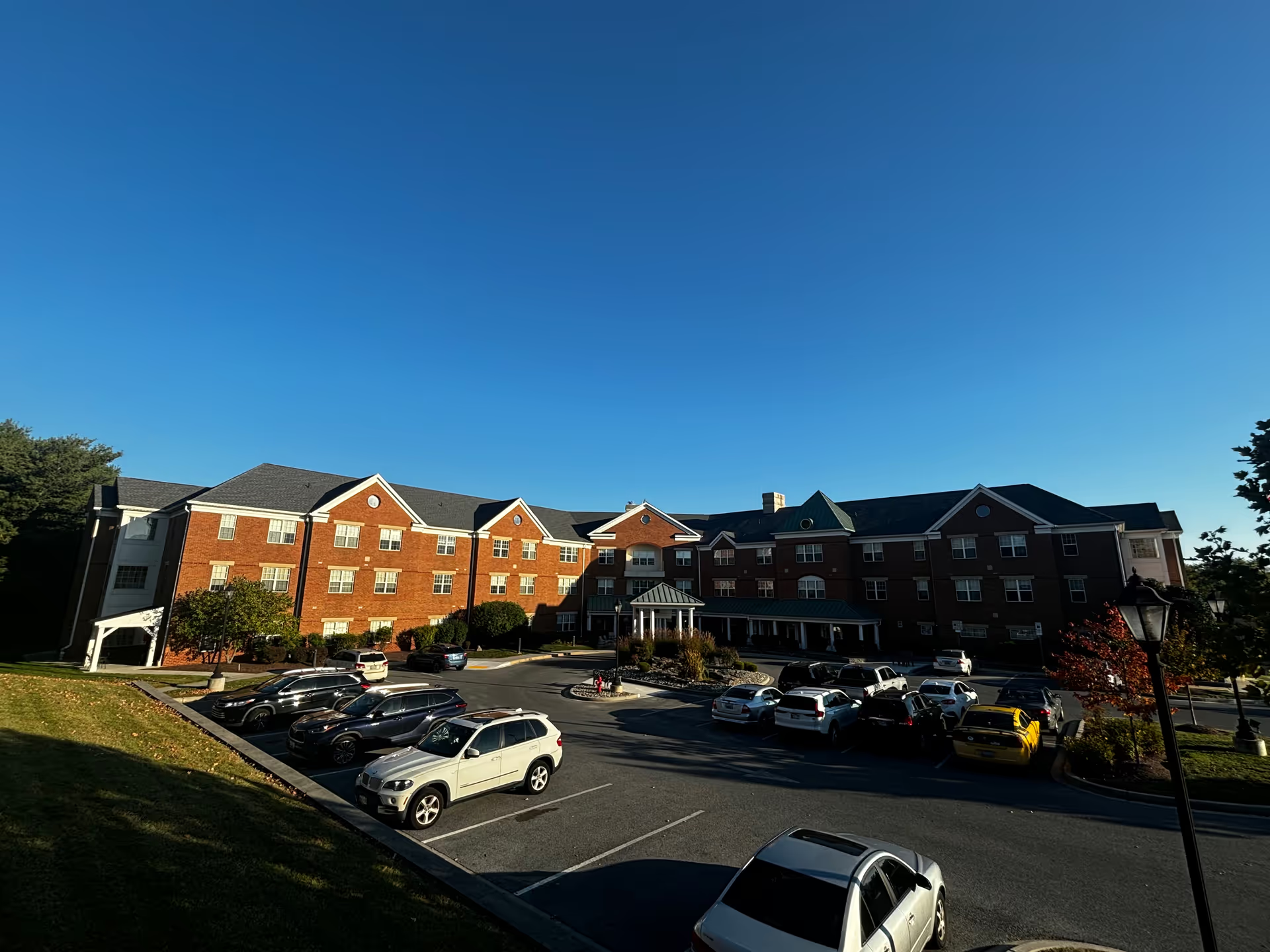
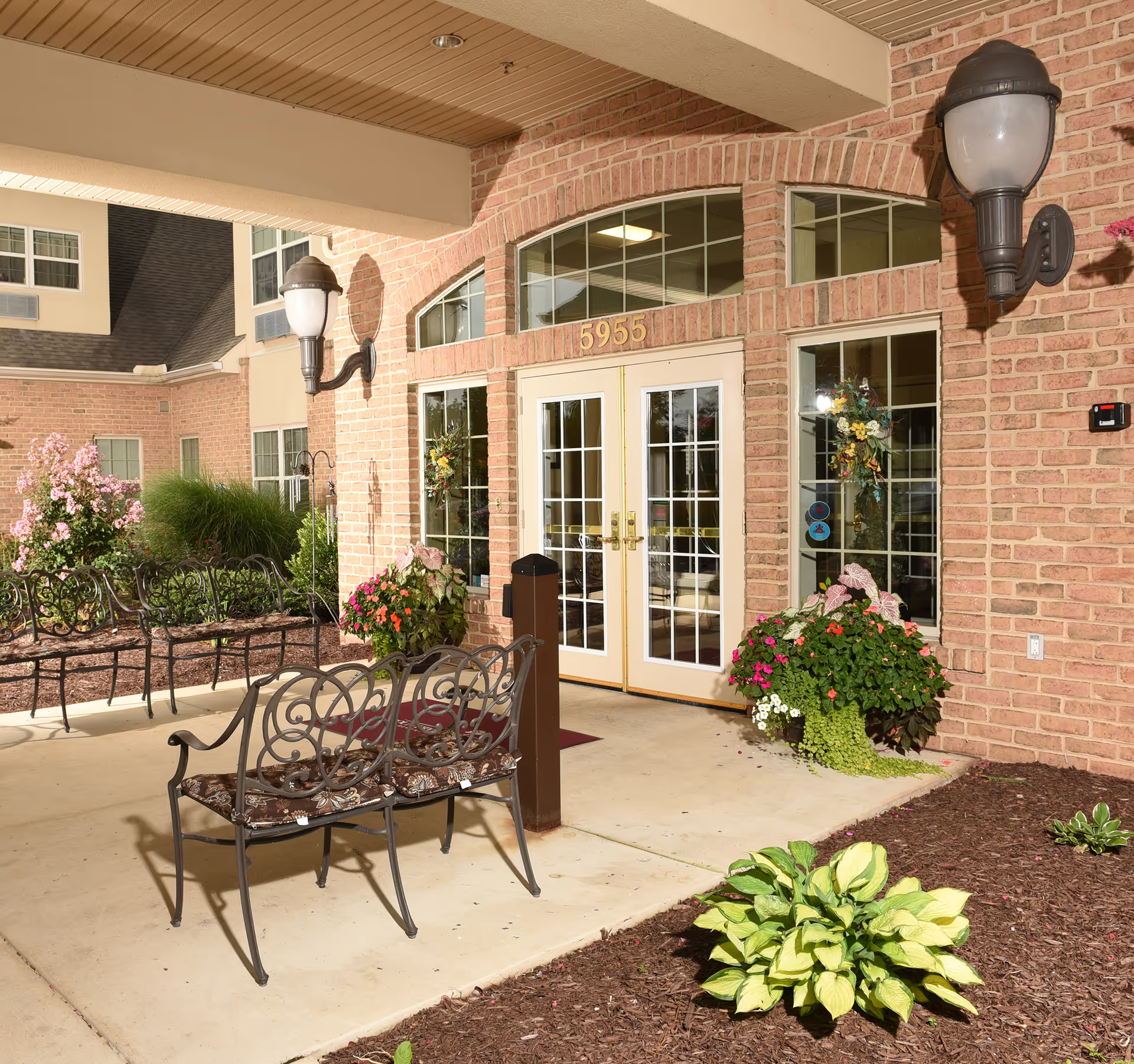
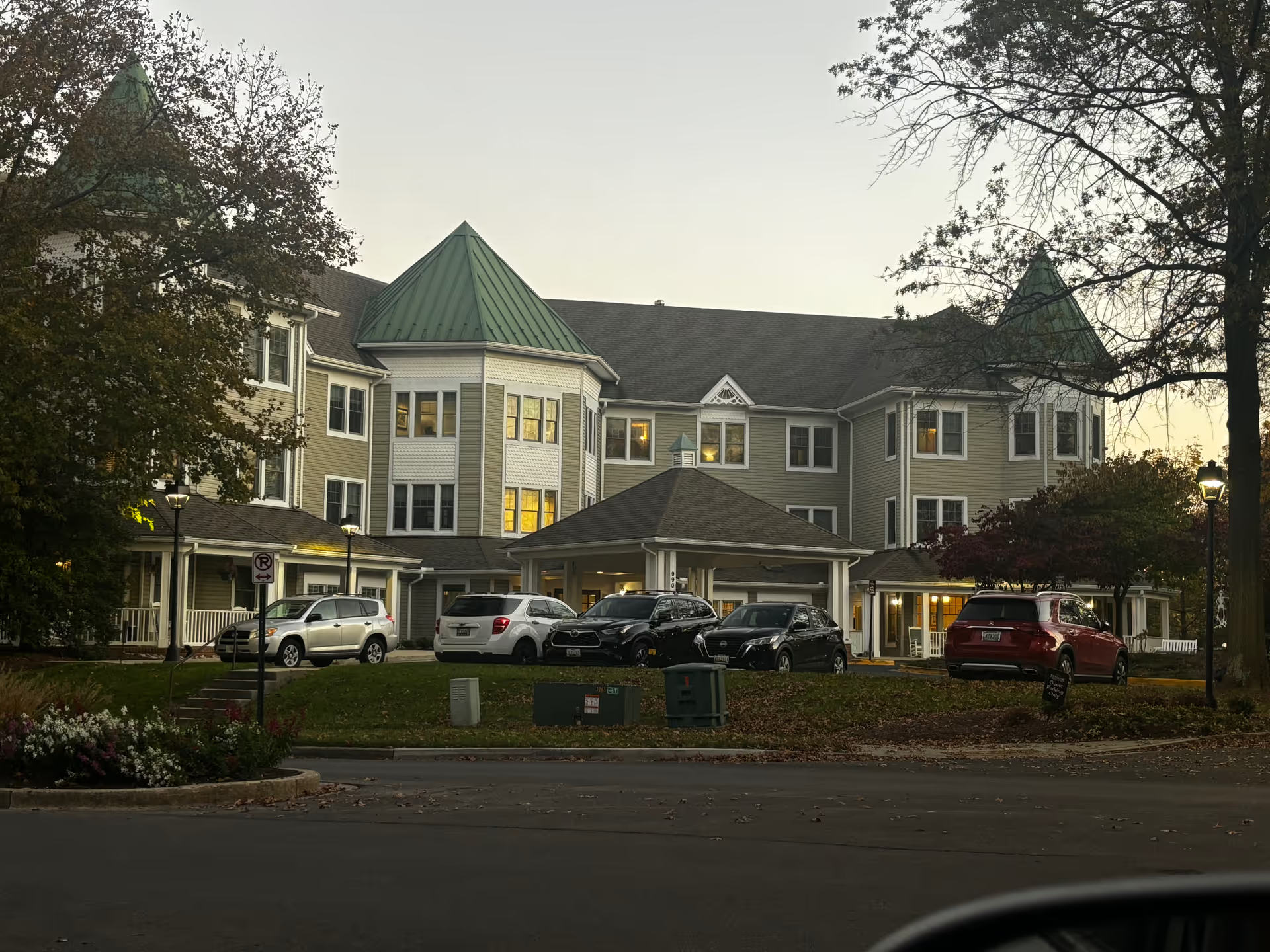
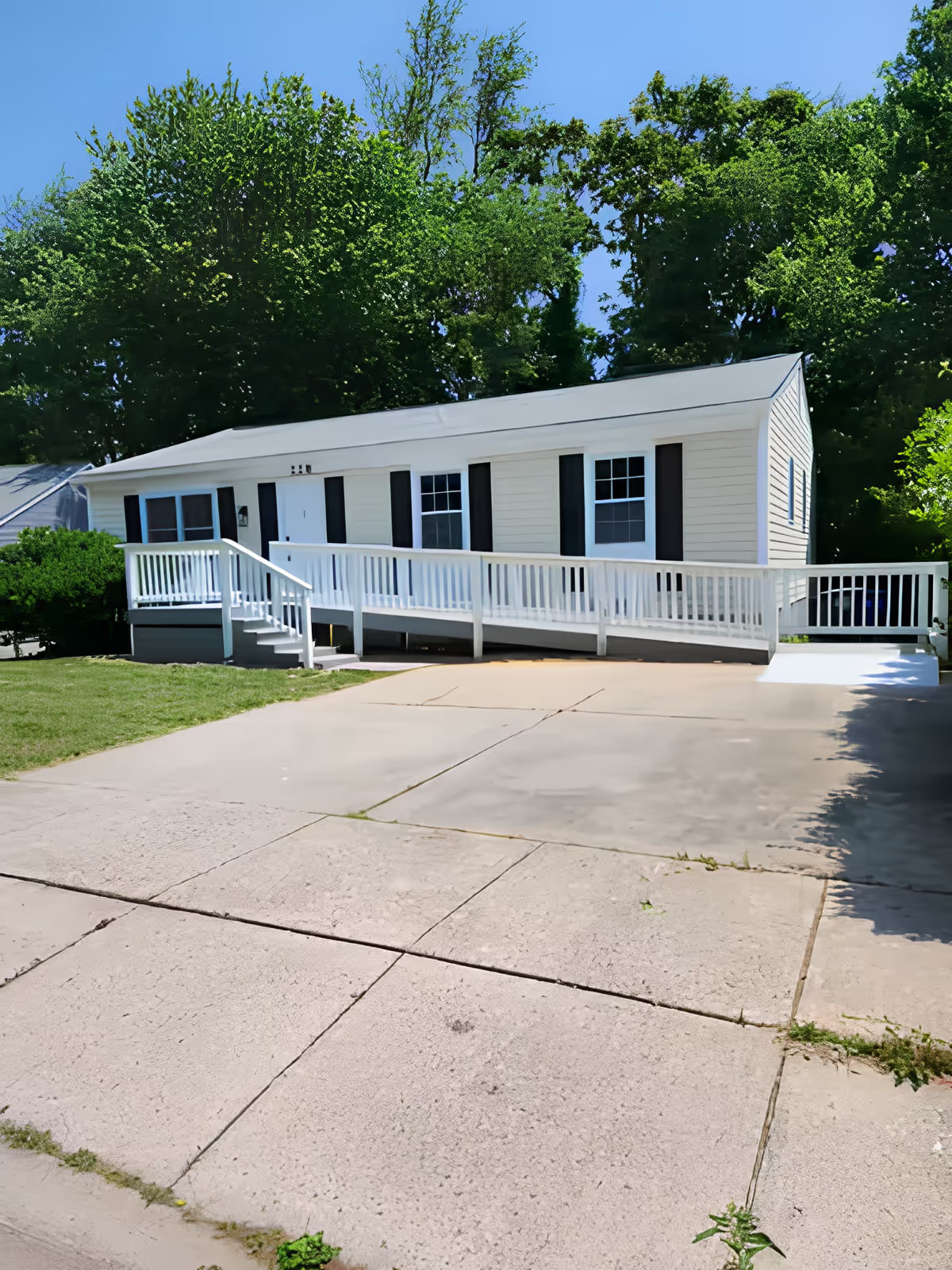
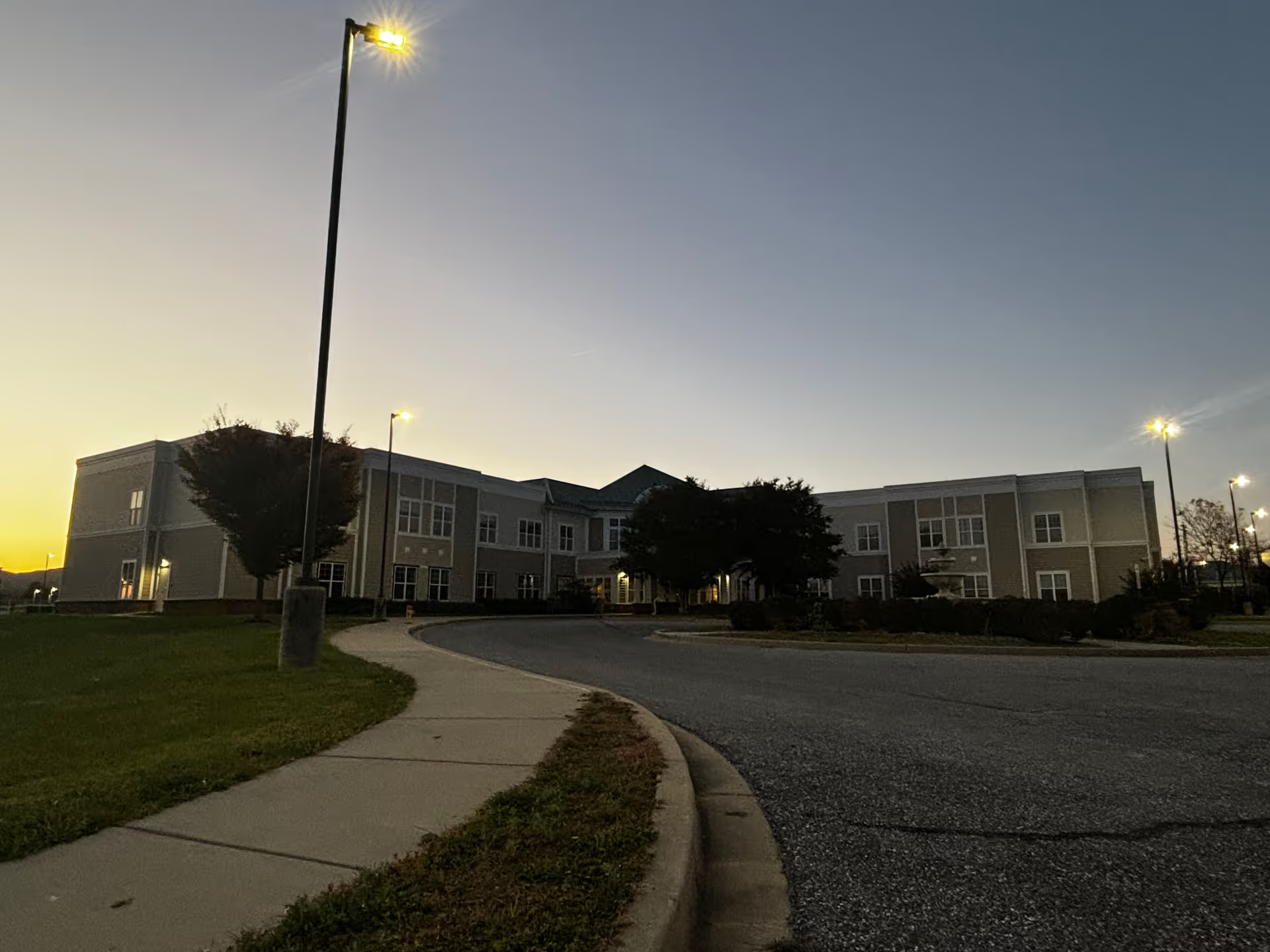
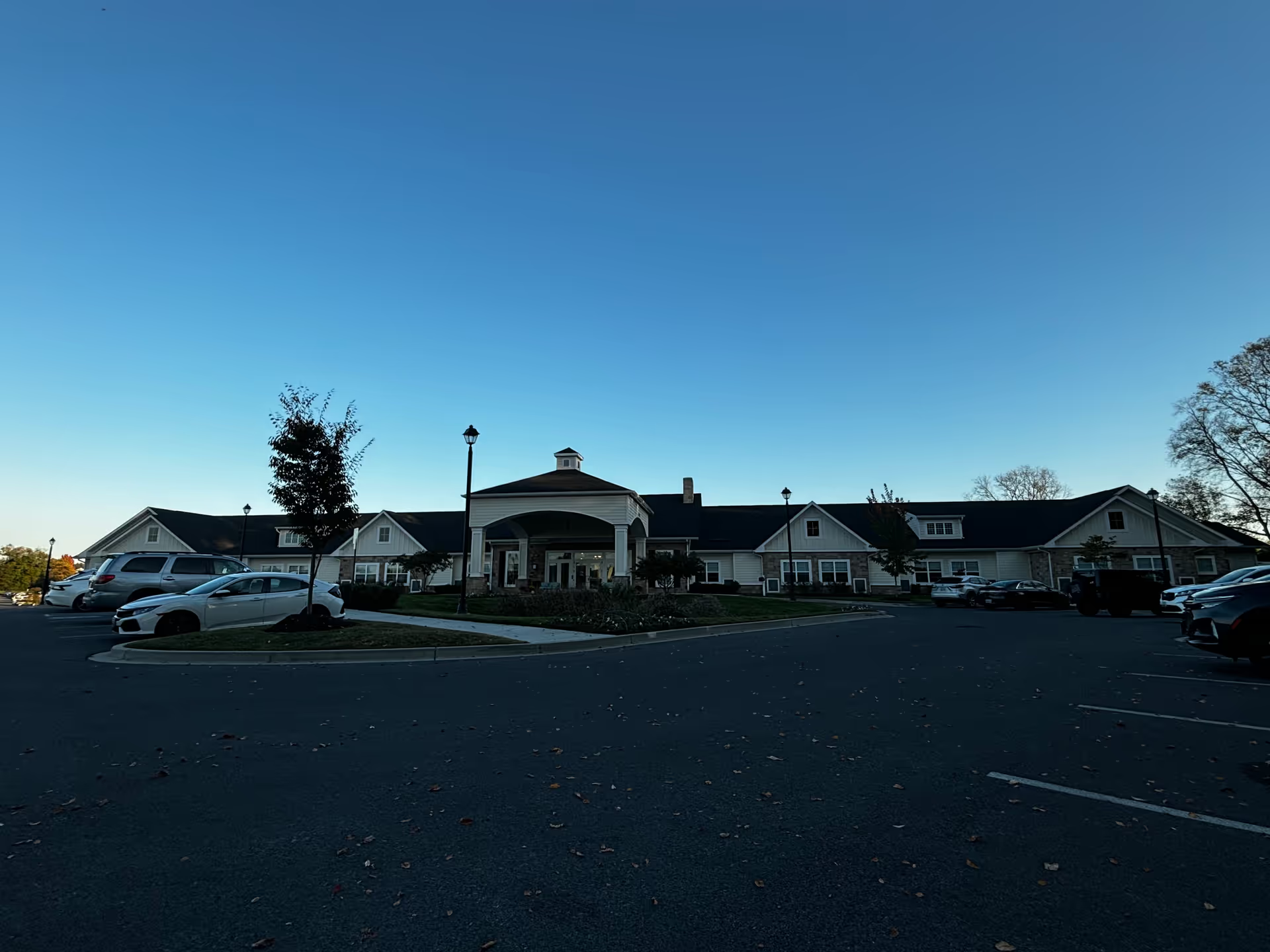
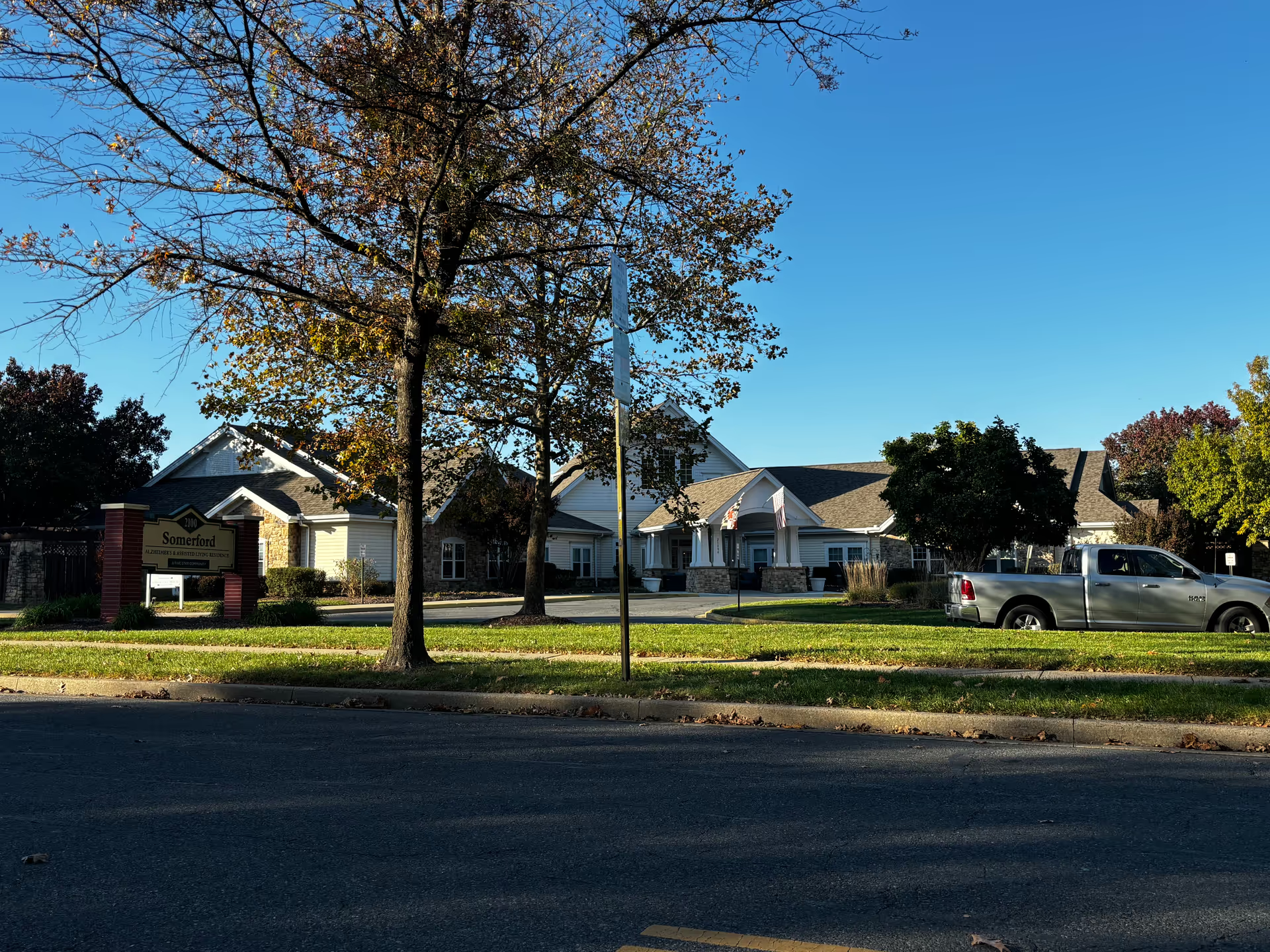
Spring Arbor of Frederick is consistently described as a modern, well-maintained assisted living and memory-care community with a hotel-like feel. Physical spaces and amenities are frequently praised: spacious apartments and suites, single-floor circulation, multiple common rooms (dining room, library, activity and movie rooms), outdoor areas, and accessible transportation for medical appointments. The facility’s design and cleanliness are recurring strengths, and many families cite the property’s upkeep, curb appeal, and contemporary finishes as distinguishing features.
Staffing and clinical care generate strong, positive impressions alongside some clear caveats. Numerous families describe staff as compassionate, attentive, and proactive — with helpful front-desk personnel, attentive med techs, and good coordination with hospice and on-site therapy services. There are several references to effective medical monitoring, PT set-up, and therapists visiting residents. At the same time, reviewers describe variability in staff skill and responsiveness and identify specific operational weaknesses: inconsistent staffing levels (especially in memory care), gaps in nursing leadership or oversight, slower responses to call requests, and concerns about transfer procedures. These patterns suggest that while care quality can be high, performance may depend on staffing mix and supervisory consistency on a given shift.
Dining, housekeeping, and related support services tend to earn favorable comments. Many families appreciate menu variety, accommodating substitutions, and occasional high points in kitchen offerings. Housekeeping and maintenance are often described as responsive and thorough. Nevertheless, there are recurrent notes about inconsistent meal temperature/service and variability in housekeeping frequency; a small number of families flagged lukewarm meals or a cadence of servicing that felt insufficient for their expectations. Prospective residents should confirm meal-service routines and cleaning schedules during a tour.
The activity program is a clear strength: a broad calendar that includes music therapy, piano performances, scenic outings, organized trips, and intergenerational or family events. These offerings contribute to an active community atmosphere. However, some families expressed that memory-care residents are not always fully included in larger community events and that activity options could be more tailored to residents with advanced memory impairment or older physical profiles. If inclusive programming for memory-care residents is a priority, ask for specific examples and observe an activity period.
Management and administrative operations show mixed signals. Positive experiences include smooth move-ins, effective family communication, and responsive marketing or supervisory staff. Conversely, some reviewers noted administrative confusion at the front desk, coordination problems following management transitions, and concerns about pricing transparency — including annual increases and penalties perceived by longer-term residents. These issues point to episodic organizational disruptions rather than facility-wide deficits, but they are meaningful to families weighing long-term placement.
Overall, Spring Arbor of Frederick is likely to appeal to families seeking a contemporary, activity-rich community with attentive, warm staff and strong physical amenities. Those considering the community should: evaluate staffing levels and nursing oversight during different shifts (particularly in memory care), observe meal service and housekeeping practices, clarify pricing and increase policies in writing, and review activity inclusion for memory-care residents. A focused tour that includes a meal, an activity, and conversations with clinical leadership will help determine whether the facility’s strong attributes align with a particular resident’s care and safety needs.