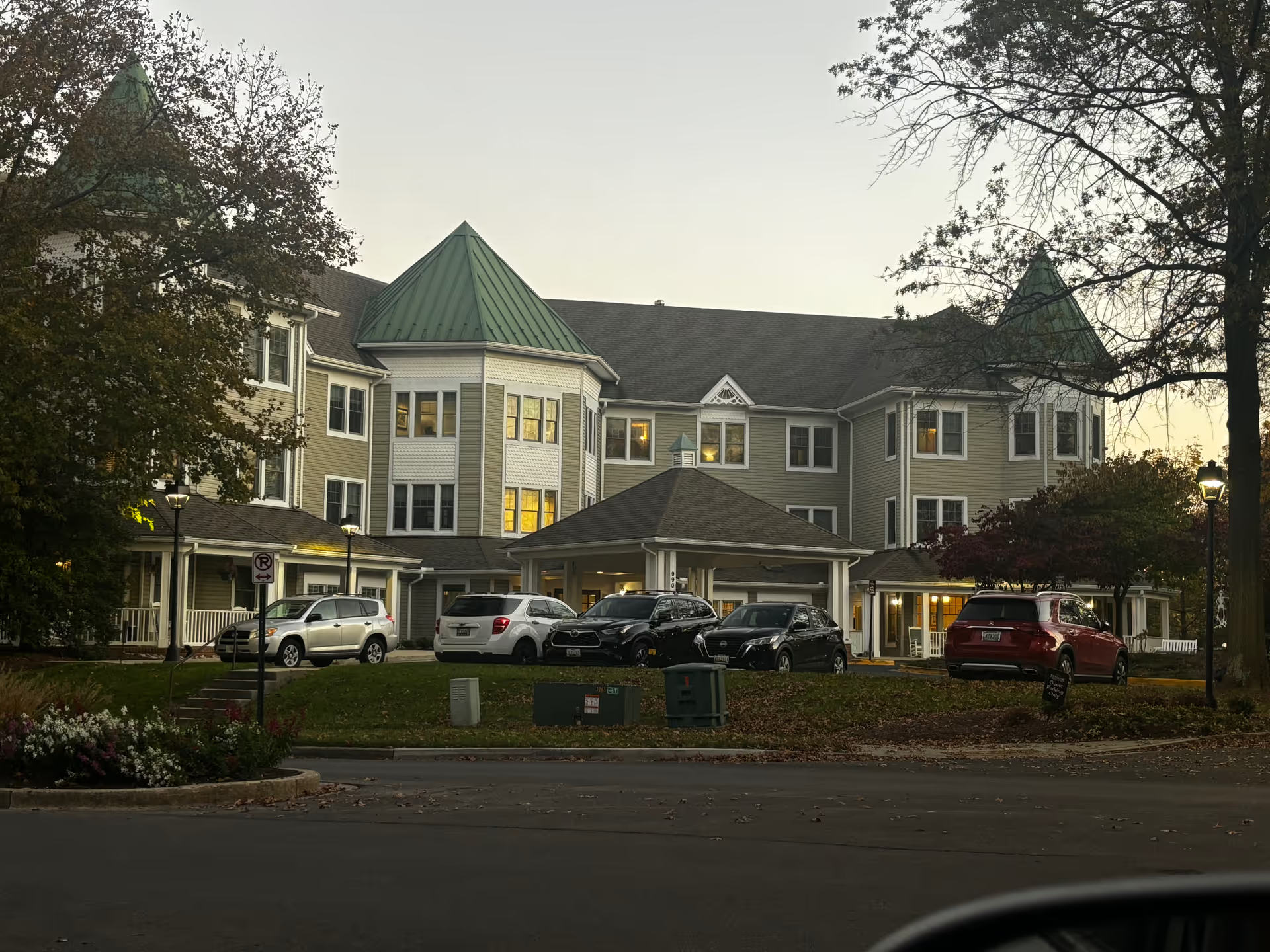
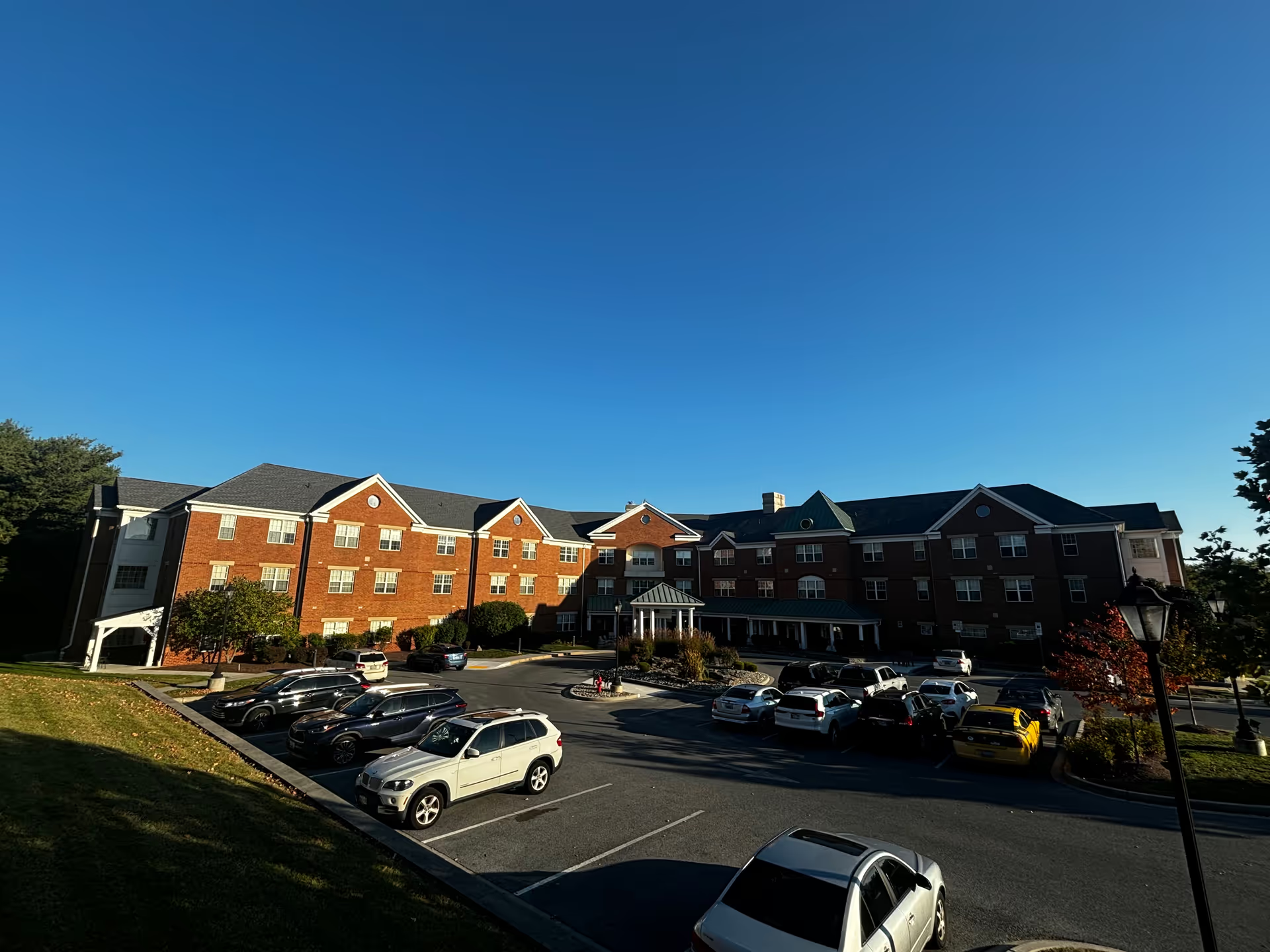
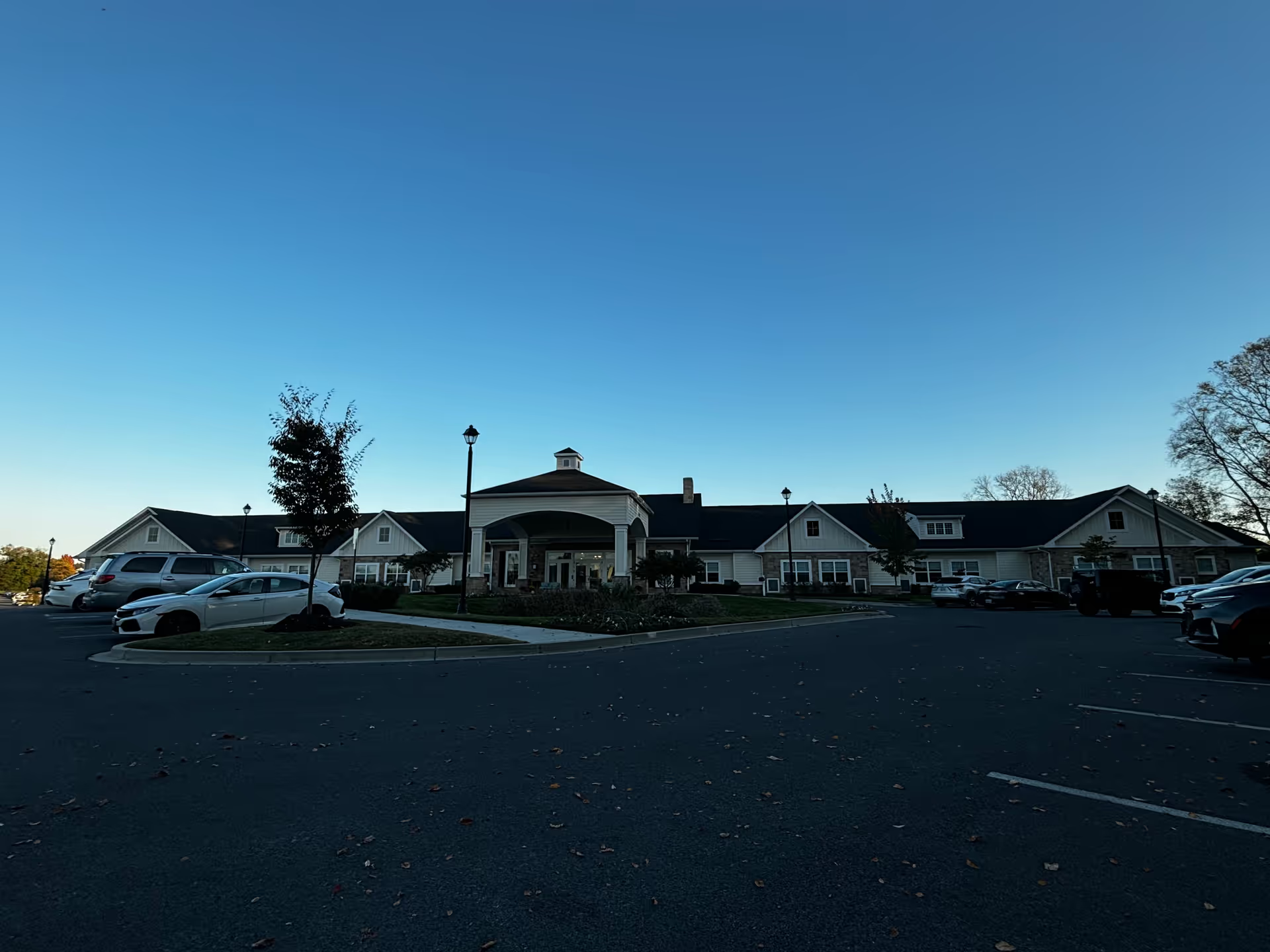
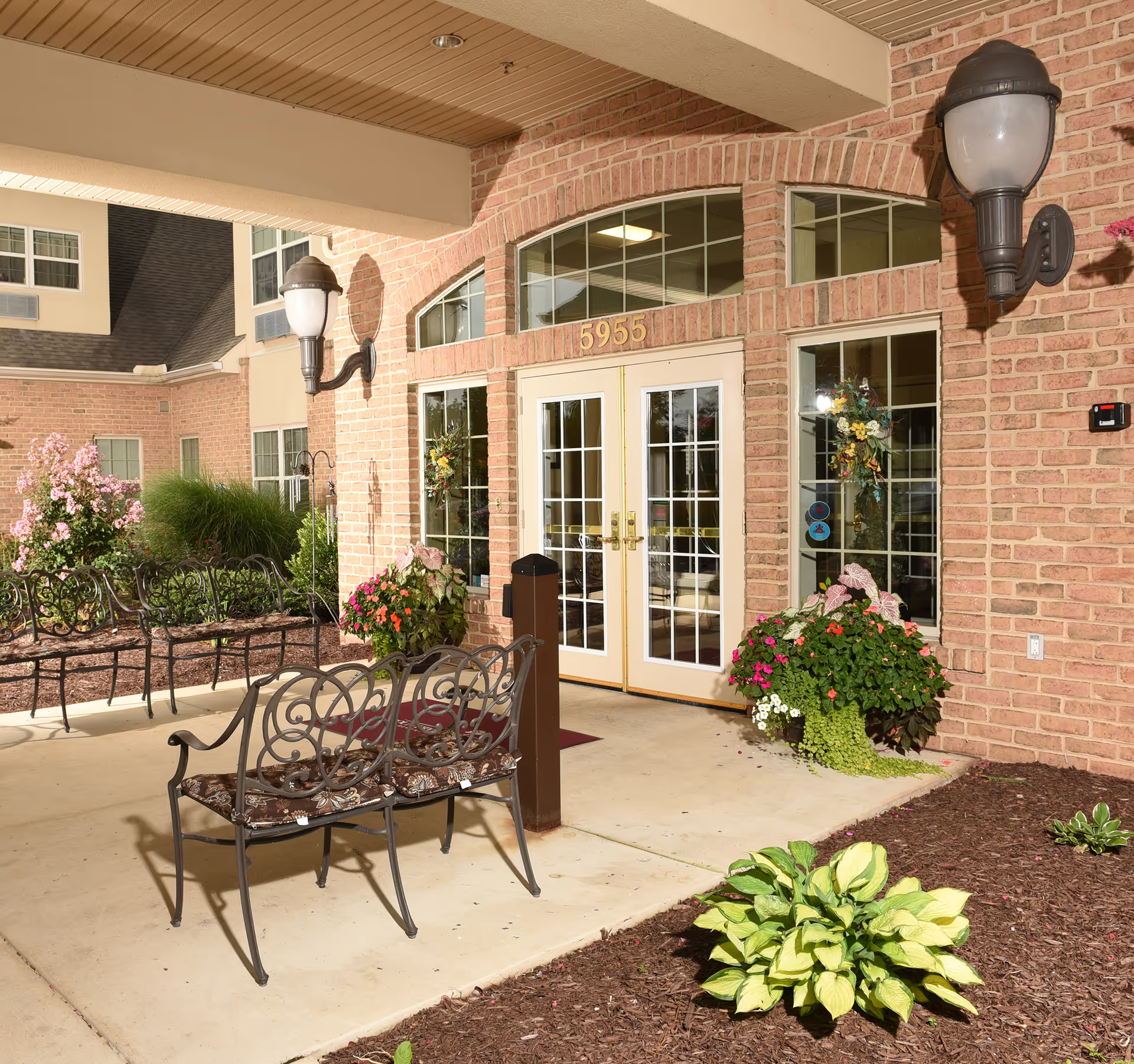
Overall impression: Reviews portray Somerford House Frederick as a well-appointed, community-oriented assisted living and memory-care provider with many strengths in daily living, social programming, and environment. Families frequently describe a warm, home-like atmosphere, clean and bright apartments (often with kitchenettes and patios), attractive grounds with lake views, and a range of on-site amenities. The facility’s memory-care programming and single-floor layout are highlighted as particular strengths for residents with cognitive impairment.
Care and staff: Many families emphasize the compassion and resident focus of nursing, caregiving, and activities staff. Reviewers note 24-hour nursing coverage, on-call doctors or a resident-doctor program, personalized care plans, and staff who go beyond routine tasks to help residents settle in. At the same time, recurring operational concerns appear: staffing levels and turnover are called out as sources of strain, and reviewers describe handoff or shift-to-shift communication gaps that can produce inconsistent clinical care. Medication-management practices are praised in some accounts but described as inconsistent in others; prospective families should ask about current staffing stability, training, and clinical oversight.
Dining and activities: Dining is regularly cited as a strength — chef-driven menus, palatable soft-food options, flexible meal choices, and attentive dining staff. The community offers a broad calendar of activities (exercise, music, discussion groups, crafts, outings, and special events like picnics and family dinners) that many residents and families find promotes socialization and well-being. A few reviewers noted variability in food quality or access to beverages and expressed desires for additional class types (e.g., painting); this suggests occasional inconsistencies rather than a uniform problem.
Facilities and amenities: The physical plant receives positive comments for cleanliness, modern finishes, private room layouts, wide hallways, and multiple communal spaces (dining nooks, bistro, salon, therapy gym). Outdoor seating areas, walking paths, and views are repeatedly mentioned as enhancing residents’ quality of life. Some units are described as compact and one-bedroom layouts as tight; visitors should review specific apartment floor plans to ensure they meet space expectations.
Management, policies, and serious concerns: Management responsiveness is often praised — directors and intake staff are described as accessible and helpful — but there are significant negative patterns in administrative areas as well. Reviews include accounts of billing and refund difficulties and slower administrative follow-up on some inquiries. A small number of serious allegations were raised concerning restrictive family-access measures and contested incidents; these claims are significant to families and suggest asking directly about visitation policies, grievance procedures, and recent regulatory or ombudsman contacts. Additionally, sanitation and pest-control concerns, odor issues in some areas, and weekend staffing reductions were reported by some families and merit direct inquiry.
Notable patterns and guidance for families: The dominant pattern is one of strong person-centered care, lively programming, and a well-kept campus, balanced against operational fragility tied to staffing variability, administrative responsiveness, and intermittent sanitation or communication lapses. Prospective residents and their families would benefit from an on-site visit focused on current staffing ratios by shift, examples of medication and clinical oversight, the facility’s visitation and family-communication policies, recent quality or complaint history, and a tour of the specific apartment unit to confirm size and condition. Asking for recent staffing retention data, the process for clinical handoffs, and documented procedures for family grievances will help assess whether Somerford’s strengths align with a particular family’s priorities.