Silverado Frederick Memory Care Community is consistently described as a purpose-built memory-care environment with strong clinical supports and a broad program of social and therapeutic services. Reviews emphasize a memory-care focus supported by dementia-trained staff, around-the-clock nursing coverage and a full-time social worker, with on-site physical therapy and other clinical resources. These elements, together with reported favorable staff-to-resident ratios, underpin family perceptions of clinical attentiveness and peace of mind.
Staff and culture are the most frequently praised aspects. Families and visitors commonly describe staff as compassionate, knowledgeable, and familiar with residents by name; leadership visibility and an open-door approach are noted. The community is presented as family-friendly and pet-friendly, with practices that encourage family involvement, private family dining, and social supports for relatives. Reviewers also highlight purposeful programming that promotes dignity—music, exercise, trivia, happy hours, regular outings, and specialty visits from musicians are cited repeatedly as central to daily life.
Dining and activities receive strong positive remarks. The dining experience is characterized as chef-prepared, restaurant-style with a varied menu and accessible snacks; dining rooms are described as attractive and restaurant-like. Activities are varied and frequent, including salon and spa services, chapel and tranquility spaces, community outings, and intergenerational or community events. These offerings are presented as contributing to an engaged, active resident population.
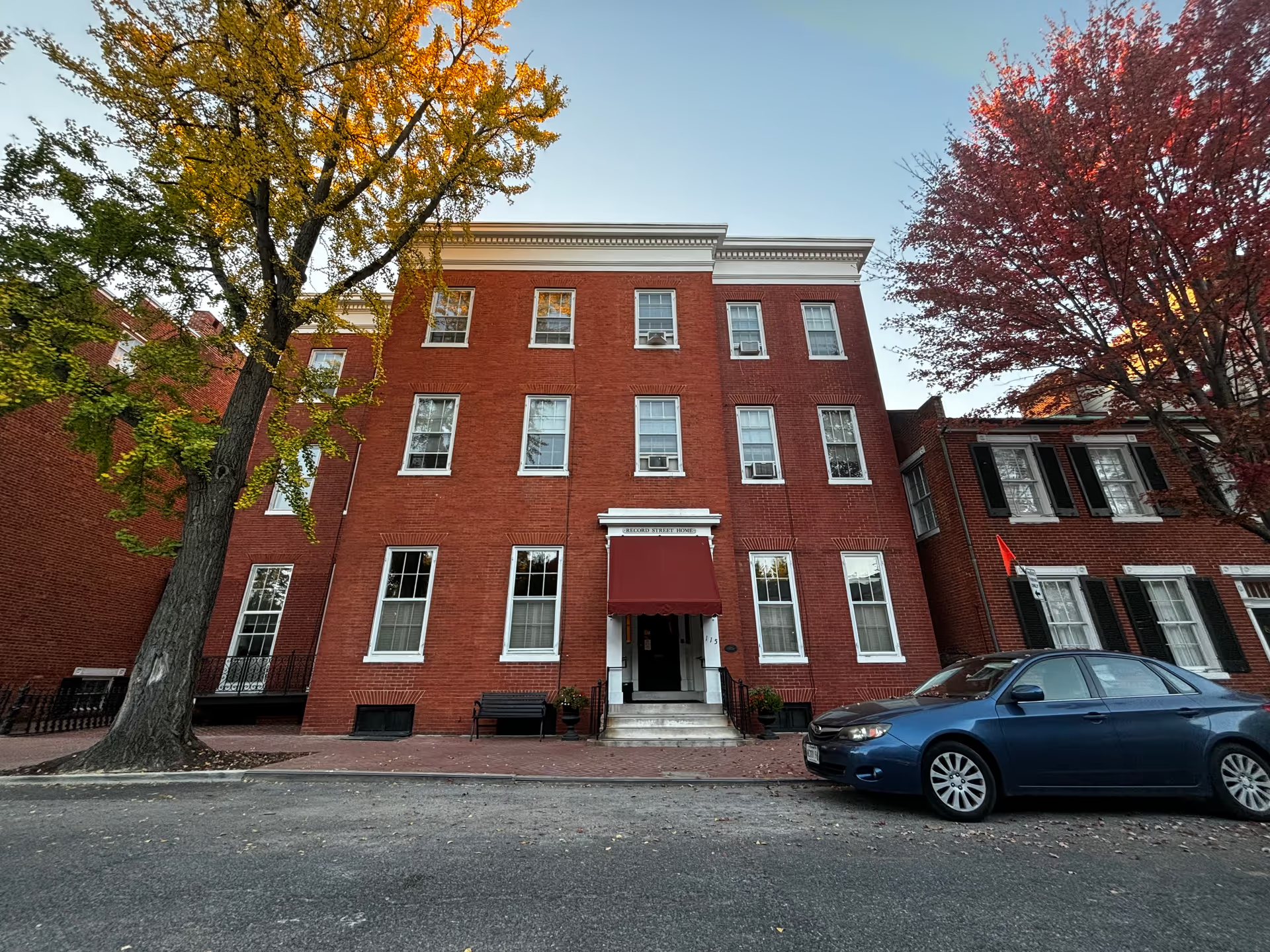
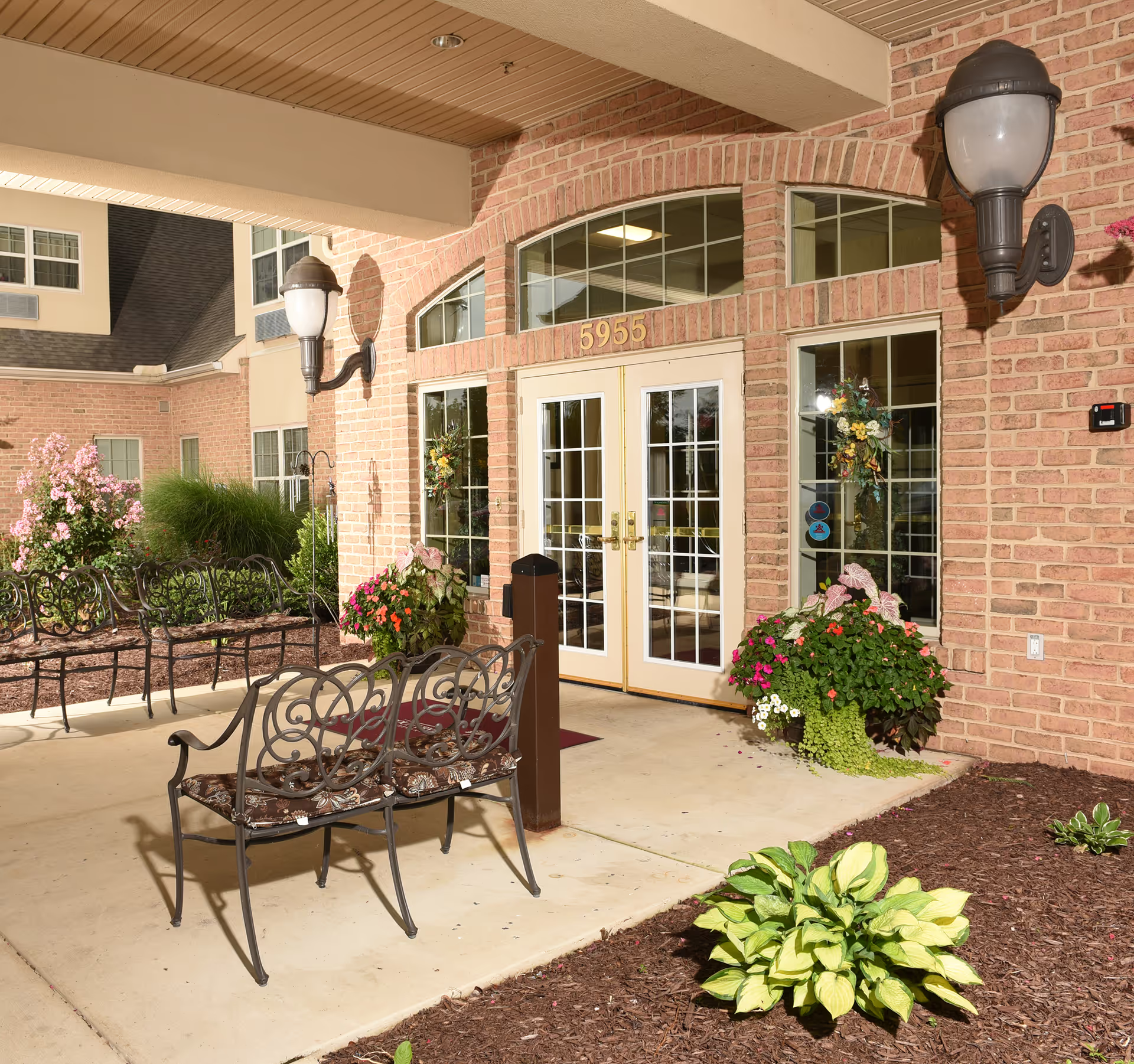
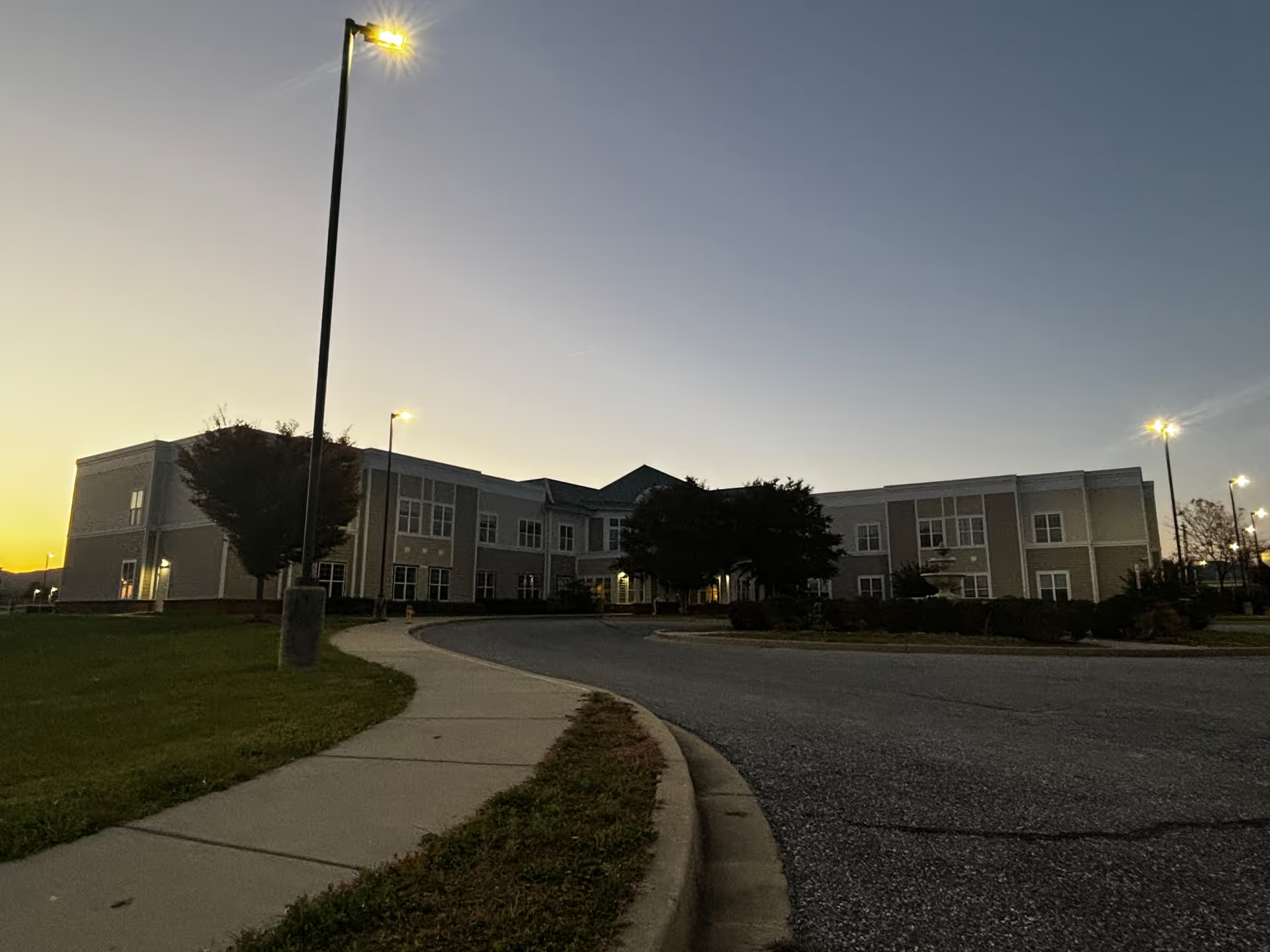
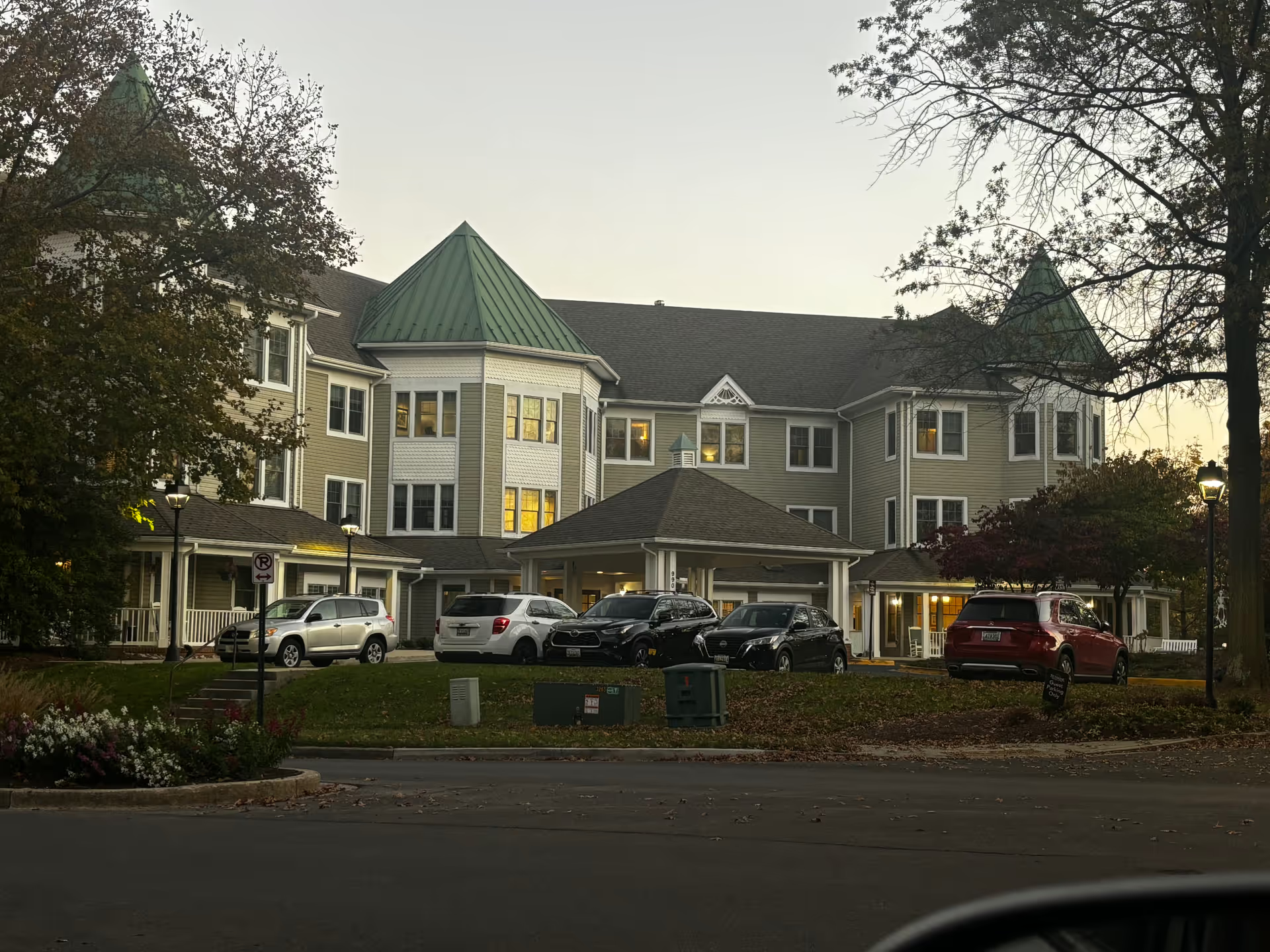
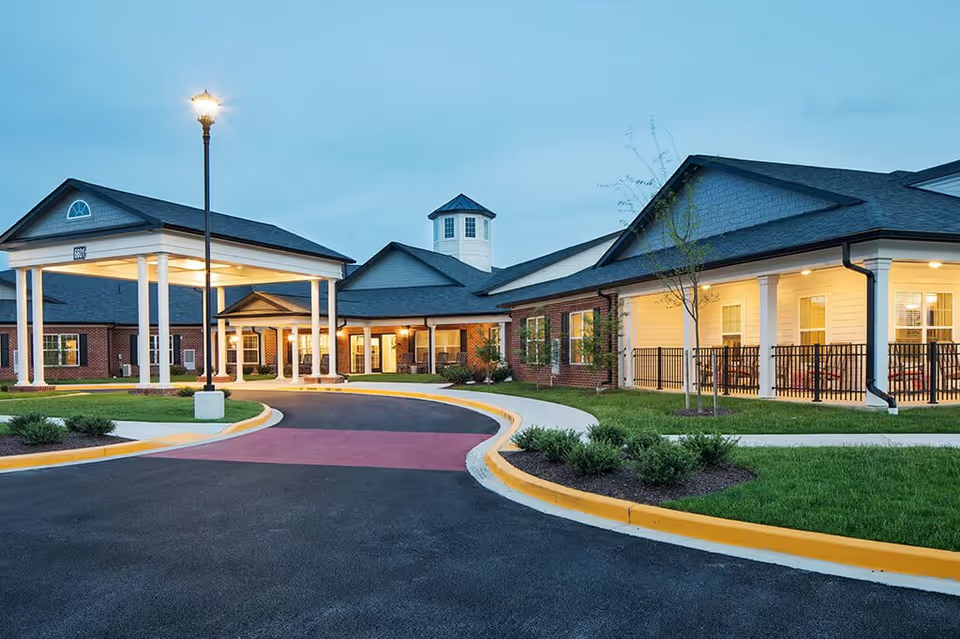
The physical plant is another consistent strength. Multiple descriptions note a brand-new, bright, and exceptionally clean facility with spacious private suites and large bathrooms, well-designed common areas, and pleasant outdoor spaces. On-site amenities such as a salon, spa, chapel and designated quiet rooms are highlighted as adding to resident comfort and a homelike atmosphere.
Notable patterns and areas for due diligence: a small number of reviews raised concerns about medical and personal-care consistency, and one review alleged neglect of medical and personal care—an assertion that would merit direct follow-up with the community and, if appropriate, review of incident documentation. Pricing perception varies across reviews: while some described the community as reasonably priced or affordable, others found it expensive. The community’s newness and lower occupancy in early phases were also mentioned; this suggests a limited long-term operational track record and the potential for operational variability during occupancy ramp-up.
For prospective residents and families, useful next steps include observing a mealtime, meeting the nursing and social-work leads, asking for staffing ratios at expected occupancy, requesting examples of clinical oversight and incident-response protocols, and reviewing fee schedules and contract terms. These checks can help verify that the positive features highlighted in reviews—specialized memory care, consistent clinical oversight, robust activities, and a well-maintained facility—are sustained as the community grows and operates at full capacity.