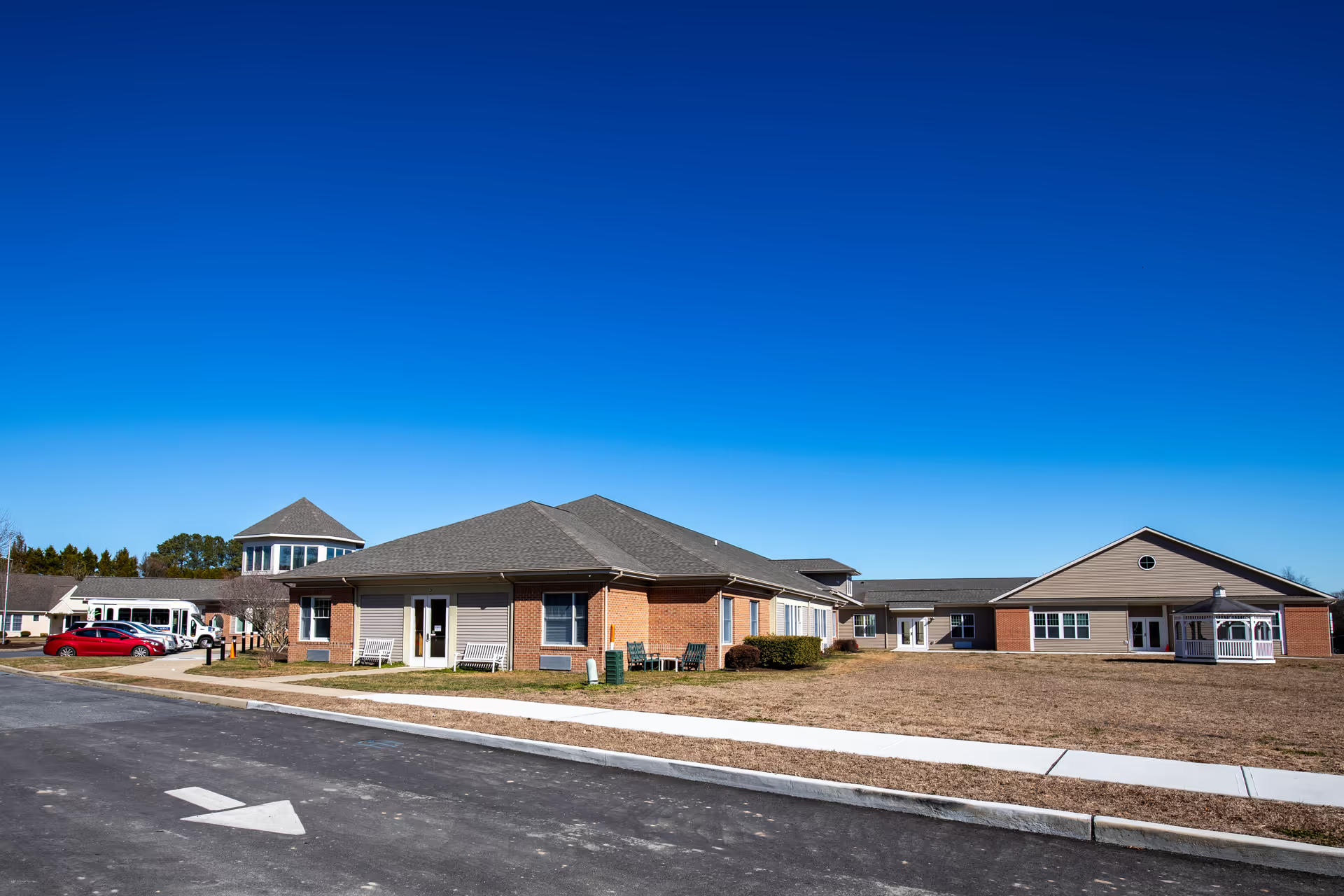
Reviews of Berlin Nursing and Rehabilitation present a strongly mixed picture. Many families and residents praise elements of clinical and supportive care: rehabilitation services and physical therapy receive frequent positive mentions, memory-care programming is described as beneficial, and multiple accounts emphasize compassionate, respectful interactions from particular staff members and front-desk personnel. The facility’s dining spaces, outdoor seating and grounds, and overall common-area maintenance are also cited as strengths, and some reviewers note helpful insurance/admissions support and reliable laundry services. Its location near a hospital is viewed positively for access to acute care.
At the same time, there is a persistent pattern of operational concerns that appear across reviews. Chronic understaffing is the most common theme and is linked to slower response times, delays in attending to residents, and gaps in assistance during meals and personal care. Relatedly, reviewers describe incontinence-care delays and broader hygiene-management gaps, and some noted odor and sanitation concerns in particular units. Several accounts describe inconsistencies in medication administration and wound care or in timely clinical escalation.
Communication and administrative processes also show variability. Families reported problems with discharge coordination, missing paperwork or prescriptions at discharge, and poor follow-up from the care team. Billing and collections issues, including aggressive collection attempts, were raised by some reviewers. In addition, there are reports of inconsistent staff conduct and training: while many staff are described as compassionate and skilled, others are depicted as unresponsive or poorly coordinated. A small number of very serious allegations prompted mention of regulatory attention; these items suggest the importance of checking current inspection or enforcement status.
Taken together, the reviews indicate that individual experiences at Berlin Nursing and Rehabilitation can diverge substantially. Prospective residents and families will find real strengths in therapy programs, memory care, meals, and certain staff members, but they should also be alert to operational risks tied to staffing, hygiene oversight, clinical follow-up, and administrative reliability. A focused, in-person assessment is advisable: ask about current staffing levels and shift coverage, incontinence-and-bathing schedules, medication- and wound-care protocols, recent inspection history, discharge procedures, and billing practices. Clarifying these operational details can help families weigh the facility’s noted strengths against the documented patterns of concern.