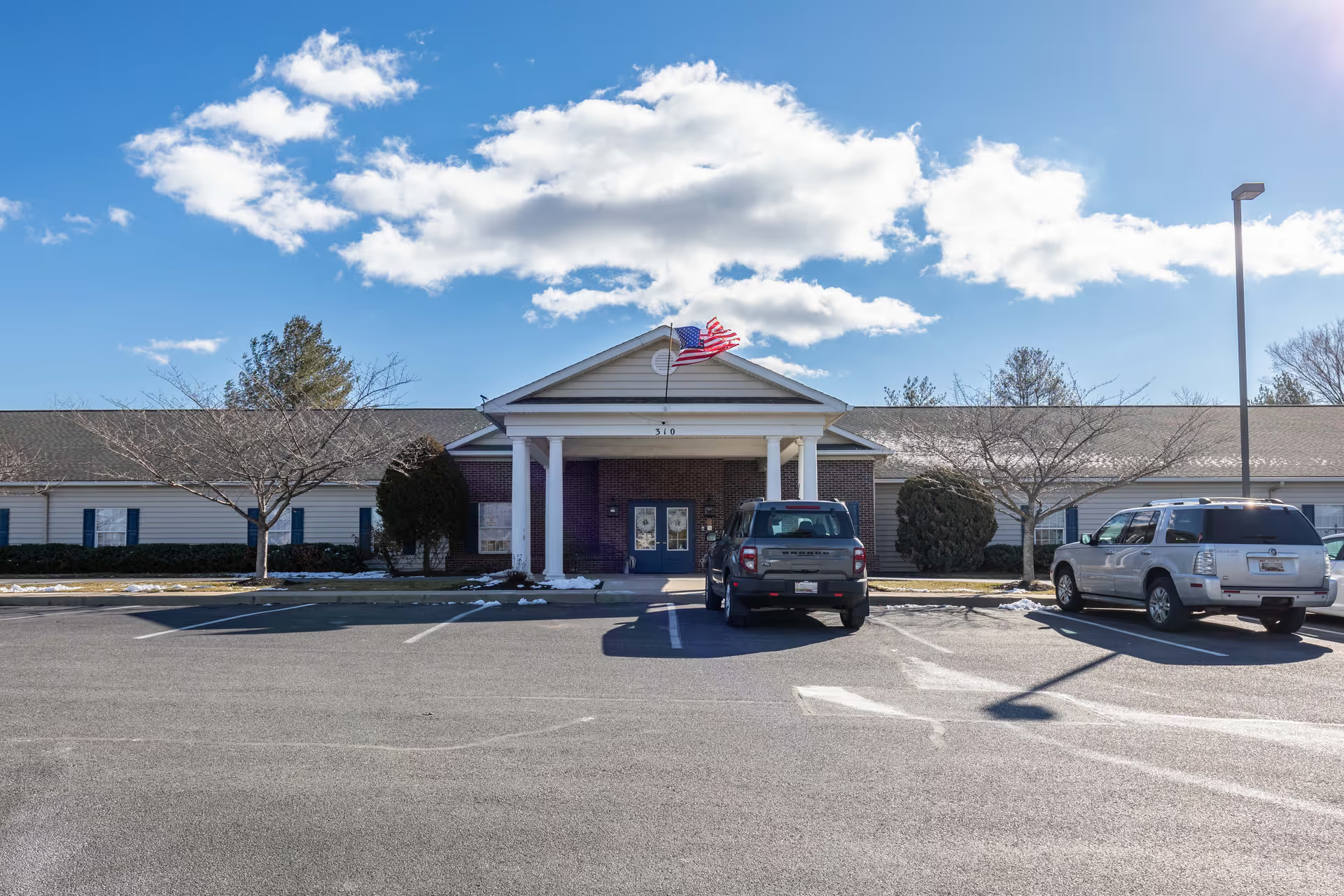
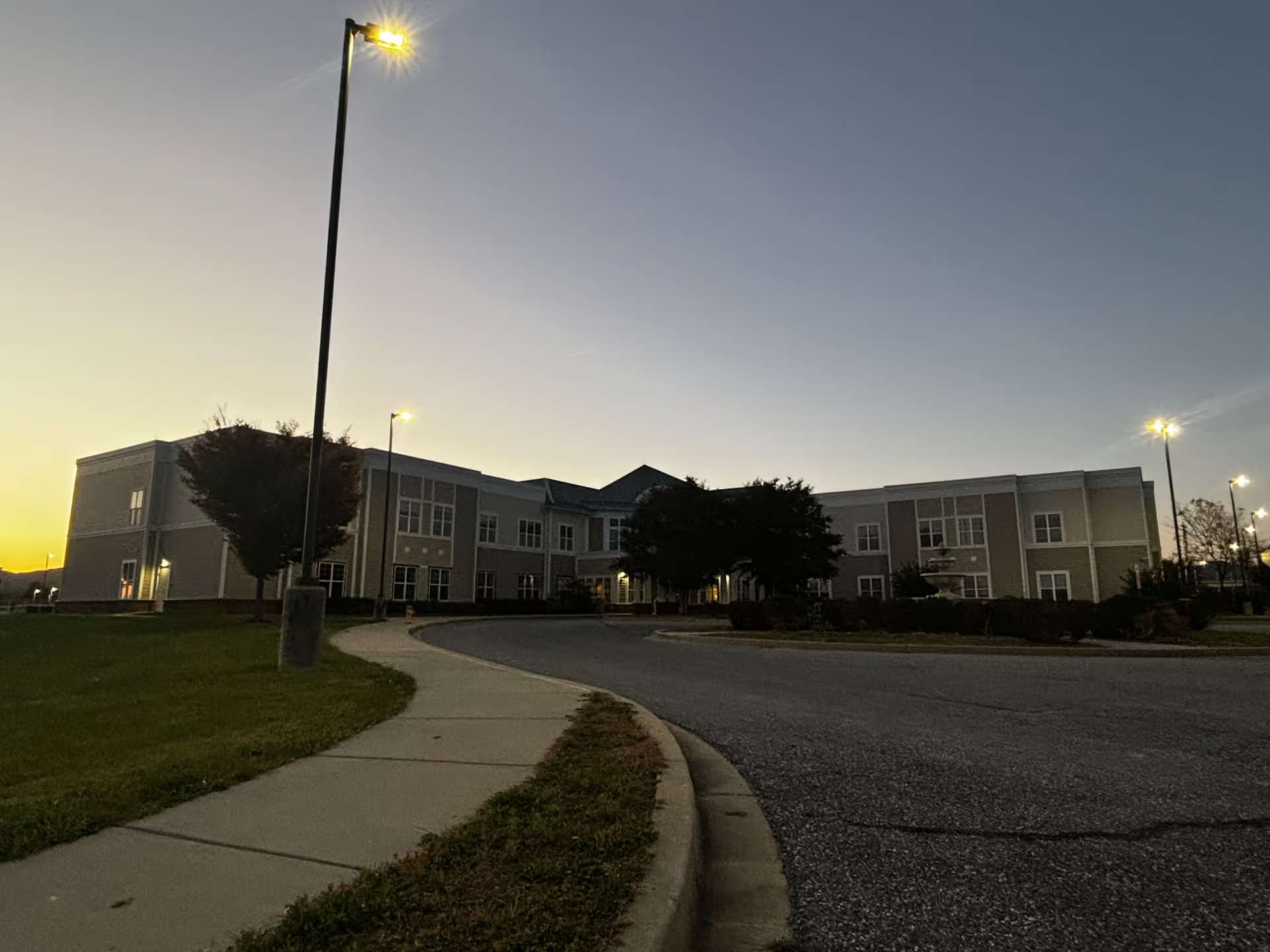
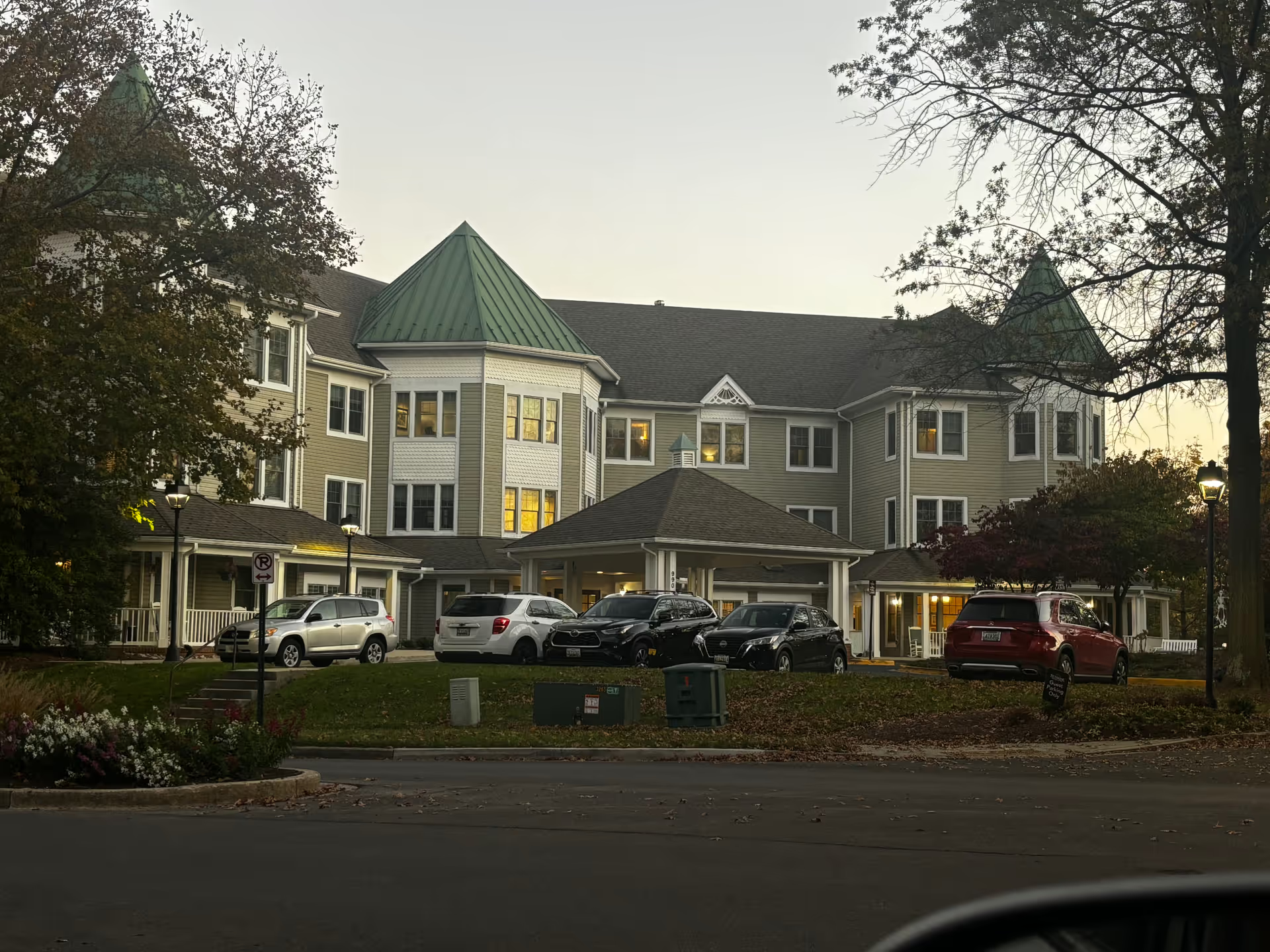
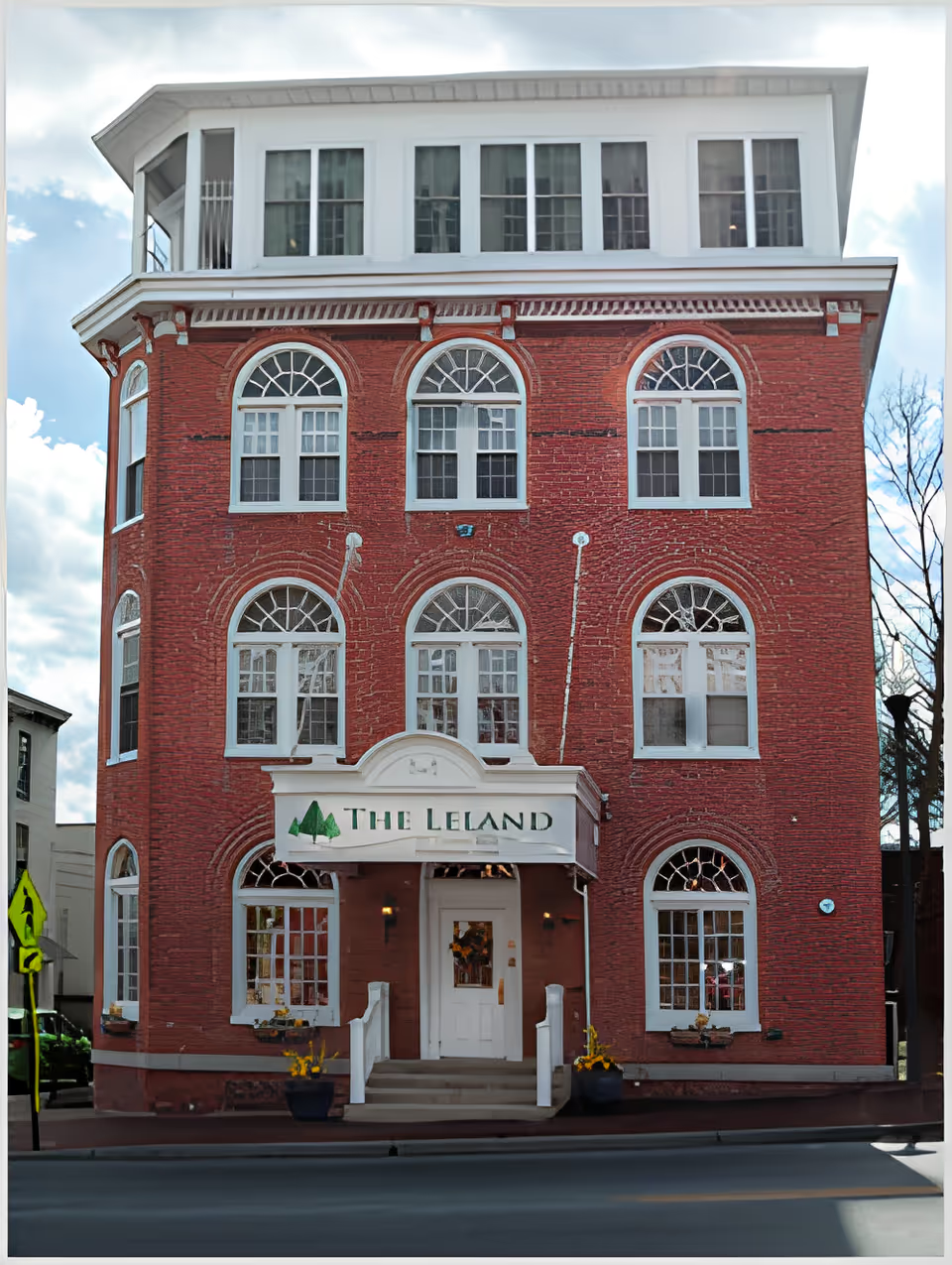
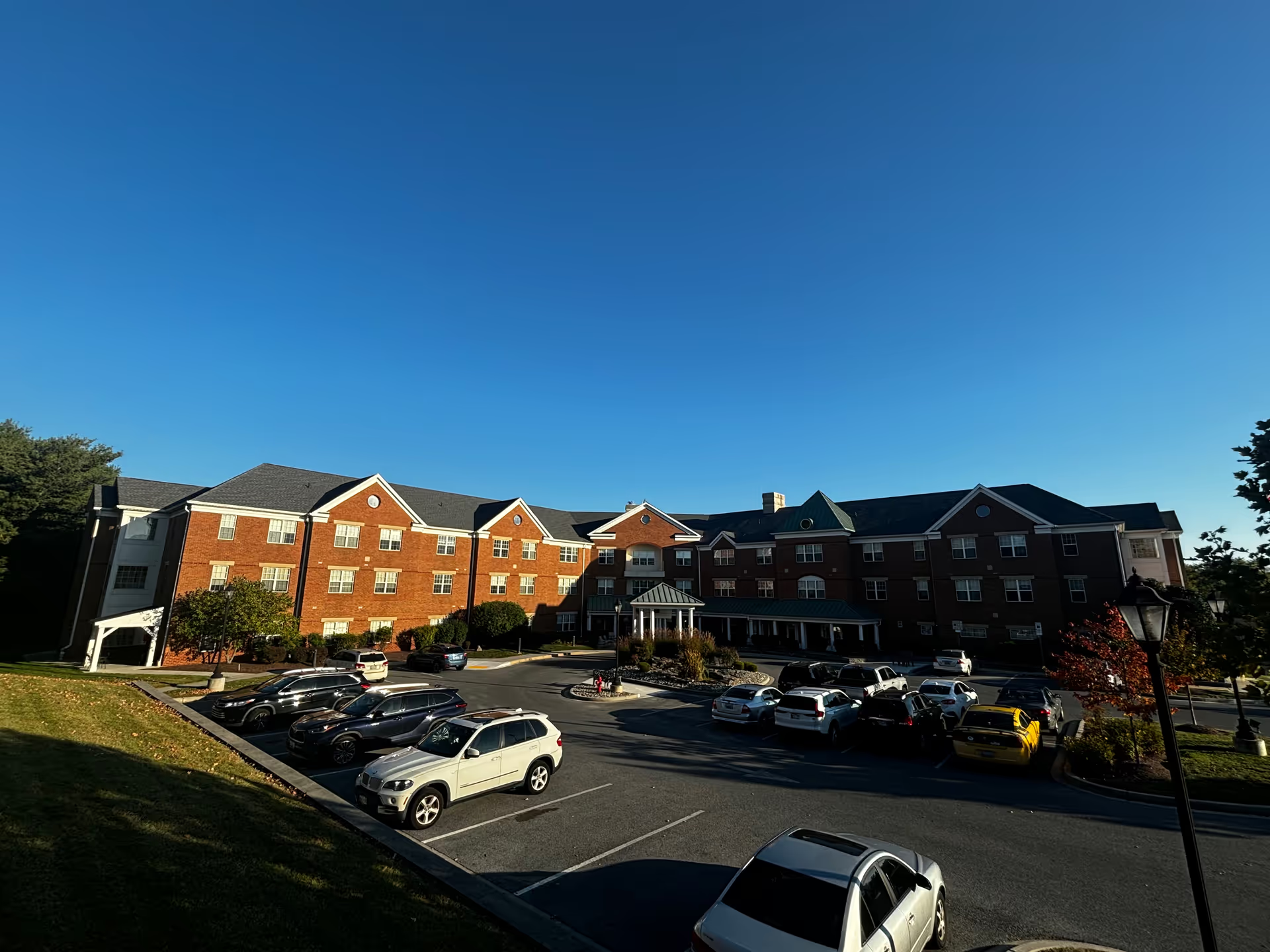
Fahrney-Keedy presents as a large continuing-care community with an extensive on-site service array and active campus life. Strengths most consistently noted include a caring frontline workforce, around-the-clock nursing and aide presence, and robust rehabilitation services. The community has expanded memory-care capacity and offers dementia-friendly design elements alongside a variety of residential choices from cottages to renovated apartments. Grounds and communal spaces are generally described as well maintained, and families frequently cite proactive clinical touches such as dietitian involvement and wound-care coordination.
Staff performance is the community's most commonly cited positive. Reviewers describe nurses, CNAs, GNAs, therapy staff, and support personnel as compassionate, personable, and willing to go beyond job descriptions. Several accounts highlight effective family communication routines, including regular updates and receptive care coordination. At the same time, there are recurring operational concerns tied to staffing levels: reviewers indicate periods of understaffing, long waits for assistance, and reduced availability of dining and activity staff that temporarily shifted responsibilities to nursing personnel.
Clinical consistency and care processes show mixed impressions. While on-site therapy and rehabilitation receive praise for helping recoveries, other clinical areas raise concern: medication-management lapses, delayed reorder or unavailability of medications, inconsistent skin-care and pressure-injury prevention practices, and uneven supervisory awareness of care plans. A few serious individual claims — including concerns following a resident's death and allegations of inappropriate staff conduct or communication in isolated cases — underline the importance of verifying clinical protocols and escalation practices during a tour or move-in discussion.
Dining and activities are an important part of campus life but are experienced unevenly. The community offers an active social calendar, live music, outings, ice-cream socials, and amenities such as a salon, gym, and community garden; these are cited as contributors to resident quality of life. However, several reviewers describe inconsistent meal quality, missed meal delivery occasions, and temporary dining-room closures tied to staffing or infection-control measures. Activity availability has also been affected during infection-control events, with programs rearranged to wing-level or paused entirely at times.
Management and administrative processes show both positive and negative patterns. Reviewers note ongoing capital improvements and renovation phases that modernize parts of the campus. Conversely, some families raised concerns about HR and administrative practices, including application and hiring-process breakdowns, perceived inflexibility around infection-control policies, and lapses in interdepartmental communication. Prospective residents and families will likely benefit from clarifying staffing ratios for the specific unit of interest, reviewing medication and clinical oversight procedures, and asking about recent inspection findings, infection-control policies, and the timeline for any pending renovations.