Experiences at Sterling Care South Mountain vary substantially. Some residents and families describe attentive, compassionate care, effective rehabilitation, and a supportive environment, while others raise serious concerns about missed or delayed care. Positive accounts include individualized treatment, staff who help residents build independence, and therapy that supports recovery after fractures, illness, and other health events. Conversely, families describe delays in assistance, medication problems, inadequate support with food and fluids, and gaps in personal care. Some accounts also raise concerns about falls, skin injuries, and recognition or escalation of changing medical needs; a few describe subsequent hospital care or concerns following a resident’s death. These accounts point to uneven care experiences rather than a uniformly positive or negative picture.
Staff members are frequently praised for kindness, patience, and strong relationships with residents, particularly on certain memory-care and rehabilitation teams. Families also value staff who provide updates, answer questions, and support residents and relatives during difficult transitions. At the same time, other accounts describe difficulty reaching staff, unanswered calls, inconsistent information, and limited follow-through from nursing, medical, or social-work personnel. Several families perceive staffing levels as inadequate, with concerns about delayed responses and differences between day, evening, and weekend care. The contrast between positive and negative accounts suggests that residents’ experiences may depend considerably on the unit, shift, and individual care team.
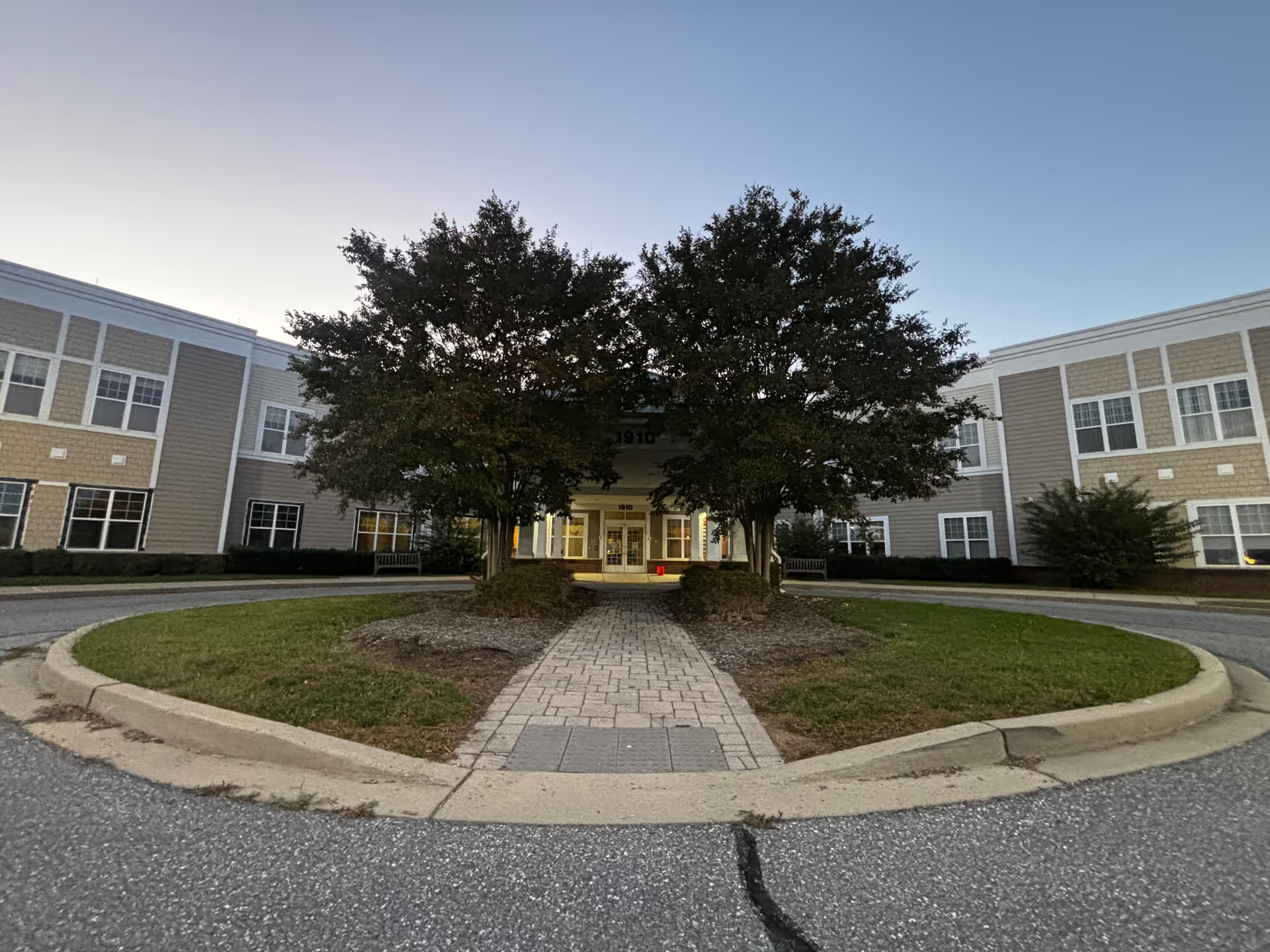
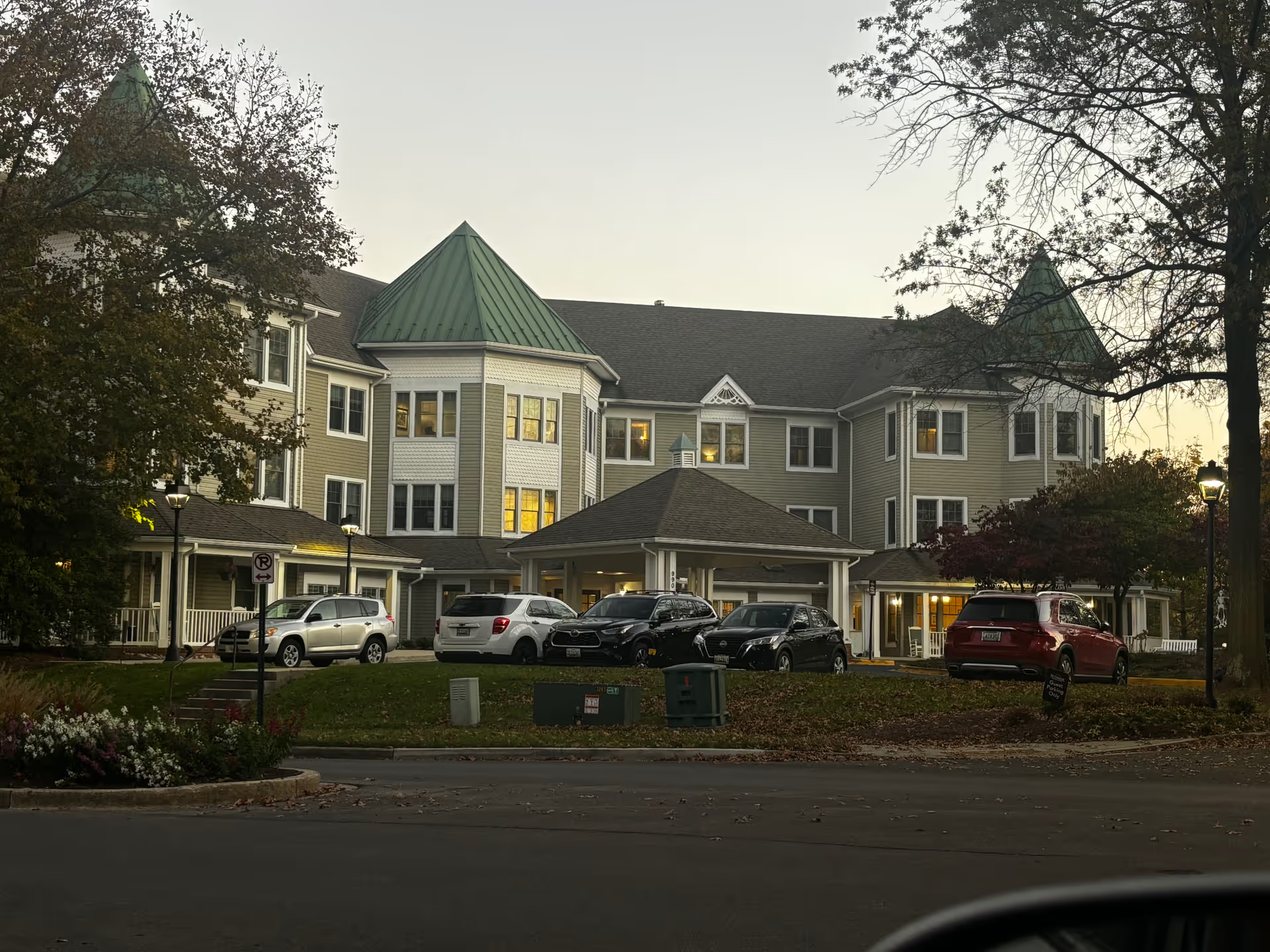
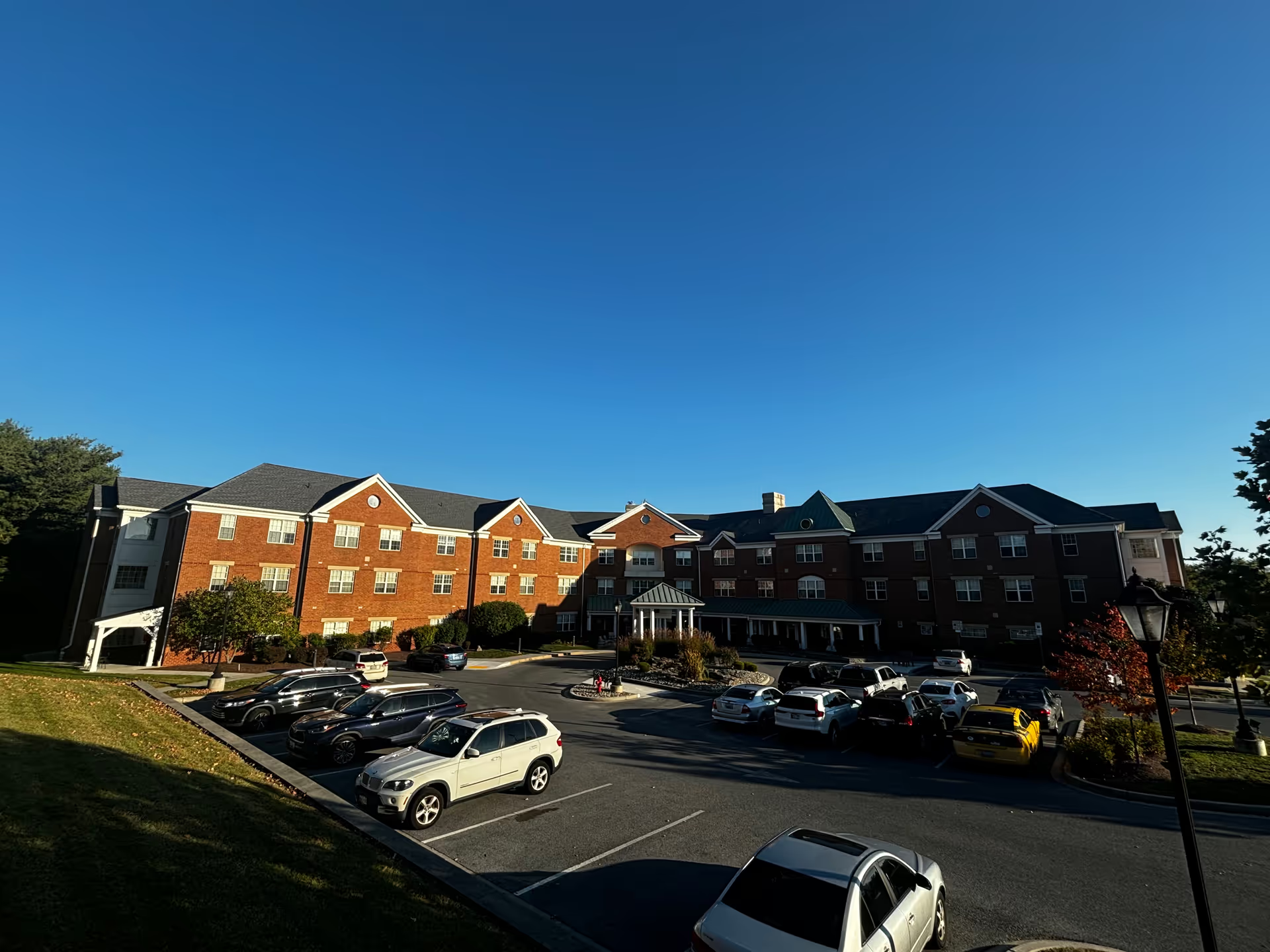
Rehabilitation and activities are notable strengths in favorable accounts. Physical, occupational, and speech therapy are described as encouraging and effective, and residents mention structured activities such as bingo, group events, and visits from animals. Memory-care families also describe staff who know residents’ preferences and help them stay engaged. Dining feedback is mixed: some residents enjoyed the meals, while others cite bland or unappealing food, limited portions, temperature concerns, and inconsistent assistance during meals. Facility feedback is similarly divided. Some visitors describe clean, spacious, bright rooms and pleasant grounds, while others note odor or cleanliness concerns, aging or damaged furnishings, laundry problems, and unreliable room equipment or Wi-Fi.
Management and care coordination are recurring concerns. Families describe difficulty obtaining timely updates, reaching clinicians or social workers, arranging transportation to appointments, and coordinating medications or discharge plans. One reviewer also questioned the facility’s solicitation of positive online reviews through a prize promotion. Another, who identified as a registered nurse, described a concern about unit leadership credentials and said it had been referred to the state nursing board; the reviews alone do not establish the outcome. Taken together, the feedback suggests that prospective residents and families should ask about staffing by shift, response procedures, medication oversight, therapy plans, family communication, discharge coordination, and current inspection information when evaluating the facility.