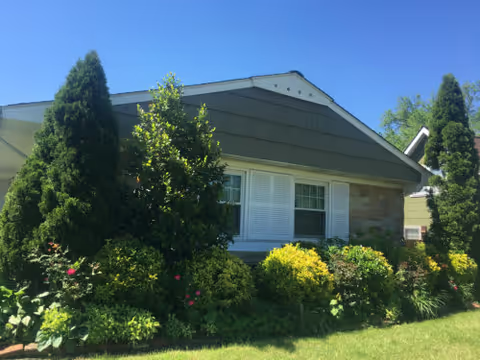
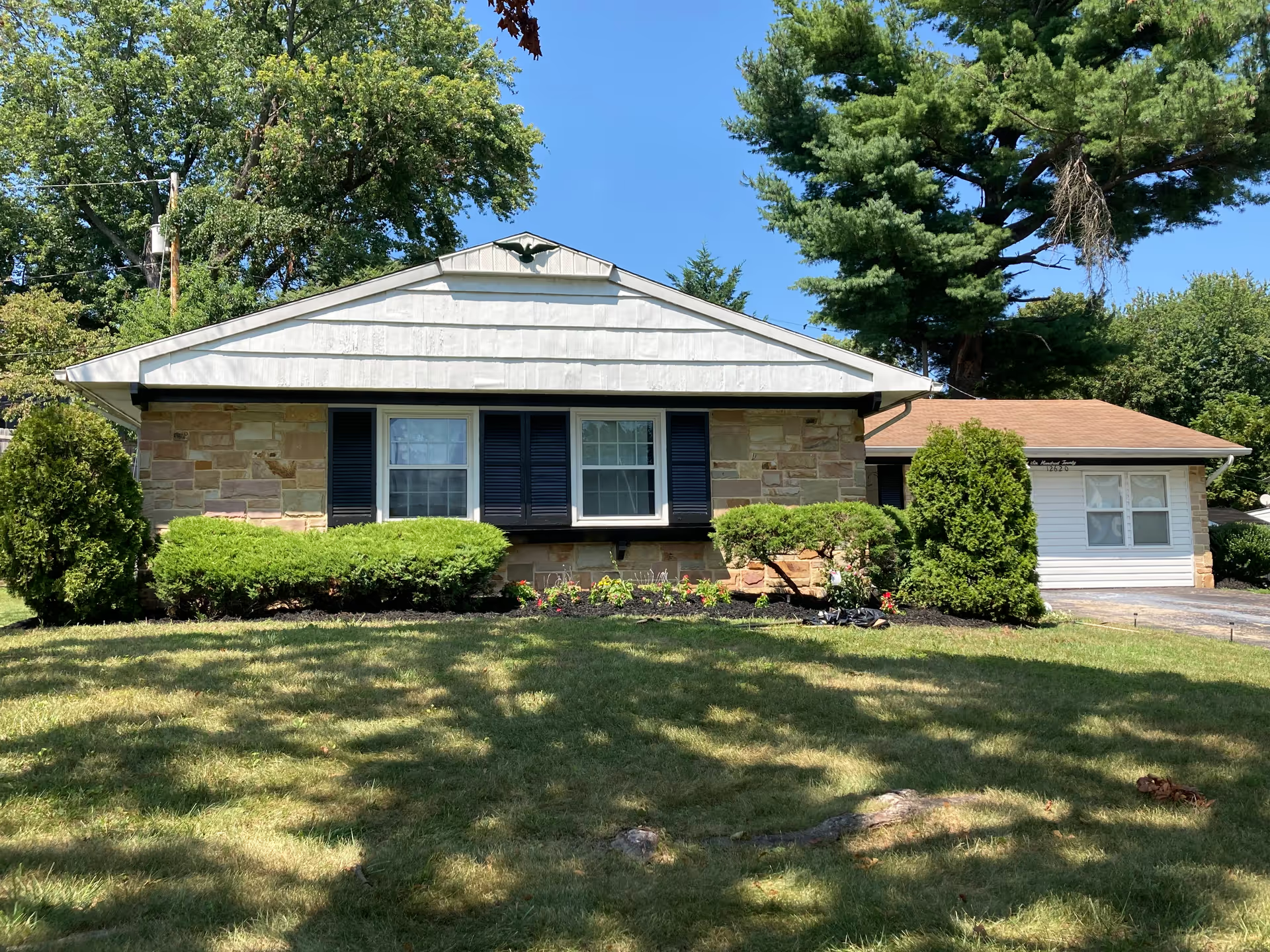
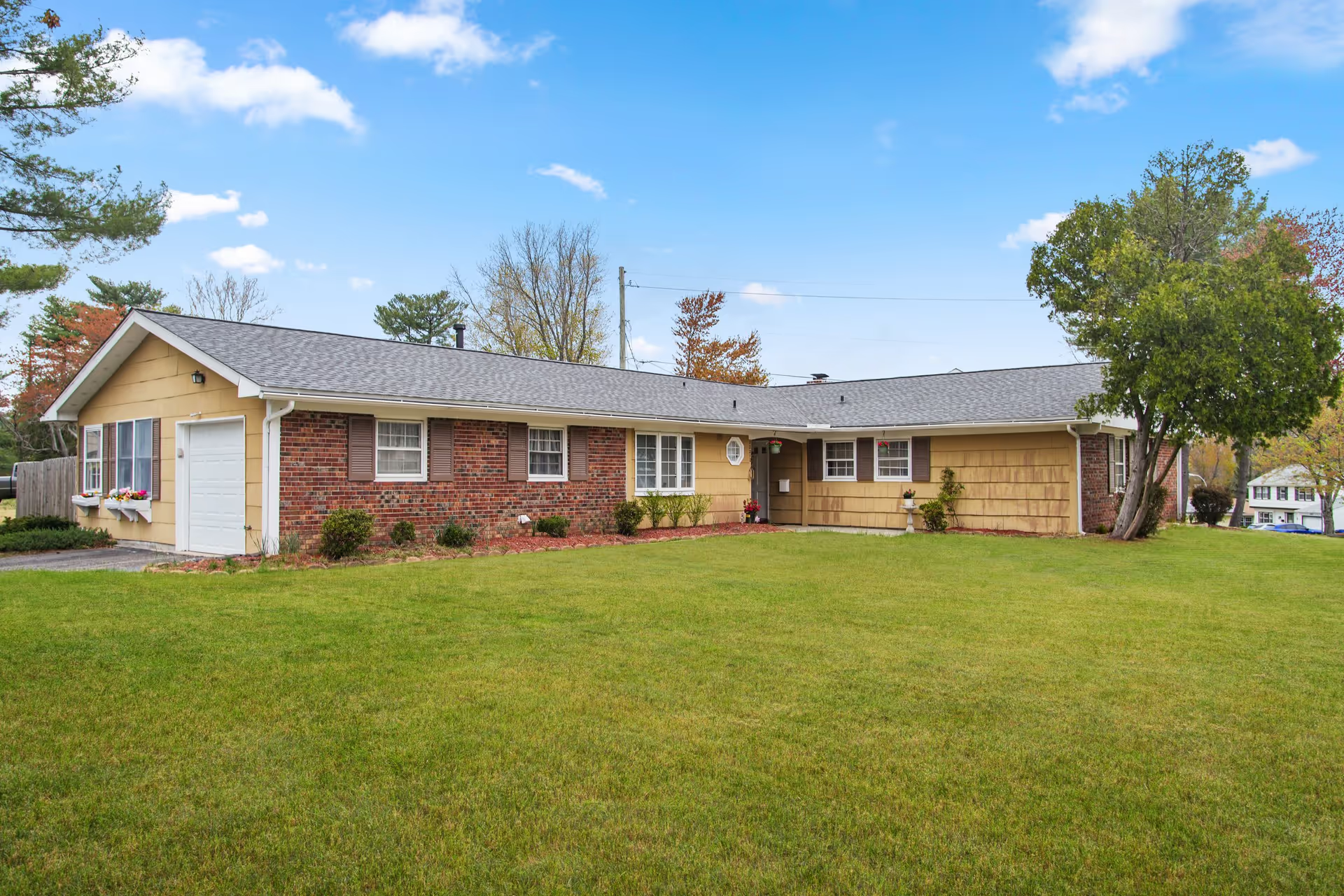
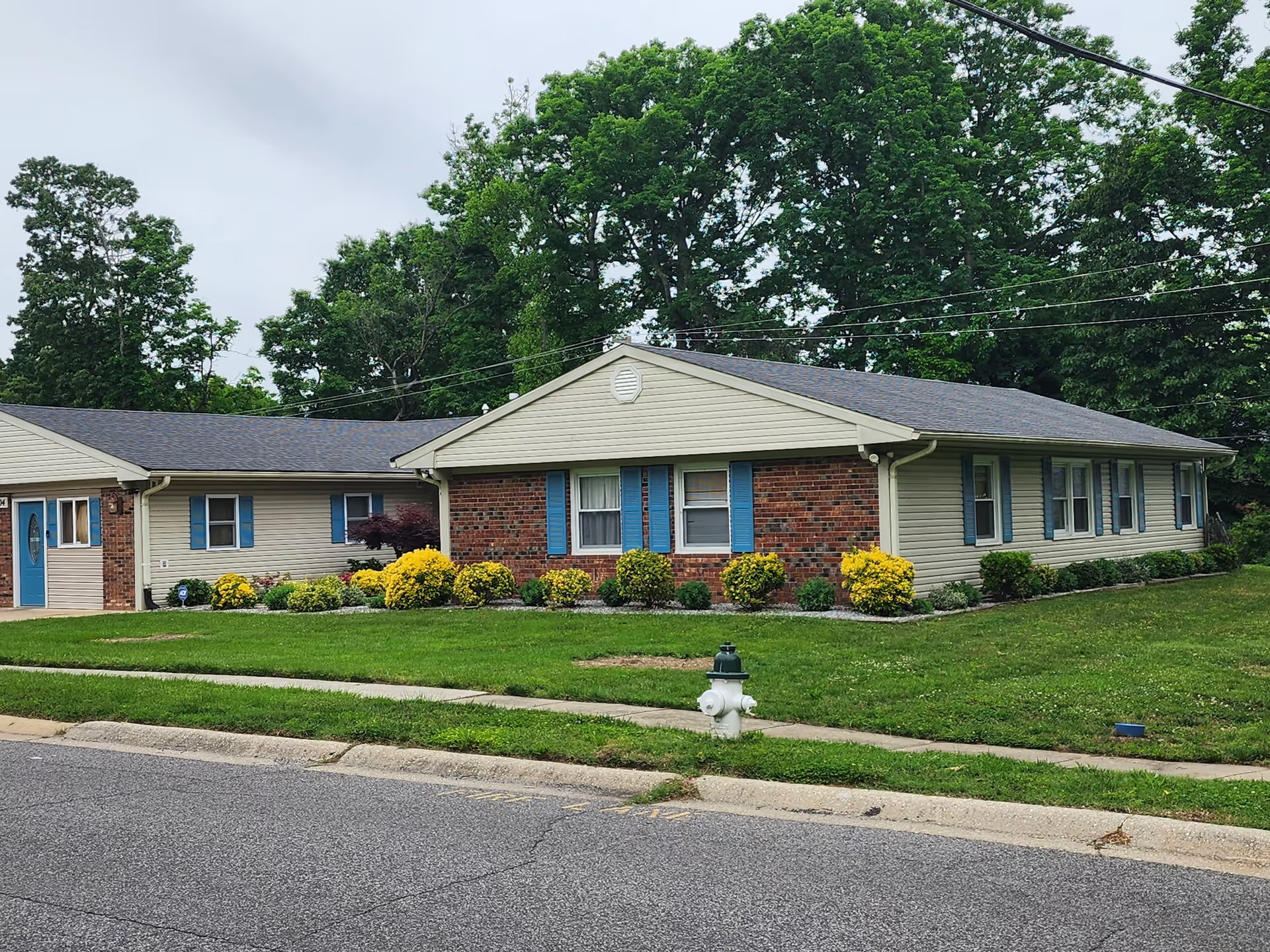
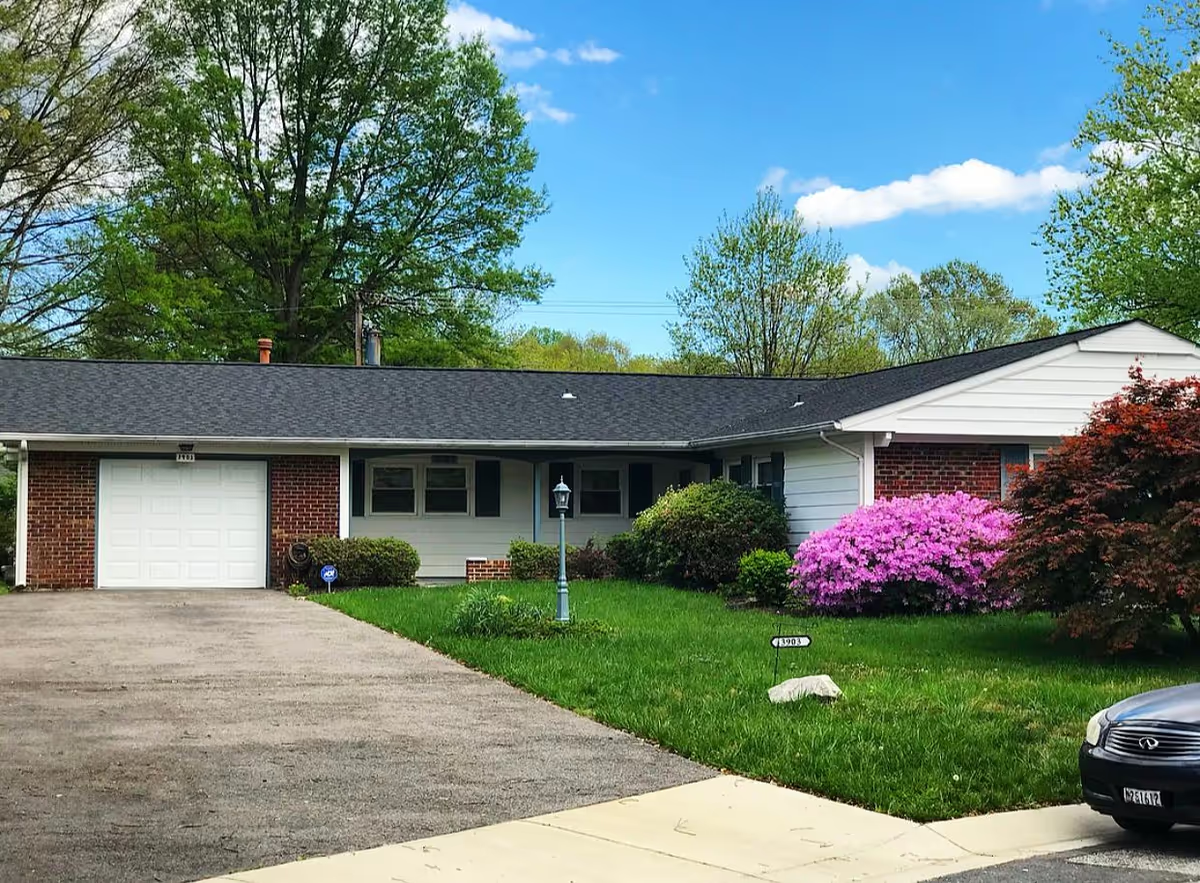
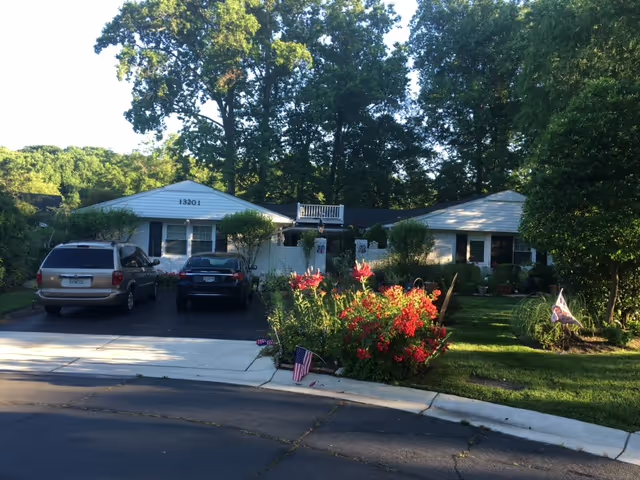
Refreshing Springs Assisted Living Home presents a mixed profile. The facility is described as a very small, home-like setting (noted to have approximately four residents) with a high caregiver-to-resident ratio and 24-hour live-in caregiver coverage. Many accounts emphasize compassionate, professional, and attentive caregivers who provide individualized attention, particularly for residents with dementia; several families described the environment as warm, welcoming, and cleaner than larger institutional settings.
Care quality and staffing show clear strengths and some operational vulnerabilities. Strengths include close, personalized supervision and staff who are described as respectful and caring. However, reviewers raise concerns about staffing stability and clinical support: there is notable staff turnover and references to an operational model without on-site medication technicians, which may complicate medication administration and clinical continuity. In addition, some comments indicate inconsistent vaccination coverage among staff, which can be a consideration for infection-control policies.
Dining and activities present a mixed picture. Meals are generally characterized as acceptable and enjoyed by some residents, but the menu appears limited in certain respects (for example, the absence of hot breakfast offerings was mentioned). Organized activities and social programming are noted as minimal or lacking, which may be especially relevant for families seeking robust engagement opportunities for residents with cognitive impairment.
Facility and management observations are similarly mixed. The physical home-like environment and cleanliness are cited positively, although there are odor concerns reported in some areas that prospective families should evaluate during a visit. Several reviewers expressed dissatisfaction with communication from management to families and a perception that administrative priorities emphasize revenue or cost considerations. These perceptions, along with comments about value for money, suggest families often weigh the facility’s close supervision and small size against questions about operational transparency and service breadth.
For prospective residents and families: the setting may suit those who prioritize personalized, round-the-clock caregiving in a small, domestic environment. Before placement, consider asking for details on medication-administration procedures and who performs clinical tasks, staff vaccination and infection-control policies, staff turnover rates and typical staff assignments, a sample weekly activity schedule, meal menus including hot-breakfast options, and the facility’s family-communication protocols. An in-person visit to assess scent/cleanliness in common areas and to meet current caregivers will help determine whether the facility’s strengths align with your care priorities.