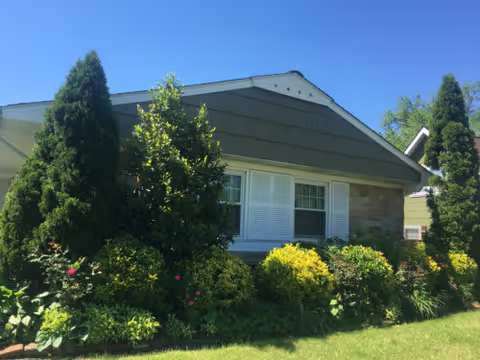
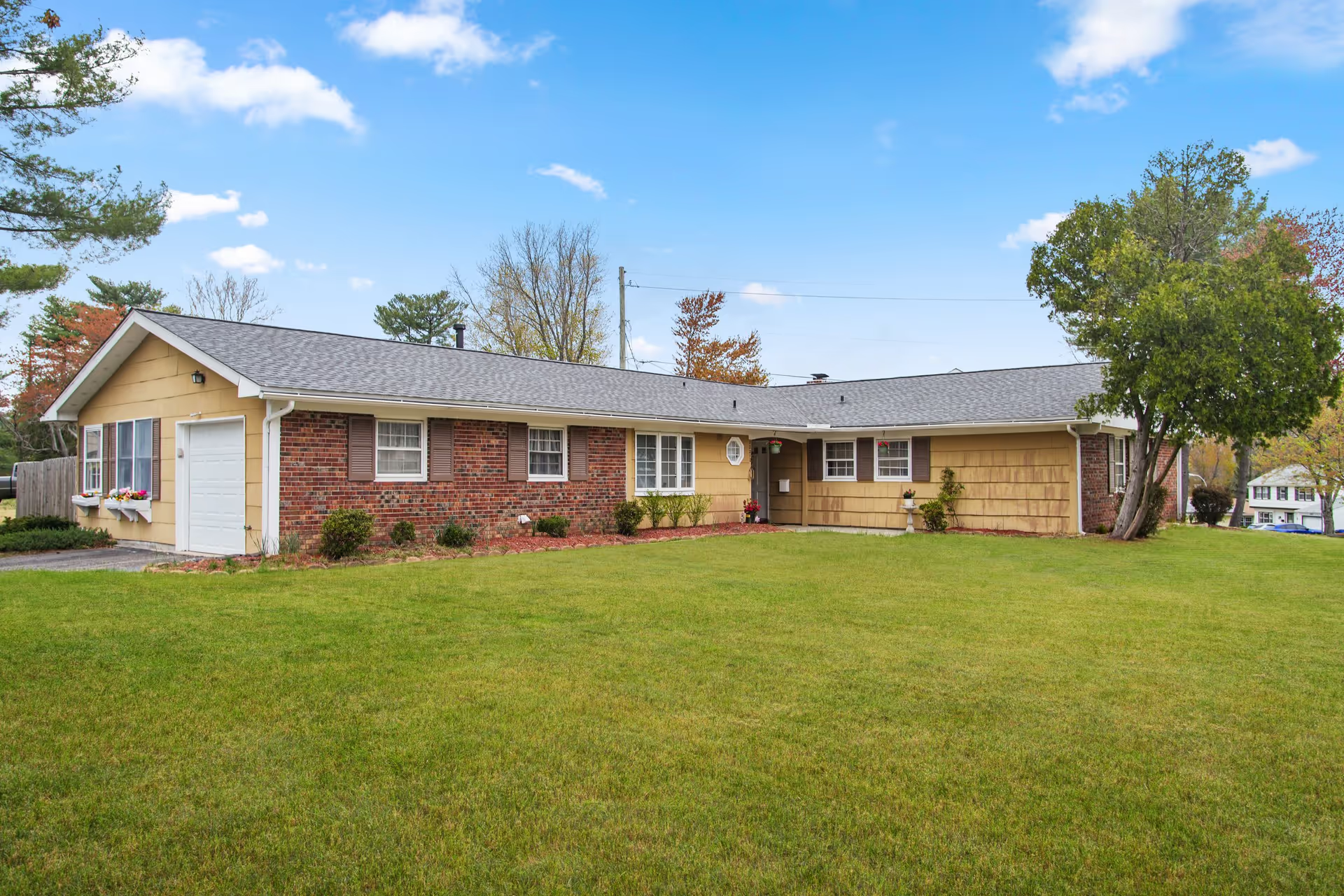
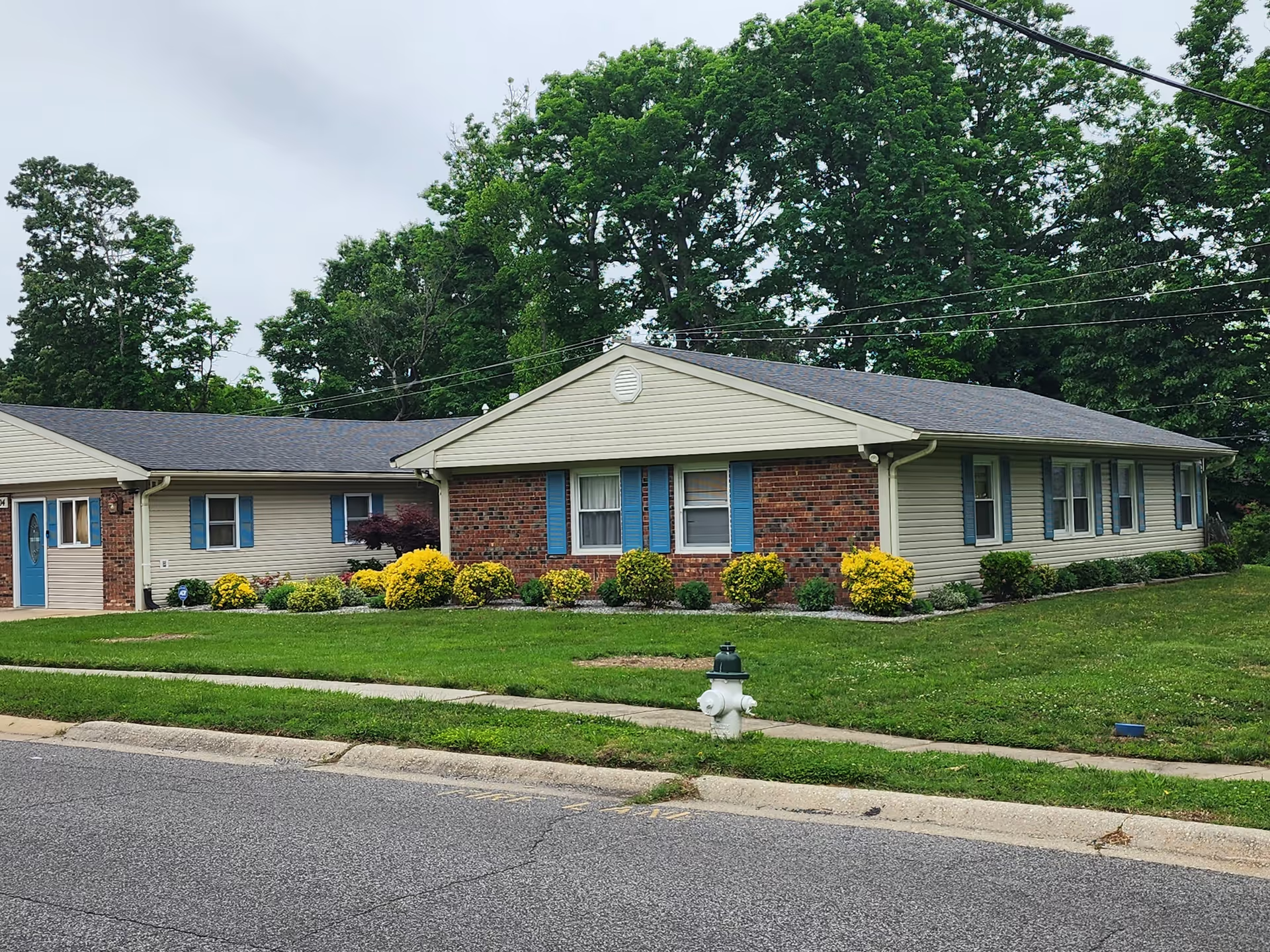
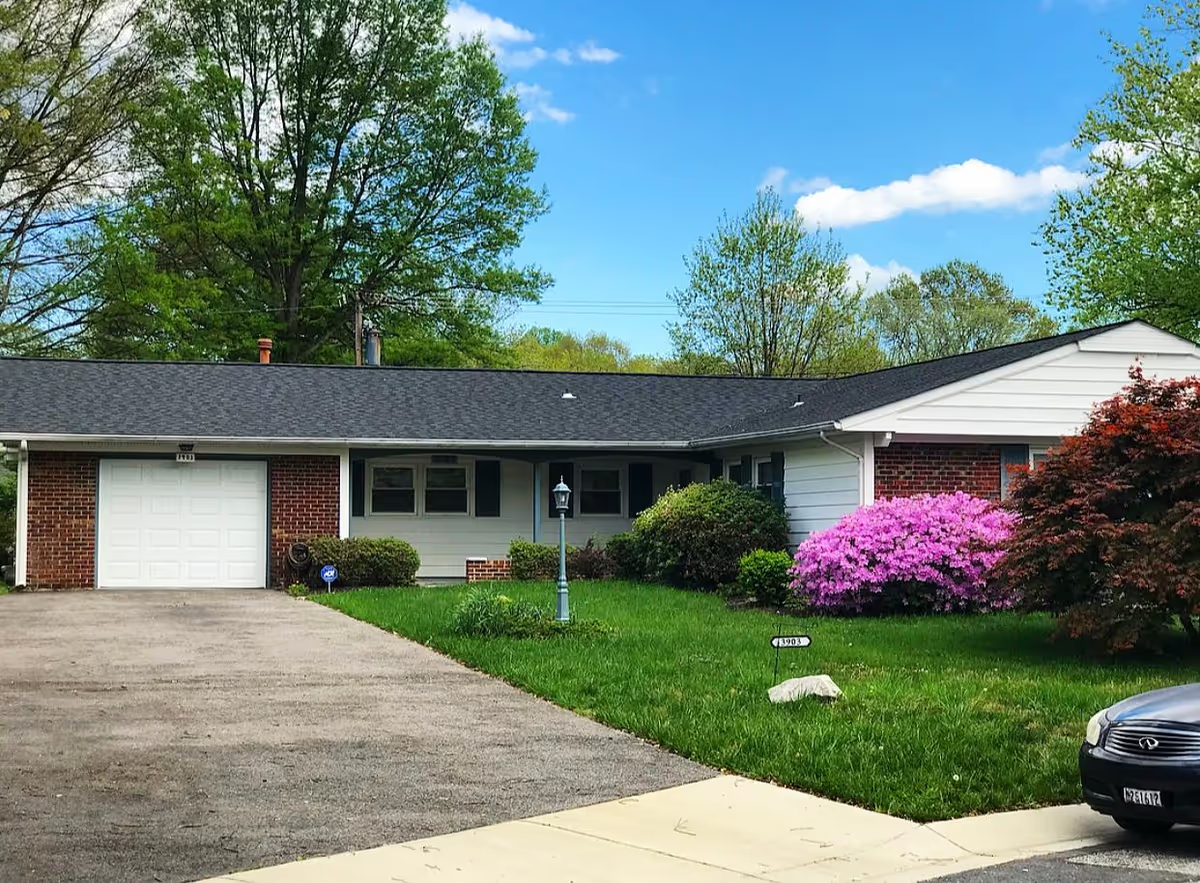
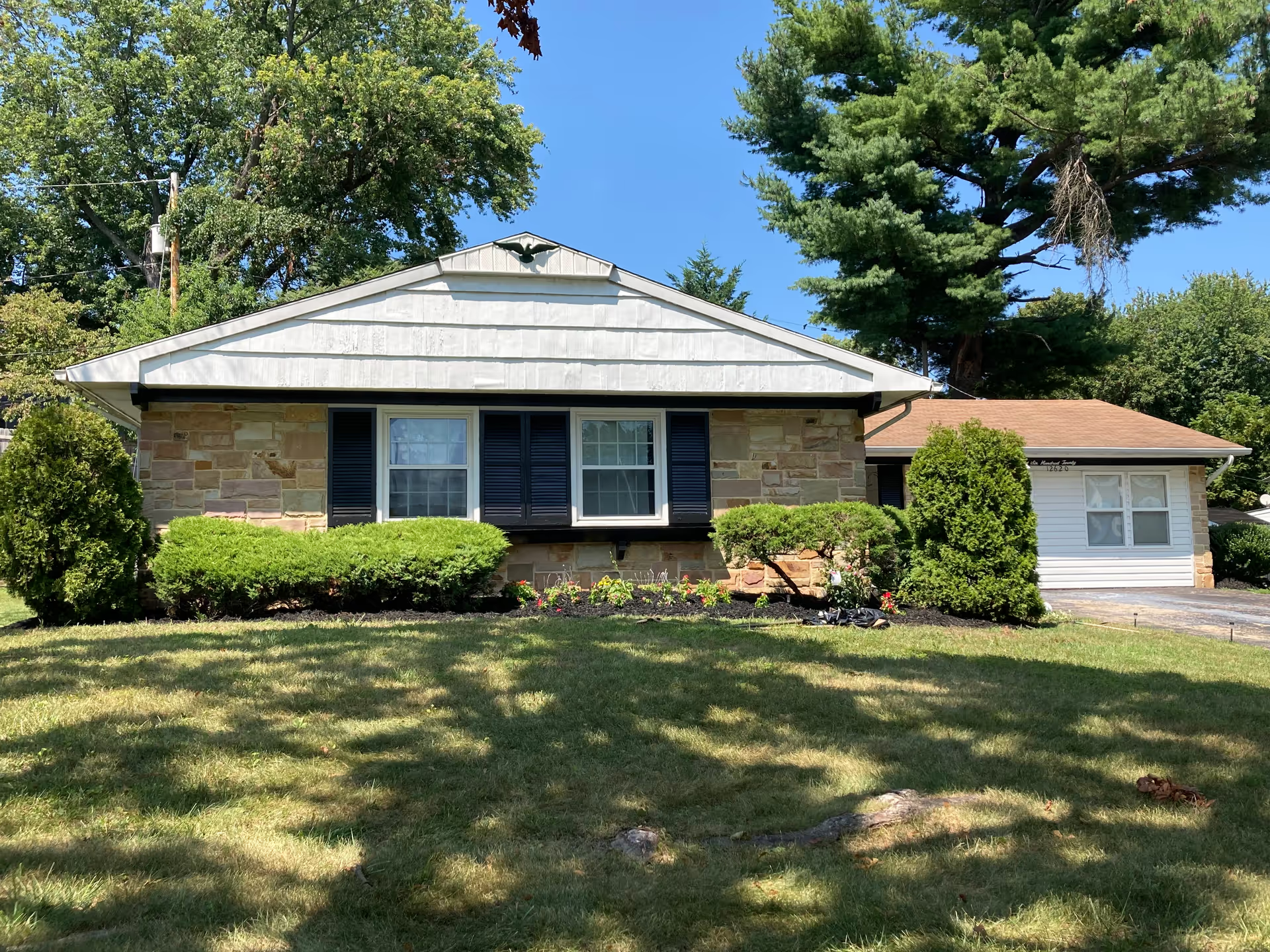
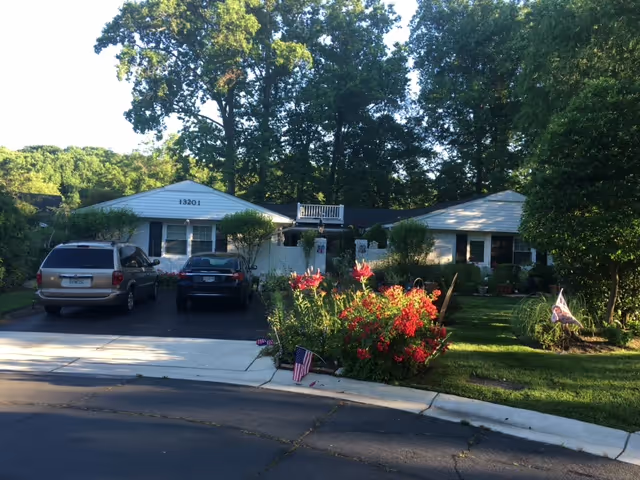
Overall impression: Reviews portray a small, home-like assisted living setting with a consistent emphasis on personalized caregiving, cleanliness, and a family-style atmosphere. Families and visitors repeatedly note that the interior is well maintained and pleasantly scented, common areas and the dining room are kept clean, and staff present as welcoming. The facility’s small scale is repeatedly framed as contributing to a quieter, more familiar environment where residents form bonds with one another.
Care quality and clinical services: Care is described as attentive and responsive. Reviewers note help with activities of daily living, medication management, mobility support, and fall-prevention practices. The provider appears able to support higher care needs to a stated level (age-in-place through level three) and offers specialized and hospice services when required. On-site or on-call therapists are available, and some families reported nightly checks and hands-on assistance with feeding and conversation for residents with cognitive impairment.
Staff and management: Staffing is frequently described as professional, gentle, and caring; many comments emphasize long-tenured, stable staff and engaged ownership and management. The owner and manager are characterized as experienced and accessible, and families often recommend touring the facility prior to placement. These managerial strengths appear to support continuity of care and positive family communication in many cases.
Dining and activities: Meals and snacks are generally described as nutritious and well presented; the dining area receives favorable comments for cleanliness. Activity programming tends toward smaller, social offerings — music, dancing, and photo-based calming approaches are specifically mentioned. However, activity breadth is limited by the home’s scale: programming is generally modest rather than extensive.
Facilities and safety: The facility emphasizes a home-like room layout with both private and shared-room options; private rooms are available but two-bed rooms are also used. Security features such as window alarms and secured gates are present to address wandering risk. Outdoor spaces and general maintenance are viewed positively. At the same time, reviewers noted operational gaps: shared-room configurations can restrict privacy and some communal spaces were described as darker or cluttered. There are also indications of variability in wander-risk management effectiveness and limited overnight staffing or supervision, which may affect families’ comfort in certain clinical situations.
Notable patterns and recommendations: The prevailing pattern is one of close, compassionate caregiving in a small, well-kept, family-like environment, supported by experienced management. Trade-offs associated with the facility’s small size include a narrower range of amenities and activities, reduced privacy in shared rooms, and potential limitations in overnight staffing and wander-risk control. Prospective residents and families are advised to tour the home, review room configurations and overnight-staffing arrangements, and discuss specific wander-risk and supervision protocols to determine whether the facility’s strengths align with the resident’s care needs.