Autumn Lake Healthcare at Ballenger Creek elicits strongly divided experiences. Many families describe successful short-term rehabilitation outcomes driven by an engaged therapy team and attentive direct-care staff; concurrently, a substantial set of operational weaknesses is described that affect clinical reliability, resident dignity, and family confidence. Prospective residents and families should weigh the facility’s demonstrated strengths in rehabilitation and social engagement against recurring operational concerns that appear to impact daily care and safety.
Care quality is described inconsistently across stays. Positive narratives emphasize effective rehabilitation after surgery, clear therapeutic progress, and capable wound-care nursing. However, other accounts describe delayed medication and pain-relief administration, slow or inconsistent delivery of prescribed treatments (including wound care and catheter management), and long response times for basic assistance. These patterns suggest variability in clinical reliability and timeliness of care, with particular vulnerability during night shifts and periods of staff shortage.
Staffing and staff conduct present a mixed picture. Numerous reviewers singled out individual caregivers, CNAs, and therapists for being compassionate, skilled, and motivating; several therapists and aides were named for exemplary care. At the same time, families reported inconsistent presence of RNs and leadership, difficulty contacting the Director of Nursing, staff inattentiveness (phones/earbuds while on duty), language or communication barriers, and concerns about tone or bedside manner. Night staffing and supervision were repeatedly identified as weaker compared with daytime coverage.
Dining and nutrition are frequent areas of concern. Recurrent comments describe meals arriving late or cold, incorrect orders, and perceived under-provision of protein and appropriate textures for therapeutic diets. Many families supplemented meals with brought-in food. Dining inconsistencies appear to be a persistent operational issue rather than isolated incidents.
Activities and social programming are a relative strength. Several accounts praise an active activities department and an engaged activities director who promote resident interaction, reduce isolation, and contribute to emotional well-being. This programming is frequently cited as improving quality of life for longer-term residents.
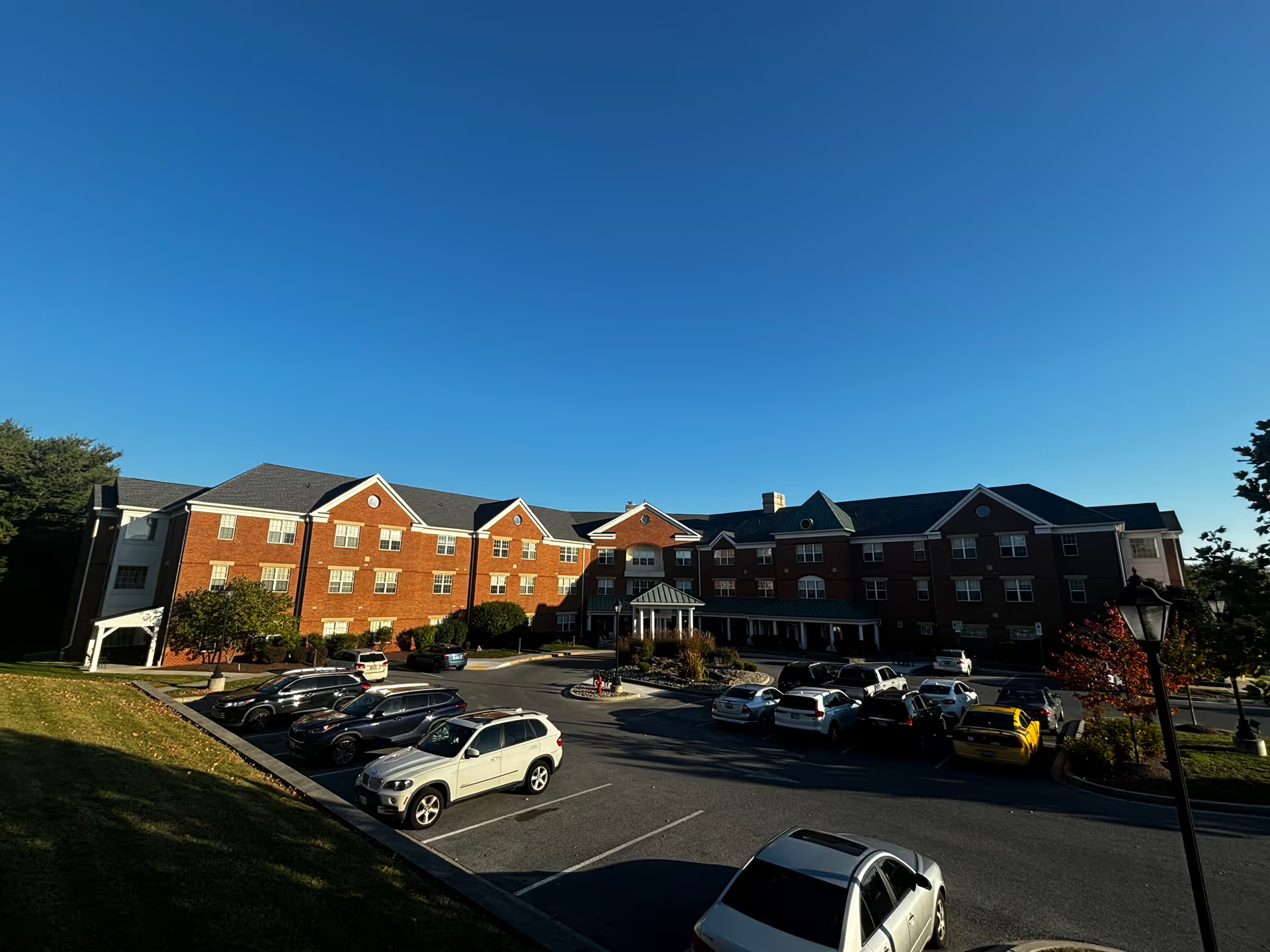
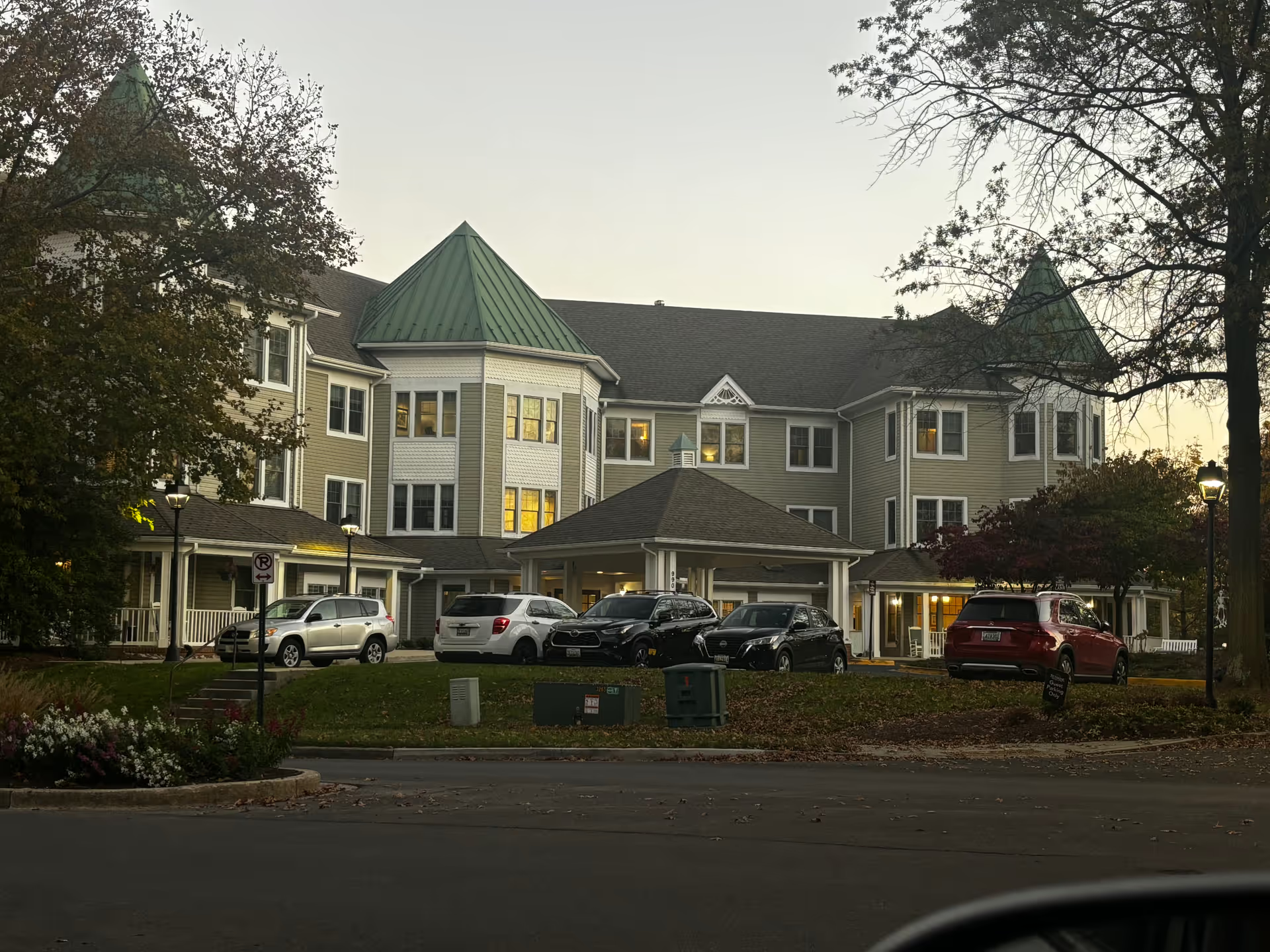
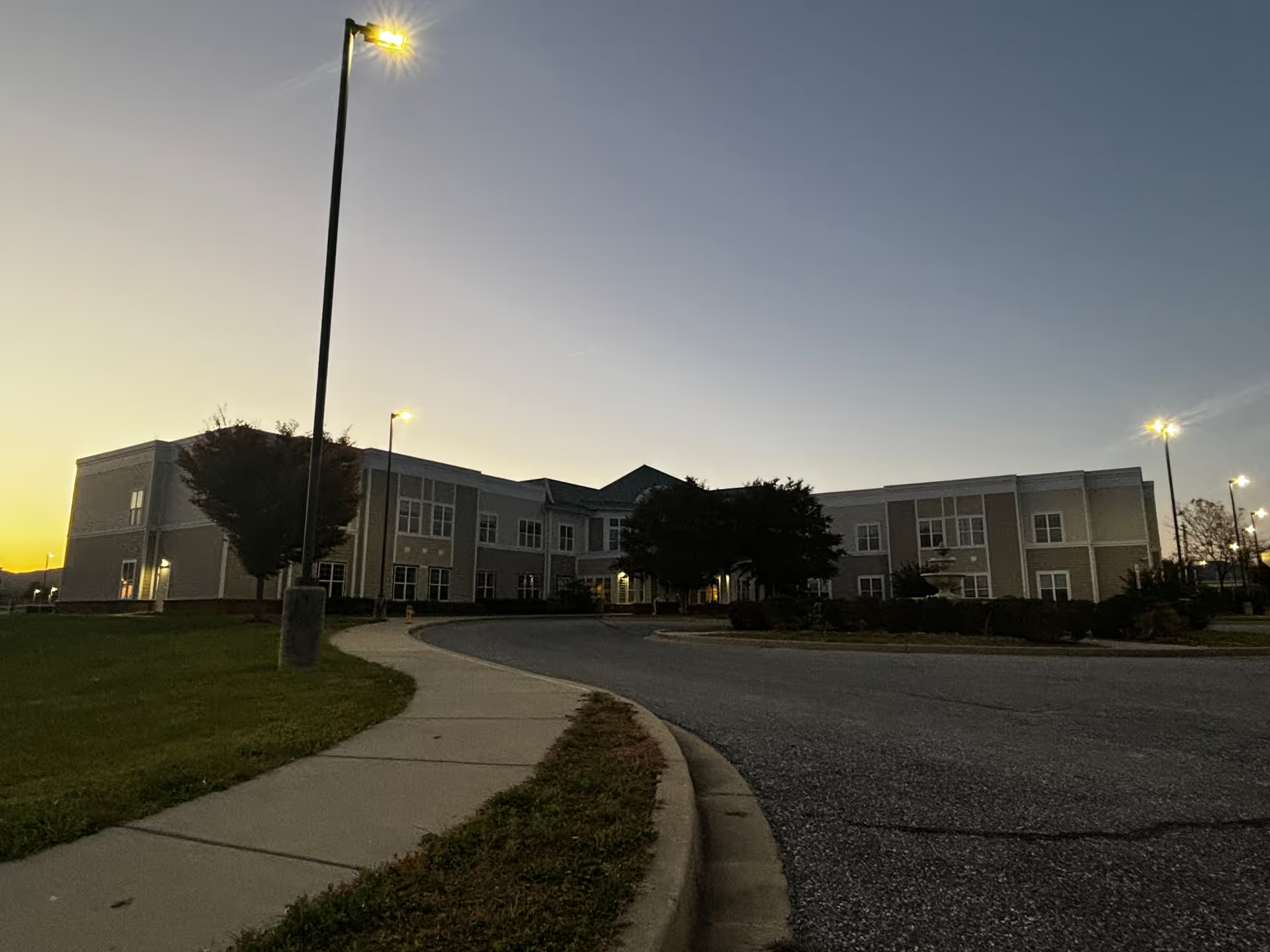
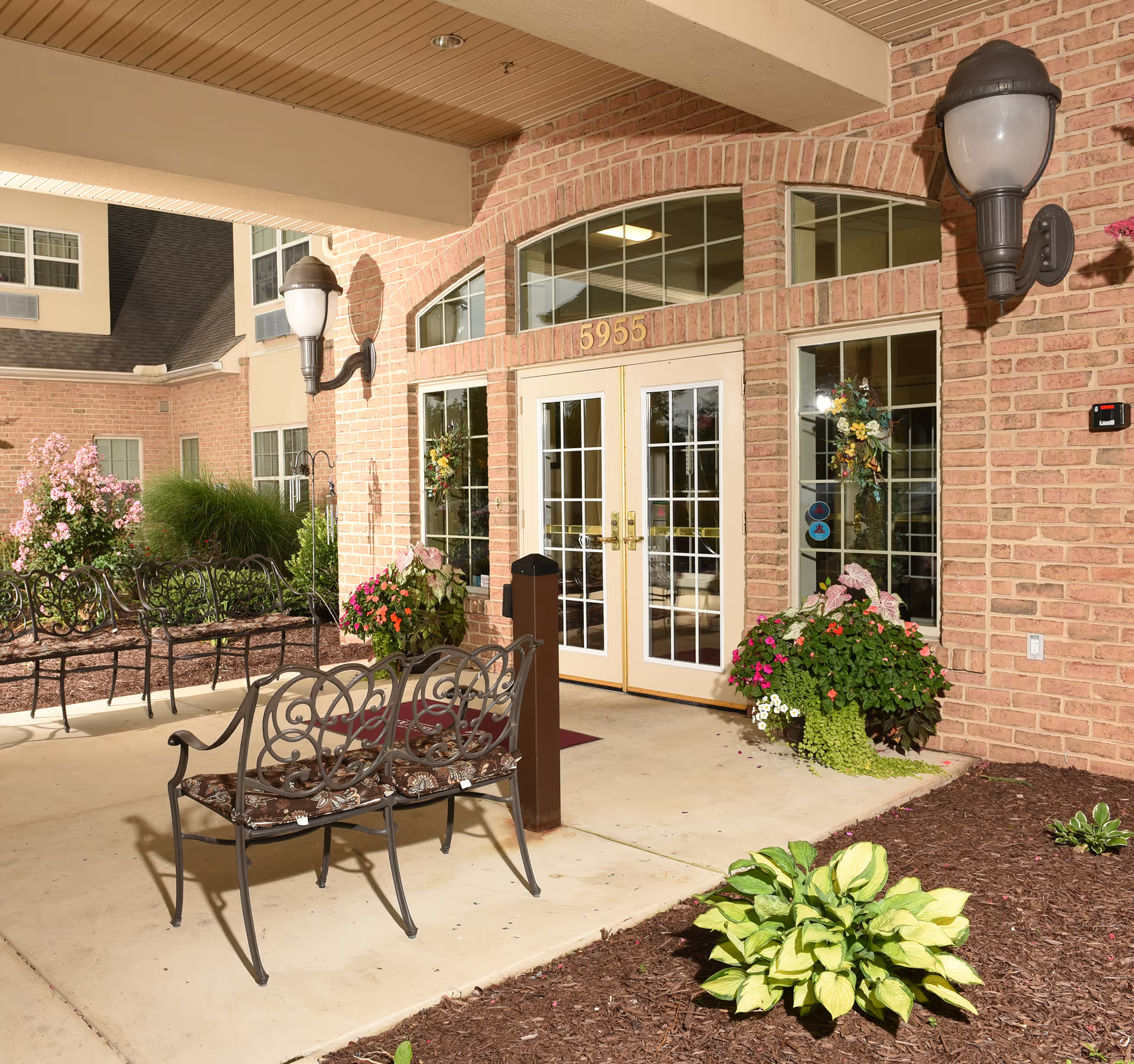
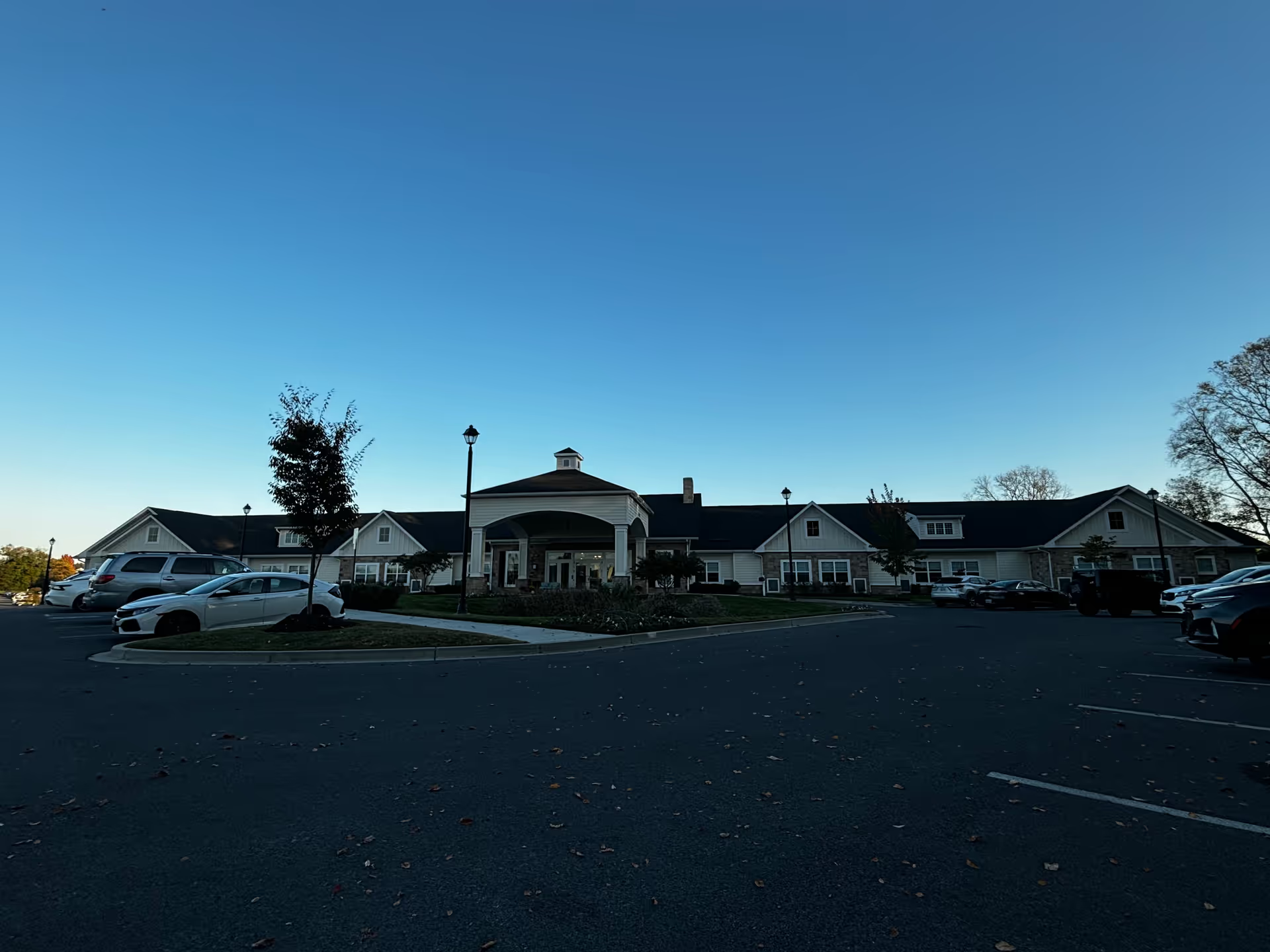
Facility condition and ancillary services show both positive and negative elements. The building and rooms are often described as clean and modern, with comfortable accommodations and convenient parking. Simultaneously, reviewers reported specific maintenance or housekeeping lapses (broken ice maker, delayed showers, bathroom cleanliness variability, and need for additional deep cleaning or painting in areas). Security and personal-property handling drew concern in multiple accounts, with allegations of lost or mishandled belongings.
Management, communication, and administration are inconsistent. Some families found front-desk staff and on-site managers responsive and able to resolve issues; others experienced delayed or ineffective leadership engagement, difficulty reaching clinical leaders, billing irregularities, and perceived third-party influence over care. These administrative inconsistencies amplify clinical and operational concerns when families seek timely explanations or remediation.
Notable patterns across reviews are the contrast between a high-quality, outcomes-oriented therapy program and persistent operational weaknesses that affect daily living and safety: slow call response, inconsistent nursing coverage, medication/treatment delays, dining variability, and housekeeping/infection-control gaps. For families considering this facility, recommended due diligence includes observing call-button response times, asking about RN and DON on-site hours, clarifying meal and therapeutic-diet procedures, reviewing property-handling and billing policies, and meeting the core therapy and nursing teams who would manage the resident’s care.