Reviewer sentiment for this facility is strongly mixed, with a clear polarization between families who describe consistently positive, home-like care and those who identify operational and management weaknesses. On the positive side, many families emphasize attentive, compassionate caregiving, respectful staff–resident interactions, and an intimate residential environment. Common strengths include private, roomy accommodations with ample natural light, a clean interior, and staff who are accessible and communicative. Several reviewers specifically praised fresh, homemade meals and a sense of dignity and companionship among residents.
Care quality and staffing are described unevenly. Numerous comments attest to capable caregivers who assist with daily needs, medication support, toileting and feeding assistance, and improved outcomes for some residents after transfer. However, other accounts raise concerns about staff conduct and responsiveness; these are serious enough in a few cases to include allegations and reference to regulatory findings. Prospective families should note both the frequent praise for individual caregivers and the existence of significant conduct-related concerns raised by others.
Dining and activities also show variability. Many reviewers praise daily fresh, home-cooked meals and varied menus, while other reviewers describe small portions and low-quality food. Activities range from engaged arts-and-crafts sessions to descriptions of minimal outings and a sparse activity schedule. The pattern suggests an inconsistent program emphasis — some residents experience an active communal life, while others encounter limited programming or infrequent supervised outings.
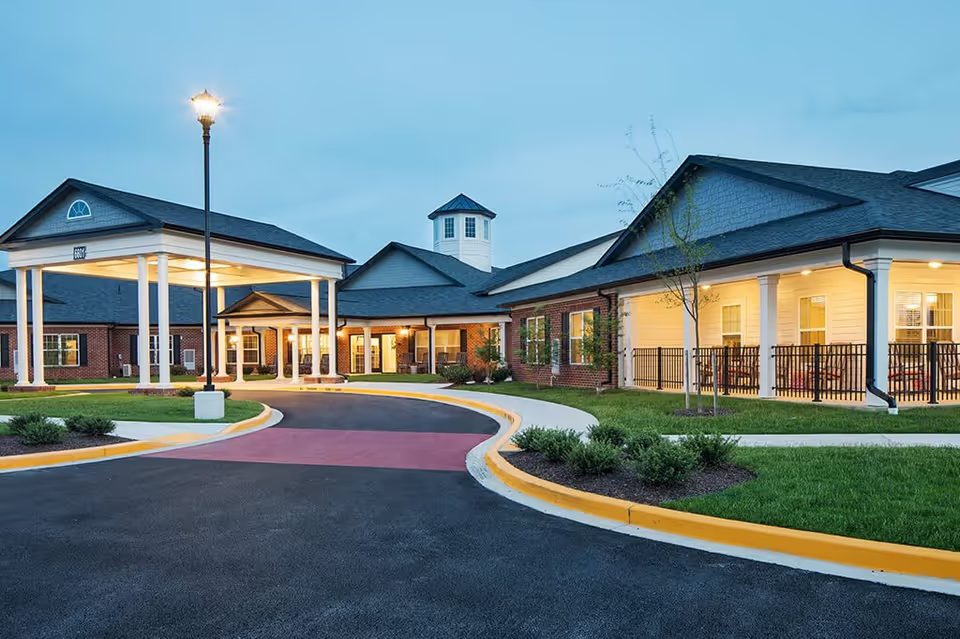
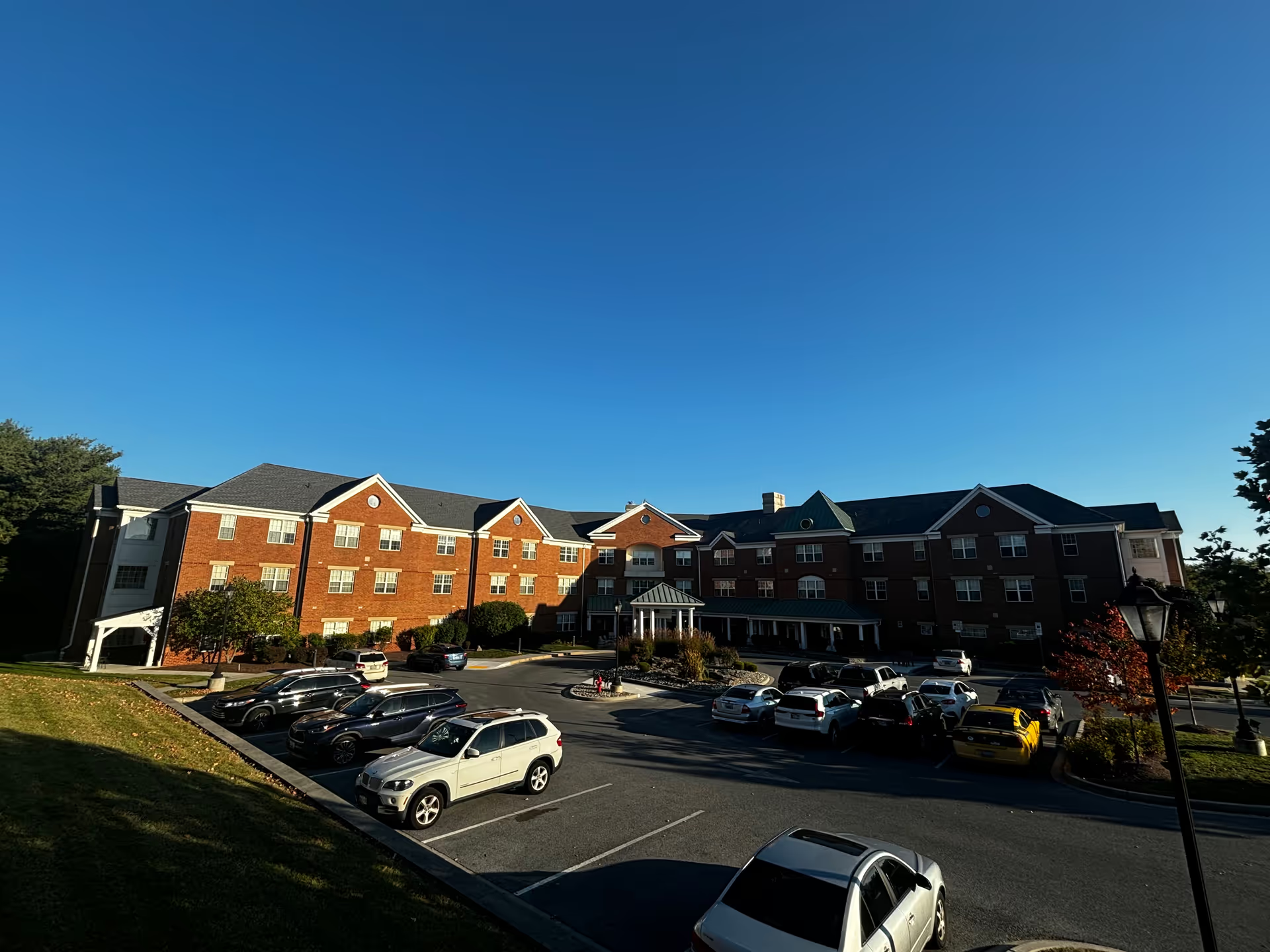
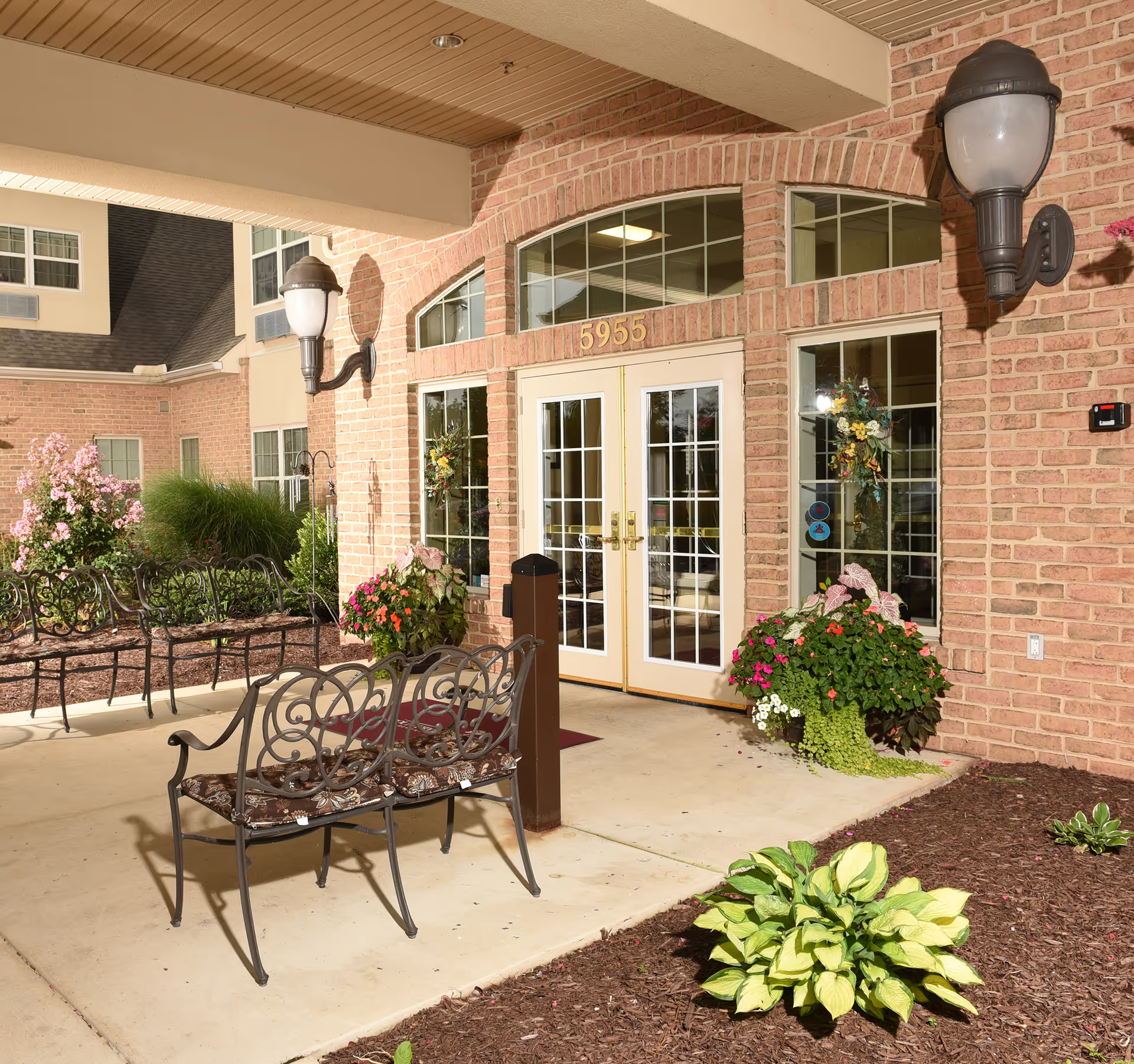
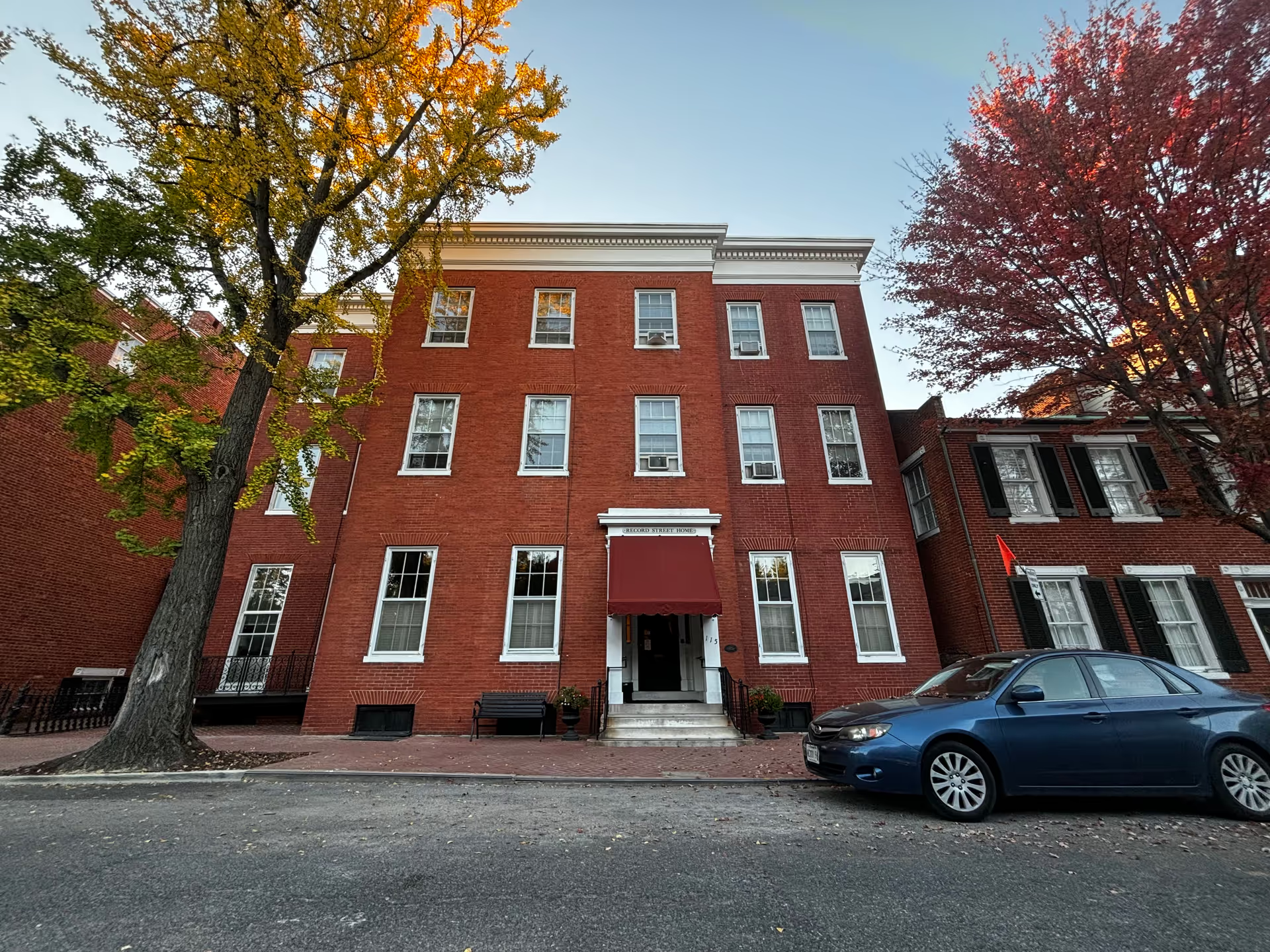
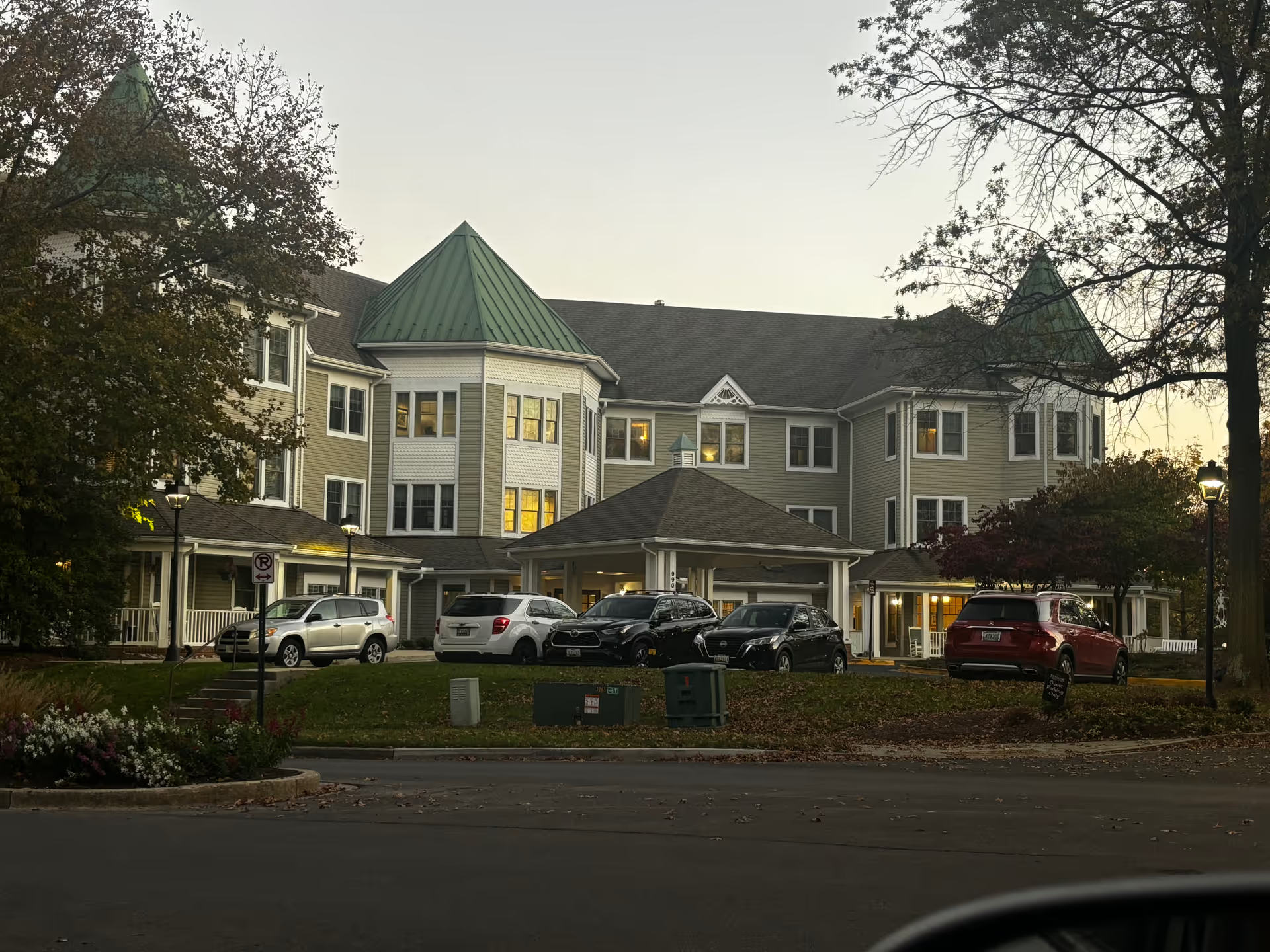
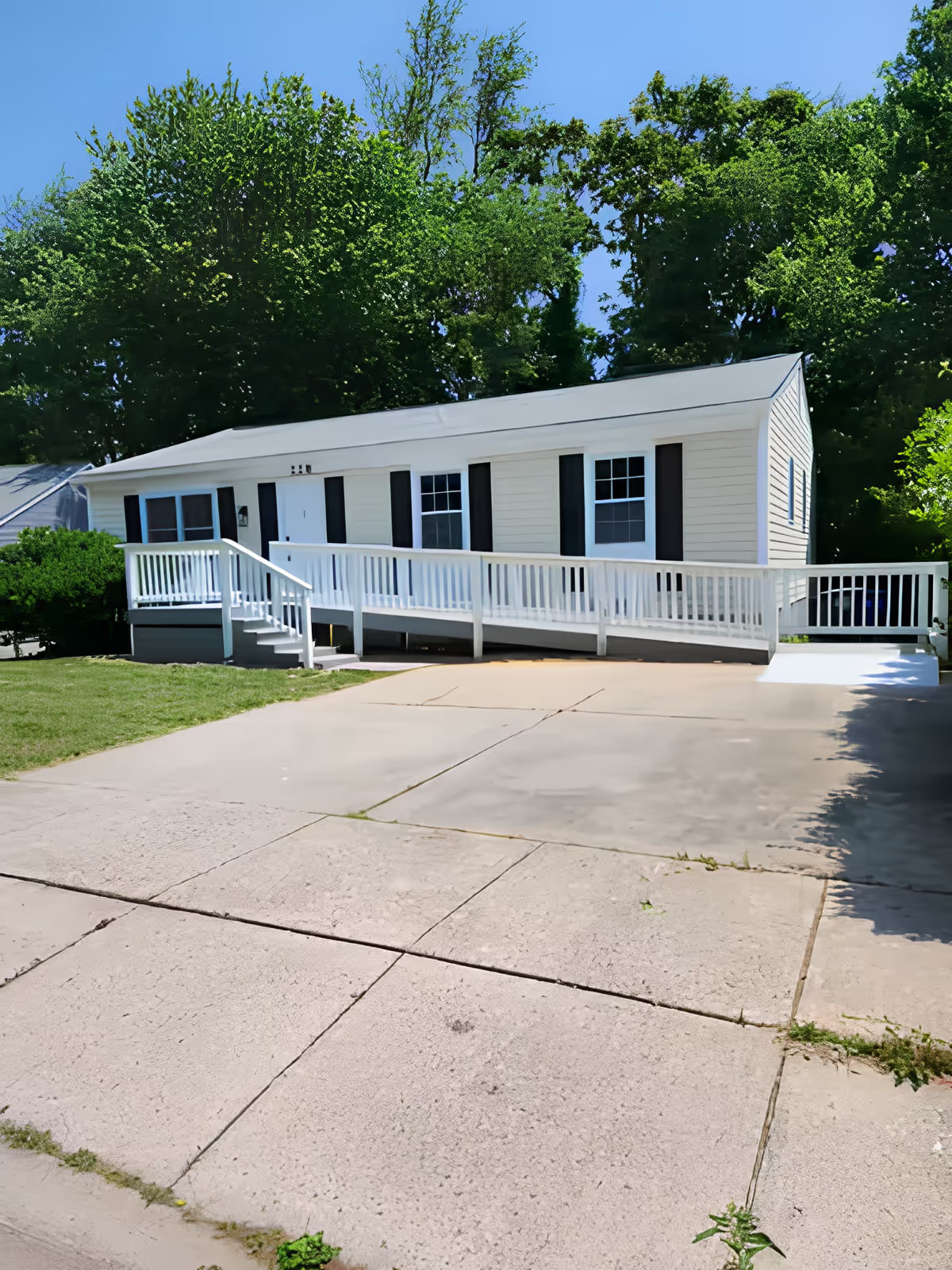
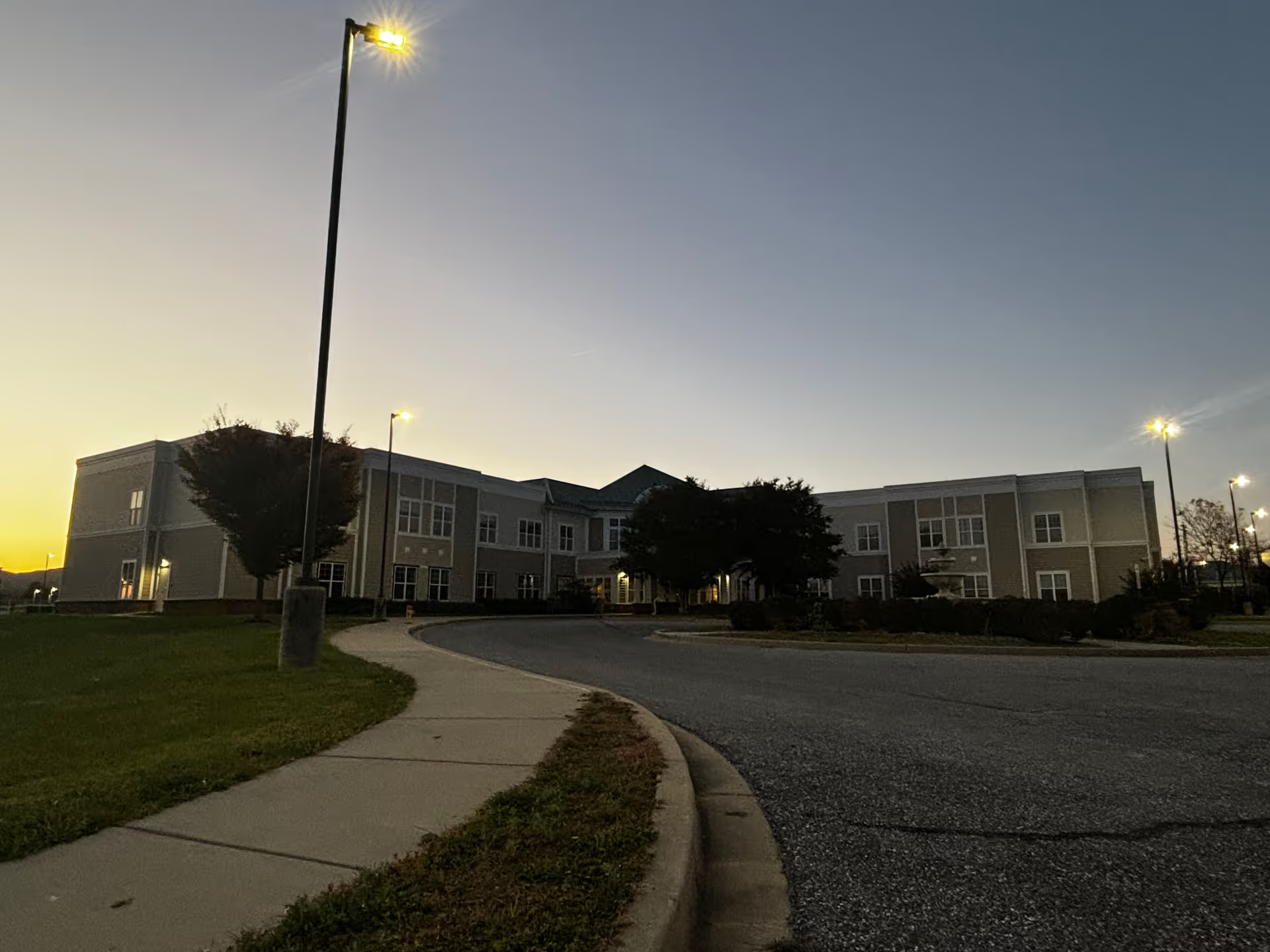
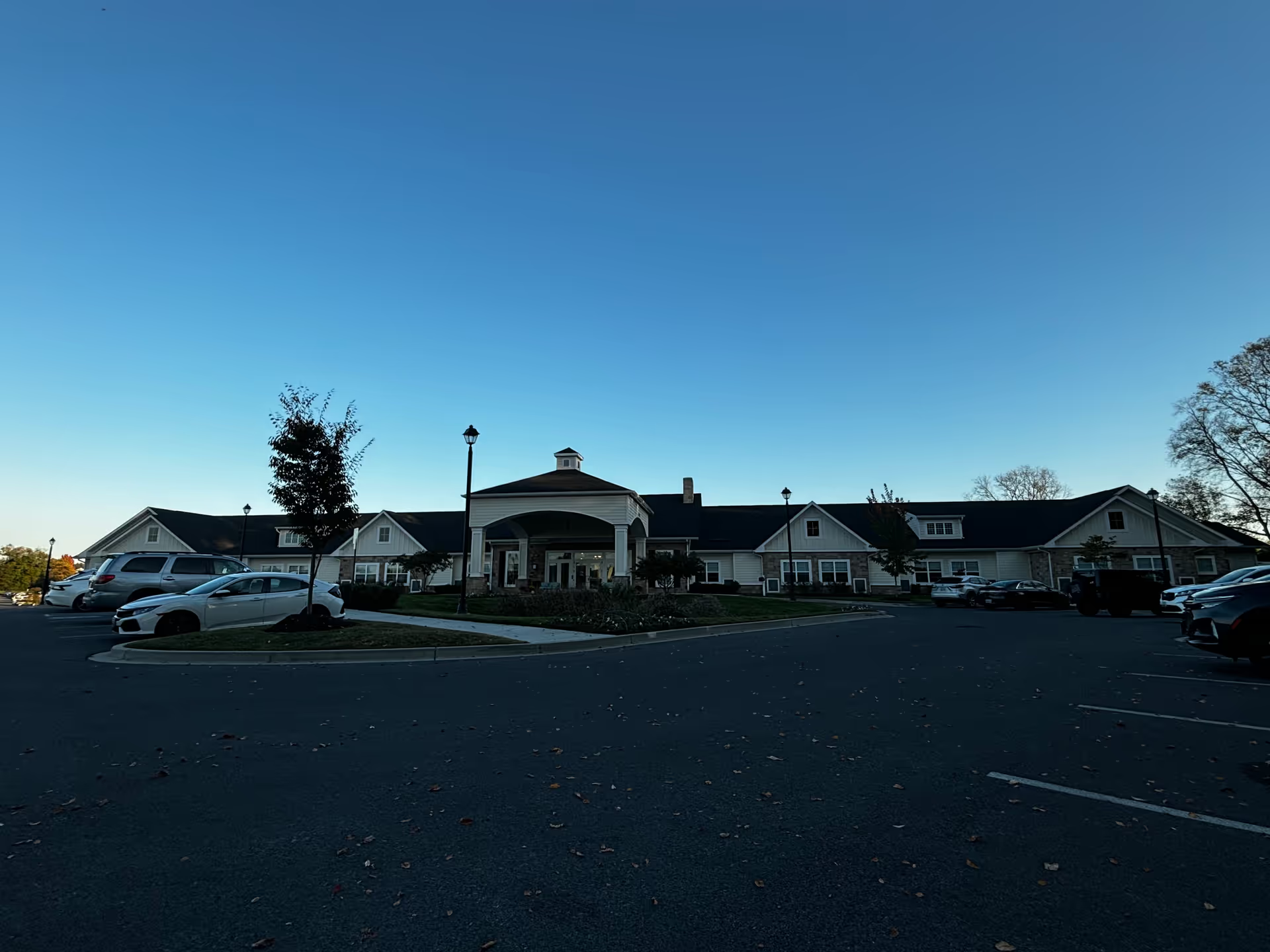
Facility and operational issues recur in reviews. The building and grounds are frequently described as clean, home-like, and well-maintained, with large windows and pleasant outdoor views. Conversely, multiple reviews describe problems with temperature control and ventilation (rooms or common areas being too hot, HVAC not consistently used), operational supply gaps (malfunctioning hand-drying equipment, missing consumables), and variability in sanitation practices. Transportation and clinical-visit continuity were also noted as inconsistent, and respite care availability appears limited.
Management and cost are another tension point. Some families commend the owner and administrative staff for being helpful and involved; others criticize management decisions, express dissatisfaction with perceived value for the monthly fee, and question responsiveness on larger operational issues. There are also concerns that memory-care services advertised may not meet the needs of some residents.
Overall, the facility shows strengths typical of a small, home-style setting: close staff–resident relationships, individualized attention, and a clean, quiet environment for many residents. At the same time, persistent operational issues — inconsistent programming, food and supply management variability, temperature control, transportation and clinical-visit reliability, and serious conduct-related allegations — lead to widely divergent family experiences. Prospective residents and families should tour during mealtimes and an activities period, ask about HVAC and supply protocols, request documentation of regulatory history and staffing practices, and confirm whether the facility’s memory-care capabilities match the resident’s clinical needs.