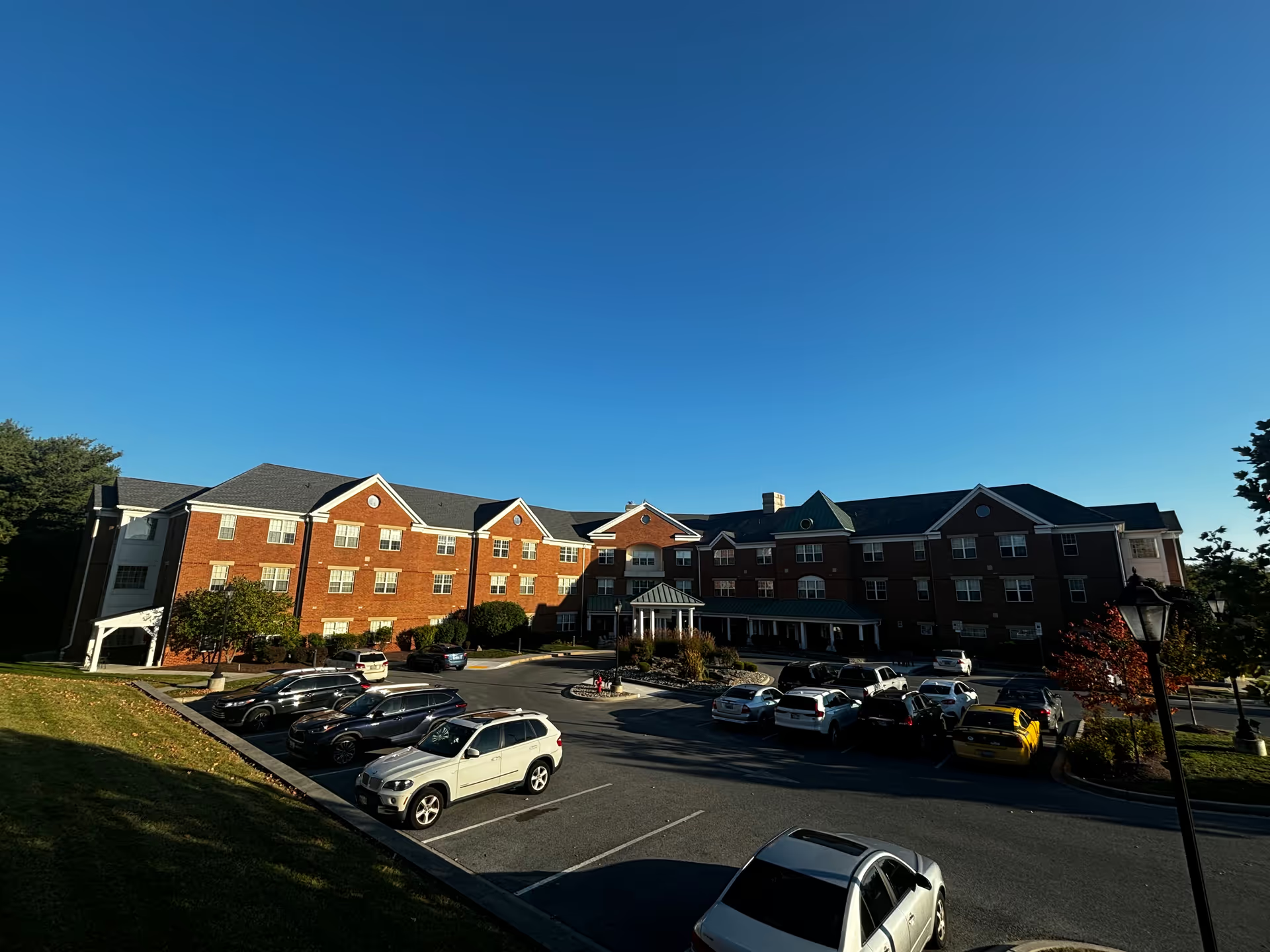
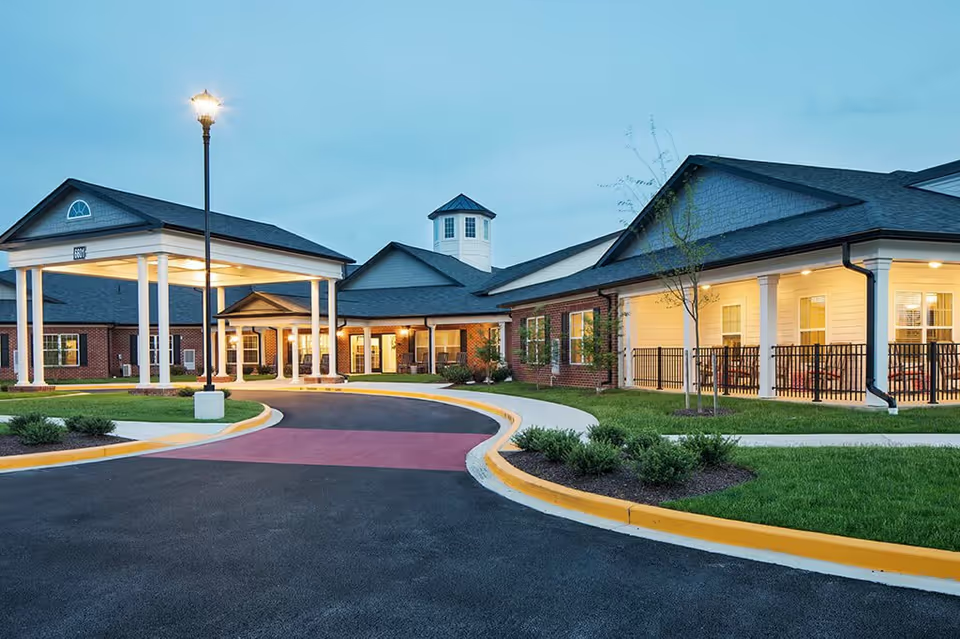
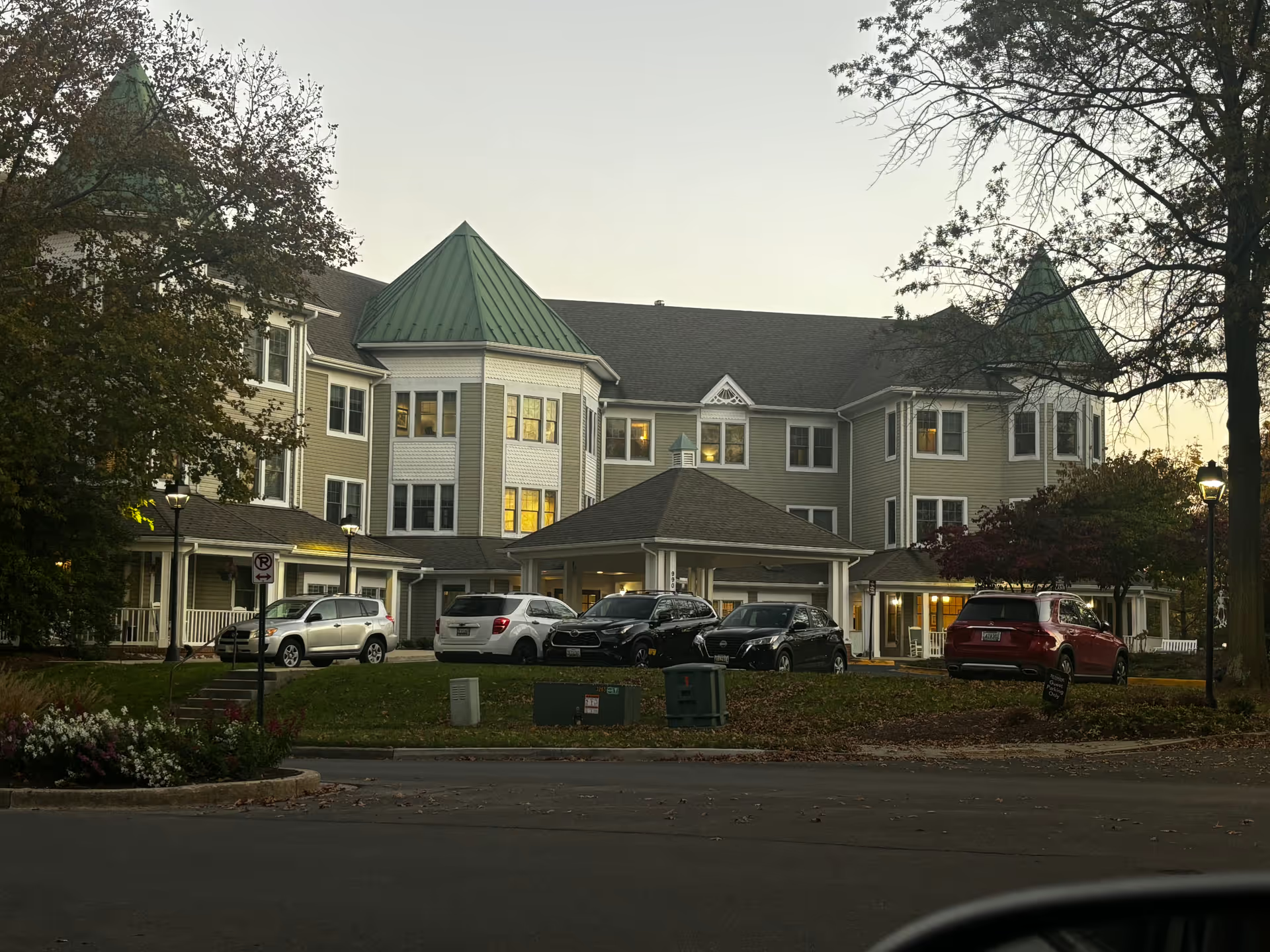
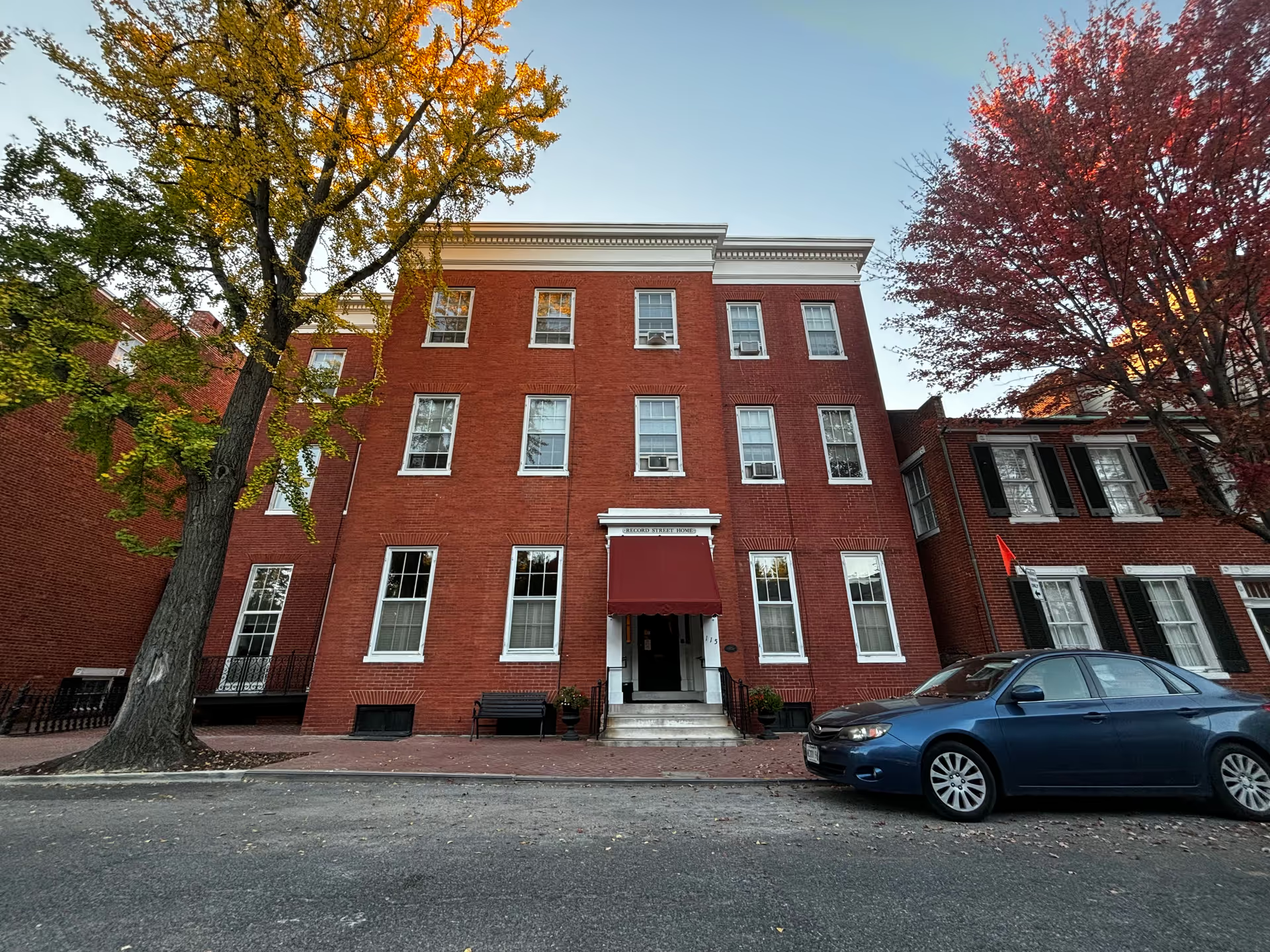
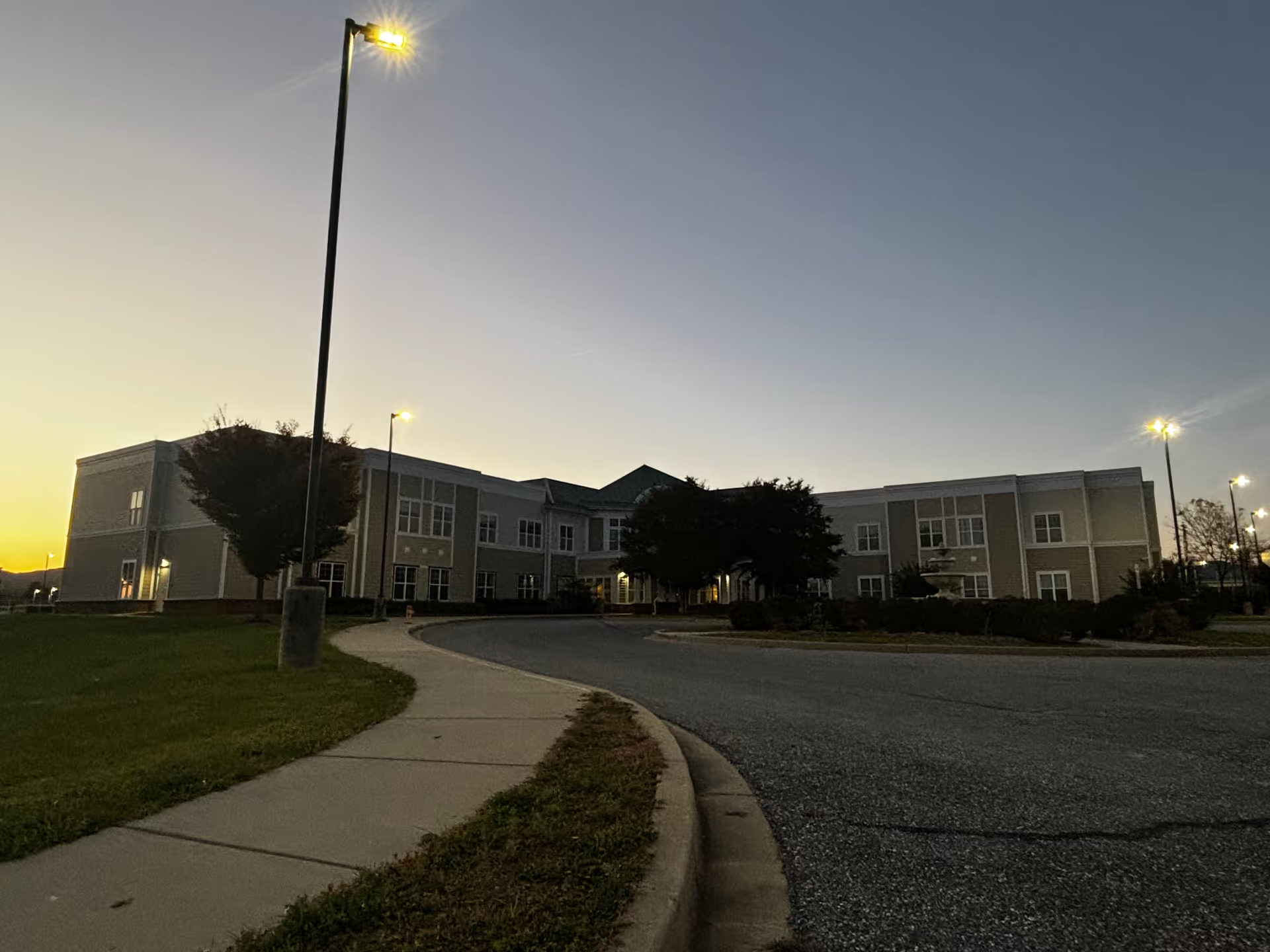
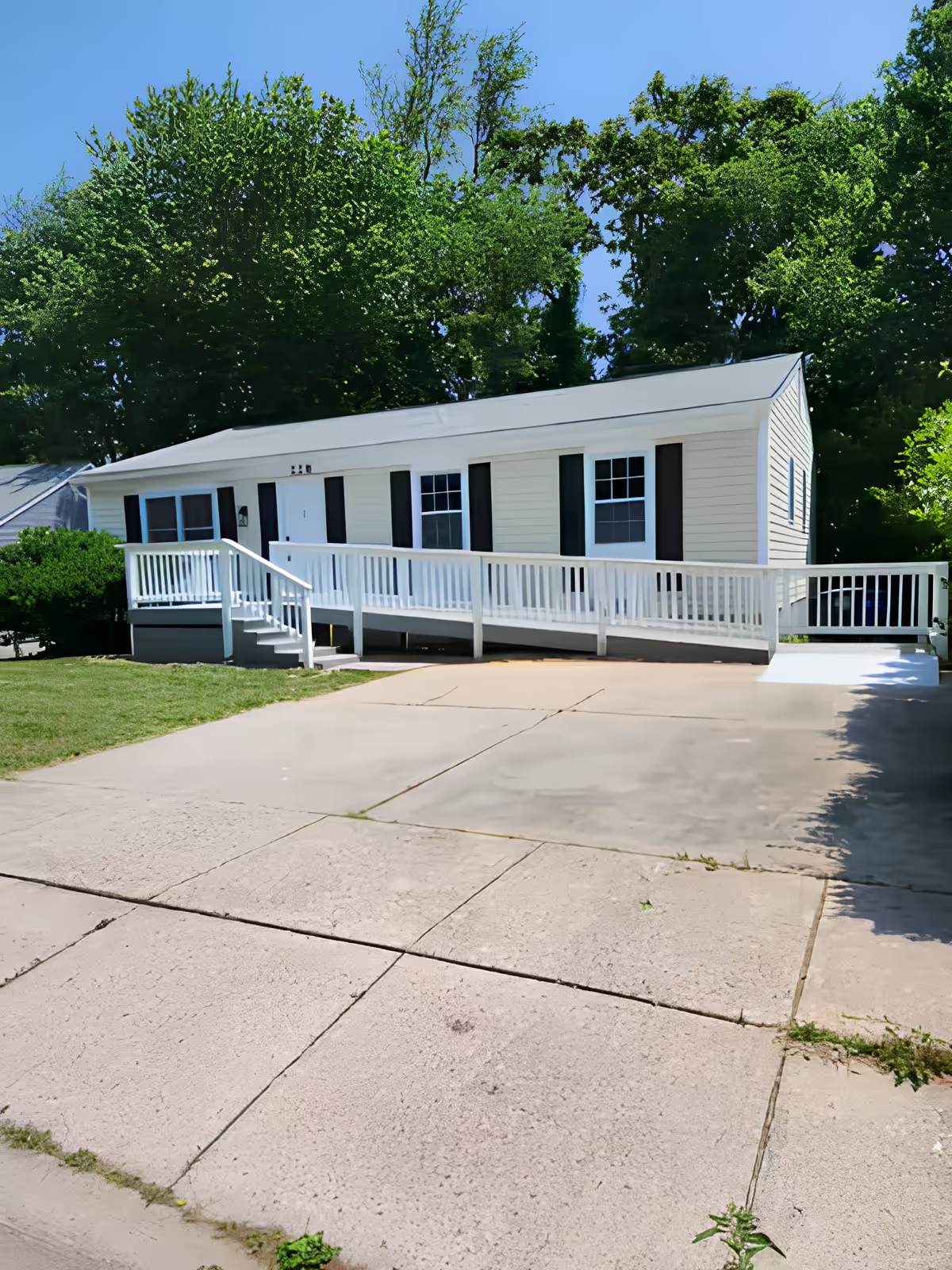
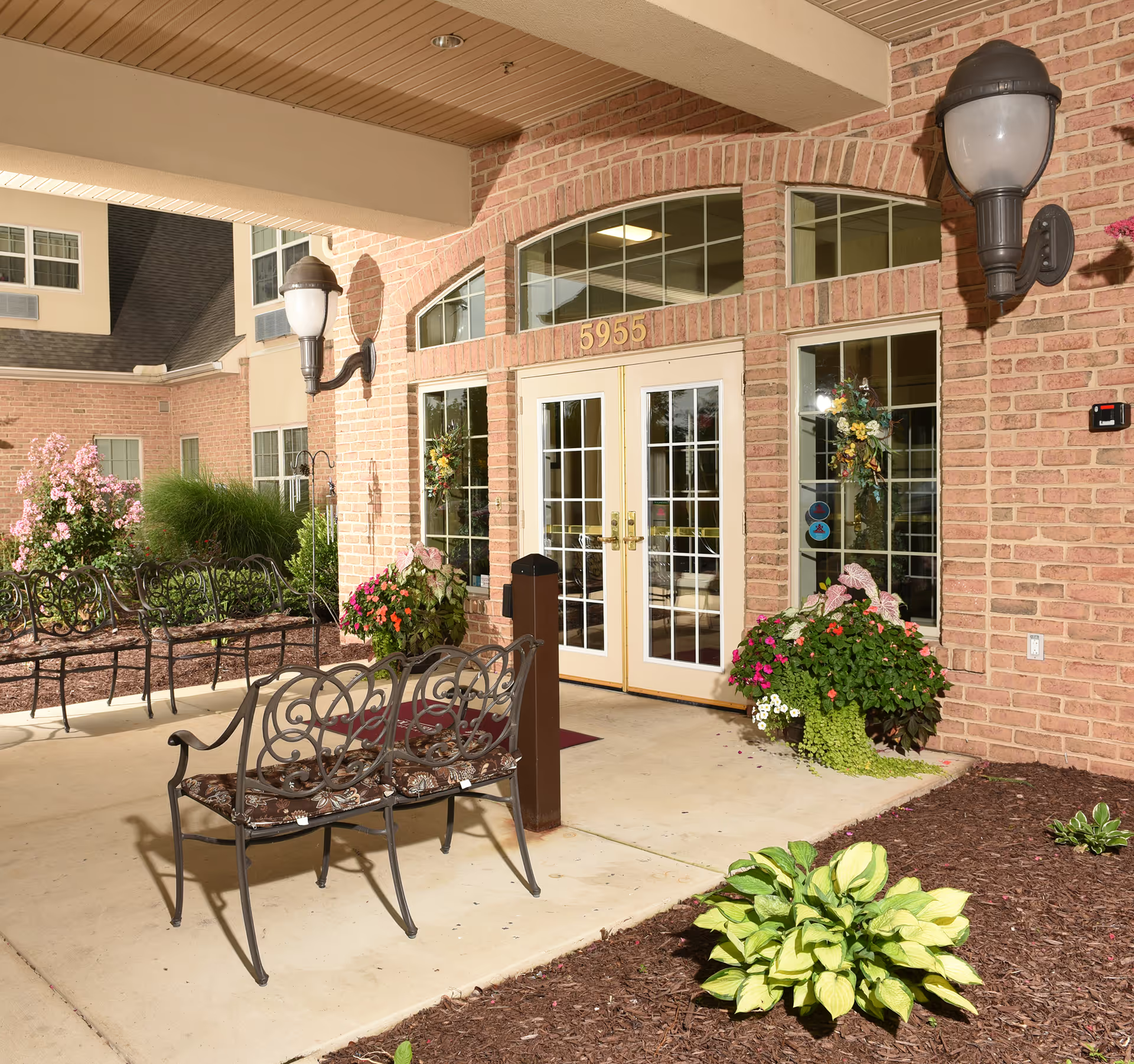
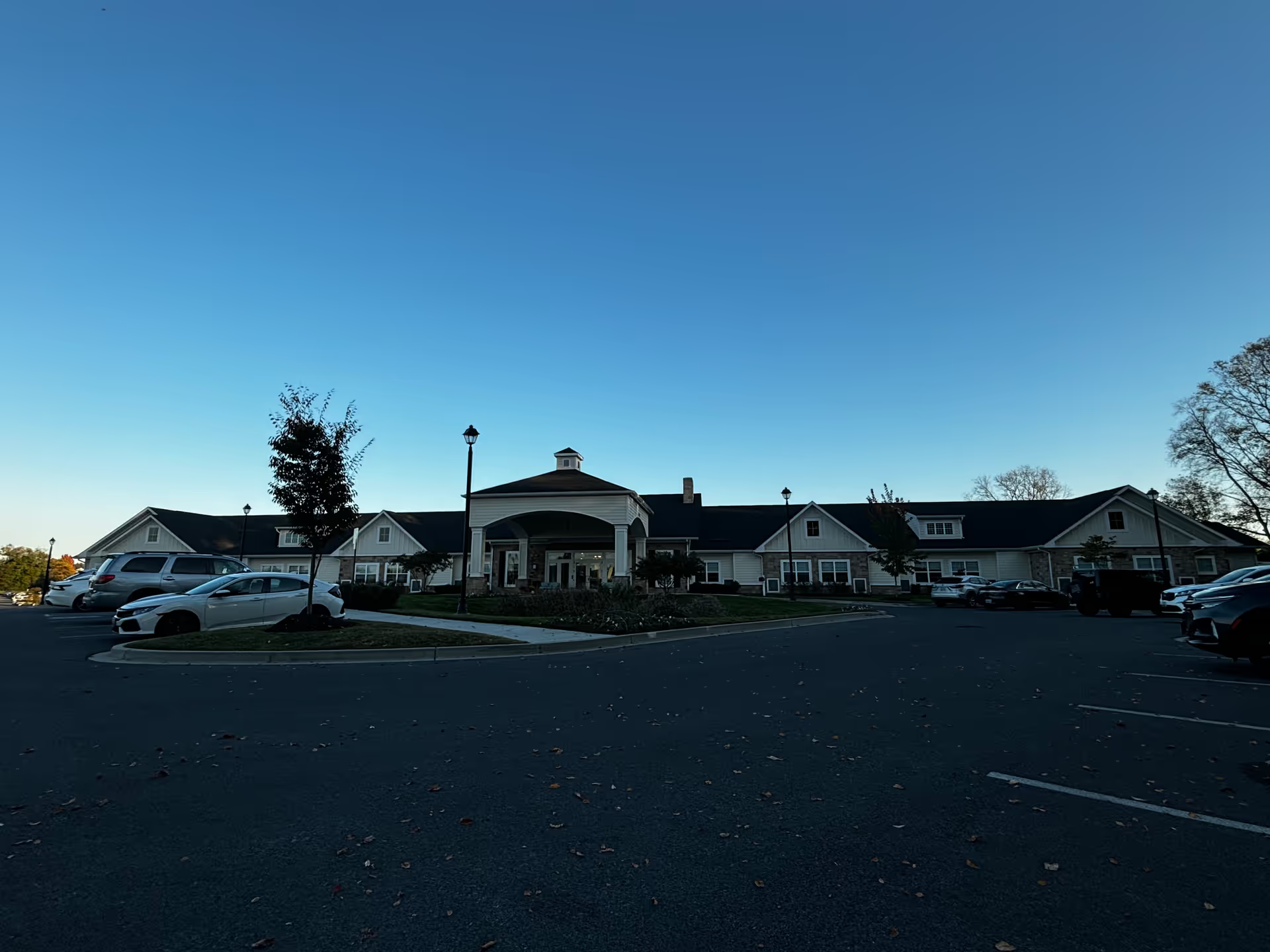
Edenton Frederick is described as an established, self-contained retirement community offering a broad range of living options — independent cottages and apartments, assisted living, memory-care, and on-site rehabilitation — with a consistent emphasis on staffed support and care coordination. Families and residents frequently cite attentive, compassionate caregivers and a long-serving staff base as major strengths; many note daily checks, medication support, and active coordination of medical appointments as contributors to family peace of mind. The community offers typical campus amenities (transportation, beauty shop, chapel) and a 24-hour security presence, which together support a sense of safety and convenience.
Dining and activities are prominent features of the campus. There is an on-site dining program with flexible meal-plan options and a broad activity calendar that includes exercise classes, bingo, trivia, chorus, outings and social events. Several accounts emphasize a pleasant dining room and social patio atmosphere, while others describe variability in the day-to-day meal quality and occasional perceptions of high food charges. Overall, the activities program is comprehensive and provides many engagement opportunities, though individual participation varies.
Facility and unit conditions are mixed but generally positive. Reviewers commonly describe clean, bright interiors, well-maintained grounds, and mansion-style common spaces alongside spacious cottages and units with included appliances and generous bathrooms. At the same time, there are recurring operational constraints: some apartment layouts have small kitchens, a subset of independent homes lack washers/dryers, and access to the main activity or dining areas may require outdoor walking for certain residences — a practical consideration in inclement weather. A few comments also point to uneven building age and condition across the campus.
Operationally, the facility is praised for strong leadership and a helpful admissions experience in many cases, but families also raise concerns about cost and availability. Fees and ancillary charges are described as intimidating by some families, and there is limited availability of larger two-bedroom units, producing waitlists and delayed moves for those seeking specific layouts. Communication and attention-to-detail are generally good but have occasional lapses in handoffs and supply management, and there are isolated concerns about fall-safety practices and how incidents are communicated to families.
Care for residents with dementia or more advanced behavioral needs is an area to weigh carefully. While the community has a memory-care unit and staff who can manage behavioral issues, a portion of families felt the assisted-care environment could be overly clinical or that dementia care required additional patience or specialized capacity. Prospective residents and families should discuss specific dementia staffing ratios, training, and behavioral protocols during touring and admission.
In summary, Edenton Frederick presents as a well-rounded, campus-style community with strong, relationship-oriented caregiving, robust amenities, and a wide activities program. Key decision points for families are cost transparency, unit-type availability (particularly for larger units), dining expectations, and whether the community’s dementia-care approach matches a loved one’s needs. Those who value a well-maintained, socially active campus with attentive staff are likely to find strengths here; families seeking top-tier dementia specialization, guaranteed immediate availability of large units, or uniform high-end dining should confirm those specifics with management prior to commitment.