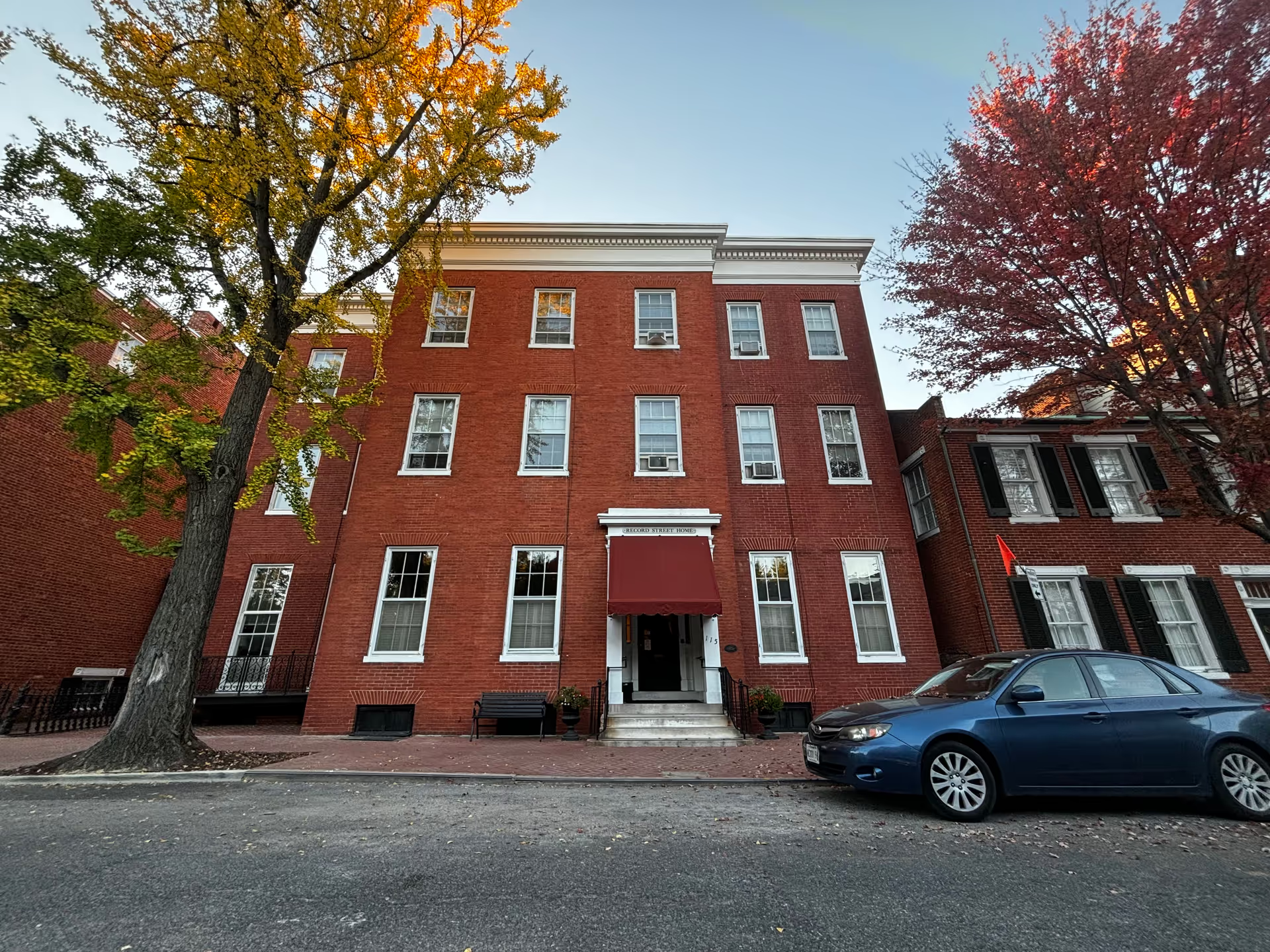
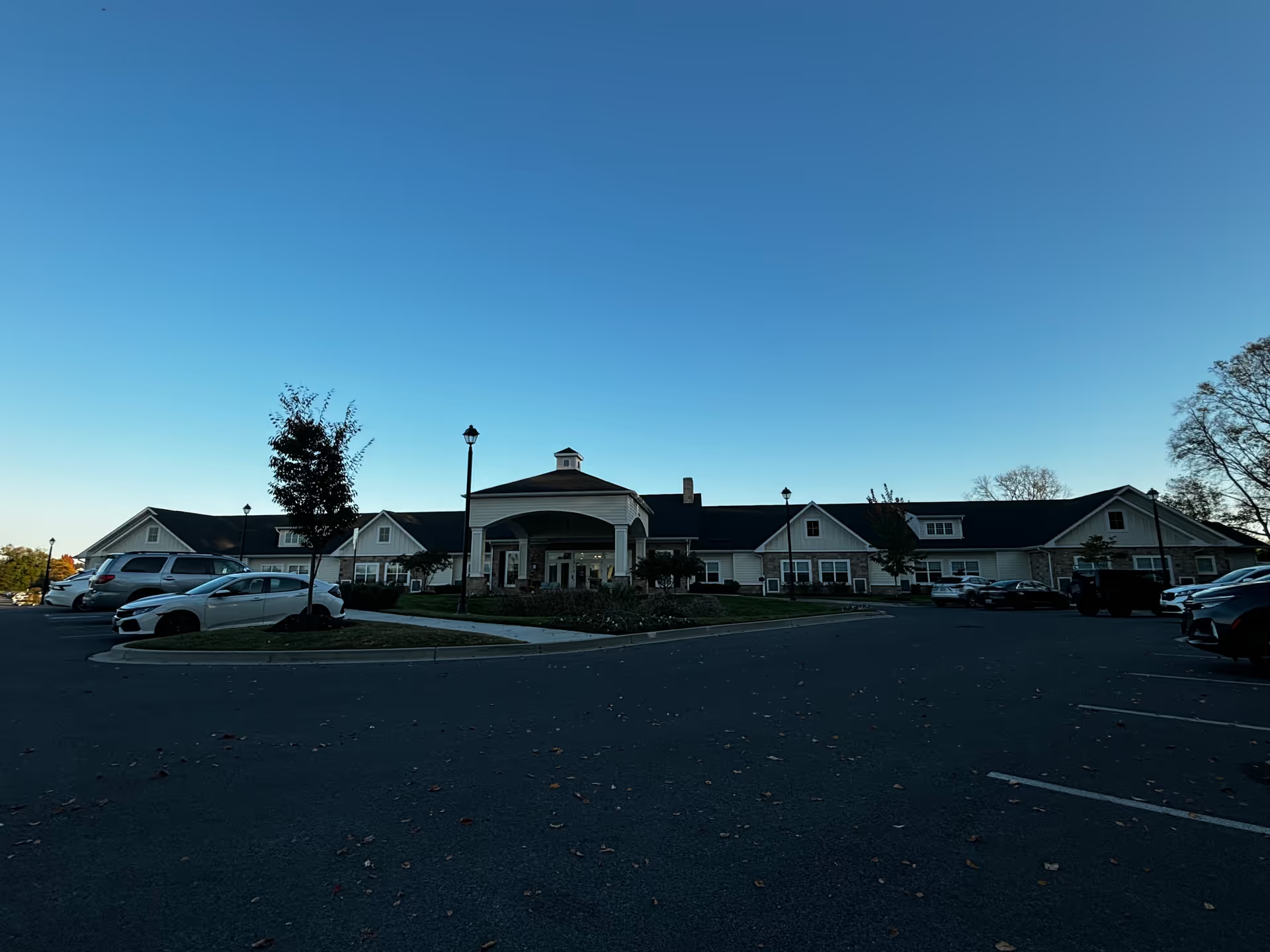
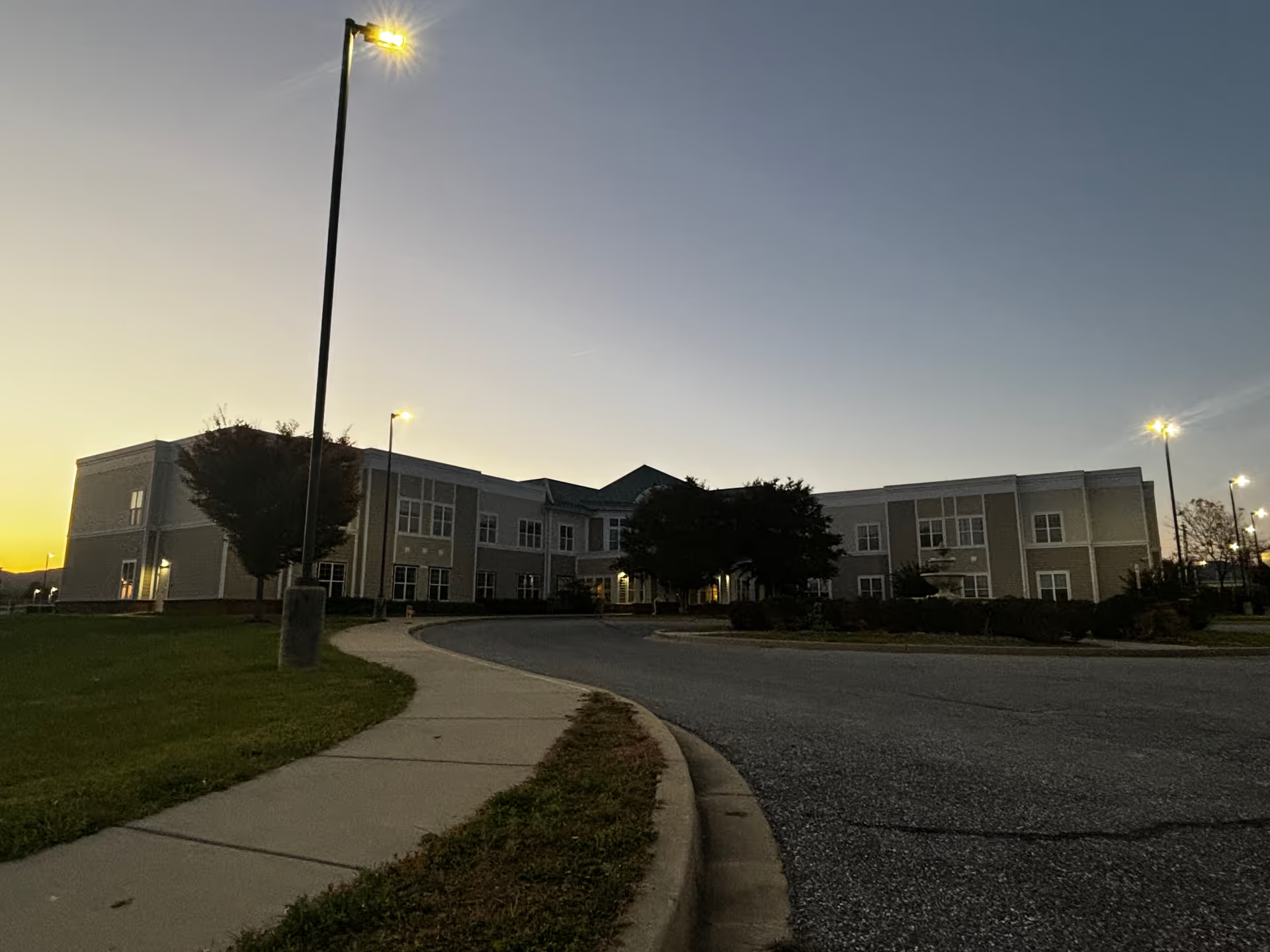
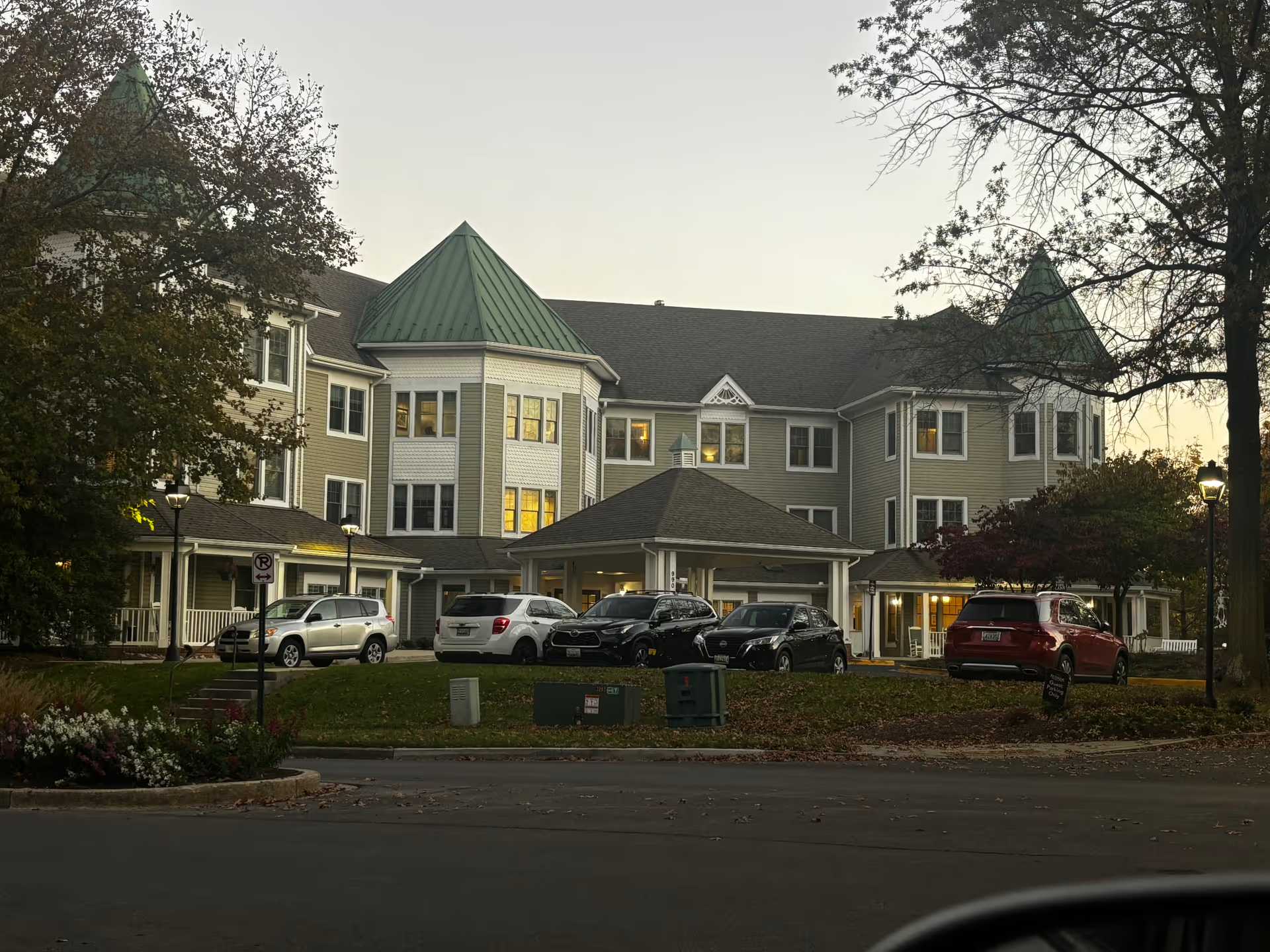
Reviews of Northampton Manor present a mixed but consistent pattern: the facility is frequently praised for its rehabilitation services, activity programming, and many frontline staff, while operational and clinical consistency are recurrent concerns.
Care quality appears variable. The rehabilitation team (physical and speech therapy) is widely cited as a strong point — families describe rapid mobility gains, daily therapy opportunities, and therapists who actively support recovery. Conversely, reviewers raised significant concerns about medical and nursing consistency: delayed medication or pain relief, missed or abbreviated therapy sessions at times, delays in responding to clinical needs, and cases where clinical escalation and hospital-transfer protocols did not meet family expectations. These issues indicate uneven clinical oversight and training across shifts.
Staffing and direct-care themes are mixed. Numerous comments highlight compassionate, attentive CNAs, aides, and certain nurses who provide hands-on comfort and family communication. At the same time, persistent understaffing and shift-to-shift variability (notably weekend coverage) are linked to slow call-light responses, extended waits for toileting and personal care, and reduced availability of help during peak times. Some reviewers also described conduct concerns — for example, staff distraction during care or inconsistent professional tone — which compound perceptions of unreliable care.
Dining and housekeeping receive divergent comments. Some families find meals hot and enjoyable and praise the dining environment, while others report cold meals, limited protein options, carbohydrate-heavy menus, and poor accommodation for special diets. Housekeeping and sanitation also vary by report: many describe clean, bright rooms and well-kept common spaces, while other accounts note inconsistent cleaning, incontinence-care concerns, and odor issues in hallways and shared areas. These mixed findings suggest uneven adherence to housekeeping and food-service protocols.
Activities and facilities are generally viewed positively. The facility’s interior, room sizes, dining room, on-site beauty salon, and an active activities program (sing-alongs, social events) are frequently cited as strengths that support resident quality of life. However, activity availability may be reduced on weekends or for residents with limited visitation, which some families felt contributed to boredom for less-mobile residents.
Management and communication attract both praise and criticism. Admissions and certain department leaders receive commendations for helpfulness and communication. Conversely, several reviewers reported slow administrative follow-up, difficulty reaching Social Services or HR, and inconsistent family notifications during incidents. There are also a few serious, individual allegations — including concerns about missing belongings and questions about privacy/PII handling — that families should consider and, if relevant, discuss directly with facility leadership.
Overall pattern and guidance: Northampton Manor demonstrates clear strengths in rehabilitation and in many direct-care relationships, along with facility amenities that support social engagement. At the same time, recurring themes of staffing variability, call-response delays, inconsistent nursing competency, and uneven housekeeping and meal service point to operational gaps that can affect safety and comfort. Prospective residents and families should weigh the strong therapy and activity offerings against these operational risks, ask specific questions about staffing ratios and weekend coverage, review medication and escalation protocols, and request evidence of dietary accommodations and housekeeping schedules before placement.