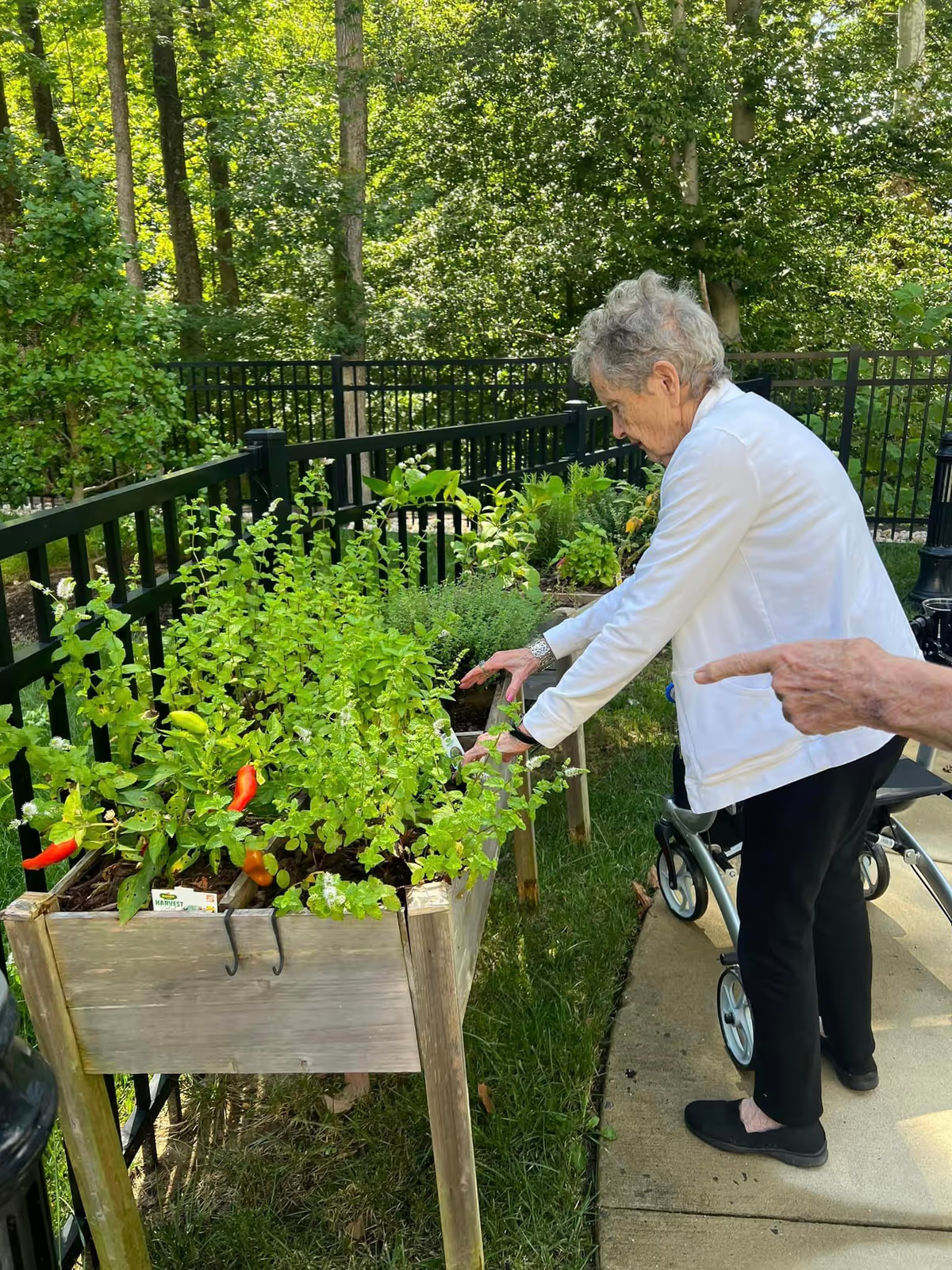
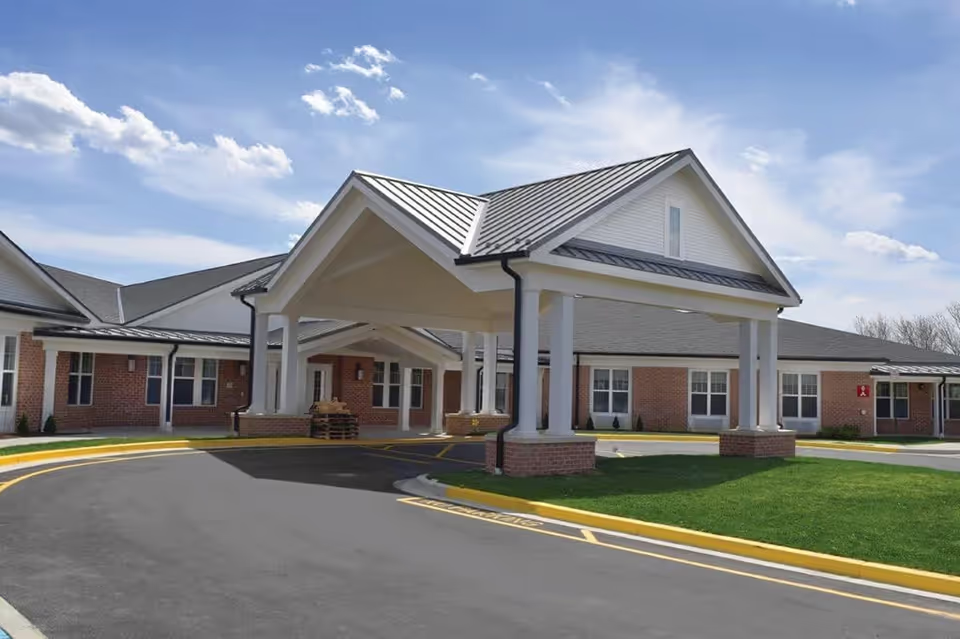
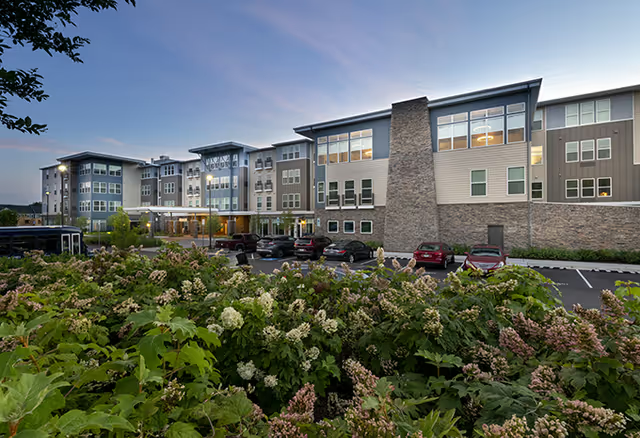
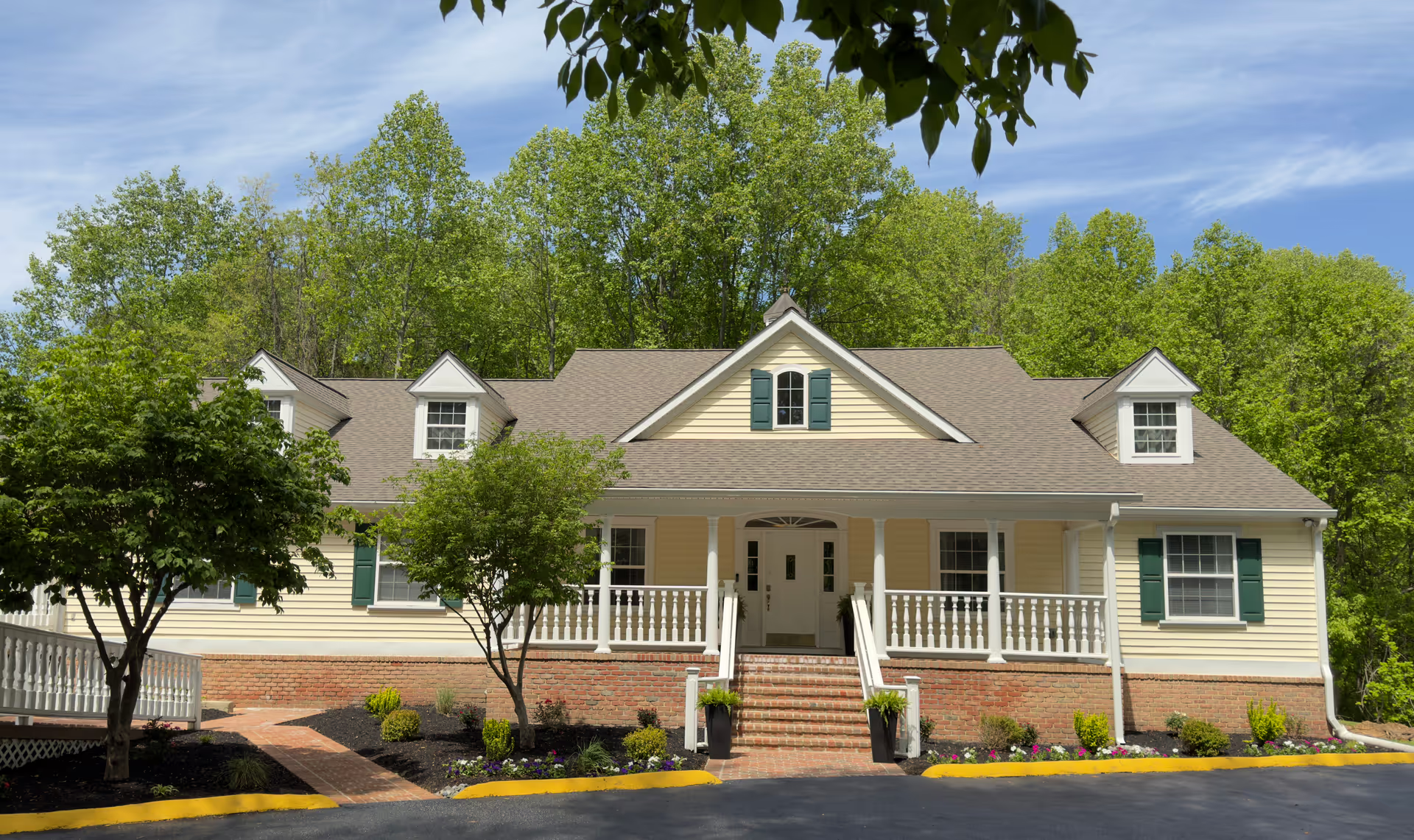
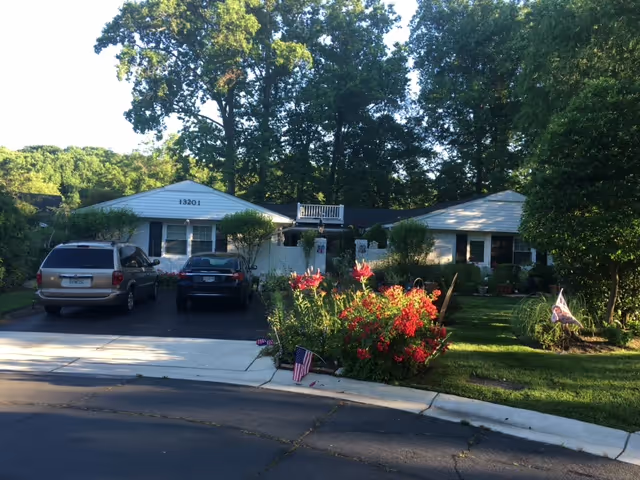
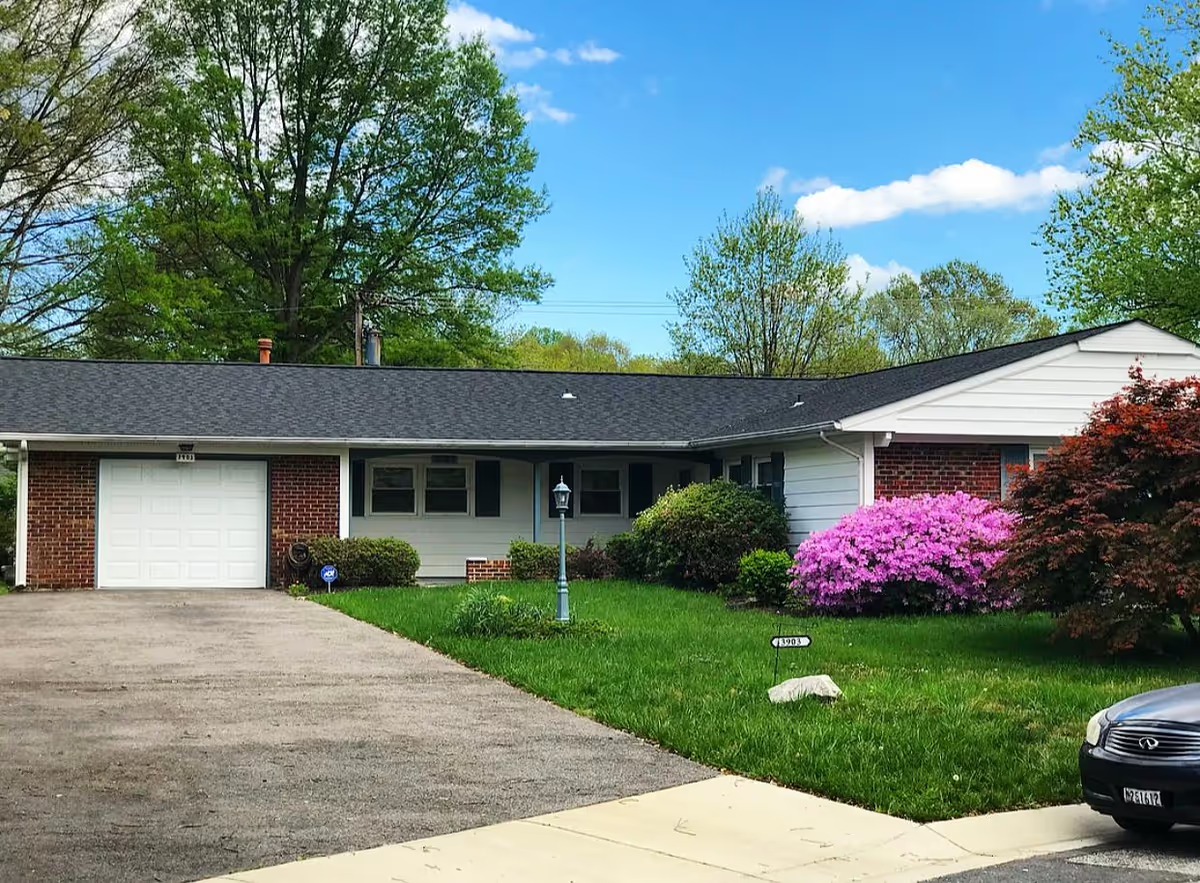
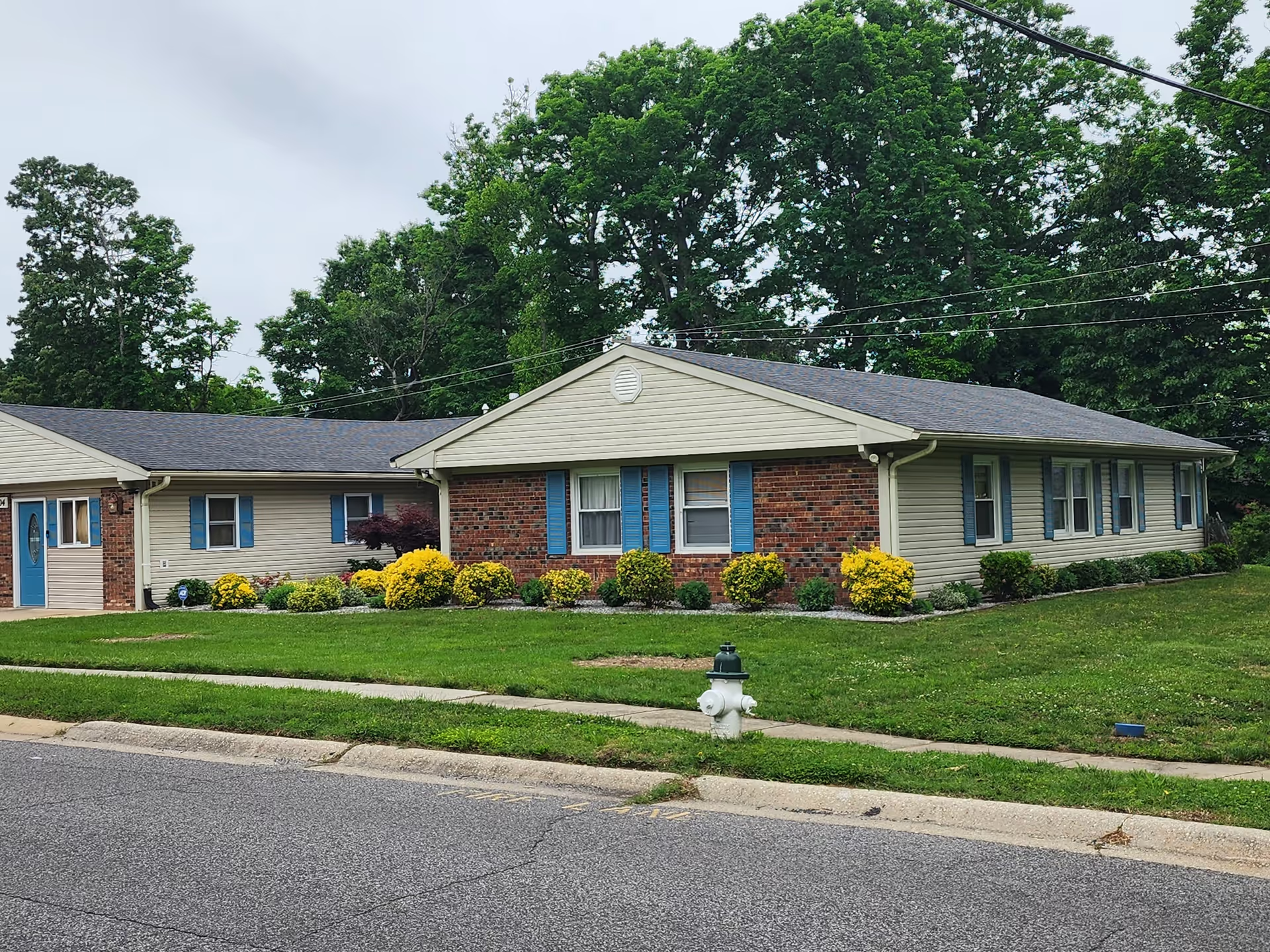
Autumn Lake Healthcare at Waugh Chapel elicits sharply polarized impressions. Many families and patients describe a modern, attractive facility with hotel‑like finishes, spacious private rooms, and a large therapy gym. The rehabilitation program is a consistent strength in multiple accounts: physical and occupational therapists are often described as skilled, goal‑oriented, and effective in restoring mobility. Activity programming is broad, with social events, musical concerts, and group activities reported as meaningful for residents. Maintenance and housekeeping are praised in many encounters, and front‑desk and concierge staff receive frequent positive mention for being welcoming and helpful.
At the clinical level the facility shows variability. Numerous reviews praise individual nurses, nursing technicians, and therapists for compassionate, attentive care; however, there is a recurring pattern of staffing shortages and inconsistent staff responsiveness. Common operational complaints include long waits for call‑button responses, delays assisting with toileting or bathing needs, and variability in nurse and aide attentiveness. Multiple accounts point to medication‑administration problems and lapses in medication timing or documentation, which families identify as a significant clinical risk. Wound care and incontinence‑care follow‑through are other areas where performance appears inconsistent across stays.
Communication and care coordination emerge as another mixed area. Some families report engaged, visible administrators who provide frequent updates, weekly progress reports, and responsive case management. At the same time, others describe difficulty reaching staff by phone, delayed callbacks from nursing supervisors, incomplete discharge paperwork, and discharge planning that left families without expected supplies or therapies. There are also repeated mentions of weekend staffing limitations and reduced access to clinical testing or physician responses during off‑hours.
Dining and ancillary services receive both praise and criticism. Several reviewers found the food varied and palatable with good accommodation for dietary restrictions; others experienced late, cold meals or menu items poorly suited to specific clinical diets (for example, diabetes). Salon and ancillary services, social programming, and the overall aesthetics of the building are consistently viewed positively, contributing to a homelike atmosphere for many residents.
Safety and escalation practices are a recurrent concern in a subset of reviews. Complaints include delays in elevating clinical issues to higher levels of care, inconsistent use of bed alarms or transfer‑safety practices, and delays in arranging diagnostic tests or imaging when changes in condition occurred. A small number of serious individual allegations appear in the record — including financial misconduct and concerns following a resident's death — which families raised as distinct, high‑severity issues. These allegations are not presented as facility‑wide conclusions but are notable and warrant further inquiry by prospective families and regulators.
Overall pattern: the facility offers strong rehabilitation services, attractive physical facilities, and many staff members who provide compassionate care. Counterbalancing these strengths are recurring operational weaknesses: short staffing, inconsistent clinical reliability (medication and wound/incontinence care), communication and discharge coordination gaps, and episodic sanitation/maintenance shortcomings. Experiences appear highly dependent on unit staffing and individual providers; prospective residents and families should weigh the facility's rehabilitation strengths and physical environment against documented variability in clinical operations and responsiveness, and consider asking targeted questions about staffing ratios, medication‑administration safeguards, discharge planning processes, and how serious complaints are escalated and resolved.