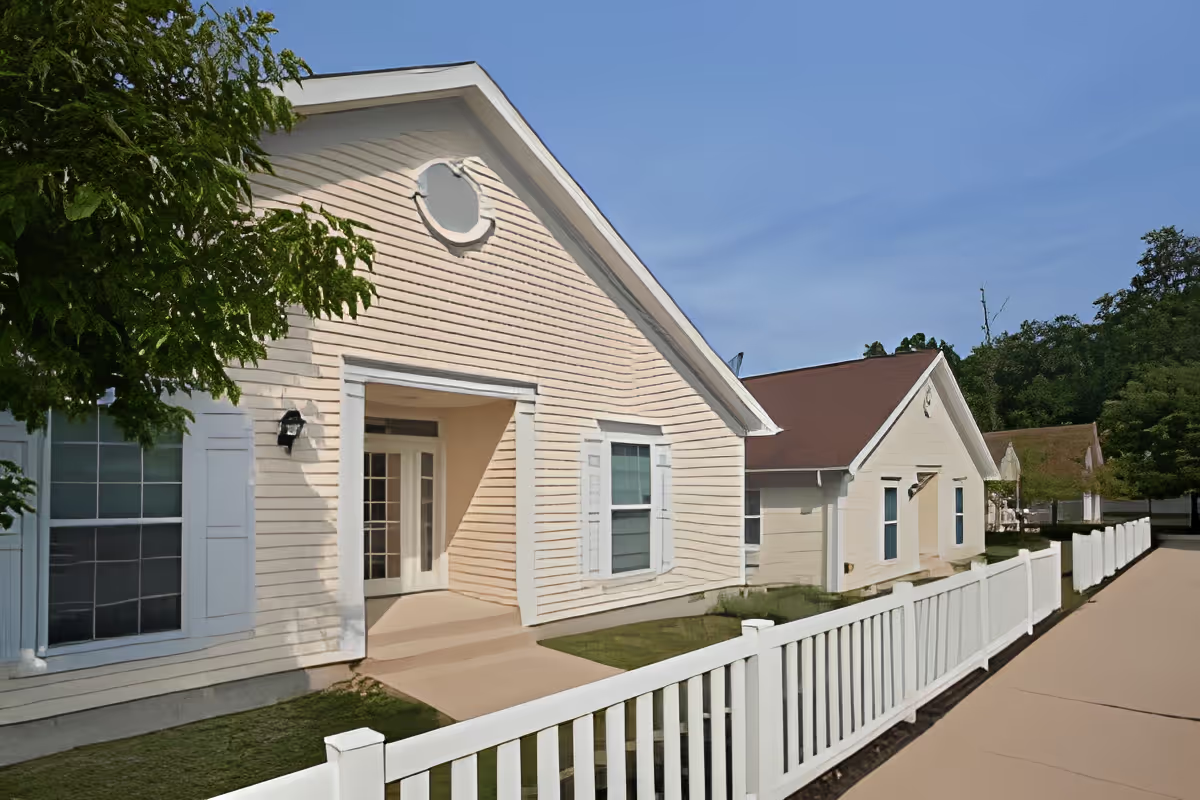
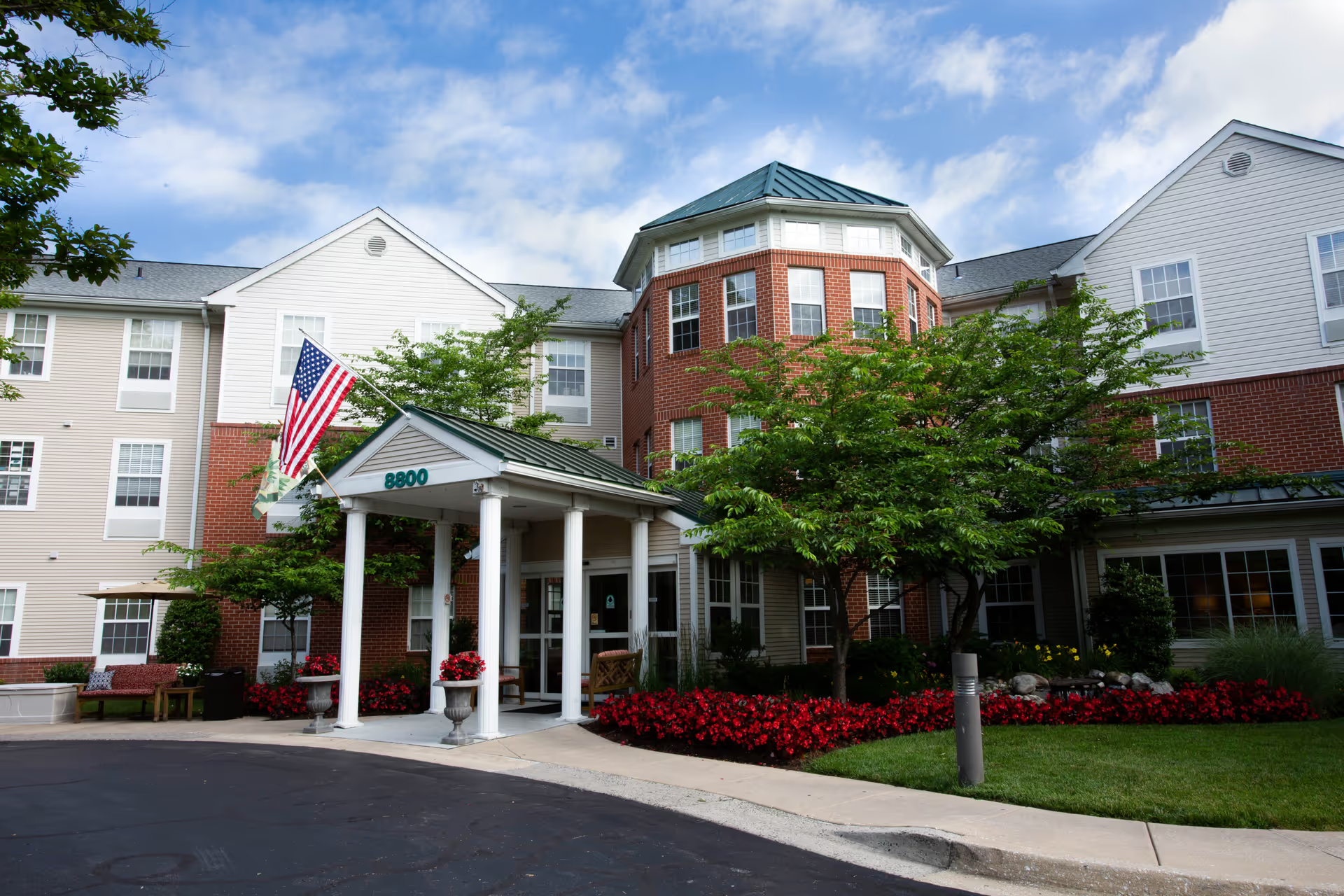
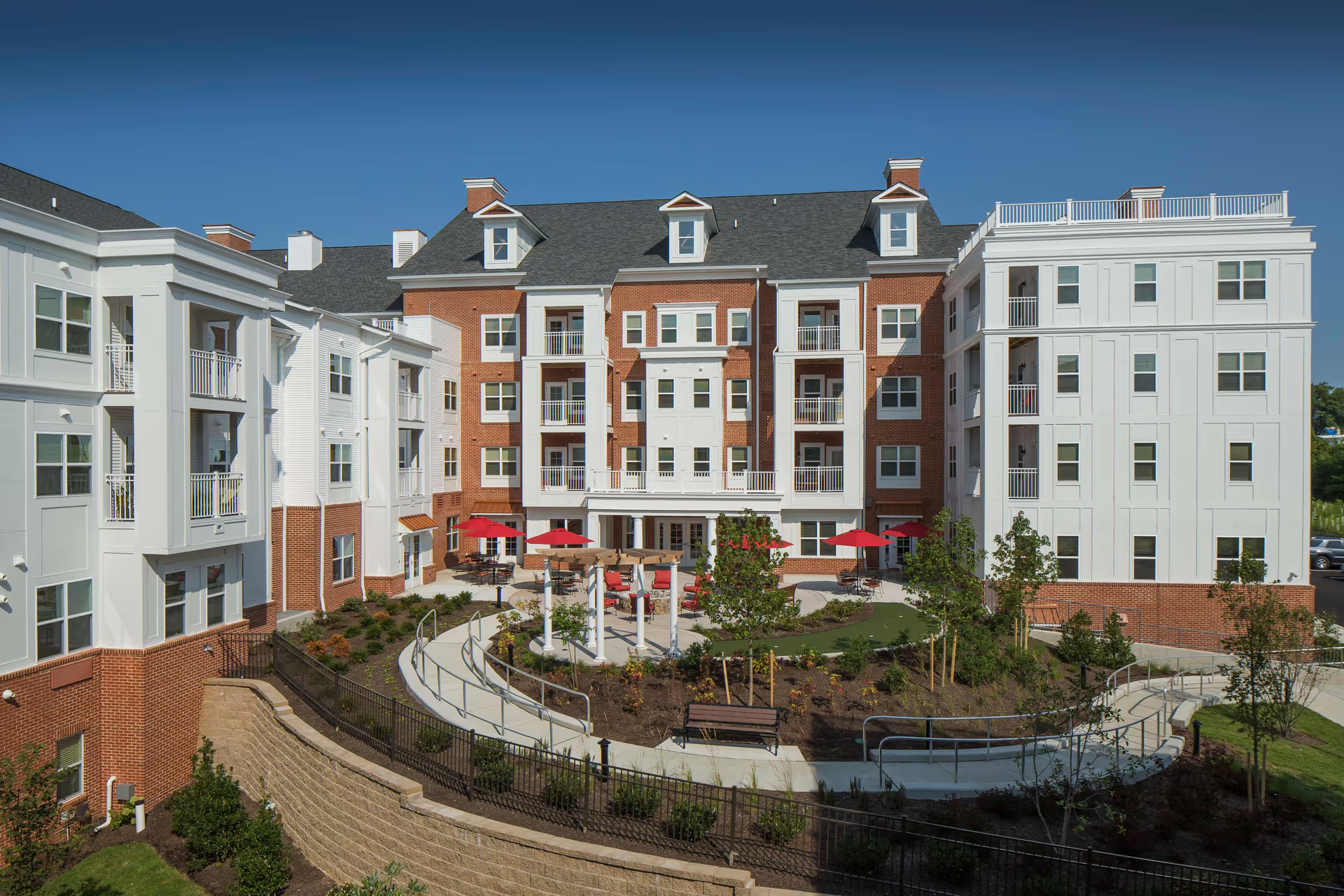
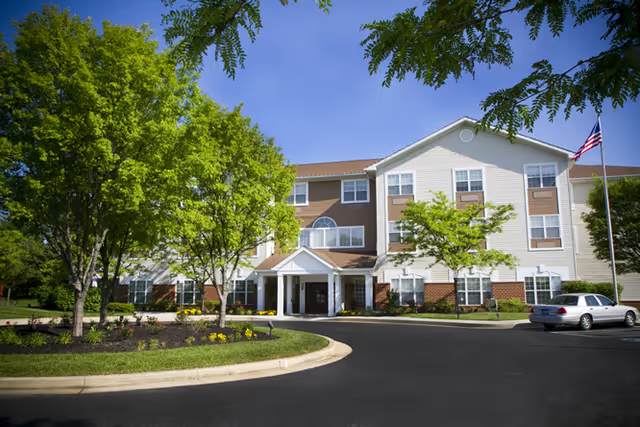
Review content for Glen Meadows Retirement Community reveals a mixed but clear pattern of strengths and operational weaknesses. Many reviewers emphasize the campus character—well-maintained grounds, scenic rural setting, and a smaller, community-oriented environment—and underscore positive interpersonal dynamics such as attentive, respectful caregiving staff and an accessible executive director. The campus offers a continuum of care (independent living through nursing), on-site rehabilitation services that several residents praised for strong outcomes, and a range of unit types including two-bedroom, pet-friendly apartments with full kitchens and dishwashers.
Care quality and staff interactions are often cited as the facility’s primary strengths. Families and residents frequently describe staff as friendly, involved, and responsive; there are multiple references to dignity-preserving care, regular care-plan meetings, and staff who accommodate dietary needs. Rehabilitation and physical-therapy services receive specific commendation for helping residents regain mobility. However, these positives are tempered by operational concerns around clinical processes: reviewers cited instances suggesting medication-administration and tracking lapses, and some noted limited access to on-site physicians or clinicians. Prospective residents should verify current clinical staffing, medication protocols, and emergency-response procedures.
Dining is a polarized area. A significant portion of feedback praises fresh, from-scratch meal preparation, menu variety, brunch options, and staff who know residents’ dietary restrictions. At the same time, a recurring negative theme involves inconsistent food quality: meal temperature control problems, repetition of menu items, occasional unacceptable dishes, and perceived declines in consistency over time. These issues range from taste and seasoning preferences to food-safety and temperature control concerns. Prospective residents should ask for recent menus, sample meals, and the facility’s procedures for food-temperature monitoring and dietary feedback.
Activities, transportation, and spiritual services are consistently described as robust. Reviewers note numerous on-campus activities, resident-led programming, transportation to community events, and organized rides to church and communion services—features that contribute to social engagement and reported peace of mind. The small-community scale is repeatedly framed as an advantage for social connection and involvement.
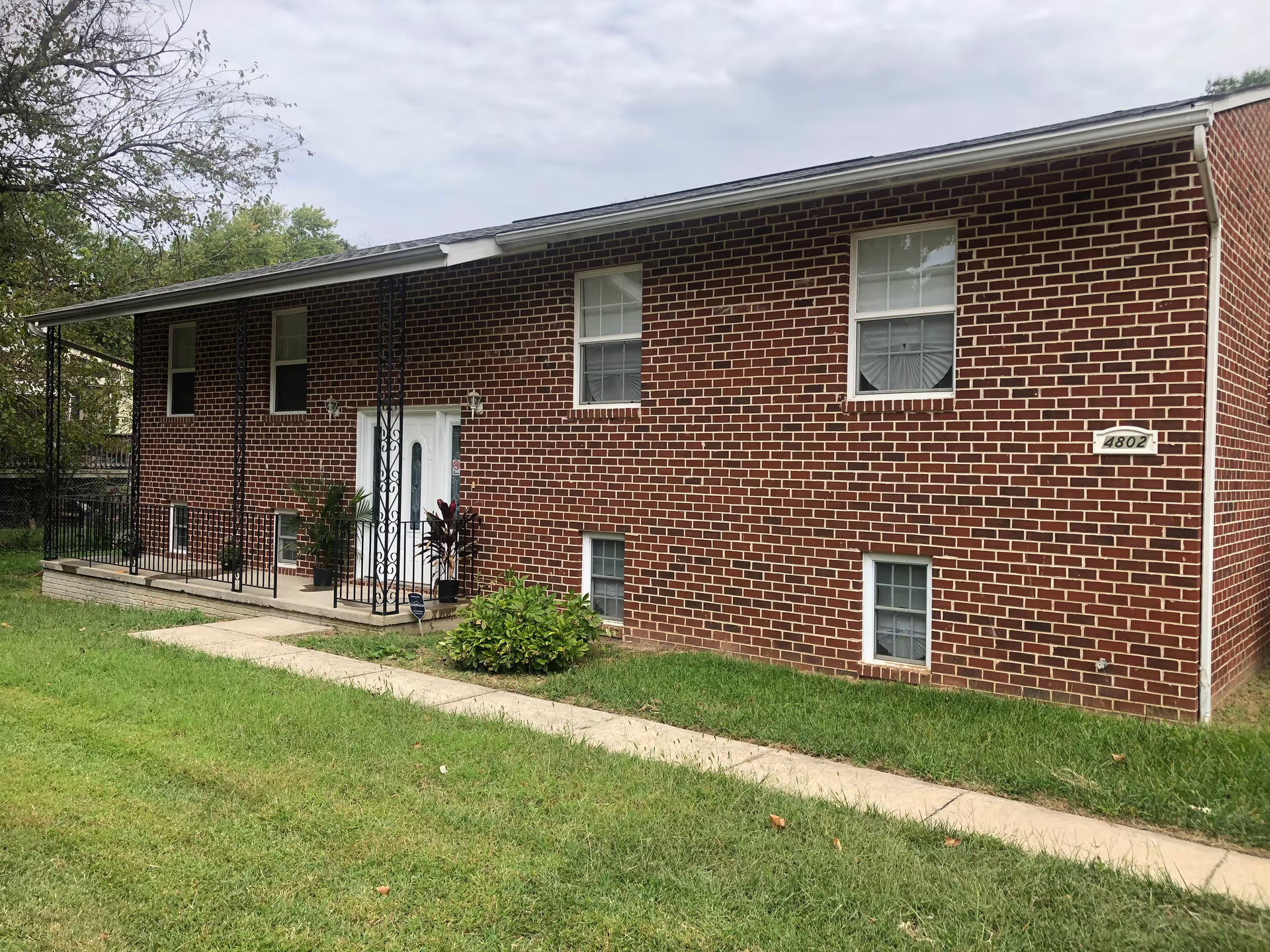
Facility condition and operations show contrasts. While grounds and common areas are often described as attractive and clean, multiple comments point to aging building infrastructure: small apartment footprints, compact bathrooms, and some units with inexpensive or dated appliances. Maintenance responsiveness emerged as a recurring operational weakness—long repair delays, debris after work, and inconsistent housekeeping tasks such as trash removal and linen changes. In addition, reviewers noted front-desk coverage gaps (limited staff after-hours) and concerns about emergency handling in some instances.
Administrative and financial practices warrant careful review. Several notices of miscommunication between departments, schedule changes made without clear resident notification, and at least one concern about estate/settlement and deposit handling suggest that administrative transparency and interdepartmental communication can be inconsistent. Pricing perceptions are mixed: some describe Glen Meadows as affordable and good value, while others cite higher-than-expected monthly fees and buy-in concerns. Prospective residents and families should request clear written explanations of fees, refund and estate-settlement policies, staffing schedules, maintenance response-time benchmarks, and clinical oversight arrangements.
Overall, Glen Meadows presents as a community with notable strengths in staff engagement, rehabilitation services, social programming, and a pleasant campus environment. Counterbalancing those strengths are repeated operational issues around dining consistency, maintenance responsiveness, communication, and certain clinical-administration processes. A tour that includes meal sampling, meetings with the director and clinical staff, review of recent menus and maintenance logs, and clarification of financial and emergency procedures will help prospective residents assess fit relative to their priorities.