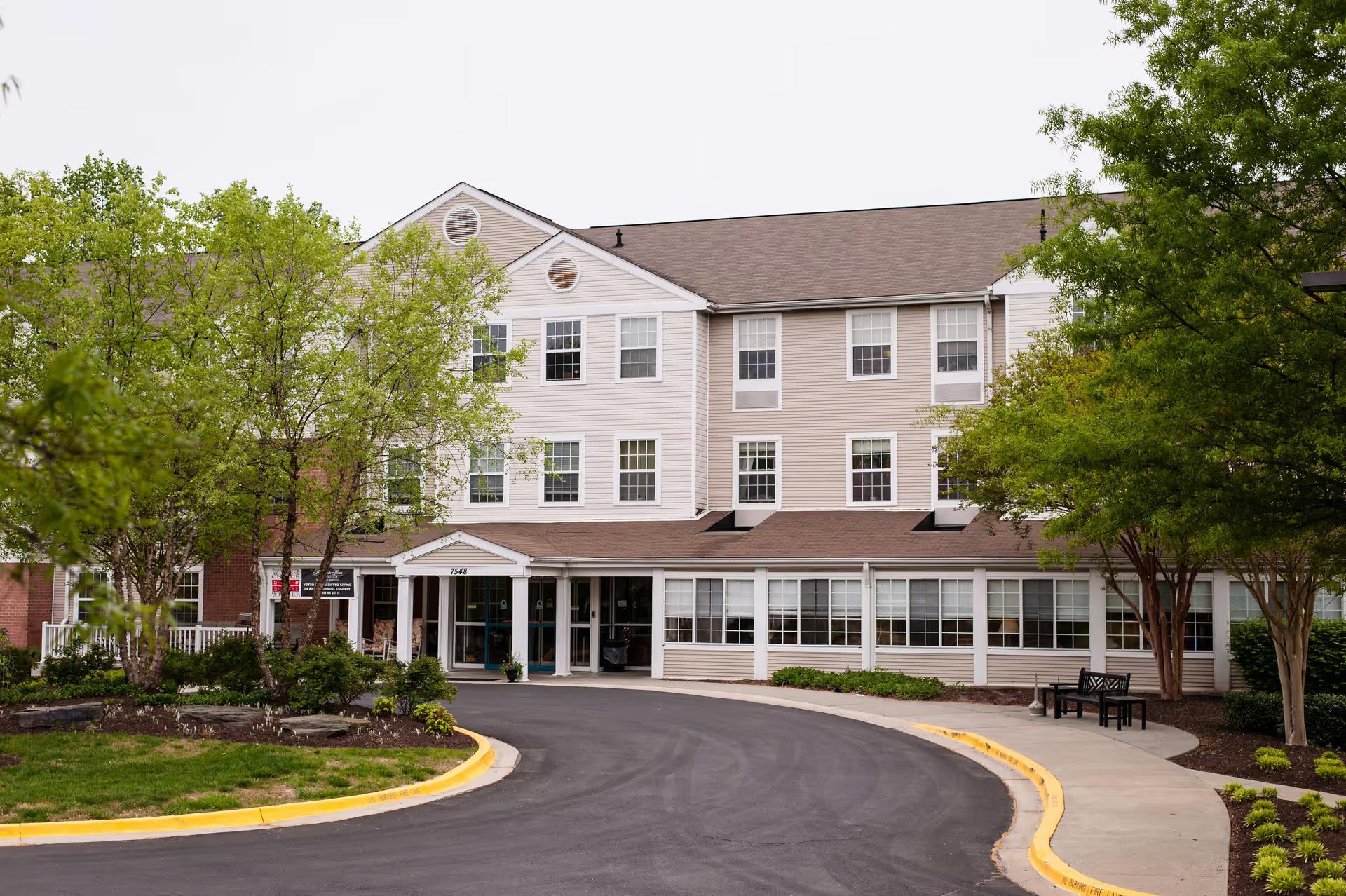
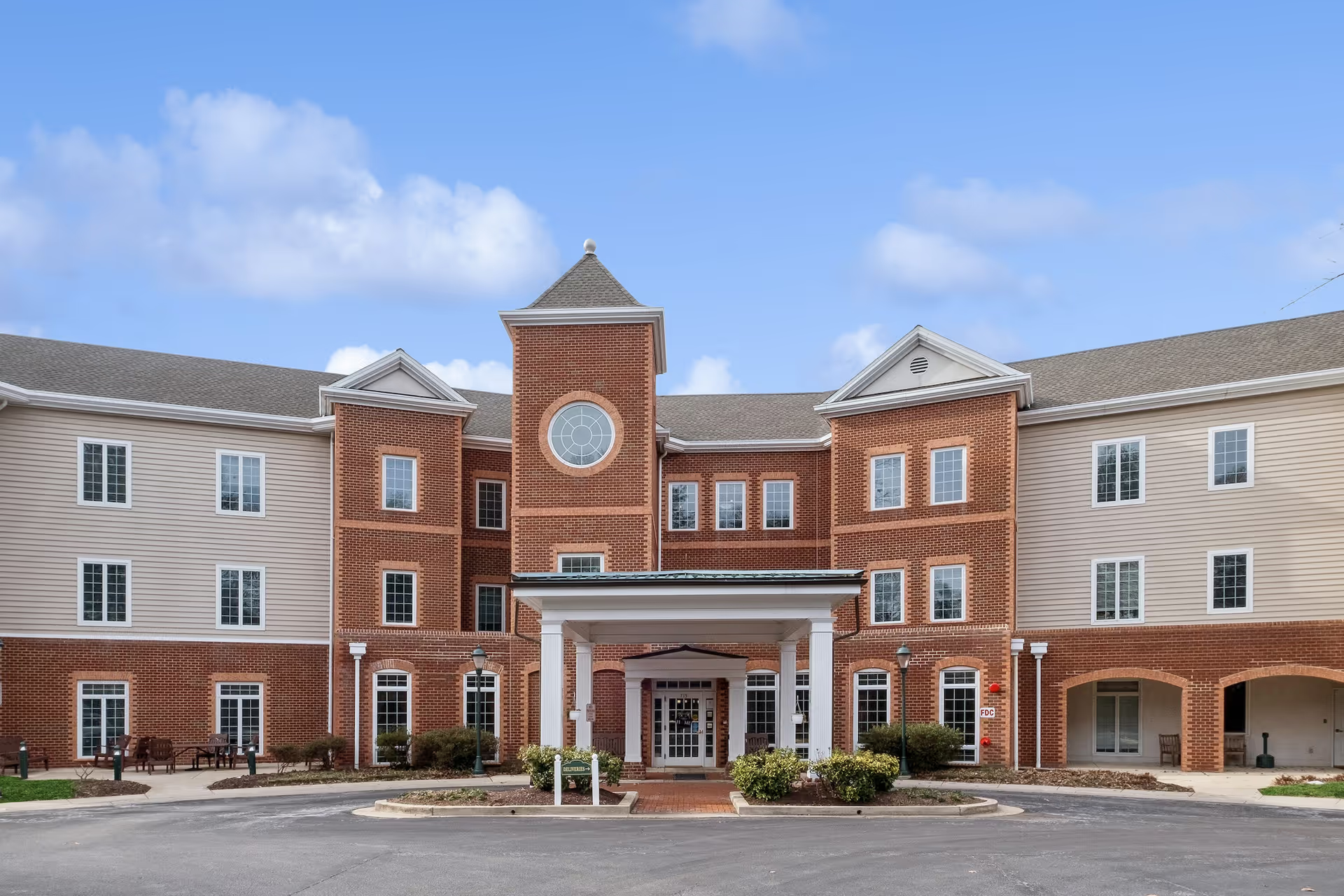
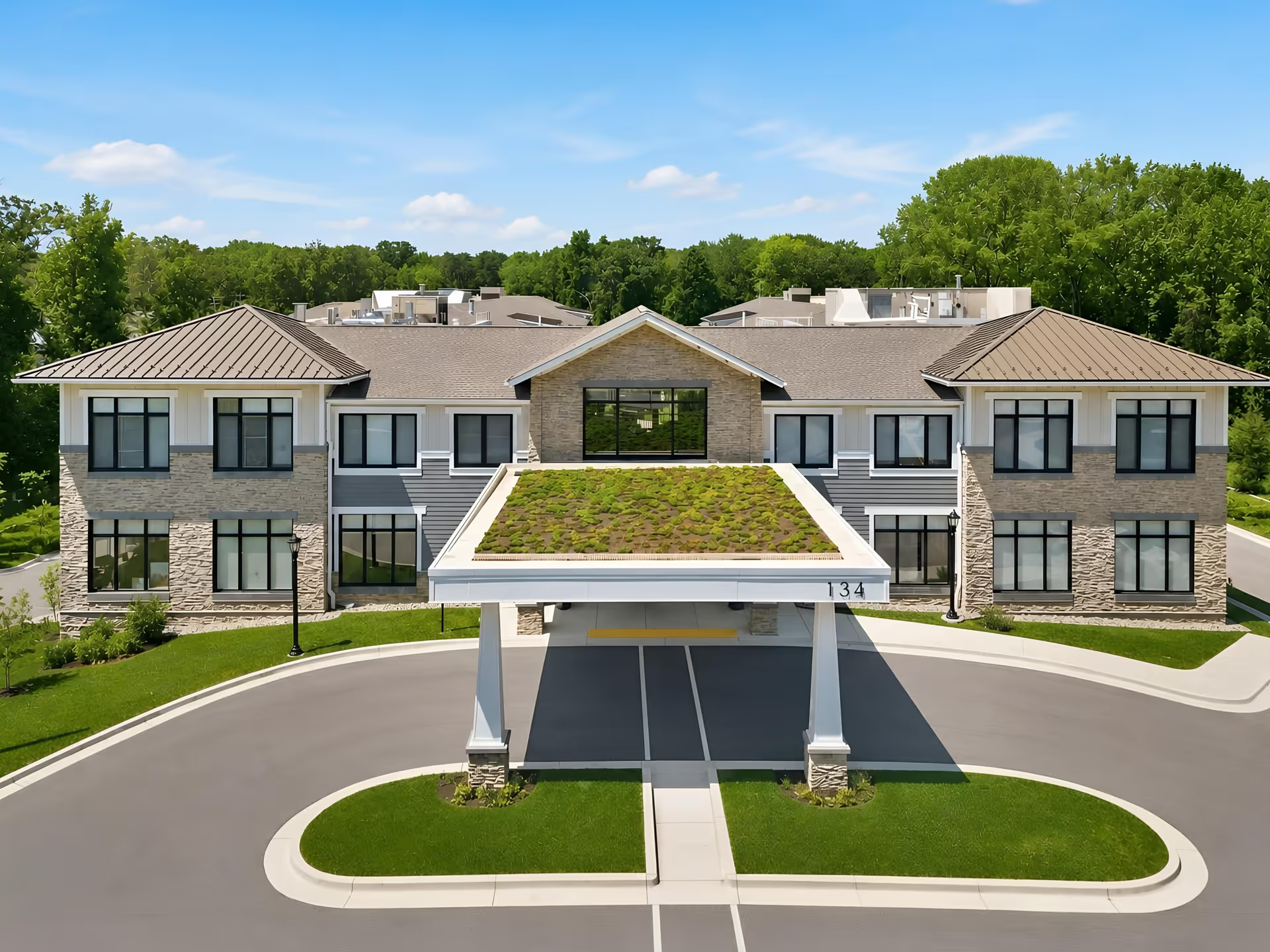
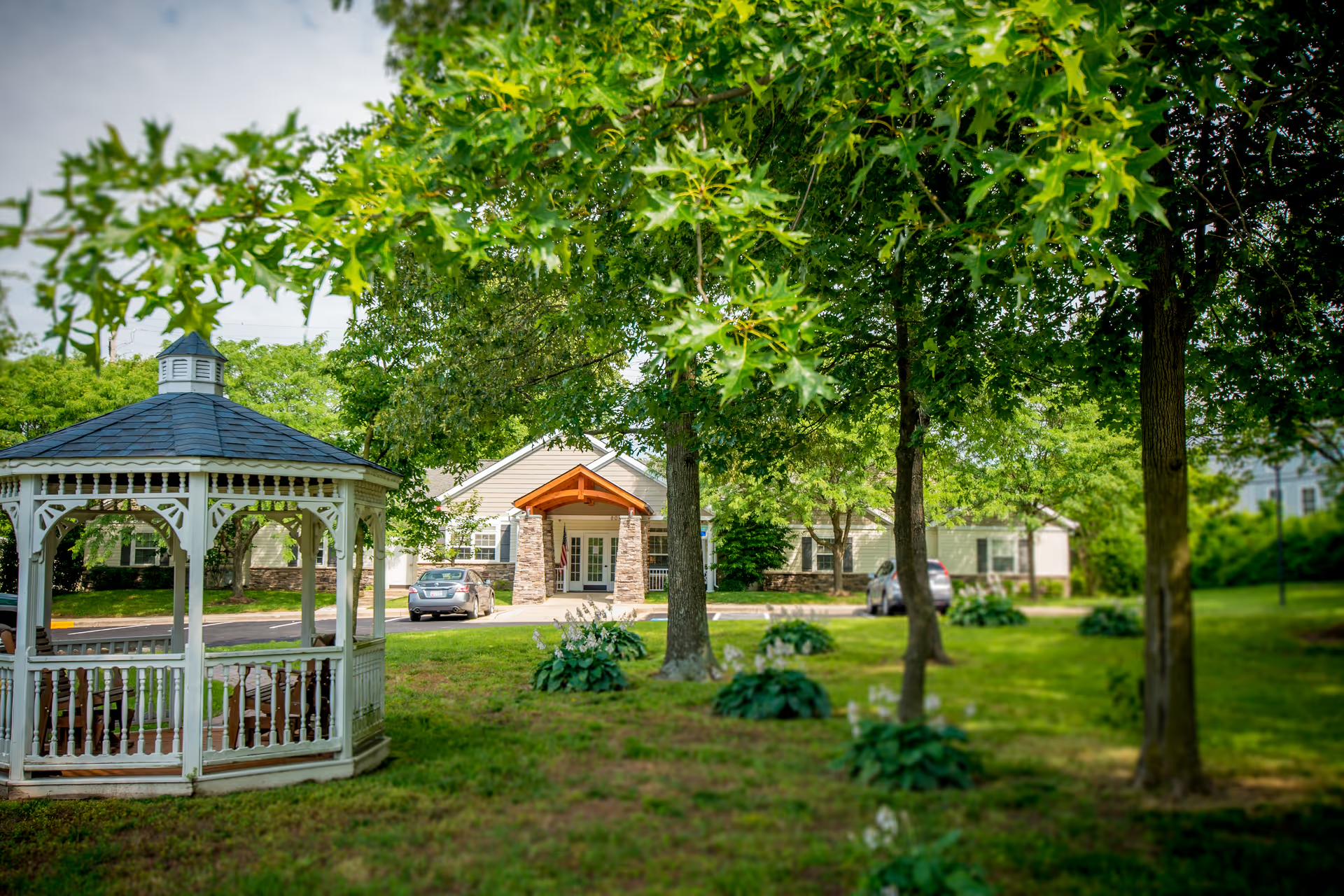
Autumn Lake Healthcare at Baltimore Washington elicits a wide range of experiences among families and residents. Positive accounts consistently highlight high-quality rehabilitative services, attentive therapists, and several clinicians and administrative staff who provide clear communication and proactive care coordination. Many reviewers credited therapy teams with meaningful mobility and functional gains, and named admissions and business-office personnel as helpful and knowledgeable. Multiple reviewers described individualized nursing attention and successful short-term rehabilitation culminating in earlier-than-expected discharges.
At the same time, a substantial portion of feedback identifies operational weaknesses that affect day-to-day resident experience. Staffing inconsistency—notably between day and night shifts and across weekends—appears as a common theme, producing variable responsiveness to call lights and delays in assistance. Medication-management problems, including late or incorrect medication administration, were raised multiple times and are a significant clinical concern. Families also described instances of slow response for transfers and falls, suggesting gaps in transfer-safety and fall-prevention practices.
Dining and environmental services show mixed performance. The activities program and recreational offerings receive frequent praise for engagement and variety, and many units are described as clean and pleasant. Conversely, meal quality and dining service consistency were critiqued, with reports of underwhelming or poorly executed menus and inconsistent tray service. Sanitation and maintenance issues were also reported: reviewers described cleanliness concerns in some resident rooms and bathrooms, sporadic linen shortages, pest-control issues in limited areas, and a need for building repairs such as lighting, thresholds, and general cosmetic upkeep.
Communication and administrative processes present another area of divergence. Several families praised nursing leadership, specific nurse managers, and social-work staff for clear updates and coordination. Others experienced poor communication, delayed callbacks, billing confusion, and difficulties obtaining medications or arranging outpatient follow-up. A small number of reviews raised serious allegations related to financial coercion and property handling, and a limited number expressed concerns following a resident's death; these items indicate occasions where external oversight or investigation was requested by families.
Language barriers and training gaps among some direct-care staff were noted as contributors to inconsistent care and family communication. Night and weekend coverage, in particular, was associated with lower engagement and slower responses. Conversely, when staffing and leadership were engaged, reviewers frequently observed compassionate, respectful interactions and effective clinical care.
Overall, Autumn Lake appears capable of delivering excellent rehabilitation and moments of exemplary nursing and administrative support, but its performance is uneven. The facility’s strengths—skilled therapy teams, committed clinicians, and proactive admissions and social-work functions—coexist with operational challenges around staffing consistency, medication safety, dining reliability, sanitation/maintenance, and family communication. Prospective residents and families should weigh the facility’s strong rehabilitative and social-work resources against these variability risks, and consider asking specific questions about night/weekend staffing, medication-safety protocols, pest-control and cleaning schedules, and mechanisms for billing and family communication before placement.