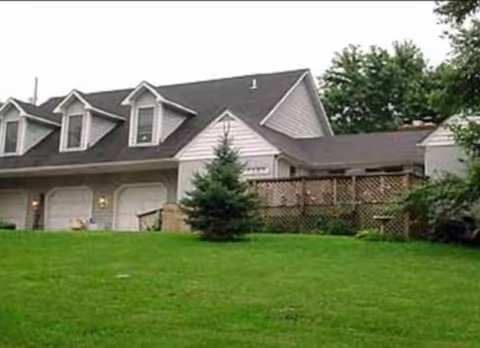
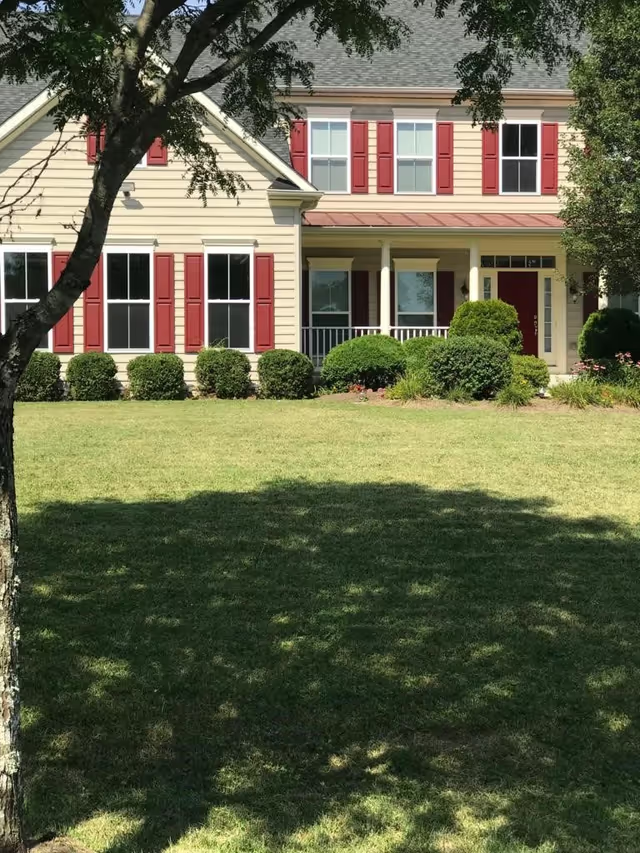
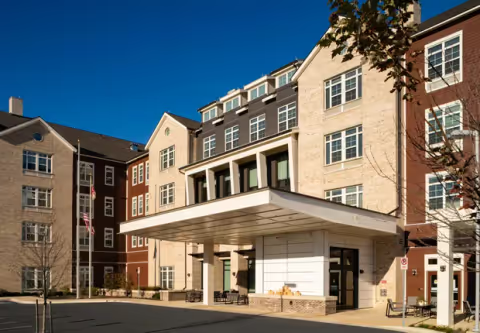
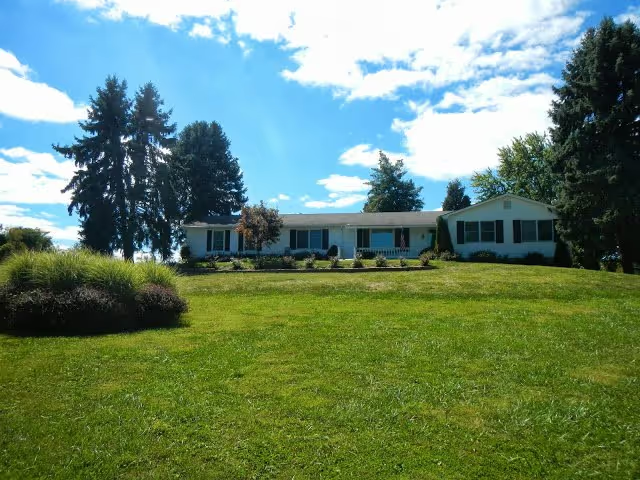
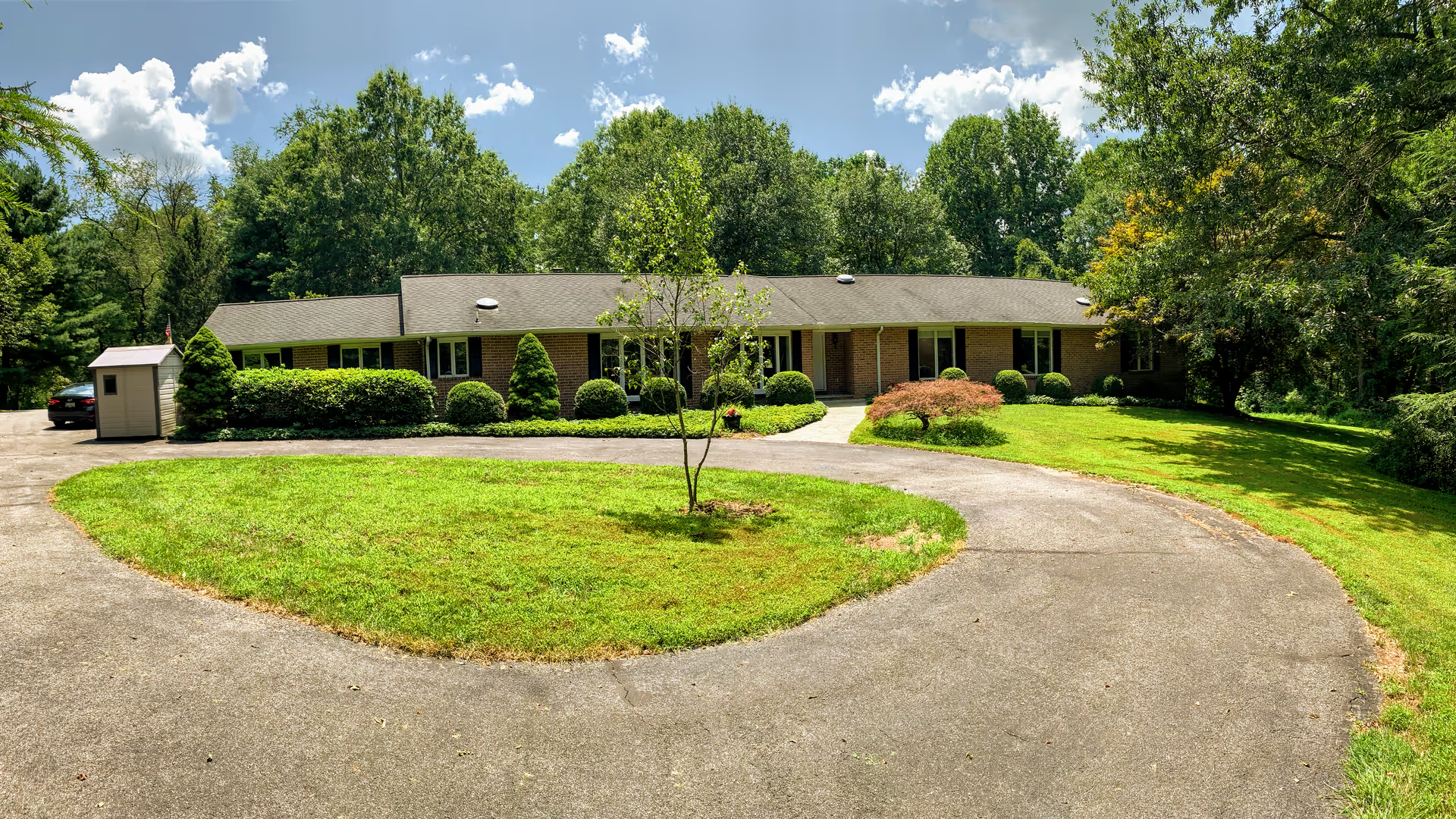
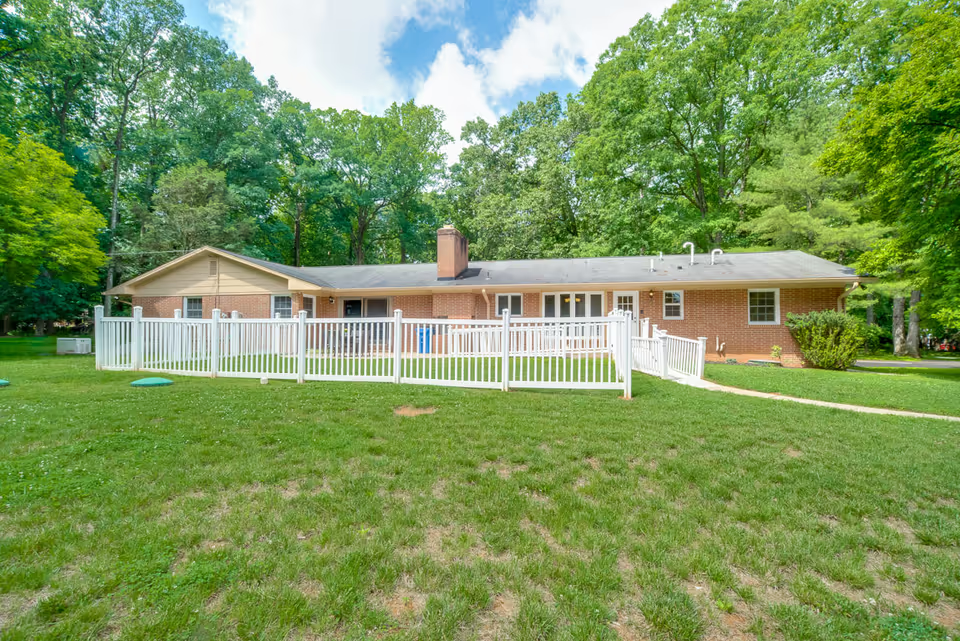
Golden Years Senior Assisted presents as a small, single-level residential facility with a home-like, country setting and some clear strengths alongside operational inconsistencies. Reviewers commonly noted a clean interior, a fenced yard, and staff described as friendly or passionate. The facility advertises 24-hour onsite care and often positions itself as a lower-cost alternative to traditional nursing homes.
Care quality appears uneven. While 24-hour coverage is a structural strength, multiple reviewers described inconsistent personal-care assistance and variable attention to hygiene-related needs. There are accounts indicating delays or gaps in assistance with daily care tasks; this suggests a need to clarify staffing patterns, care schedules, and how personal-care responsibilities are assigned and documented.
Staff interactions receive mixed feedback. Many reviewers praised individual caregivers for warmth and dedication, but others raised concerns about limited staff engagement, inattentive behaviors, and a communication tone they found unapproachable. Management presence is evident, but perceptions vary: some families valued onsite ownership involvement while others found management difficult to engage. Prospective families should ask about staff training, supervision, and complaint-resolution procedures during a tour.
Activity programming is limited. The most consistent pattern in the reviews is minimal organized activities beyond television; several accounts describe periods without planned social or recreational programming. For residents who rely on structured engagement for well-being, this is an operational gap to explore — ask for a current activity calendar and how individualized engagement is provided.
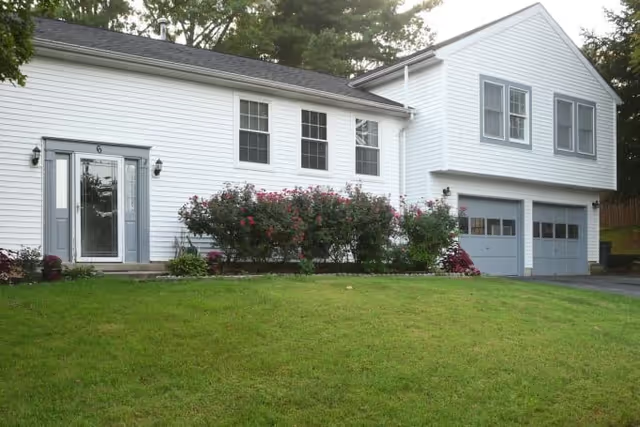
The physical plant shows both positives and deficits. Interior areas are often described as clean, but reviewers flagged maintenance issues such as trip hazards in common areas, an aging structure in need of updates, and an unwelcoming exterior with poor curb appeal and limited outdoor seating despite a fenced yard. The two-bed/twin-bed room configuration was also noted; while shared rooms can support social interaction, they raise privacy concerns for some residents.
Safety and supervision are areas to clarify. A few reviews referenced situations that suggested supervision or security lapses; prospective families should inquire about supervision protocols, fall-prevention measures, and the facility’s process for monitoring residents who are mobile or at risk of wandering.
Cost and perceived value are inconsistent across reviewers. Several described the facility as substantially less expensive than nursing-home alternatives, while at least one reviewer perceived fees as disproportionate to service quality. Families should request a detailed fee schedule, what services are included, and how additional care needs are handled financially.
Recommendations for prospective residents and families: arrange an in-person tour at different times of day, request current staffing ratios and care schedules, review the activity calendar, inspect common areas and outdoor spaces for maintenance and safety, and ask for written policies on supervision and personal-care plans. These steps will help determine whether the facility’s strengths — affordability, a homelike setting, and onsite care — align with an individual’s clinical and social needs given the reported operational inconsistencies.