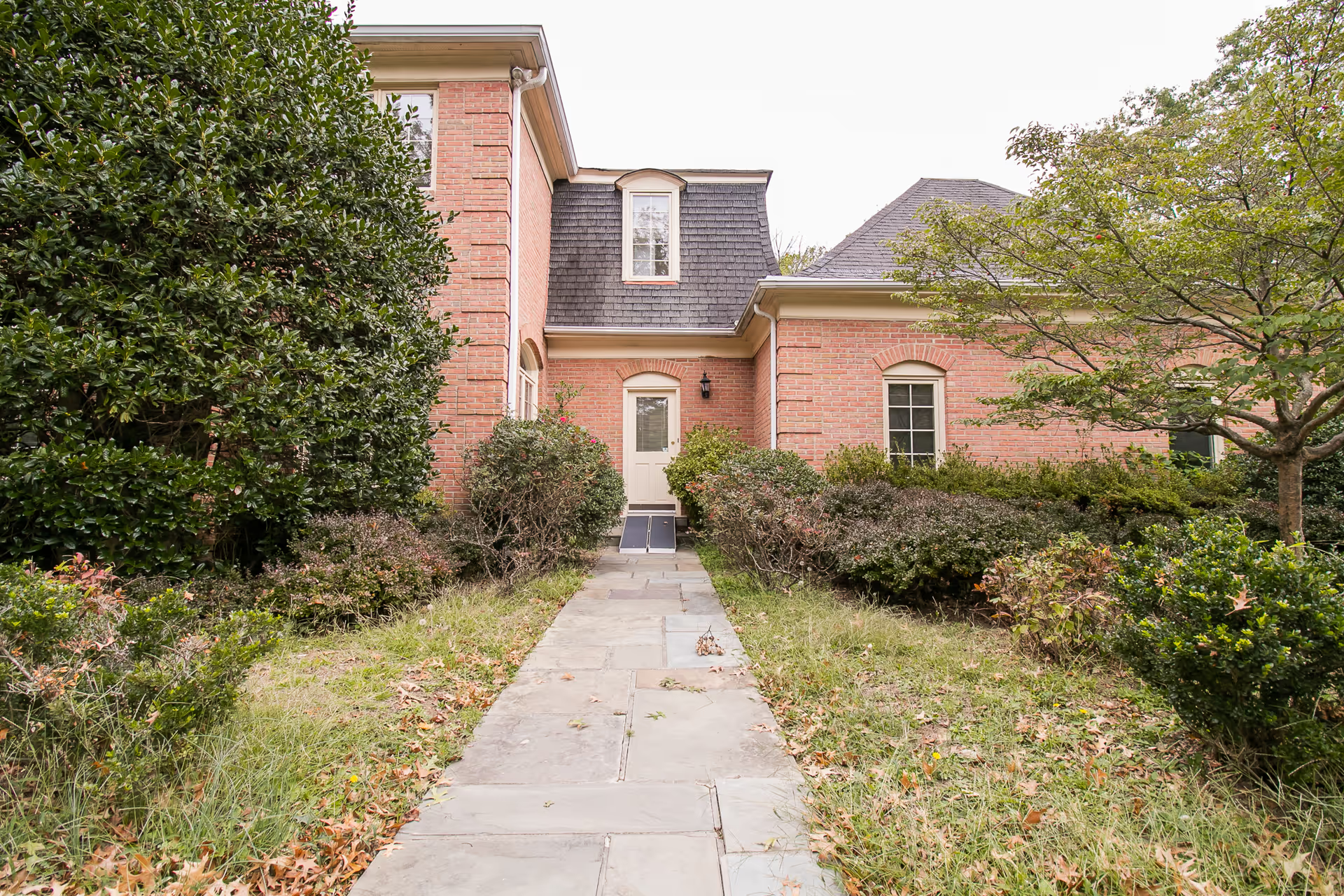
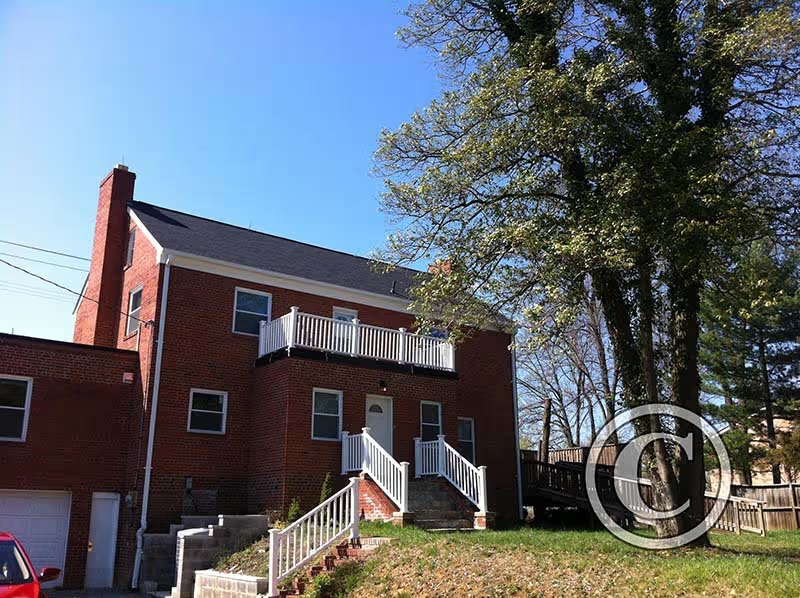
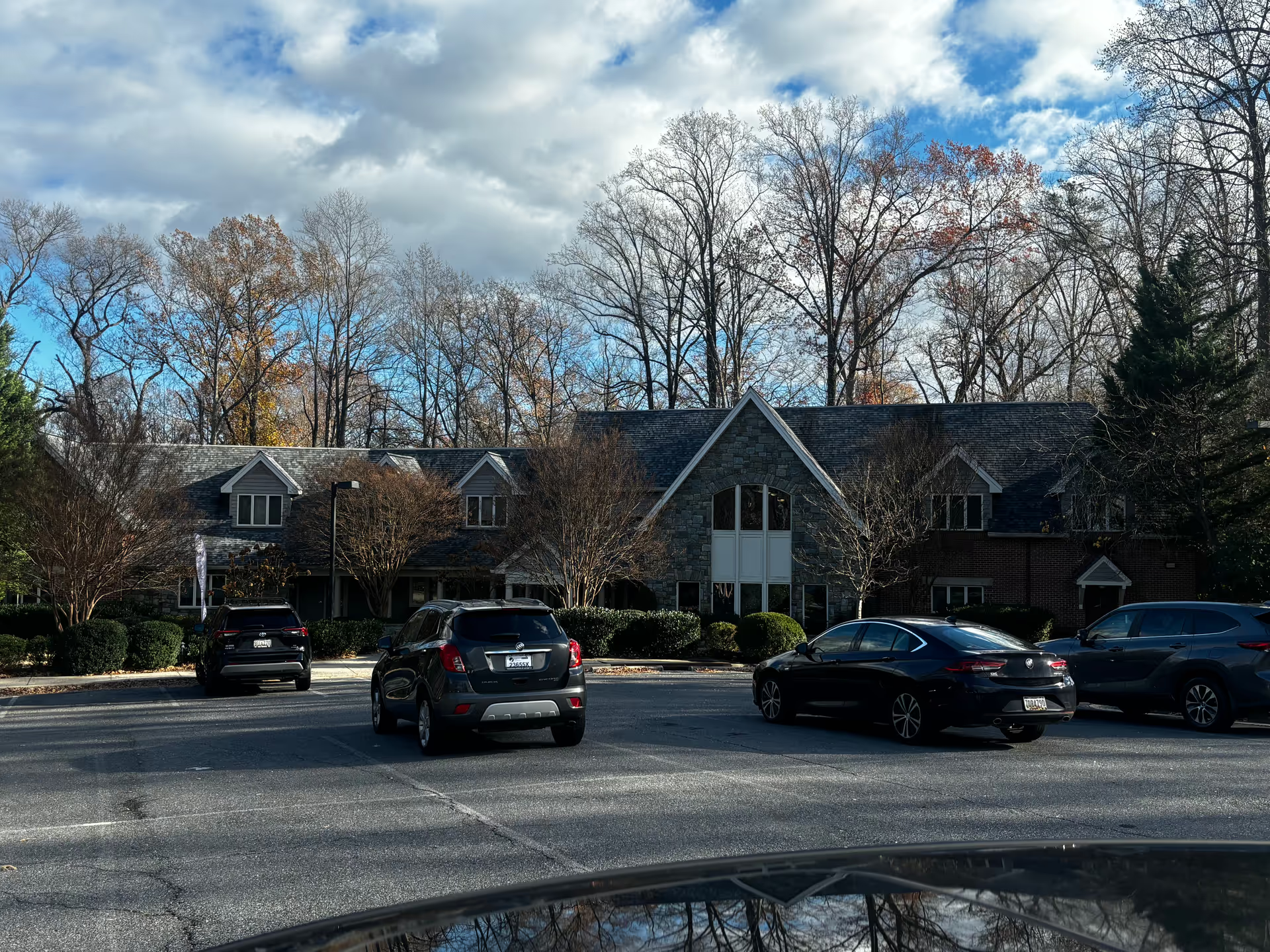
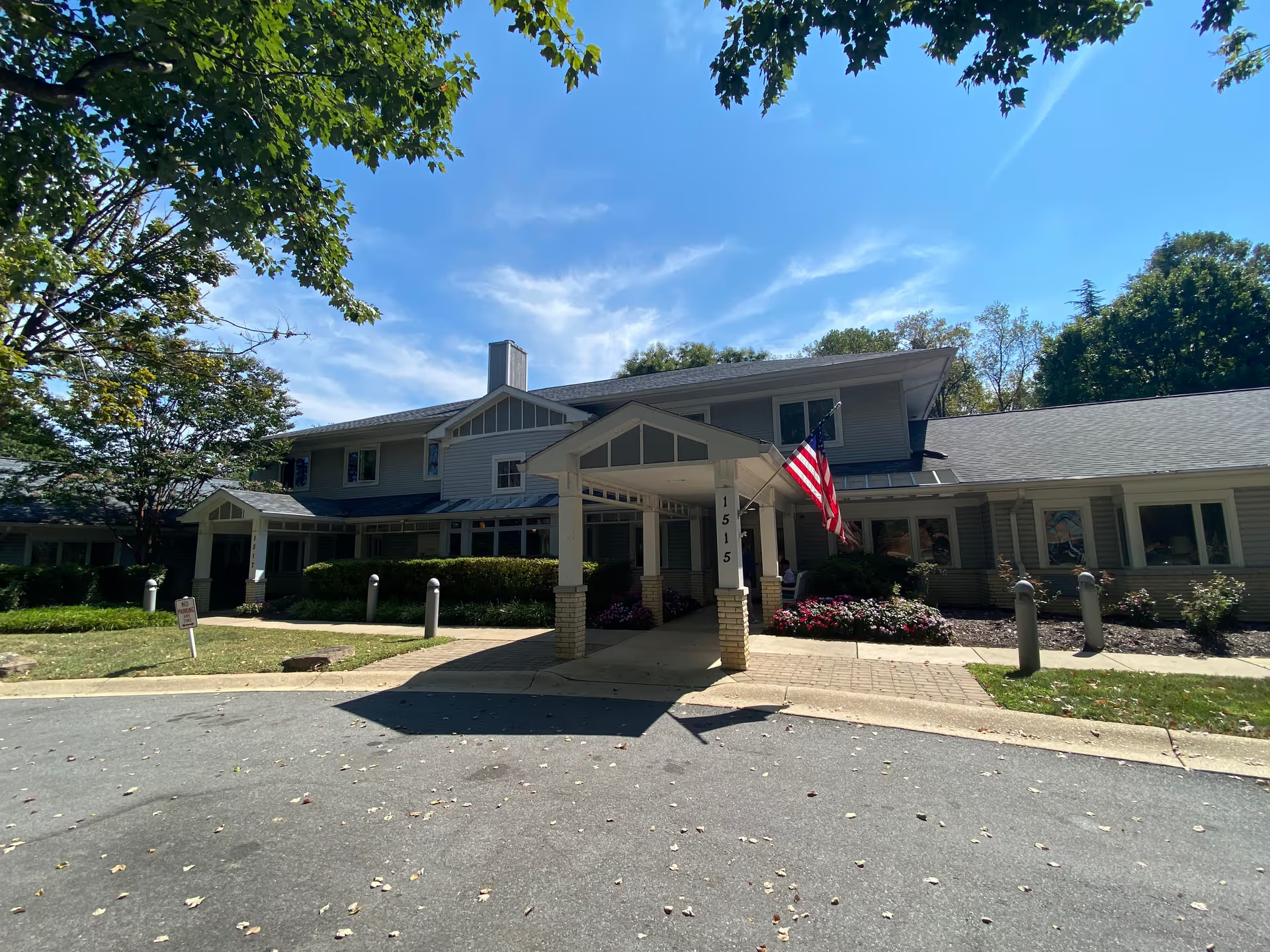
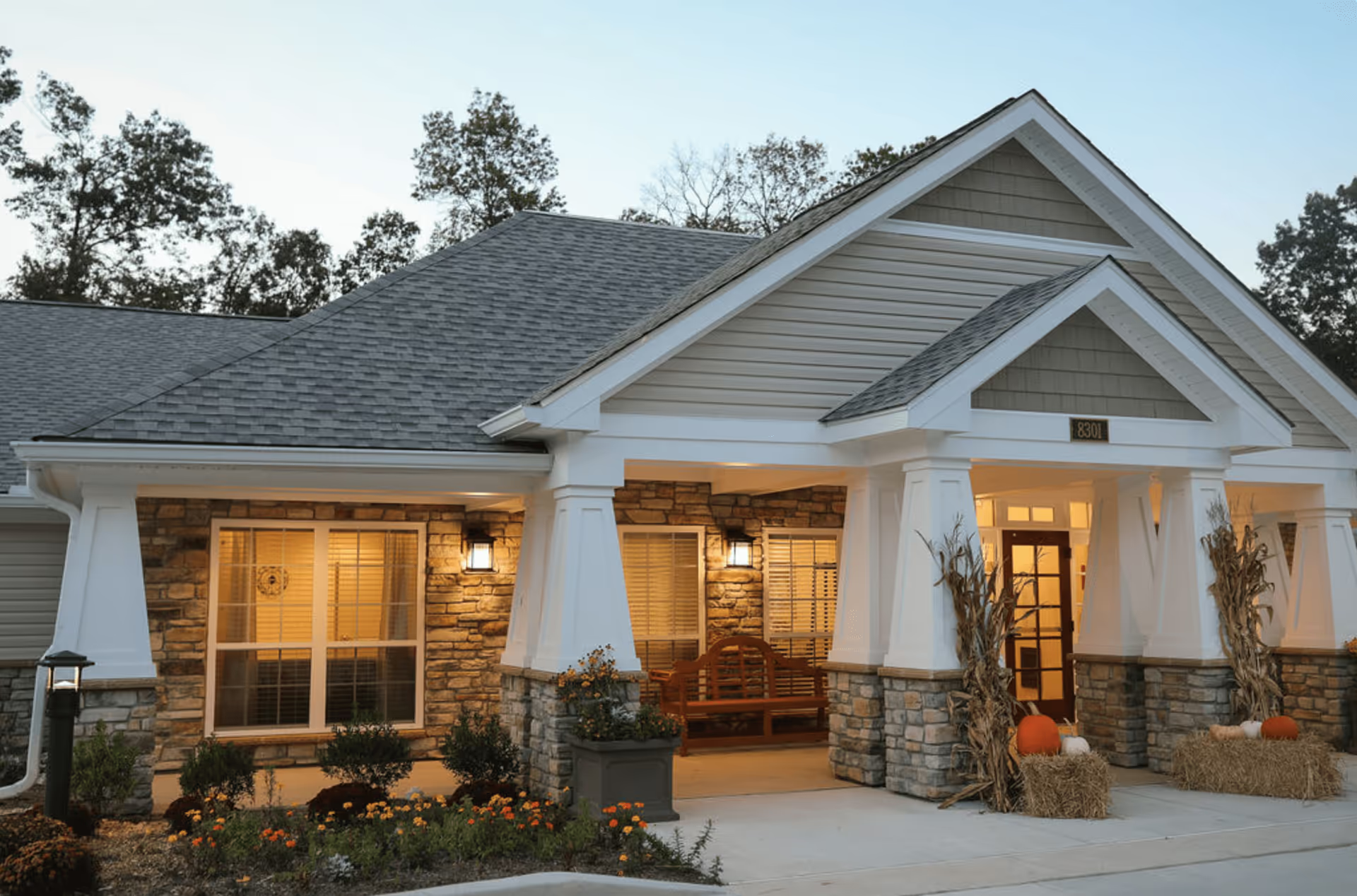
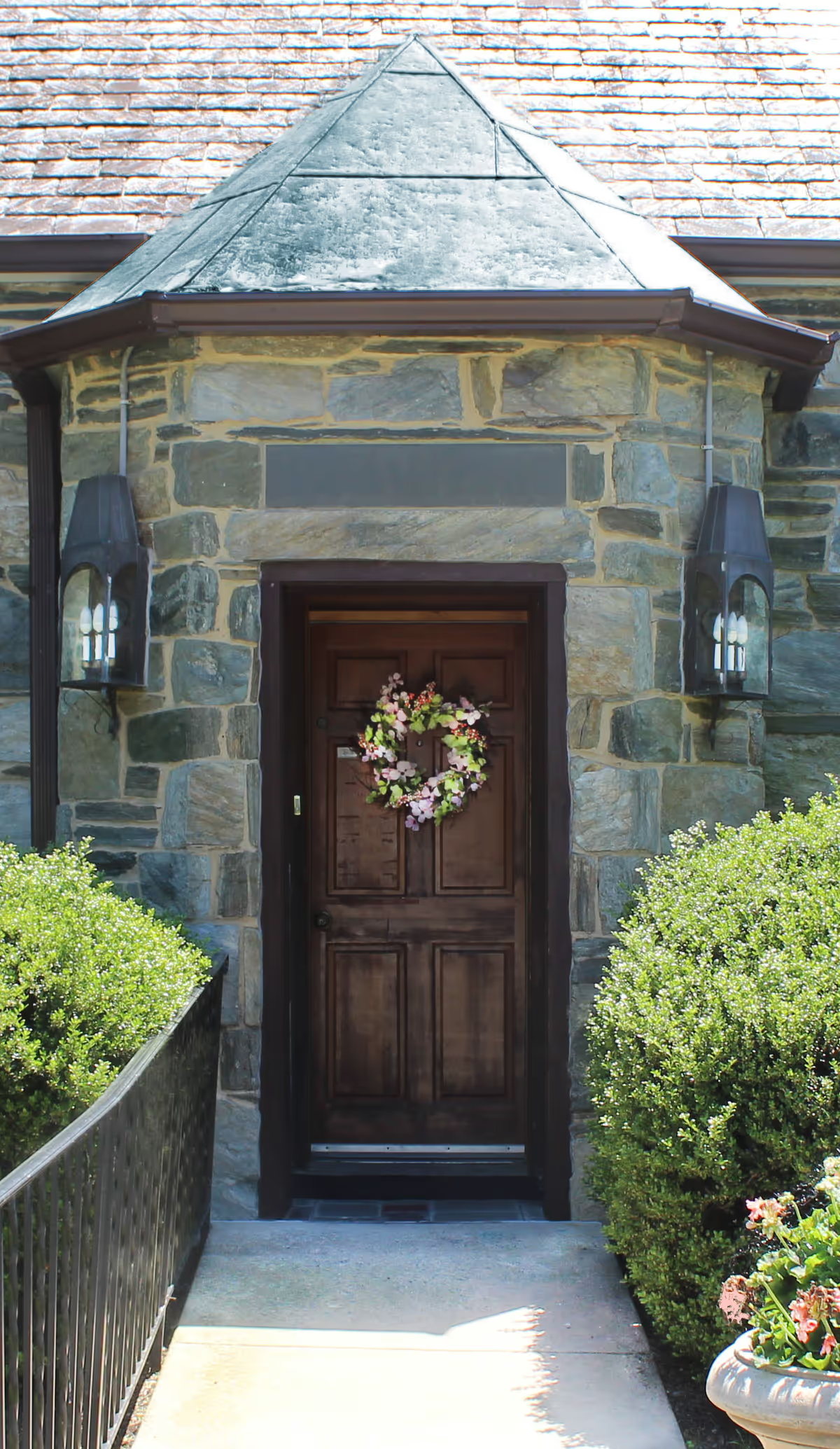
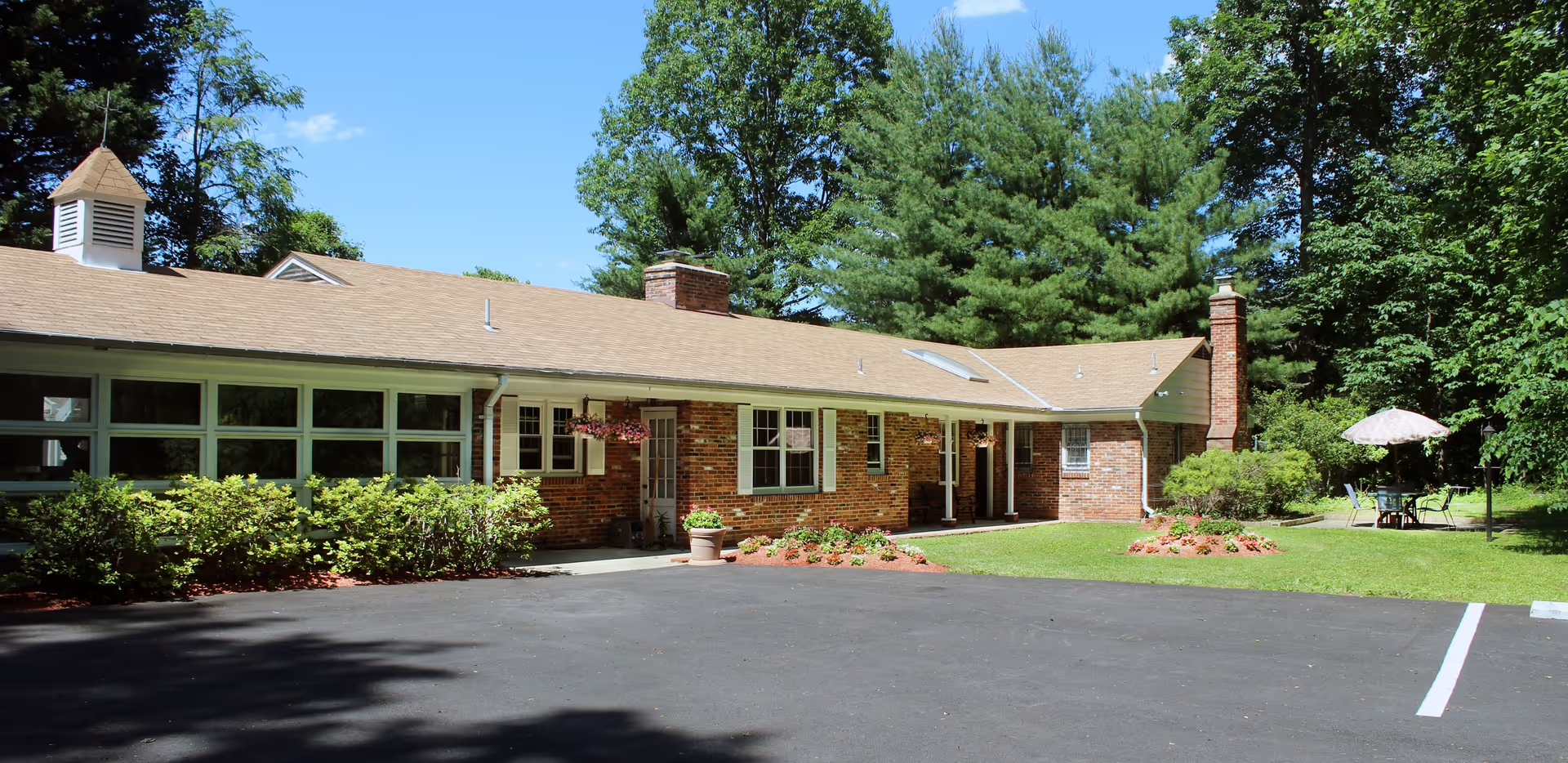
Asheir Homes is consistently described as a boutique, well-appointed residential care option that emphasizes personalized, family-style attention. Reviewers highlight a small, manor-like setting with private rooms and high-end furnishings that create a bed-and-breakfast ambience. The property is repeatedly noted for its cleanliness, tasteful renovations, and a mix of indoor living spaces and outdoor areas (deck, patio, yard) that support both quiet time and outdoor activity. Accessibility features such as a chair lift and an elevator were specifically mentioned, and the layout is characterized as calm and residential rather than institutional.
Care quality and staff performance are central strengths in the available feedback. Families describe the caregiving team as compassionate, attentive, and experienced; leadership receives regular praise for being hands-on, clinically knowledgeable, and responsive. Clinical oversight includes a nurse-practitioner director and staff familiar with geriatric mental-health issues, allowing for individualized adjustments to residents' care plans. Several accounts emphasize staff responsiveness to family concerns, regular communication (including text-based updates), and a generally high staff-to-resident attention level. These elements are credited with meaningful improvements in some residents’ mood and engagement.
Operationally, Asheir offers a range of programming and services appropriate for assisted living-level needs. Reviewers mention on-site physical therapy or exercise areas, structured activities (games, videos), and social engagement opportunities. Dining is described positively, with multiple families noting good meals and a pleasant dining environment. The small scale of the home is presented as enabling tailored care and close supervision rather than broad-scale programming; staff involvement — often including the owner — supports individualized attention.
Management and policies show a strong focus on health and safety, particularly during infectious events. Several families cited vigilant infection-control practices and temporary visitation limitations implemented during public-health situations. While these measures were seen as protective by some families, they also point to a restrictive visitation posture during outbreaks. The facility’s boutique size creates trade-offs: it supports personalized care and a quiet setting but constrains capacity and may make admissions more competitive. A few families described challenges related to moving and the first days of transition, indicating that transition support could be an area for clearer expectations and additional assistance.
Cost and availability are recurring practical considerations. Asheir is characterized as a higher-cost provider, reflecting its small scale, amenity level, and staffing model. Prospective families should weigh the premium against the close supervision, clinical oversight, and home-like environment. In summary, Asheir Homes presents as a well-maintained, clinically aware, and compassionate small provider where leadership is actively involved; it is particularly well suited for families seeking individualized care in a residential setting, while those prioritizing lower cost, maximum capacity, or more flexible visitation during infectious events will want to confirm policies and availability in advance.