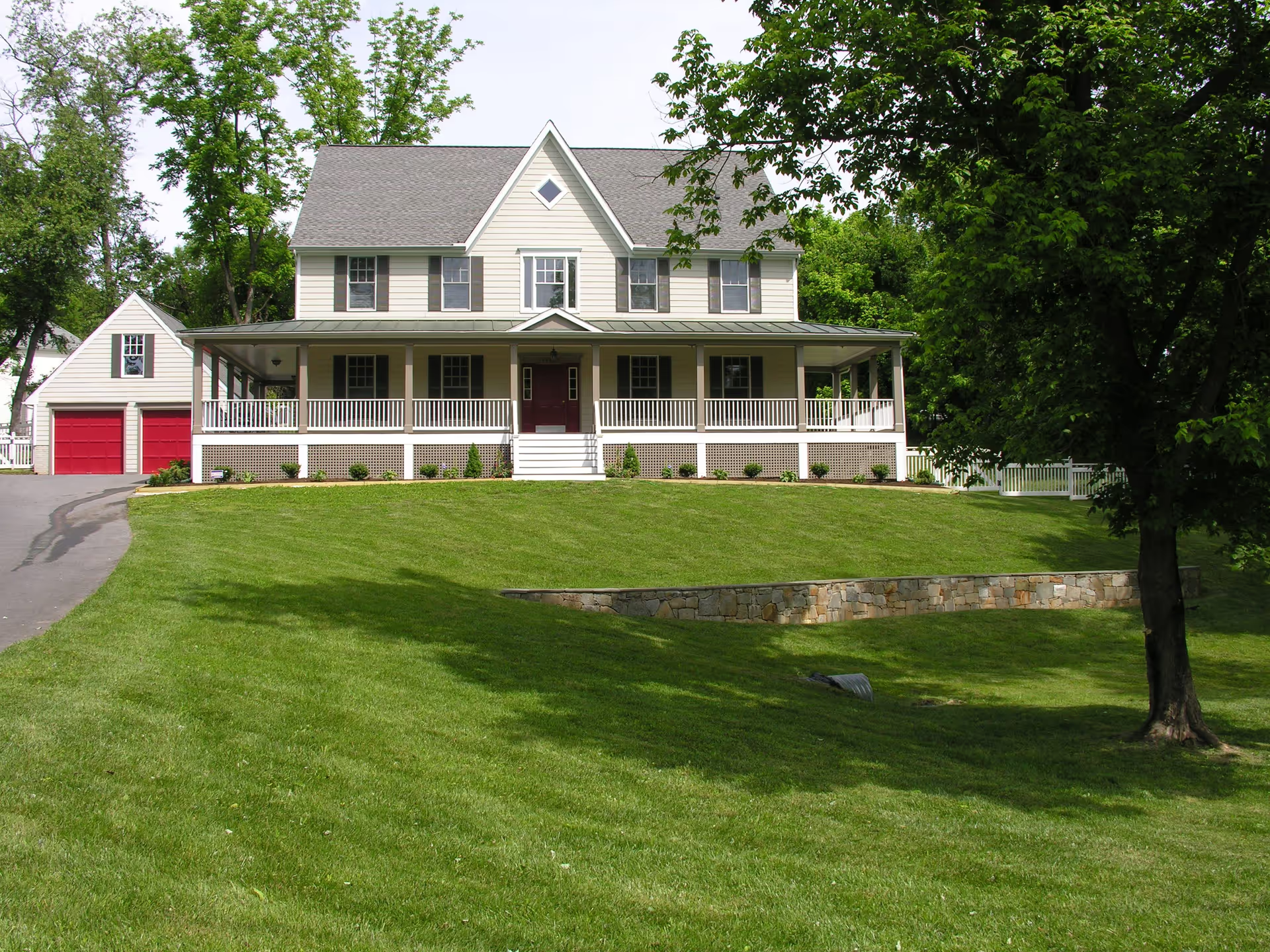
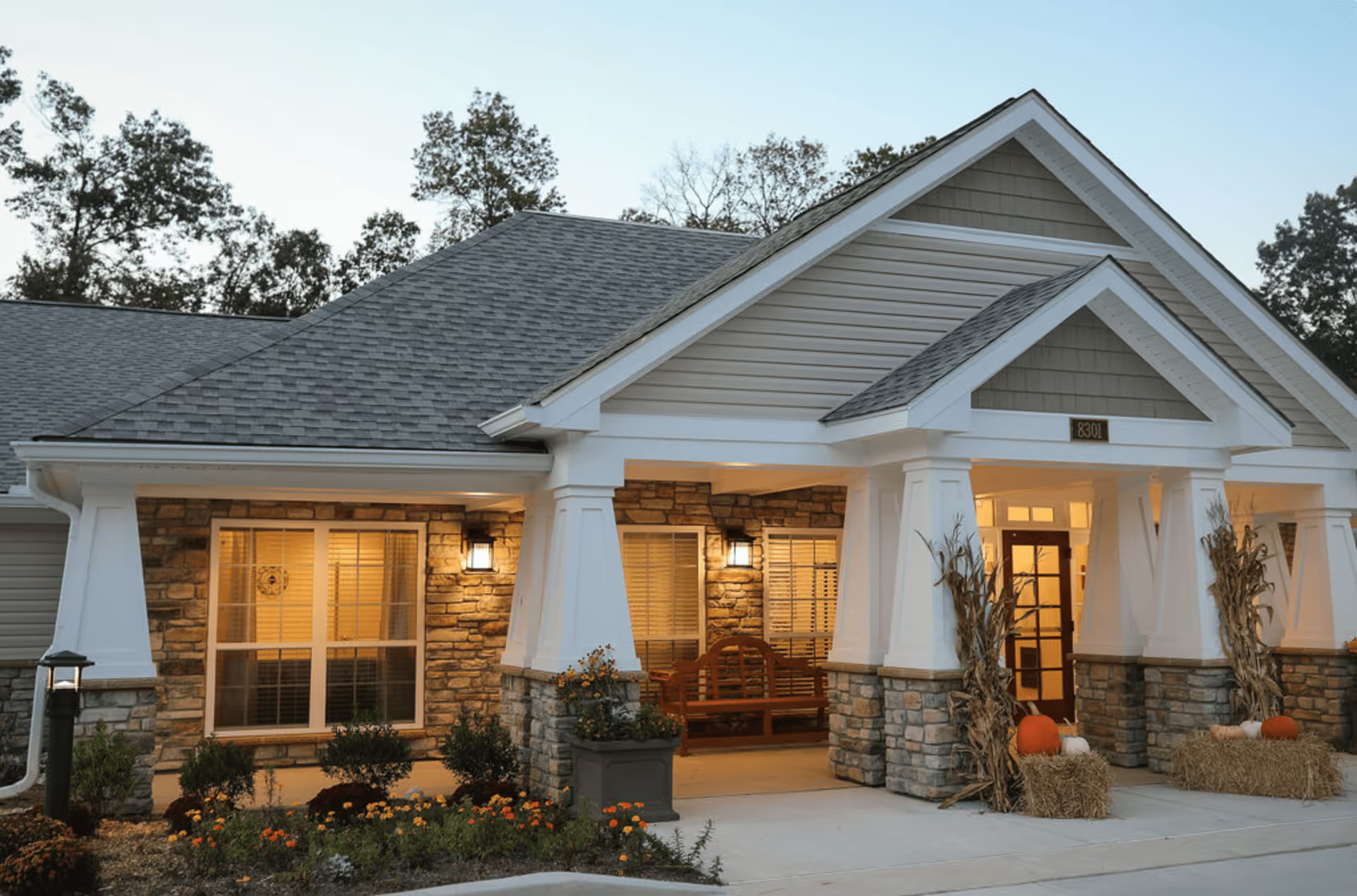
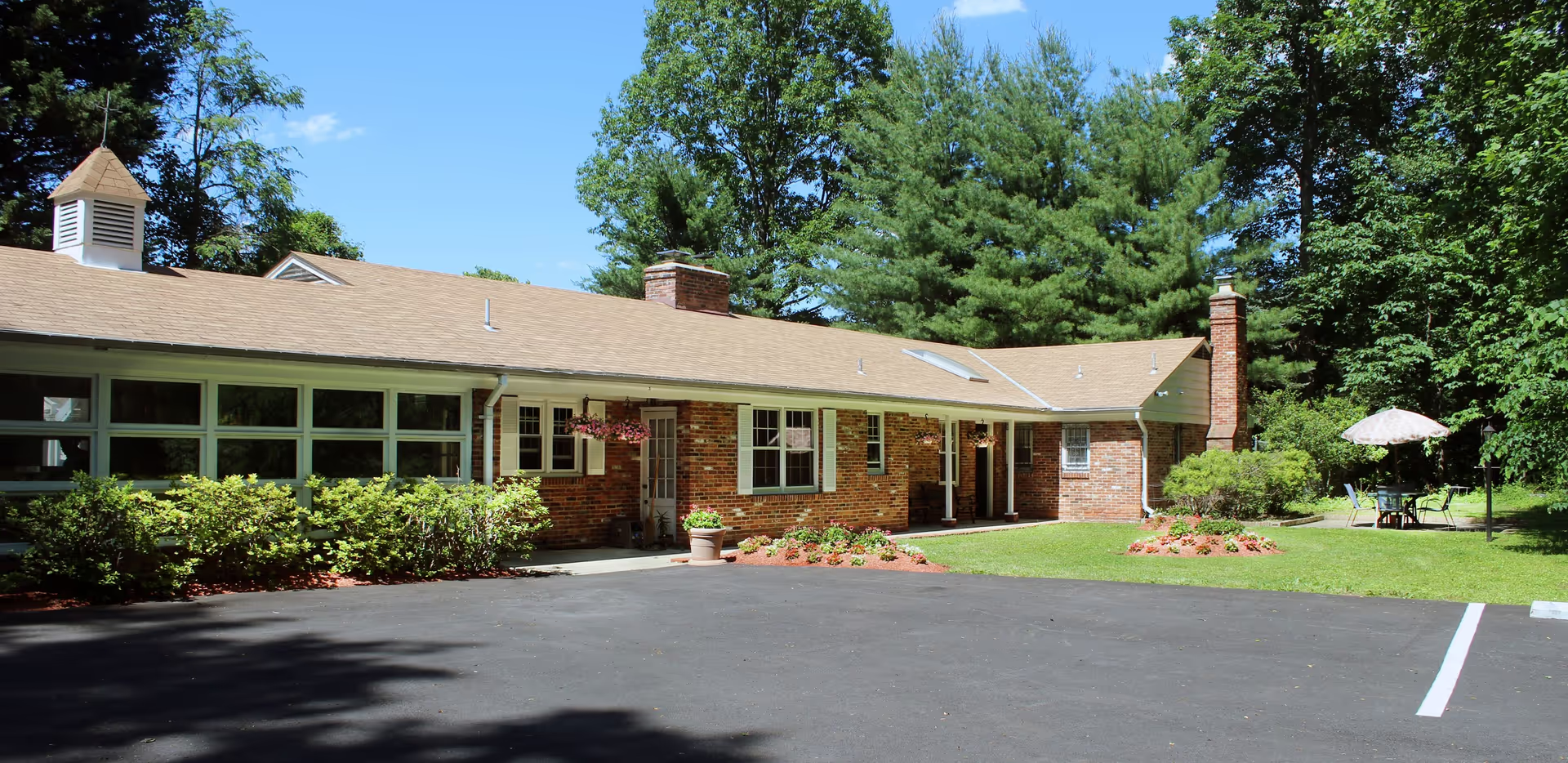
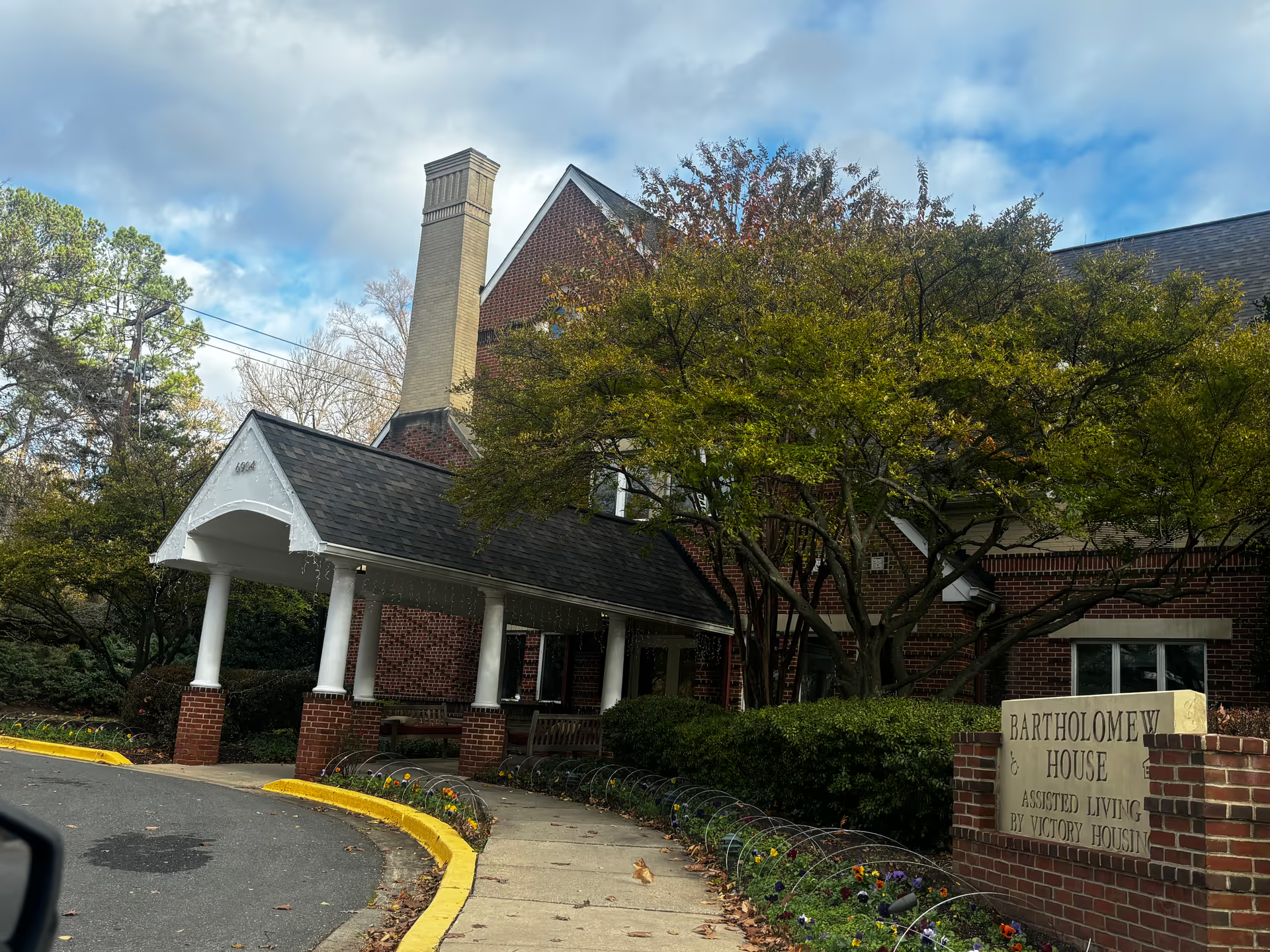
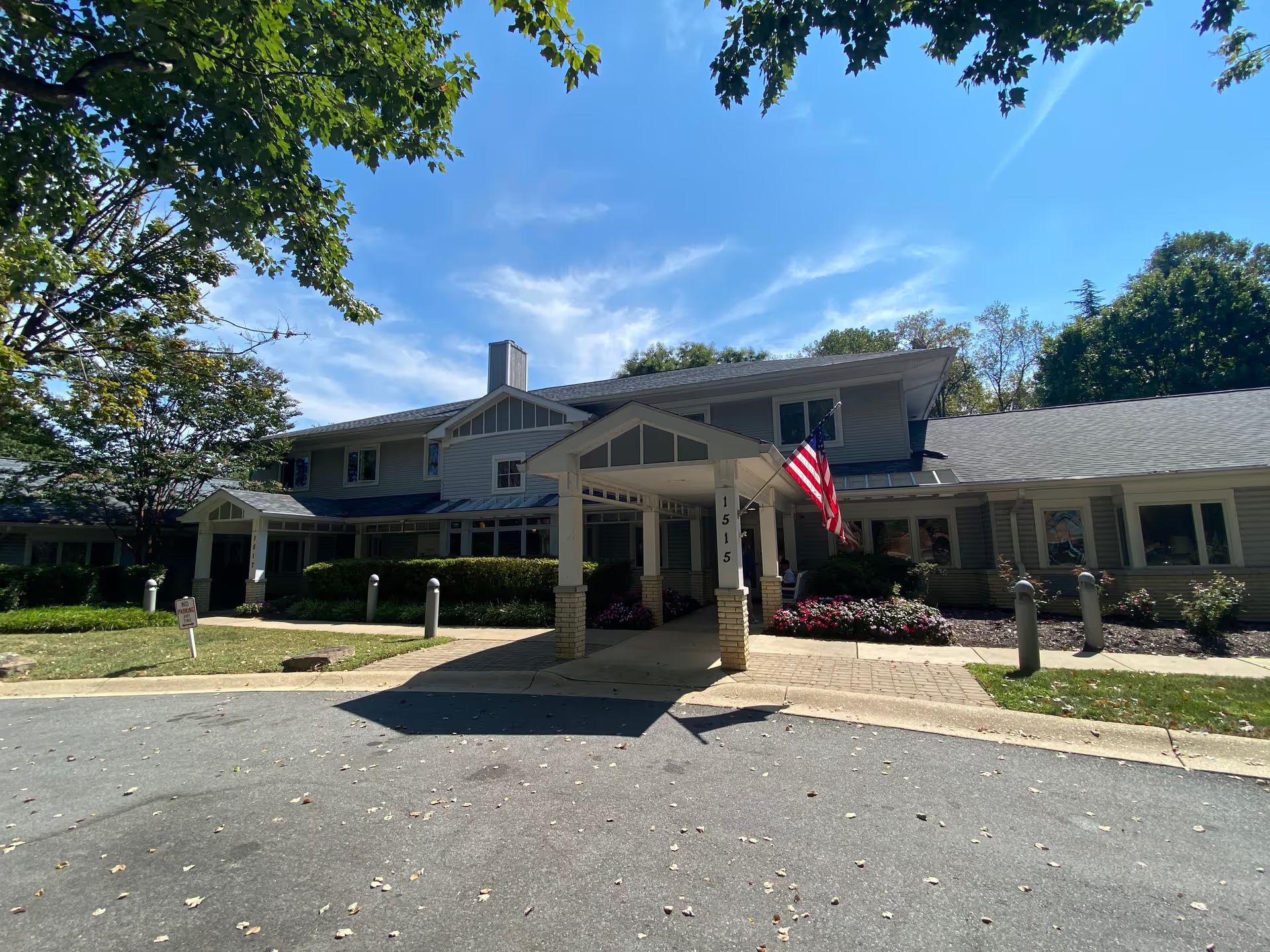
Serenity Gardens presents as a small, residential-style assisted living home with a consistently emphasized home-like atmosphere. Reviews highlight a clean, comfortable interior, attractive furnishings, a pleasant front porch and backyard set on approximately two acres, and a compact household model that many families find reassuring. The owner’s clinical background as a nurse practitioner is a recurring strength: reviewers describe knowledgeable leadership, personalized approaches to dementia care, and a willingness to answer clinical questions in detail.
Care quality and staff: Many accounts describe compassionate, attentive caregiving and nursing staff who contribute to measurable improvements in residents’ physical and emotional wellbeing. The small capacity and household model support close observation and individualized routines. However, there is a notable pattern of inconsistency in staff behavior: while several reviewers report warm and professional interactions, others described unprofessional or discourteous conduct and raised concerns about safety and responsiveness. This creates a mixed picture of staff performance that prospective families should probe further during a visit.
Dining and activities: Dining receives positive mention — reviewers refer to good cooks and thoughtful meal service — and the program of activities is described as varied and resident-oriented. The facility’s intimate scale appears to allow staff to tailor activities and mealtimes to individual needs, which families linked to improved mood and engagement.
Facilities and maintenance: The property and assisted-living equipment are generally portrayed positively, with clean common areas and comfortable resident rooms. At the same time, some comments point to cosmetic maintenance needs (for example, paint and carpeting) and occasional variability in upkeep. The small-house format and outdoor space are strengths for families seeking a residential feel, but the limited number of beds also means availability and the scope of onsite services may be constrained compared with larger communities.
Management and notable patterns: Leadership with clinical credentials is a clear asset; reviewers value thorough tours and direct communication with management. Still, the pattern of mixed staff professionalism and intermittent maintenance issues indicates operational variability. Prospective residents and families would benefit from targeted questions during a tour: staffing ratios and turnover, examples of staff training and supervision, protocols for handling safety incidents and family communication, routine maintenance schedules, and the facility’s capacity to meet specific clinical needs. Obtaining references and visiting at different times of day can help assess consistency of care and staff conduct.