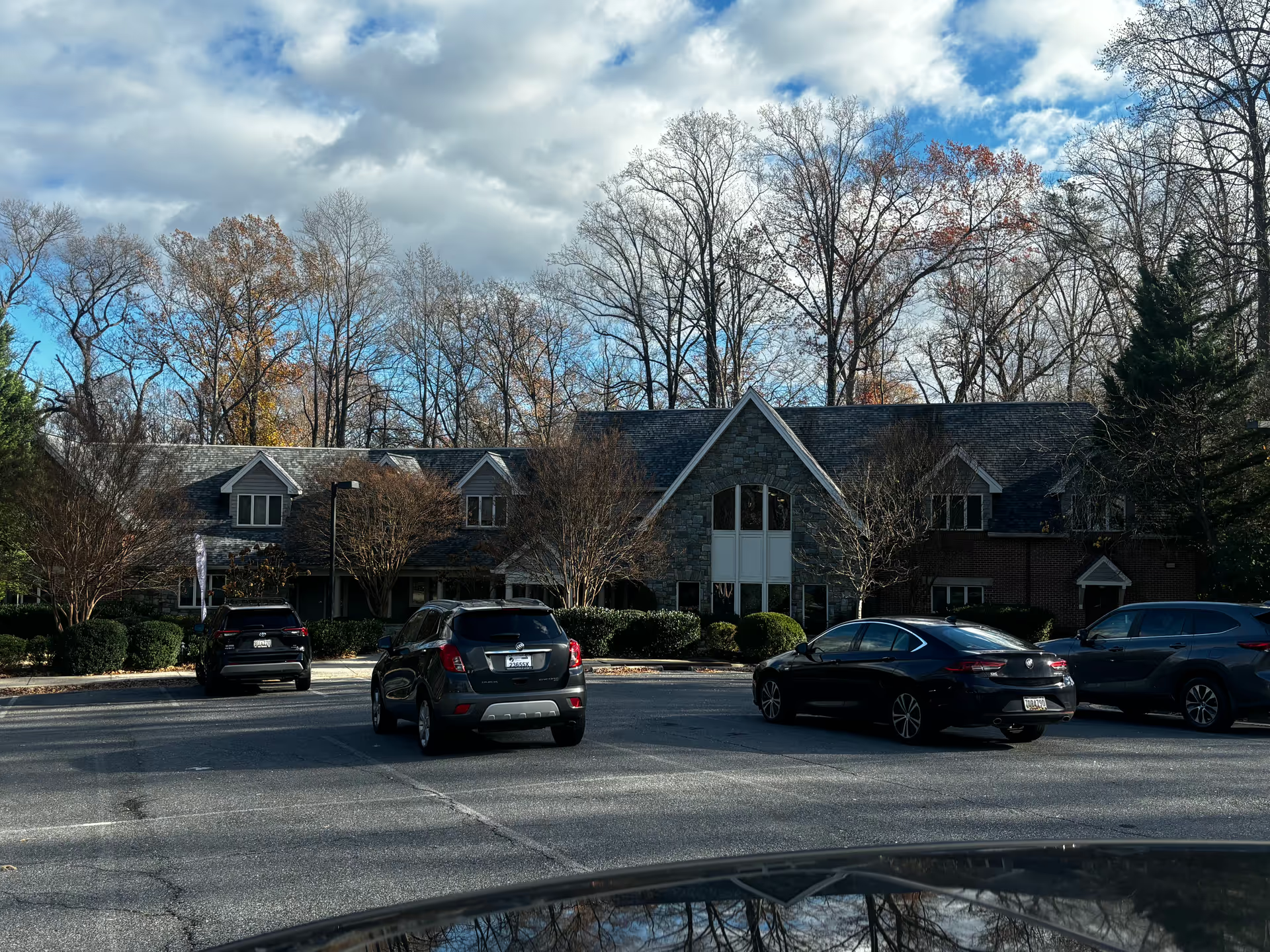
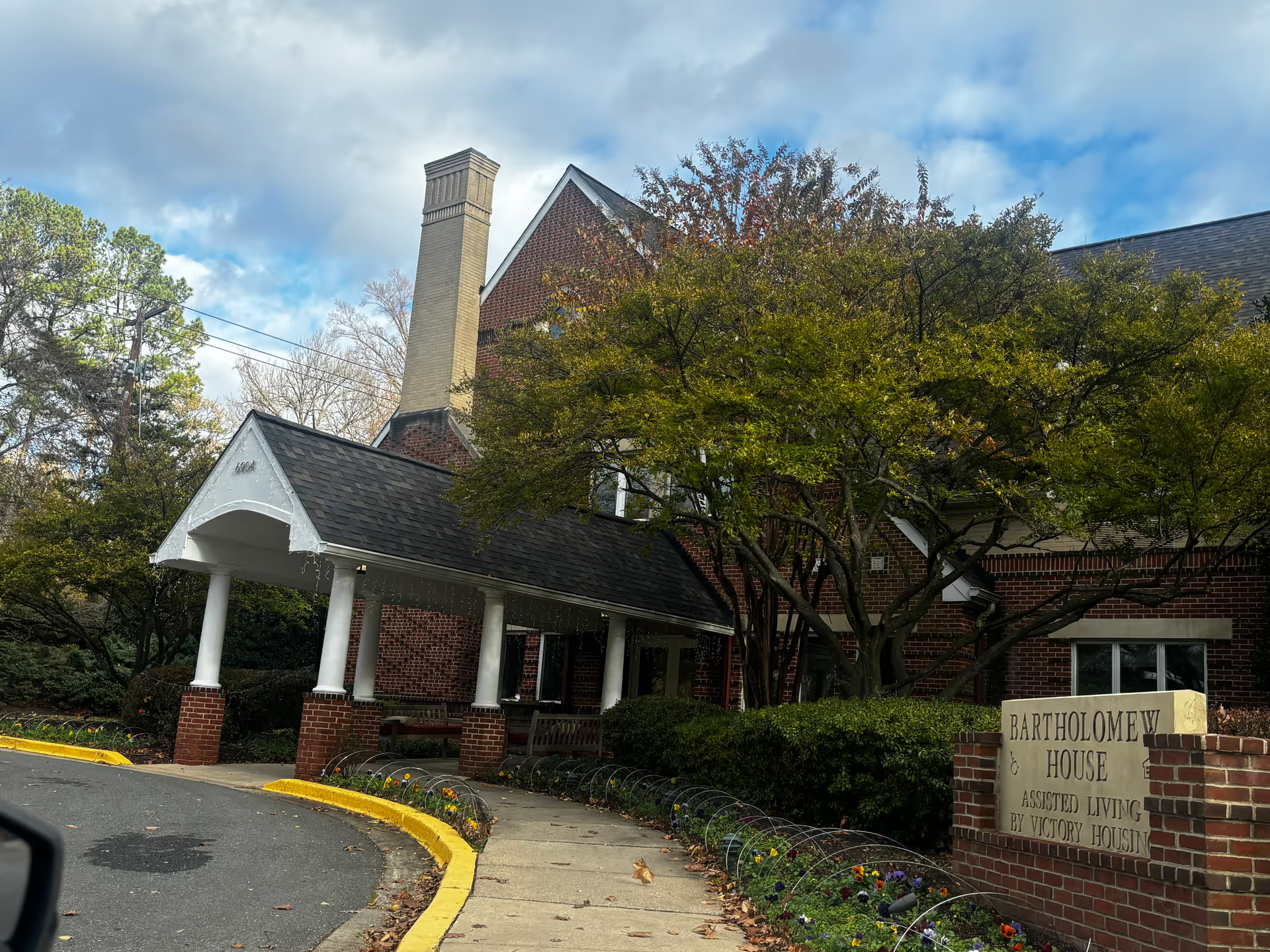
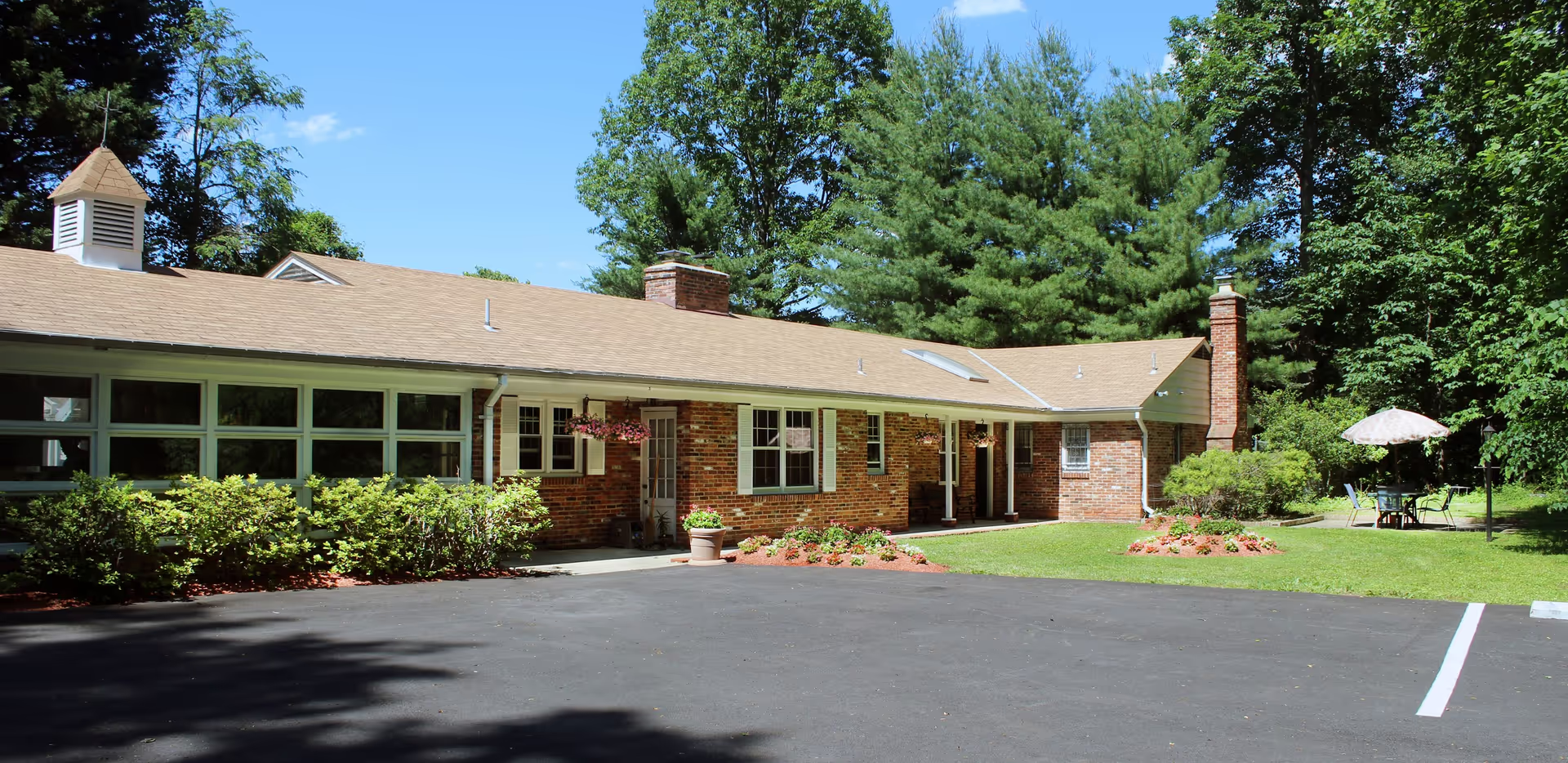
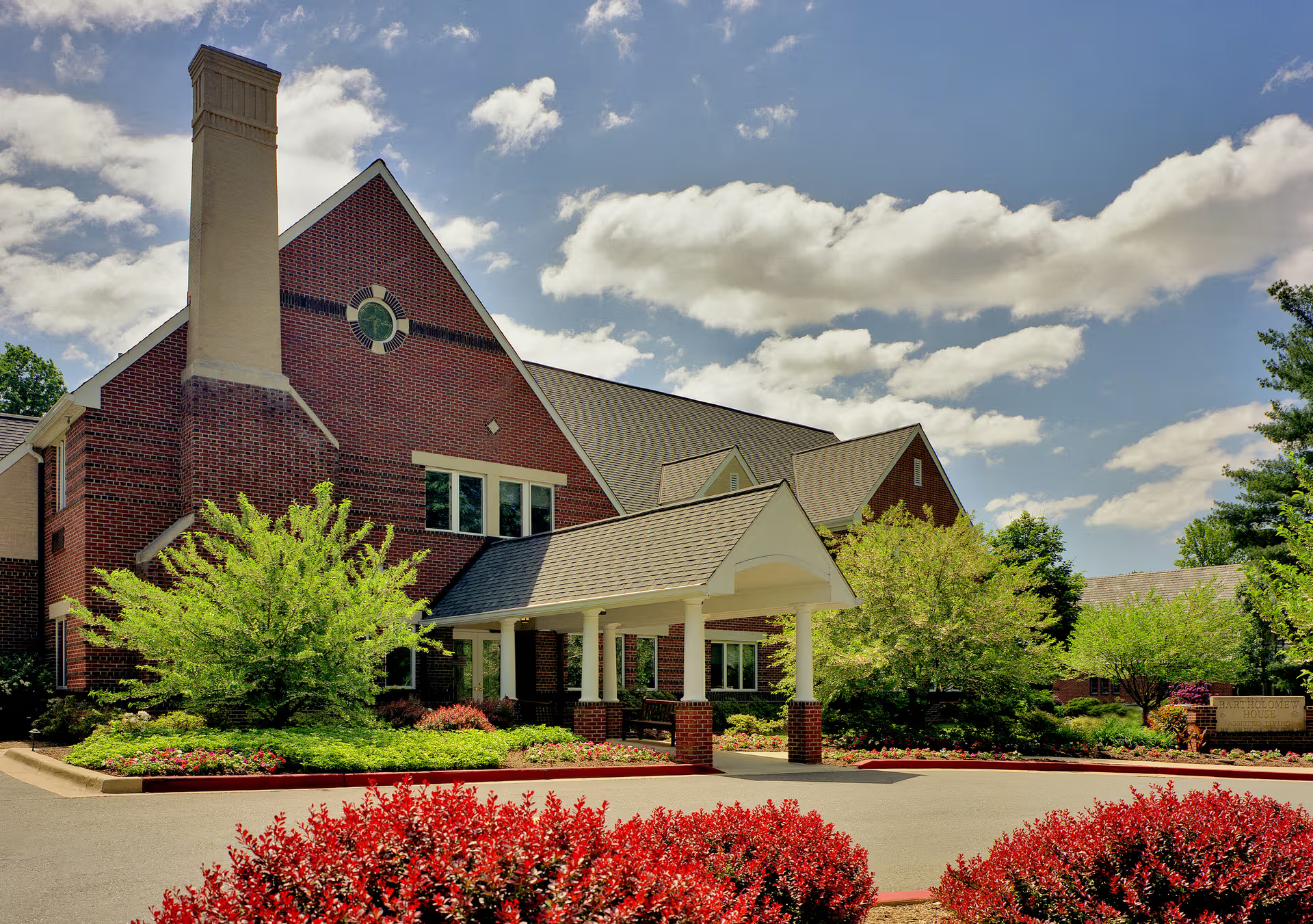
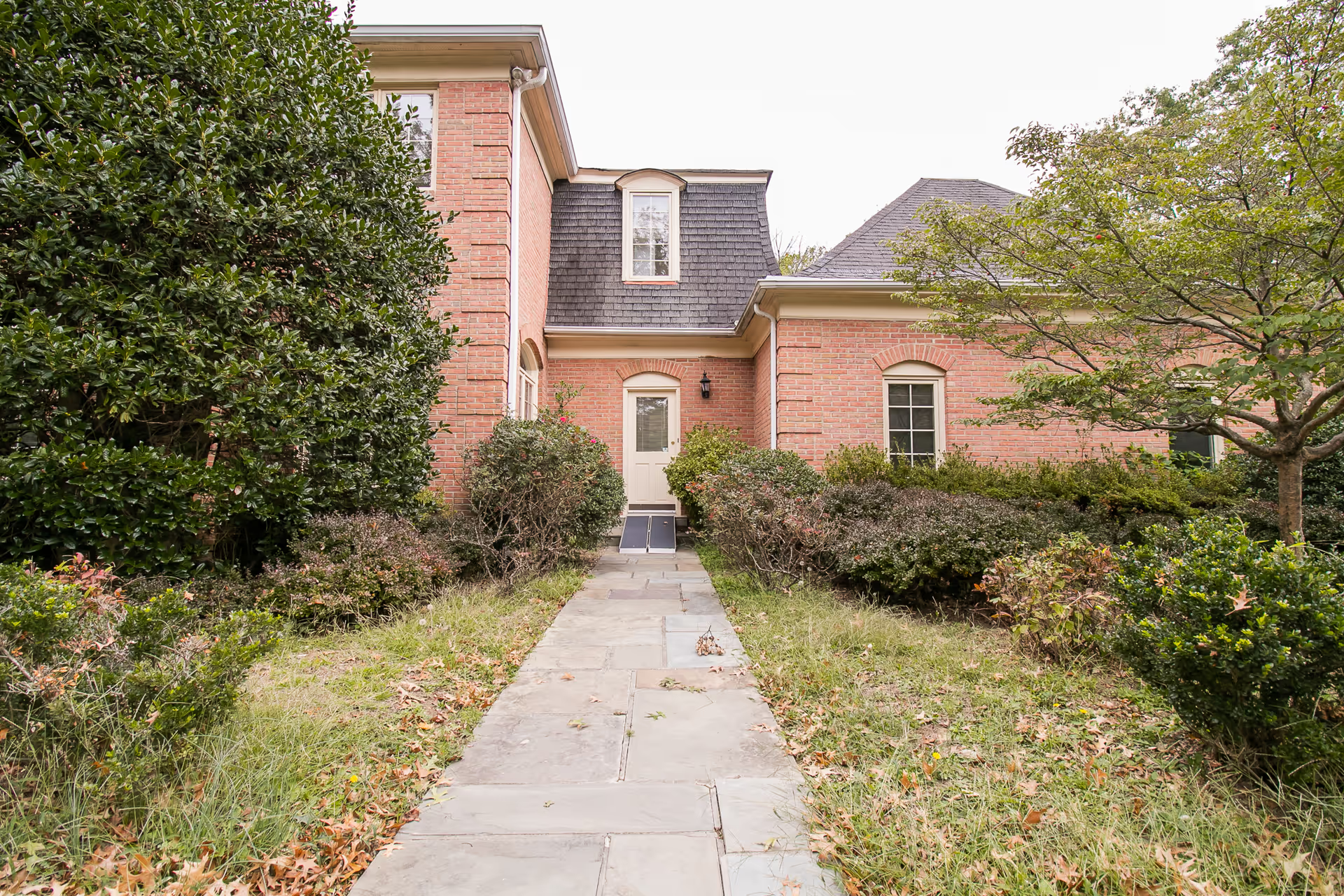
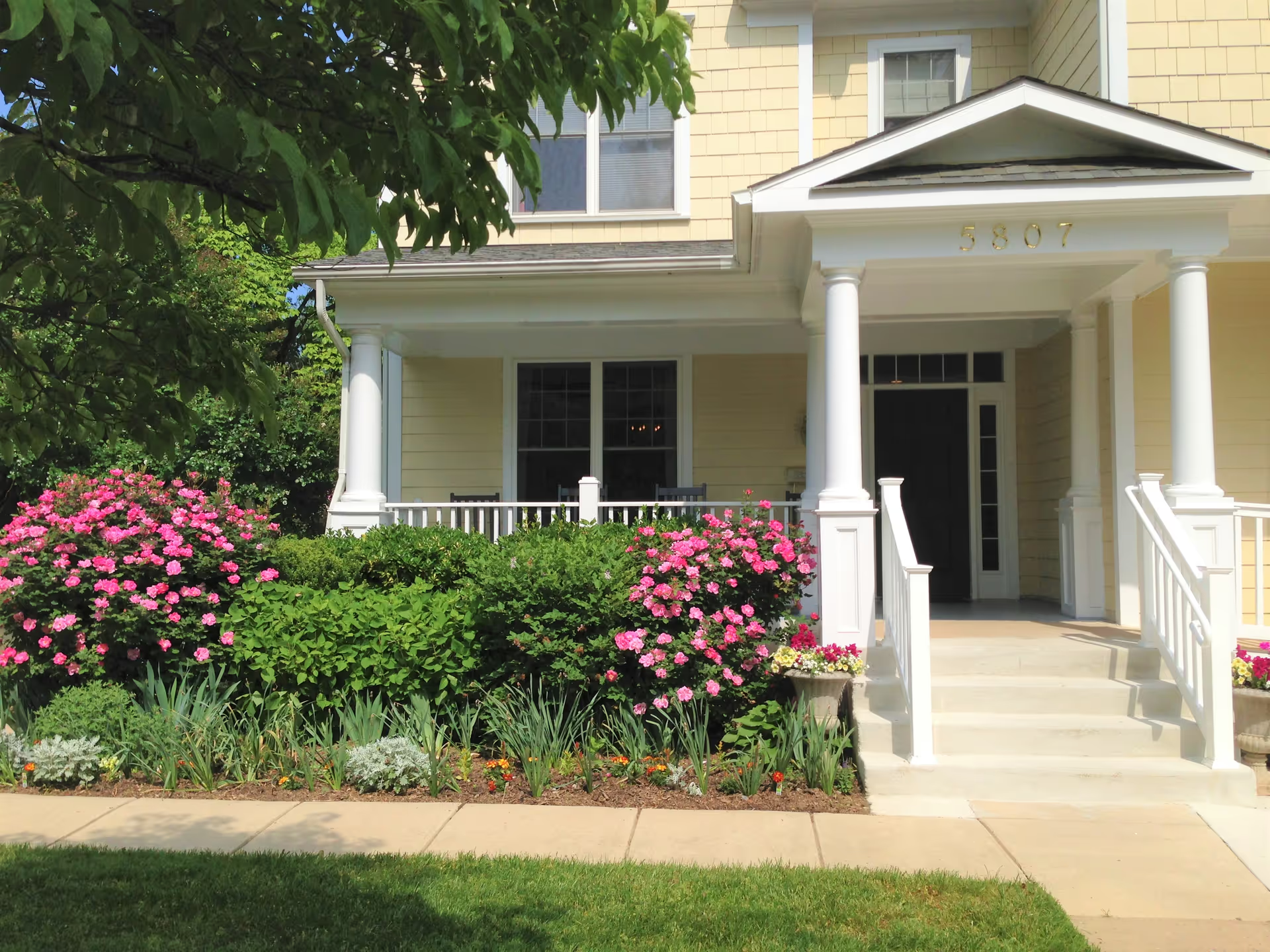
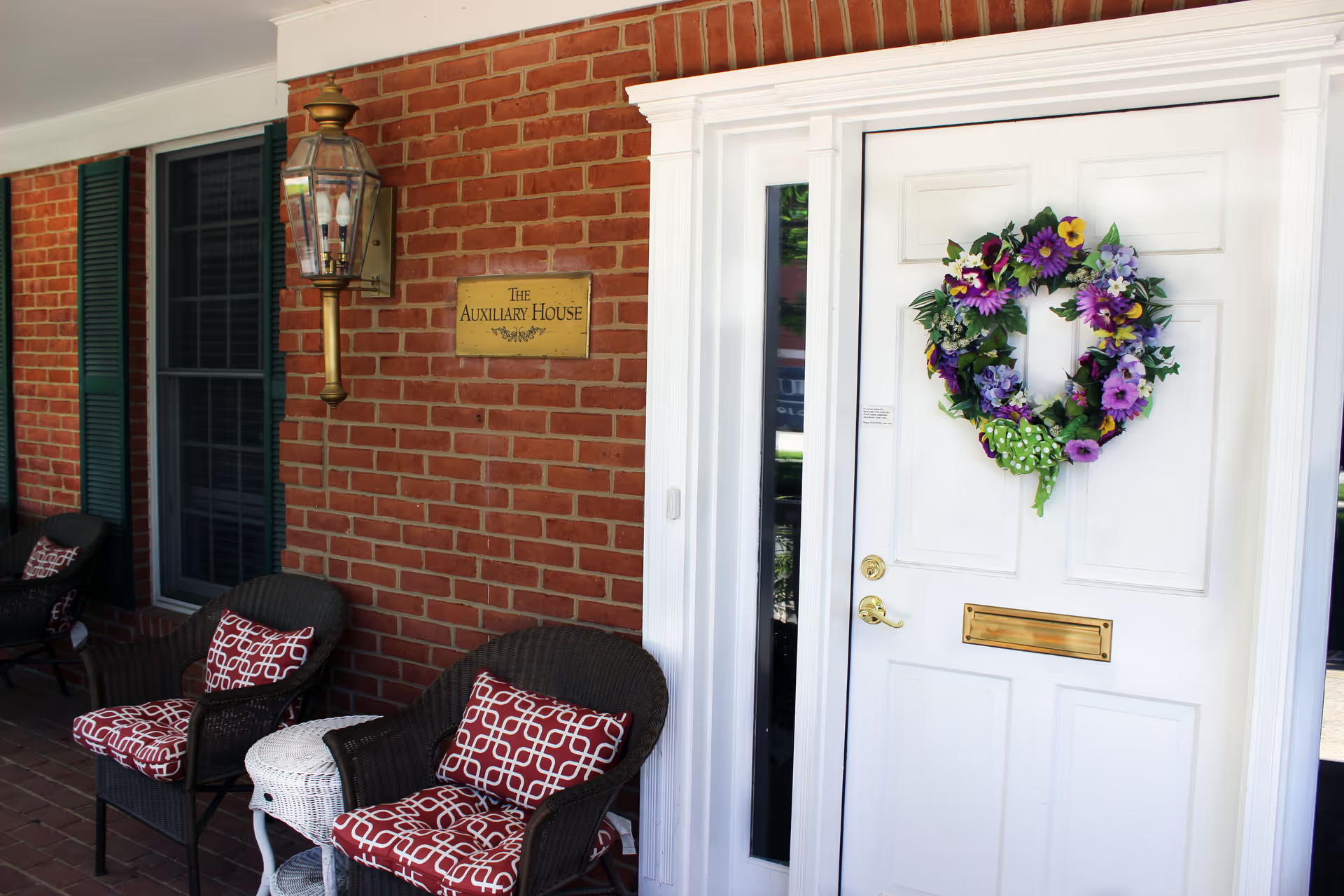
Overall impression Artis Senior Living of Potomac is consistently described as a warm, well-maintained community with a strong emphasis on memory-care and personalized attention. The facility's physical environment receives frequent praise: newly built, tastefully decorated interiors, well-kept rooms, and appealing outdoor spaces such as a courtyard, patios, and walking trails. Many families highlight a calm, dignified atmosphere that supports resident autonomy while offering supervised safety.
Care and staff A dominant theme across feedback is the compassion and personalization of direct-care staff and activity teams. Reviewers note move-in support and transition coaching, attentive frontline staff, and specific nursing and leadership figures who are accessible and trusted. The community's dementia-focused approach — including single-floor memory care and activity programming tailored to cognitive needs — is cited as life-changing for some families. At the same time, there are repeated, contrasting comments about variability in staff performance: concerns surface about management responsiveness, night-shift clinical responsiveness, and inconsistent staff training or conduct. These criticisms suggest uneven experiences tied to shift or staff changes rather than a uniform standard of care.
Dining and activities Dining and programming are strong points for many residents: meals, special touches (cookies, hot chocolate, prepared soups), live music, and celebratory events are frequently mentioned. The activity calendar appears robust, with exercise classes, gardening, cooking and baking, music, dancing, and regular outings or field trips. That said, dining quality is not uniformly praised; isolated critiques about meal quality and portioning translate into a facility-level note of inconsistent meal experience.
Facilities and operations The physical plant and location are repeatedly highlighted as strengths — clean, new construction, easy navigation for memory-care residents, and family-oriented common spaces. Operational concerns that recur across feedback include perceived cost‑cutting measures and a sense that pricing may not align with room size in some units. There are also remarks about visitor-access rules and limited private seating for visitors that families found restrictive. A few comments point to occupancy or staffing turnover issues; together with the variability in leadership responsiveness, these indicate areas where operational stability could be strengthened.
Notable patterns and recommendation framing The overall pattern is one of a community with strong clinical leadership, warm direct-care staff, and engaging programming that supports resident quality of life, especially for those with memory impairment. However, experiences can be uneven: families who emphasize excellent outcomes tend to highlight specific staff members and leadership, while critical feedback centers on management responsiveness, overnight clinical performance, staff training consistency, and cost/value considerations. Prospective residents and families should weigh the strong memory-care programming, staff warmth, and facility quality against any concerns about overnight clinical coverage, visitor policy flexibility, and pricing relative to room size. When possible, in-person visits during different shifts and detailed conversations with nursing leadership about overnight coverage, staff training, and visiting policies will help clarify whether the community’s strengths align with a family’s priorities.