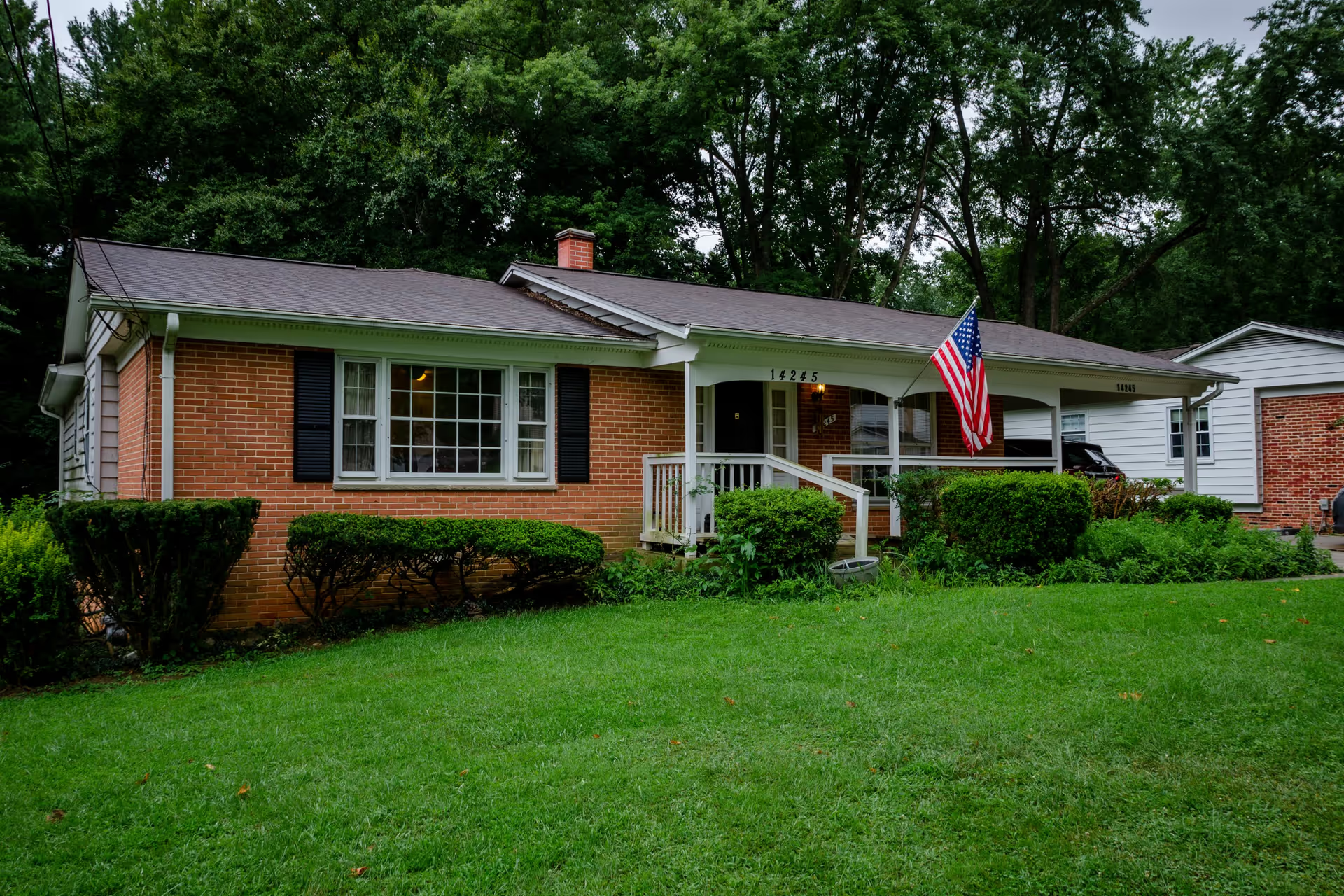
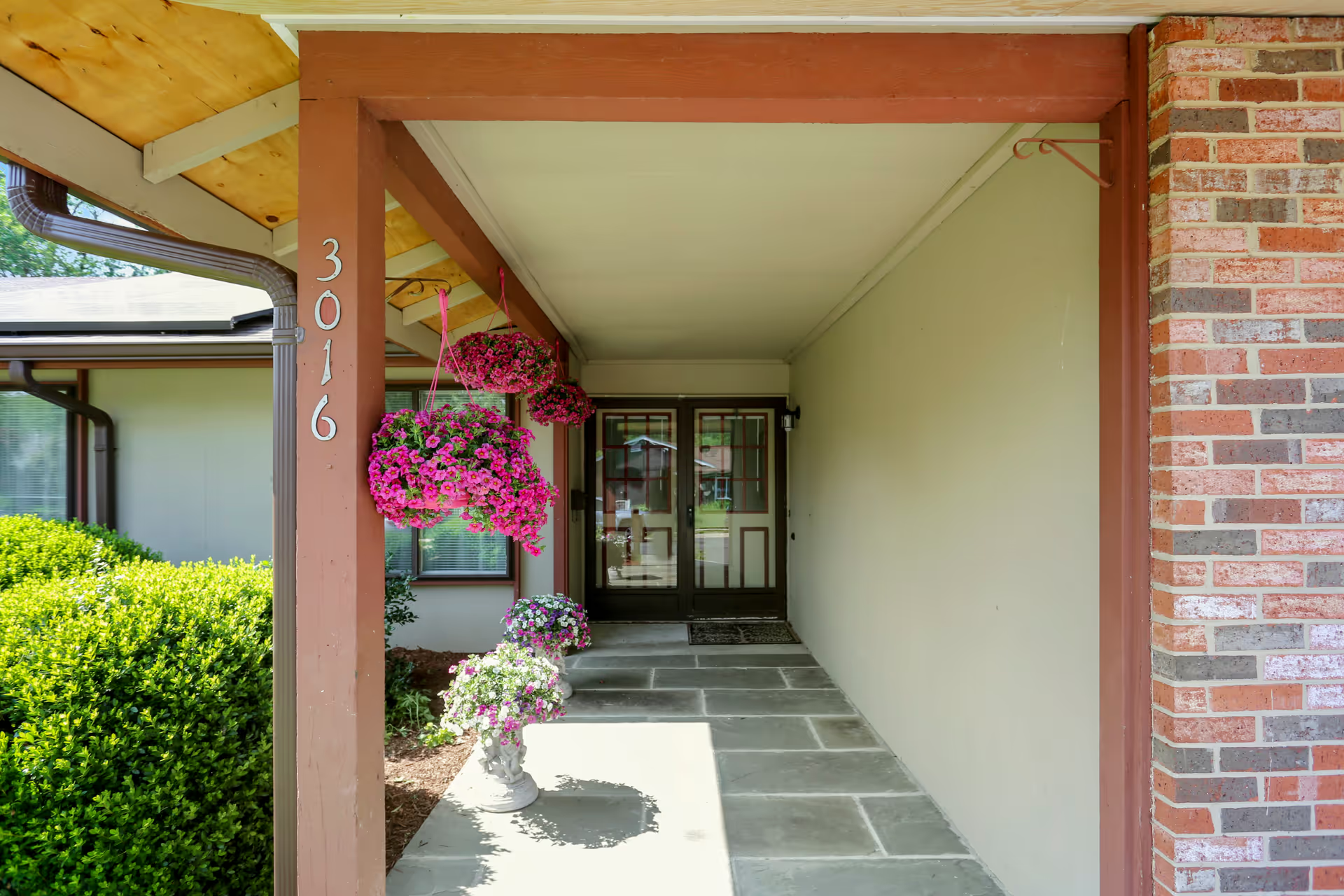
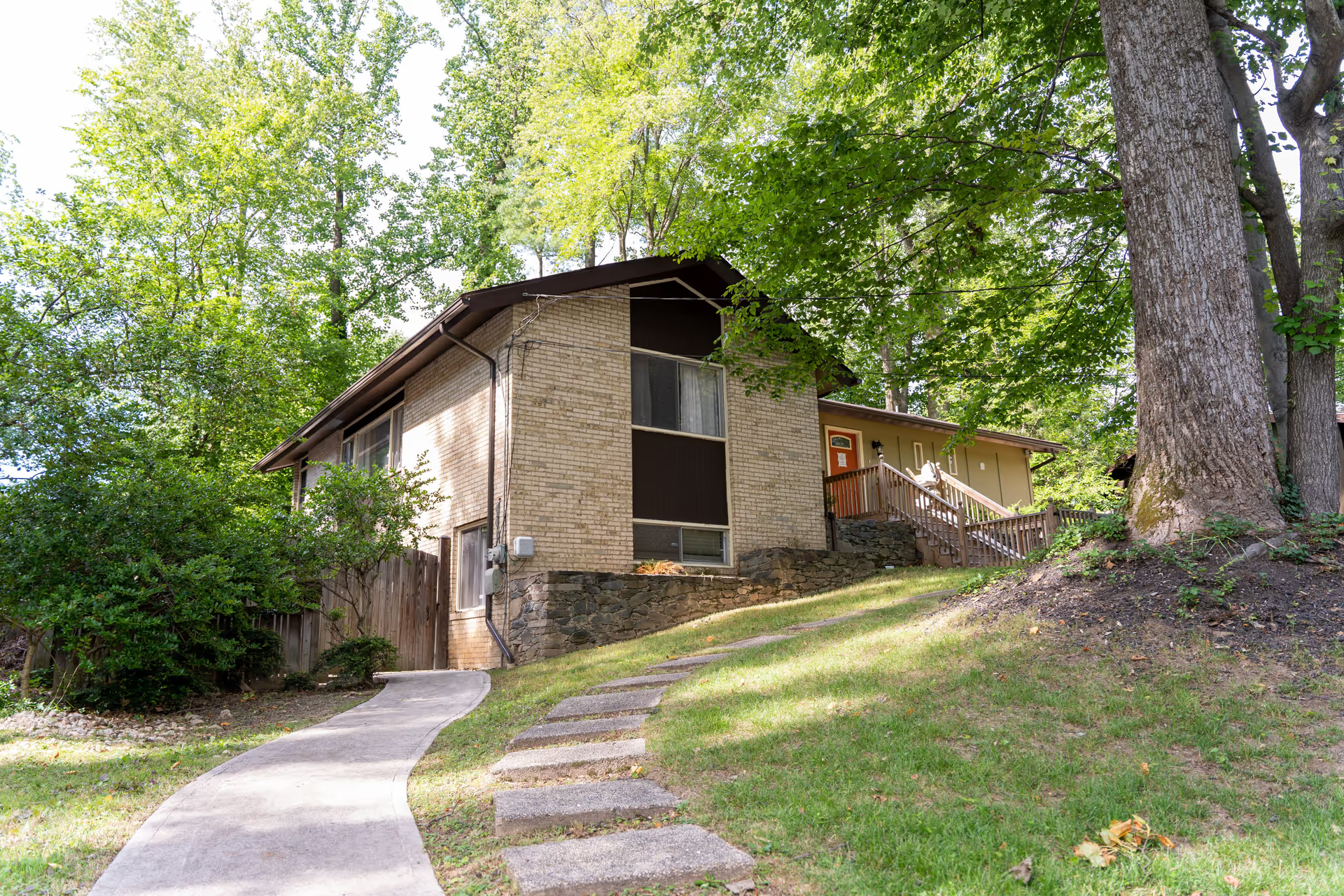
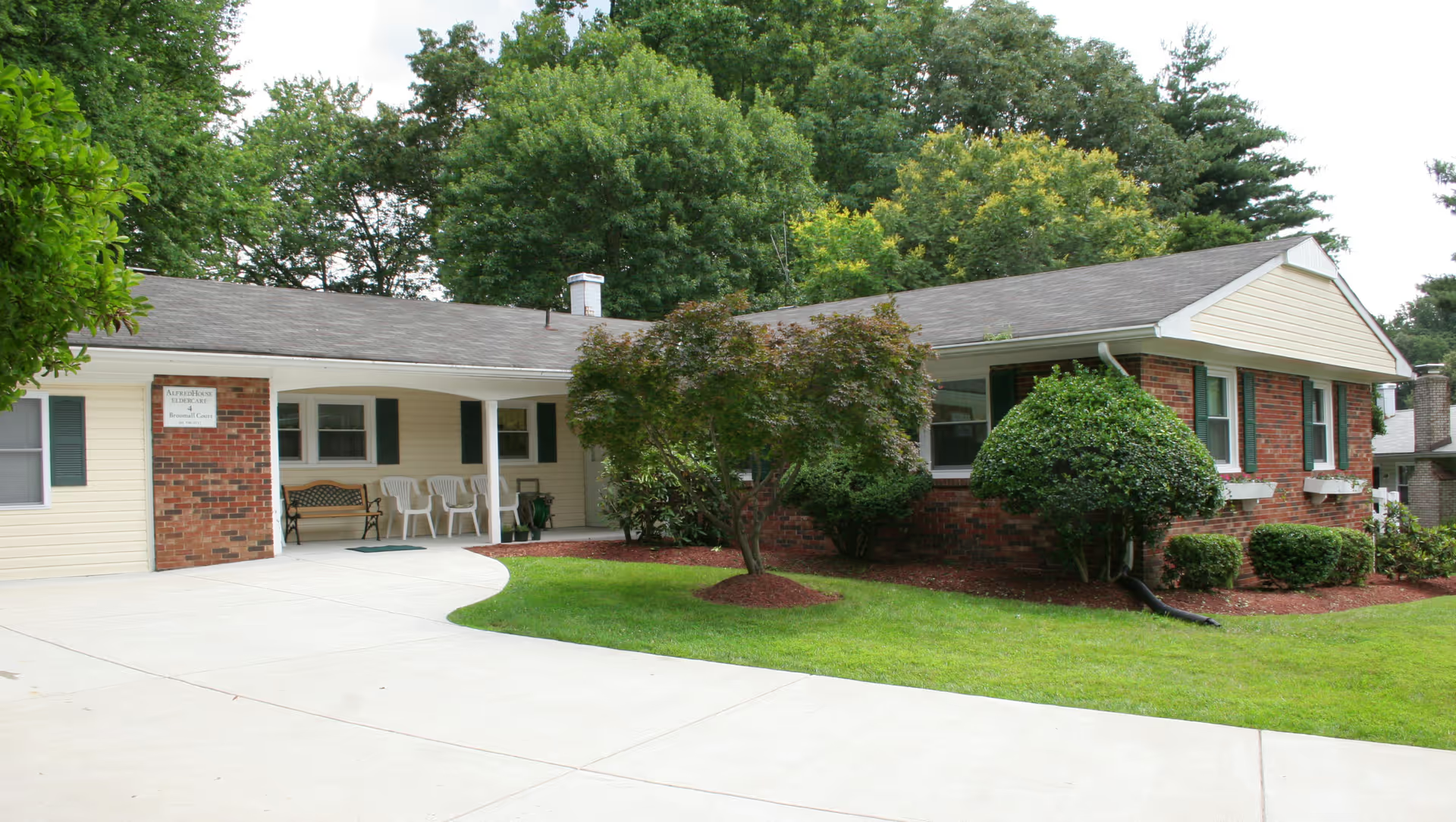
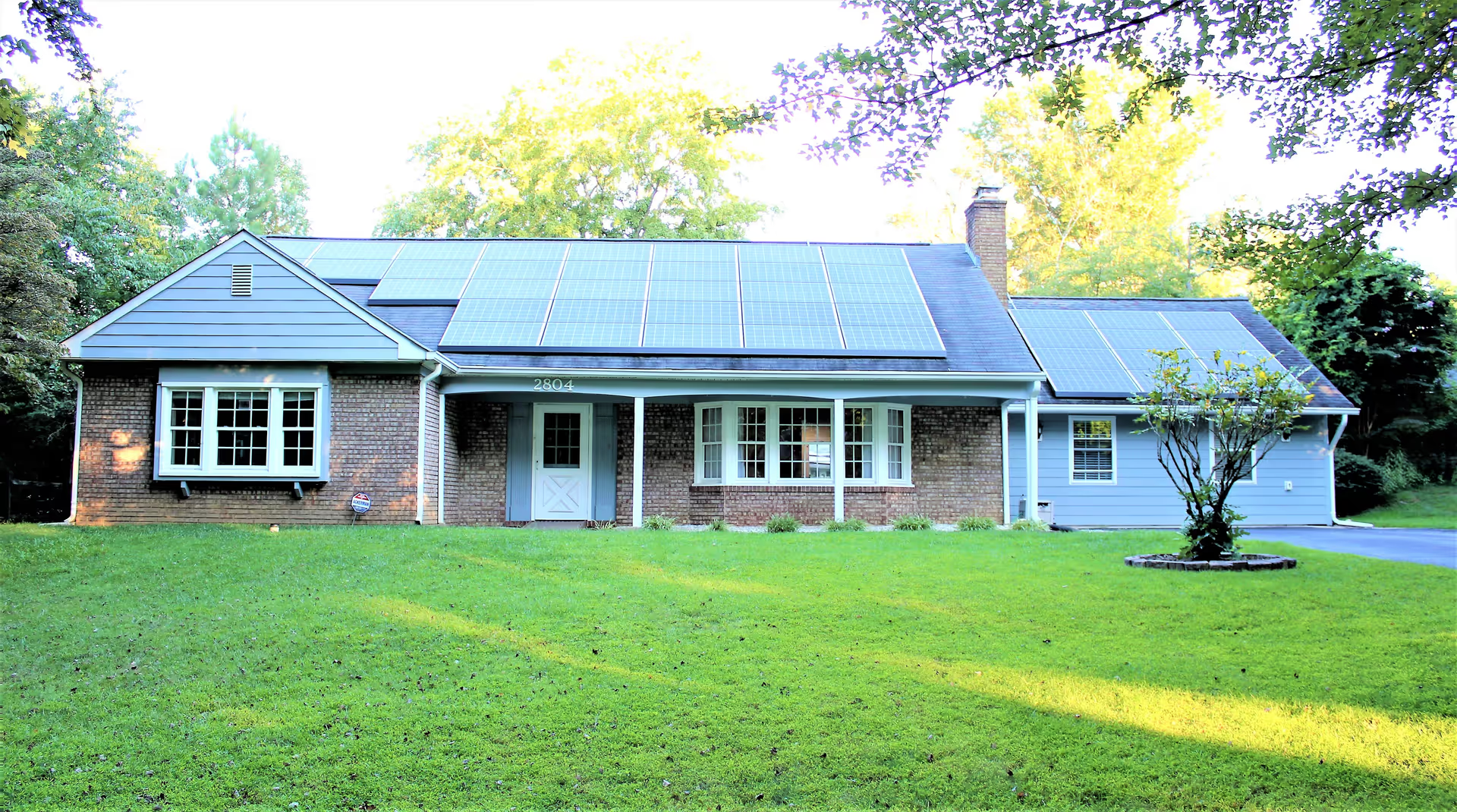
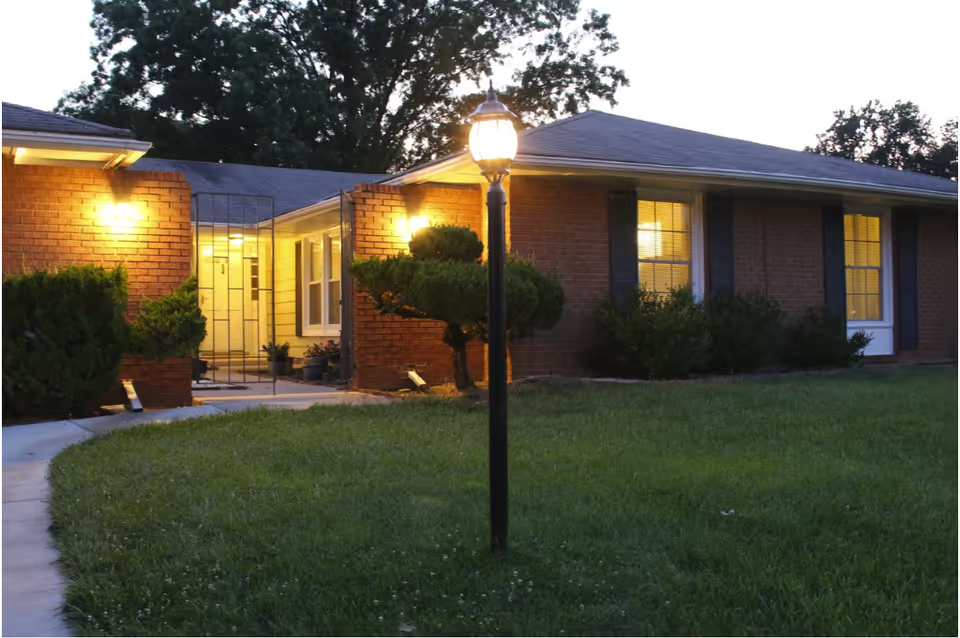
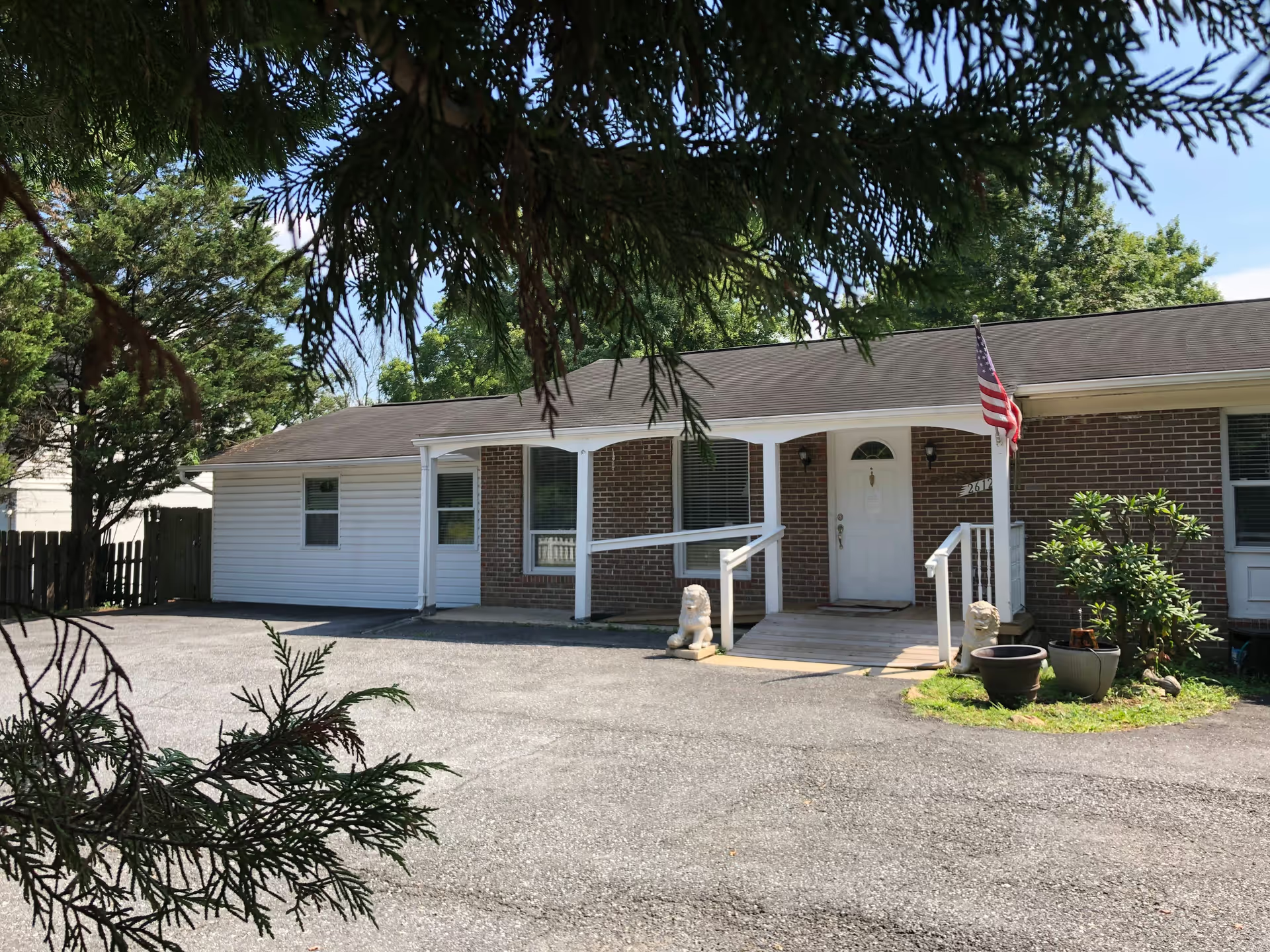
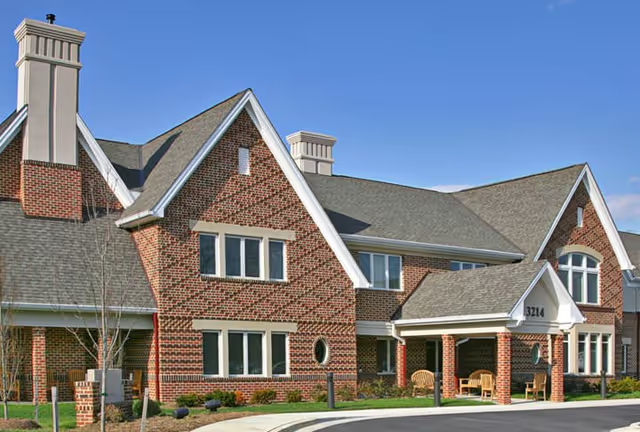
Reviews for this memory-care residence present a polarized picture: several reviewers praised the facility's appearance, location, and the demeanor of some frontline staff, while others raised substantive operational concerns about ongoing care, management, and value. Positive comments emphasize a clean, well-maintained environment, an elegant and sophisticated aesthetic, a favorable 1:4 caregiver-to-resident ratio, and a positive tour experience. These attributes may appeal to prospective residents and families who prioritize ambience and location.
Care quality perceptions diverge sharply. On the positive side, reviewers described compassionate and kind caregiving interactions. However, a number of reviews identify systemic gaps in clinical oversight and day-to-day care delivery: limited nursing presence, inadequate structured review of care plans, and concerns about how staff prioritize tasks. Several comments indicate that caregivers spend substantial time on domestic duties such as cooking and housekeeping, which reviewers interpreted as reducing time available for direct resident engagement and clinical tasks. Families considering this facility should confirm current nursing coverage, care-plan review frequency, and how caregiving time is allocated.
Dementia-specific care and resident engagement were recurring areas of concern. Some reviewers described a lack of dementia-informed approaches and minimal cognitive or social stimulation beyond television; this suggests limited activity programming tailored to residents with memory loss. Prospective families should ask about the facility's dementia training for staff, standardized engagement programs, and documented activity schedules.
Dining and nutrition emerged as another mixed area. Positive impressions of the facility's presentation contrast with criticisms about food quality and unmet dietary needs. Reviewers reported inconsistent meal quality and instances where individualized dietary requirements were not fully accommodated. Prospective residents should review sample menus, observe mealtimes, and inquire about processes for managing special diets and monitoring nutritional intake.
Management and communication were frequently cited as operational weak points. Concerns include unclear or unexpected fees, perceived mismatch between cost and service level, limited responsiveness to family questions, and insufficient transparency around care-plan updates. There were also concerns implying risks to resident safety related to medication or task adherence; these point to the need for clearer protocols and oversight rather than indicating a single type of failure.
In summary, this facility may offer a pleasant environment and caring frontline staff for some families, but the reviews reveal patterns that warrant careful vetting: verify current staffing and clinical oversight, review care-plan and medication-management protocols, assess dementia-specific programming and daily engagement, and clarify fees and what is included. An in-person visit that includes observation of mealtimes, activities, and staff–resident interactions, plus detailed conversations about nursing coverage and dementia training, will help families determine whether the operational tradeoffs align with their expectations and care needs.