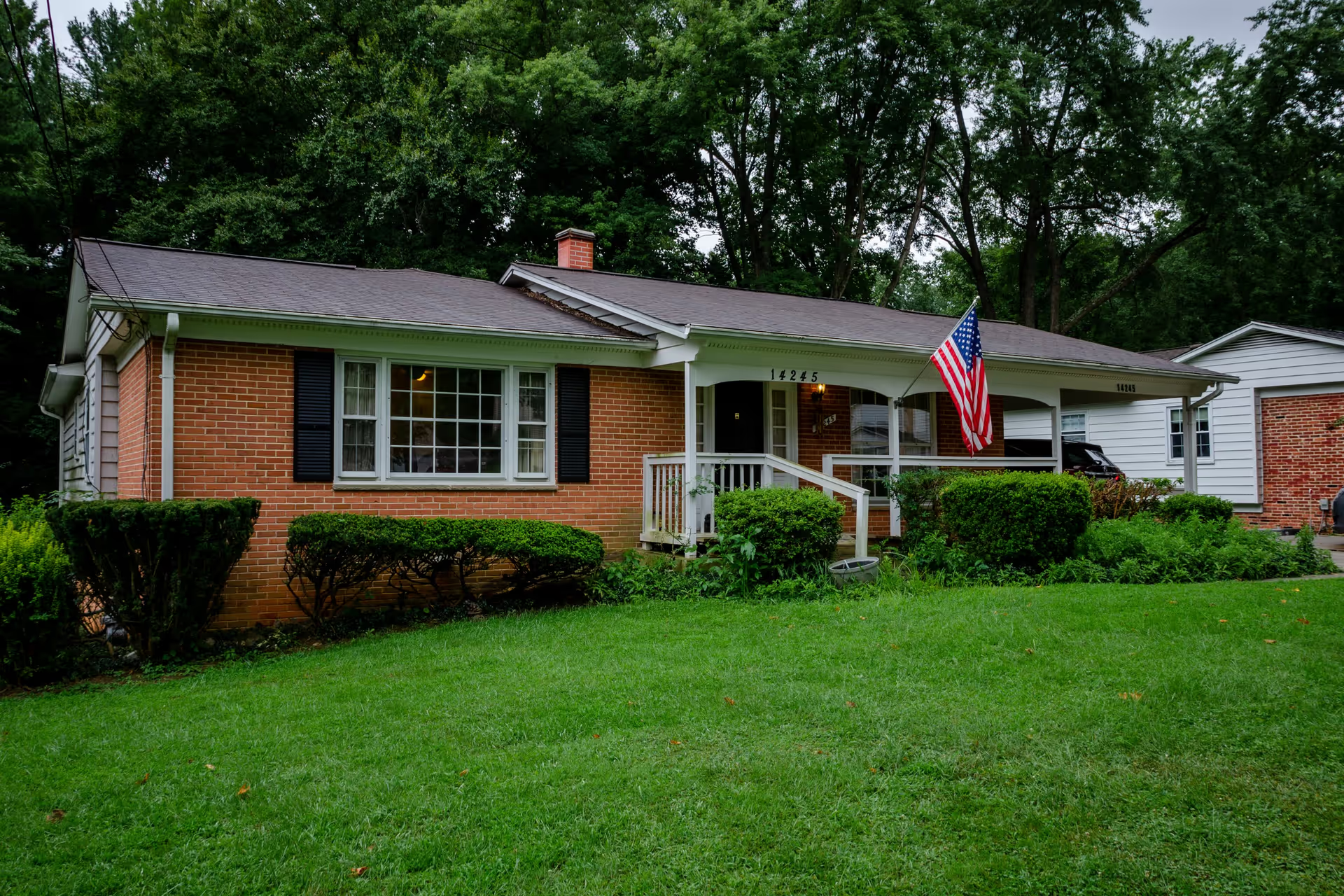
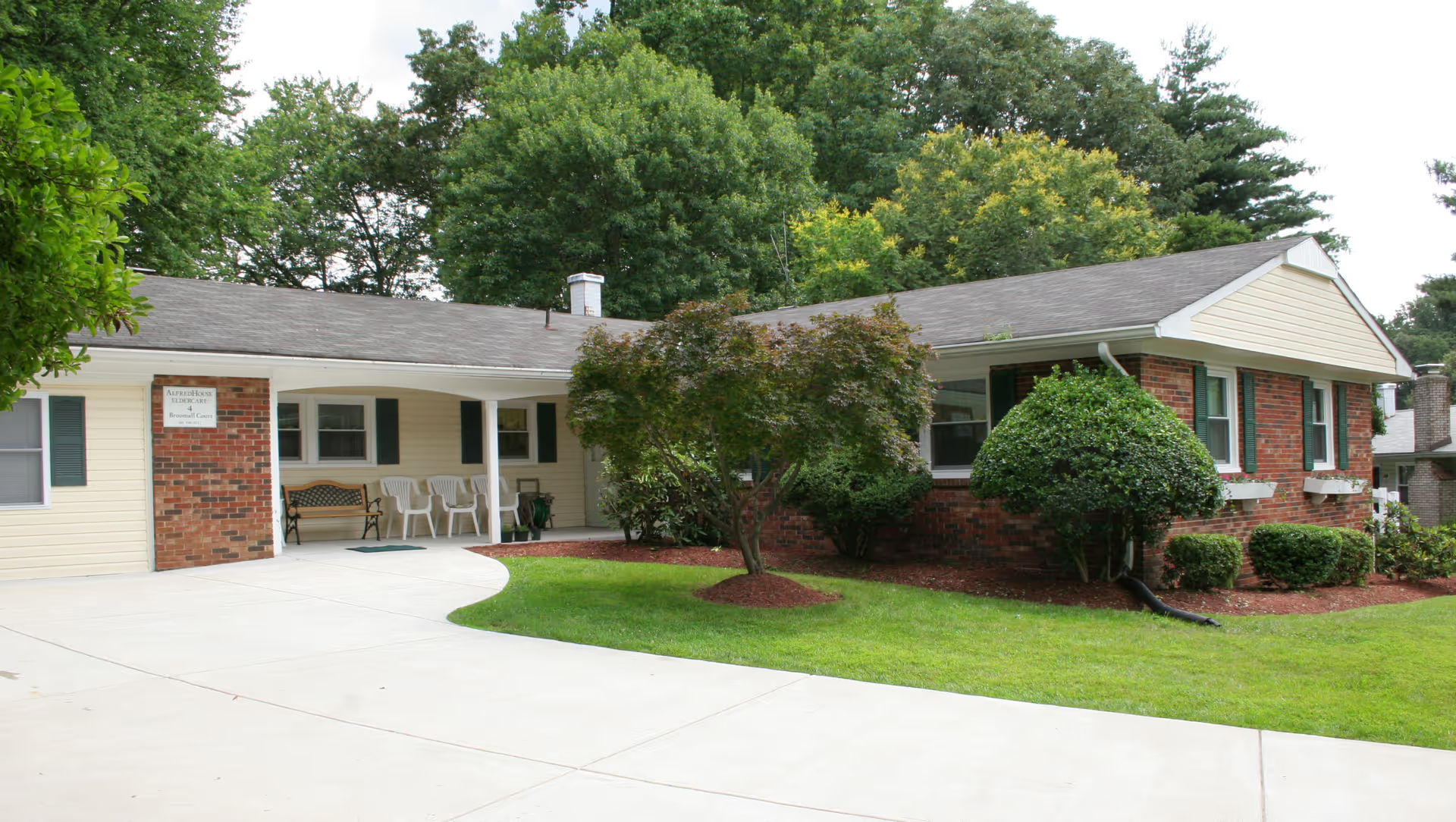
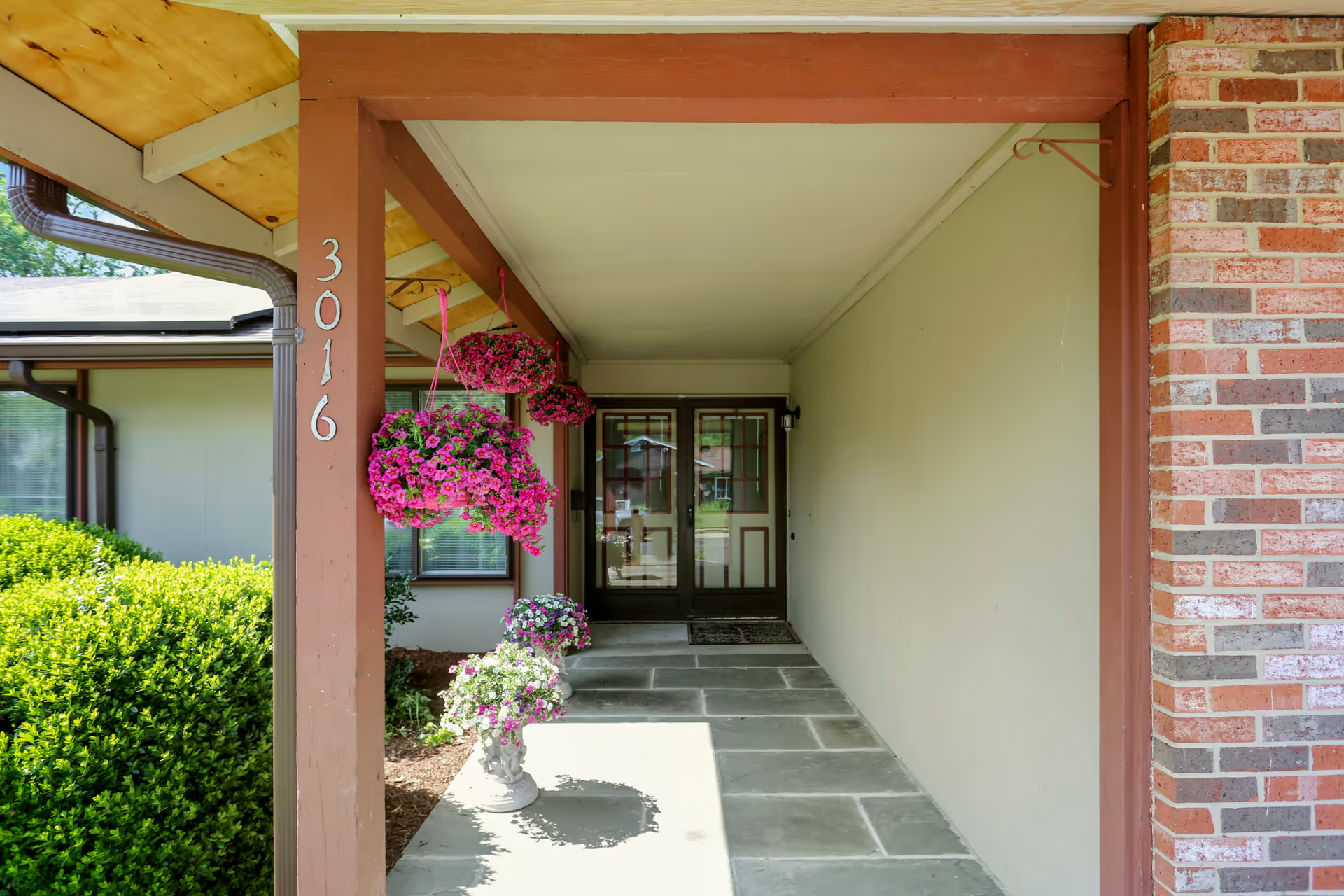
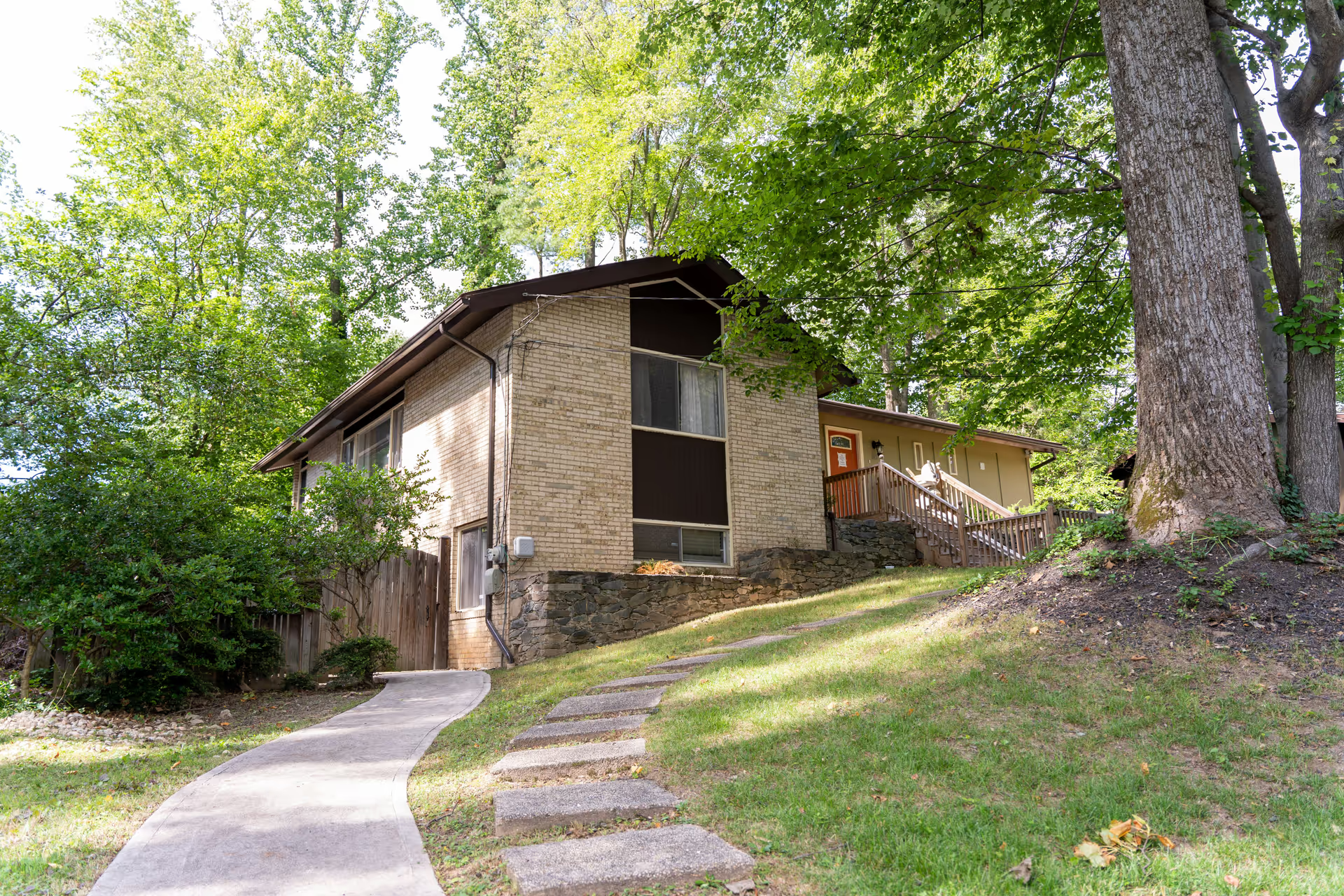
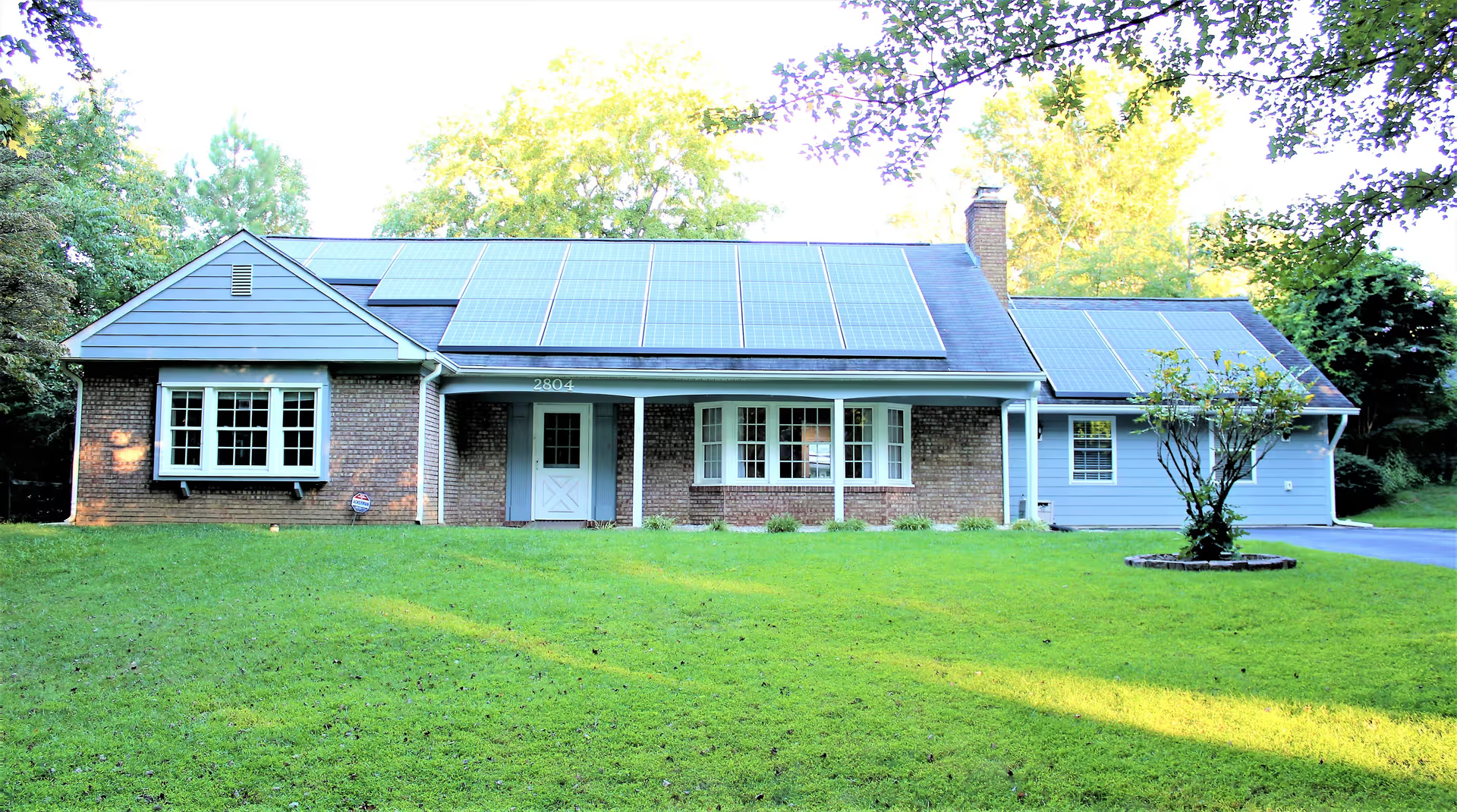
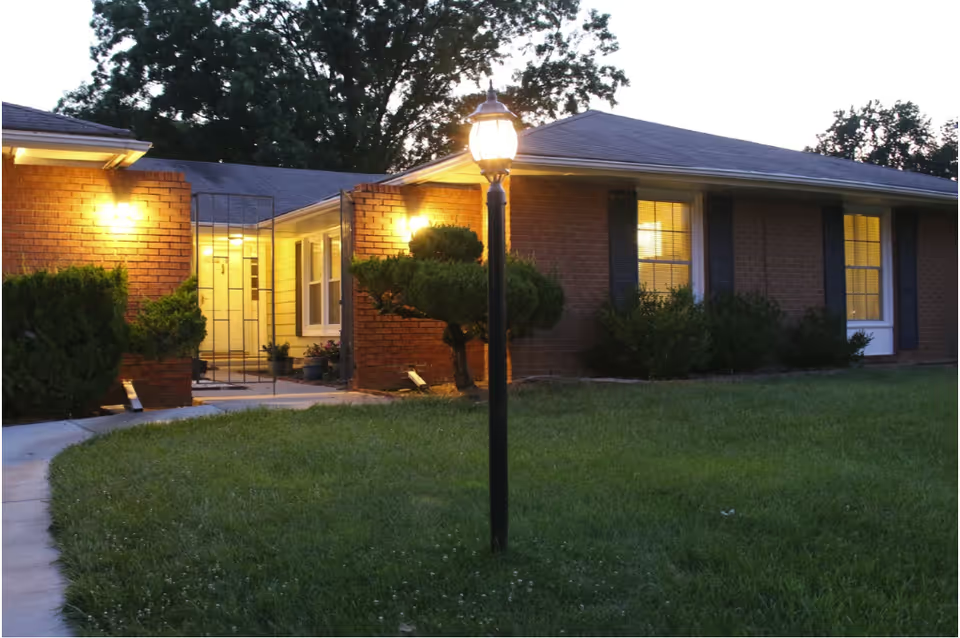
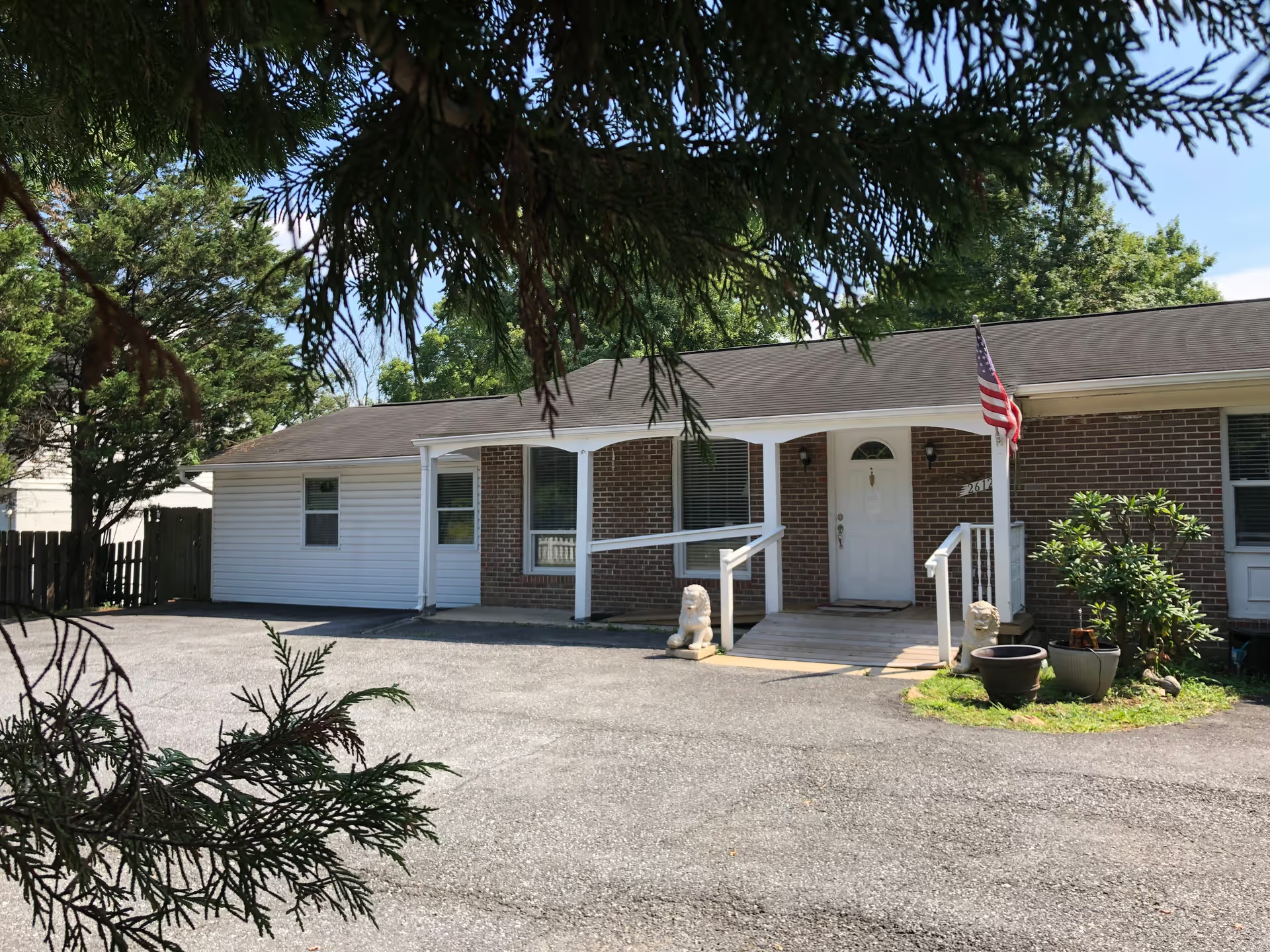
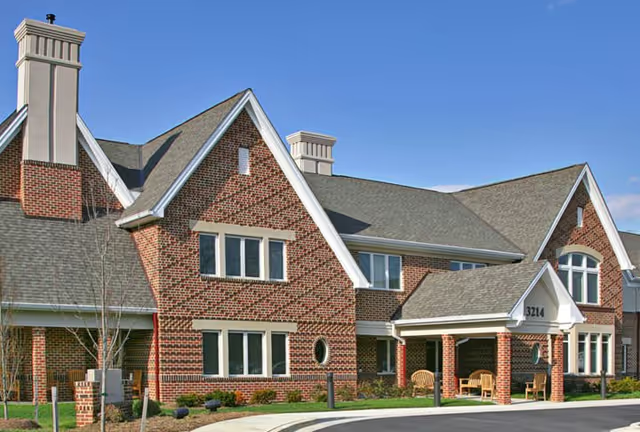
Overall impression: Angel's Garden #1 presents as a small, well-kept residential facility with a consistently positive first impression. Reviewers emphasize a bright, orderly interior and neat private rooms; residents appear socially engaged rather than passive. The facility's scale and atmosphere give a home-like feeling that many families find reassuring.
Care quality and clinical staffing: Clinical leadership and access to medical professionals are clear strengths. The facility is led by an RN director and benefits from regular visits by physicians, physician assistants, and podiatrists. This pattern suggests a relatively robust clinical oversight model for a small residential setting, and interactions with staff are described as conversational and attentive.
Dining and food service: Dining is provided from a small on-site kitchen that contributes to the homelike character of the facility. However, the most significant operational concern across the summaries relates to meal service: reviewers noted inconsistent food-temperature control and some food-handling practice inconsistencies. These observations indicate an area where procedural refinement and monitoring could improve resident experience and sanitation confidence.
Activities and social life: The resident community is described as socially engaged, with staff facilitating conversation and interaction rather than passive television-based time. The layout and communal spaces appear to support socialization, which aligns with the facility’s small-scale focus and contributes to quality of life for residents.
Facilities and accessibility: The building is bright, clean, and well maintained. An elevator and accessible layout were specifically mentioned, which supports mobility and ease of movement for residents and visitors. The small downstairs kitchen is functional for homestyle meal preparation but also ties back to the constraints noted in meal-service capacity.
Management and patterns: Angel's Garden #1 operates as an organized, family-run facility and is licensed for up to 15 beds but often maintains one bed fewer, reflecting a preference for smaller census. That approach supports a more personalized care model but also means limited availability for families seeking larger-scale placement. In summary, the facility’s strengths are strong clinical oversight, a clean and engaging environment, and a family-oriented management style. The primary operational improvement opportunity lies in formalizing and monitoring meal-service procedures and kitchen capacity to address food-temperature and handling inconsistencies.