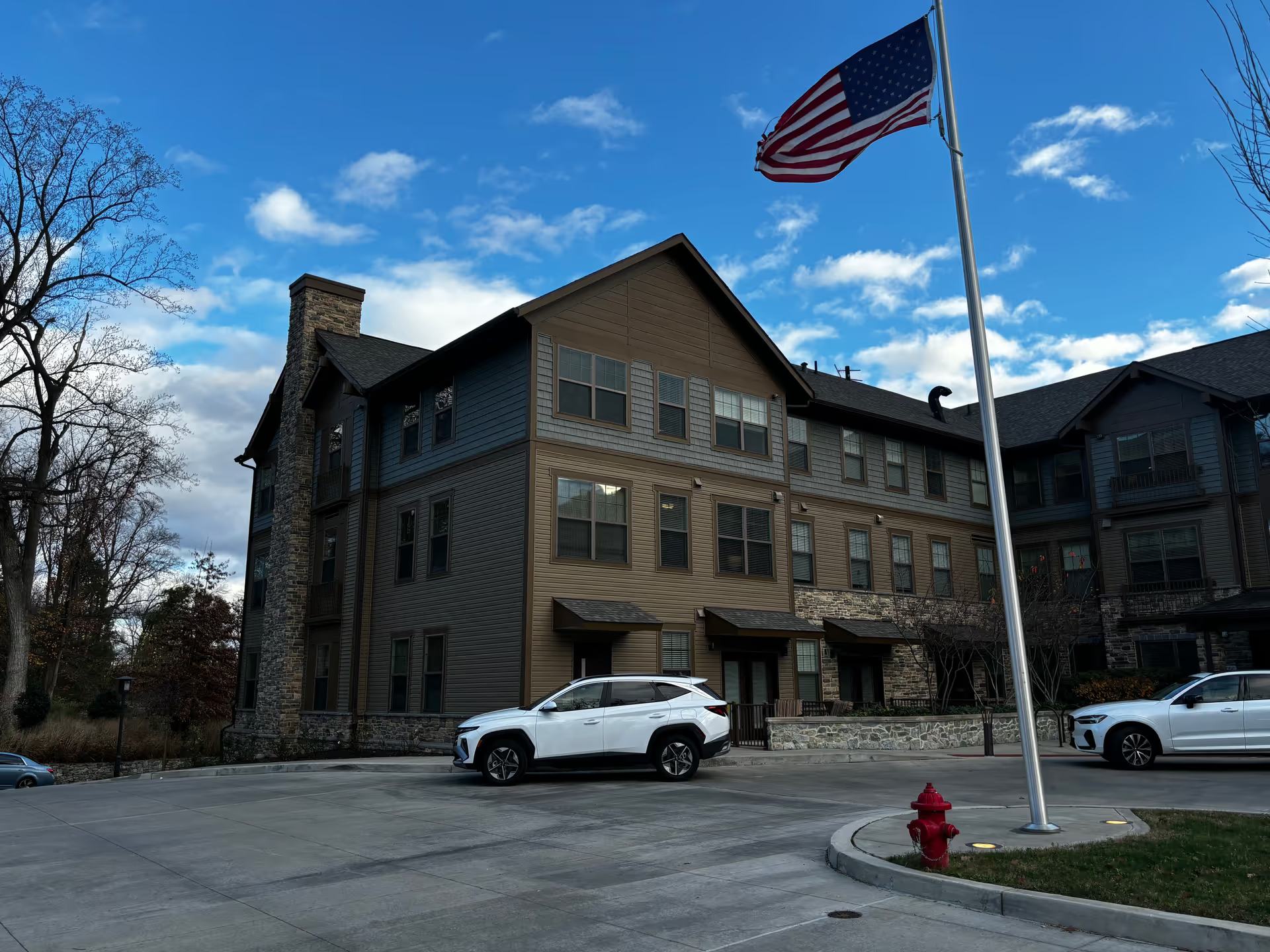
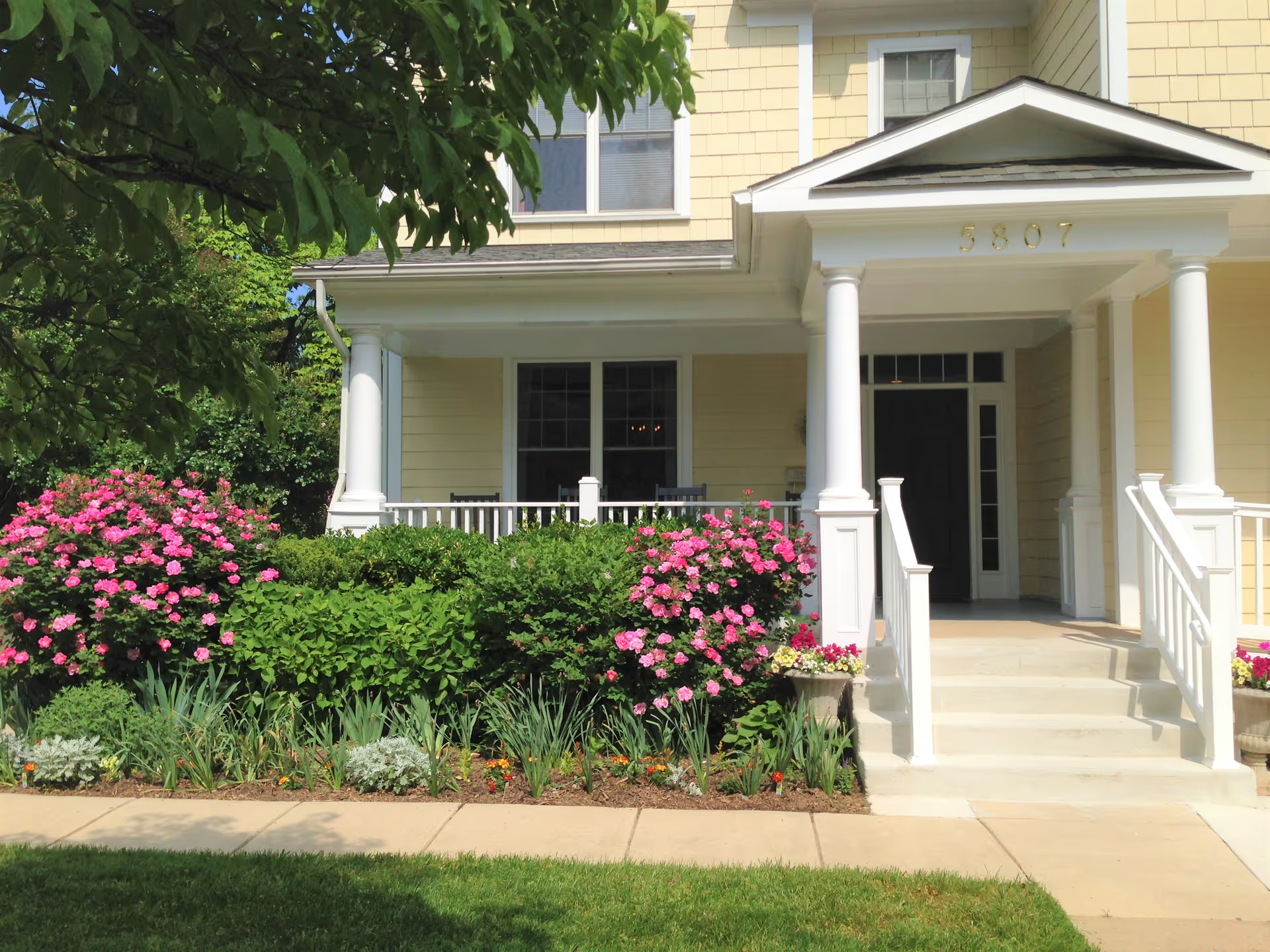
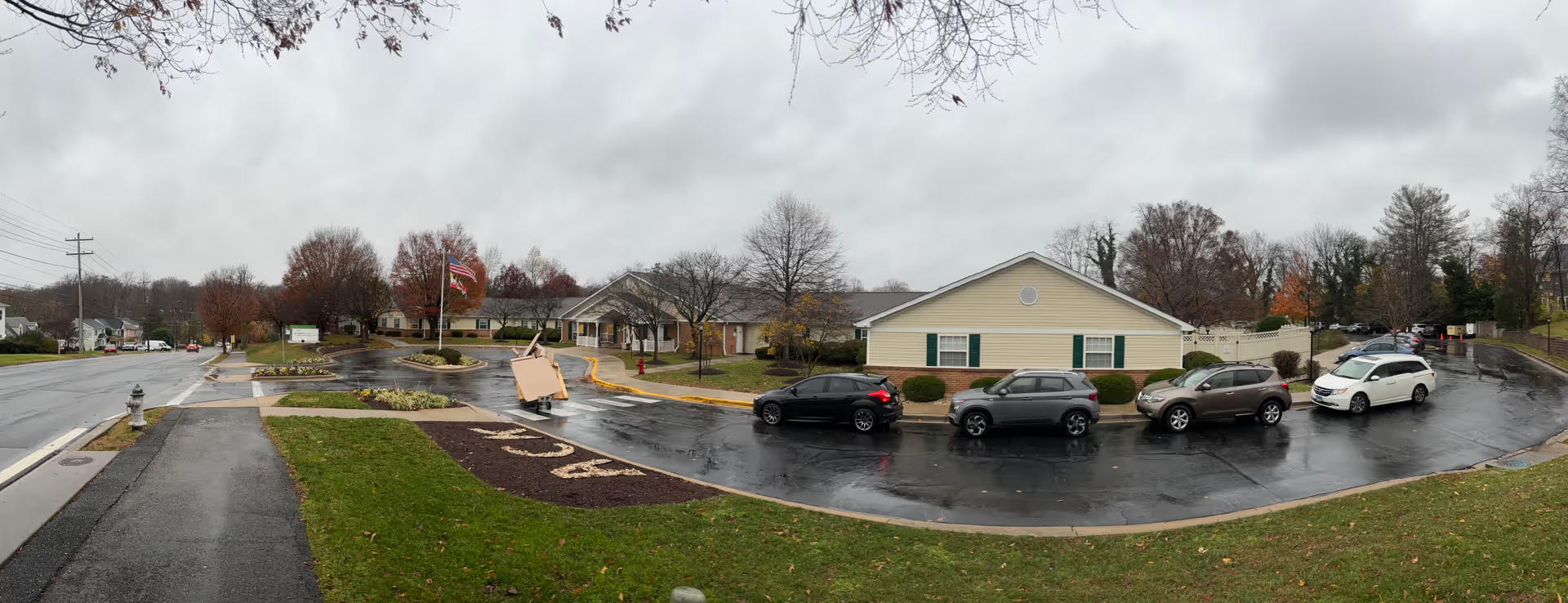
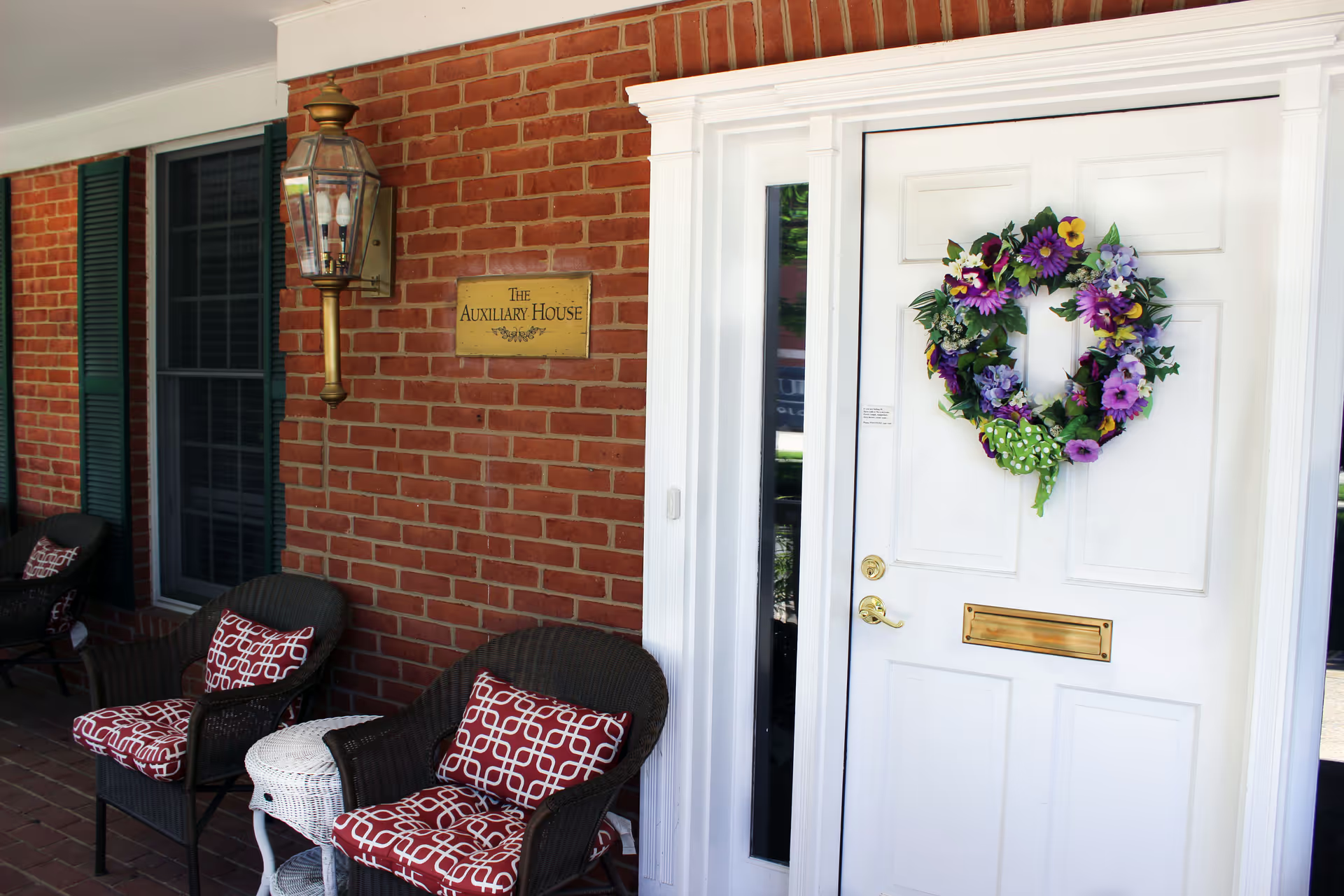
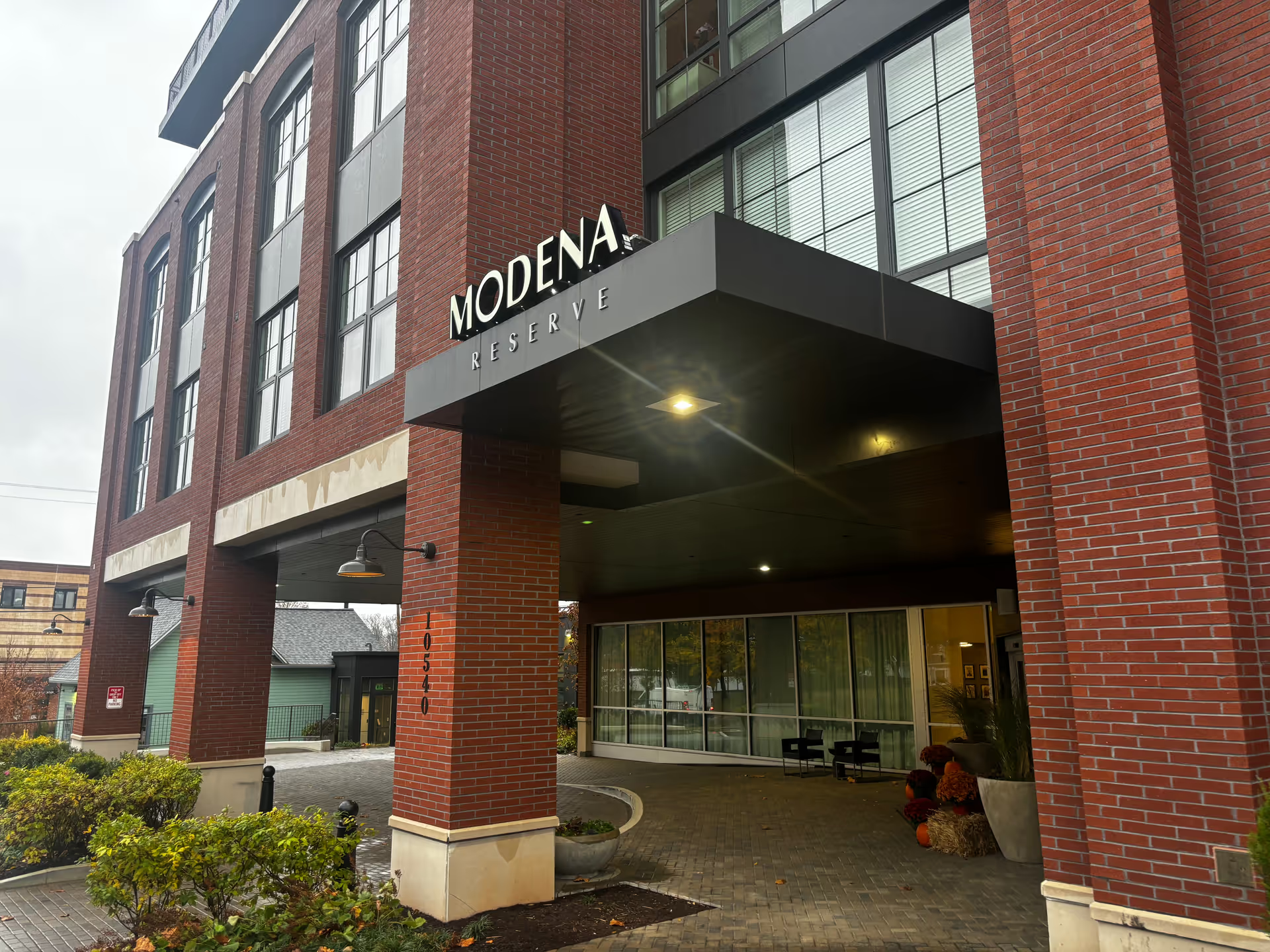
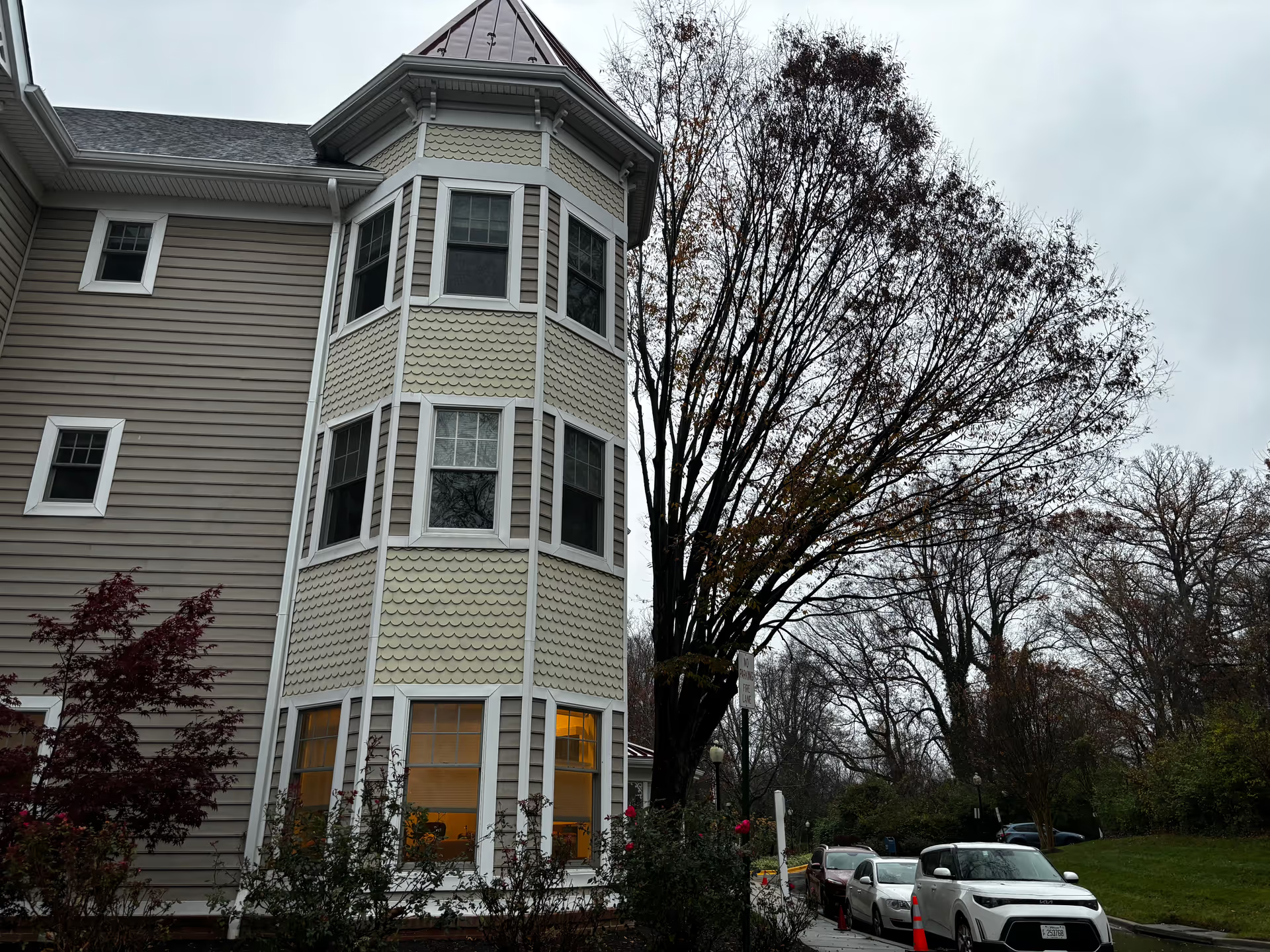
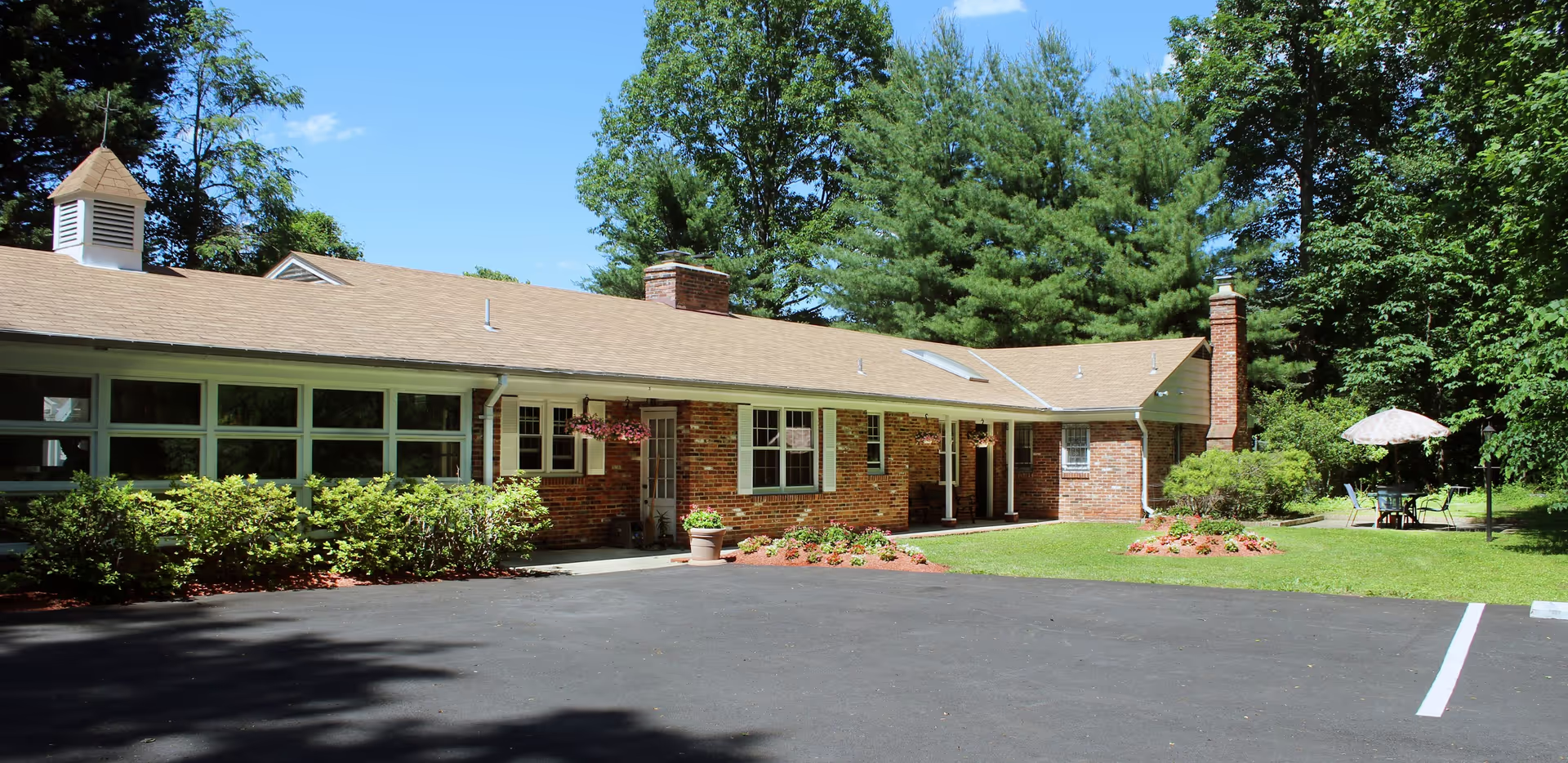
The Terraces at Tuckerman Lane elicits a strongly mixed but informative set of impressions. Positives cluster around the physical environment and the social programming: reviewers frequently describe recent renovations, bright and modern interiors, clean common spaces, and comfortable apartment-style units that include private bathrooms and in-room refrigerators. The community offers on-site rehabilitation and skilled-nursing services, a visible dining room with three daily meals, and convenient location advantages such as proximity to walking trails and accessible transportation for medical appointments. Life-enrichment efforts are repeatedly highlighted; organized outings, events, and engaging programming contribute to a lively social atmosphere.
Care and staffing emerge as the most polarized area. Many families and residents praise individual caregivers, long-tenured staff, and a leadership team that has made visible improvements under recent ownership and management changes. These accounts describe attentive aides, responsive maintenance, and staff who create a family-like, homey atmosphere. At the same time, a substantive pattern of operational weaknesses appears across reviews: inconsistent staffing levels, slow call-bell response (particularly overnight), and variability in staff training and tone. Several accounts describe delays in clinical responses and medication timing issues, suggesting gaps in clinical oversight and handoff processes that prospective families should probe further.
Dining receives generally favorable comments about menu variety and dining-room ambiance, with frequent praise for flavorful meals and accommodating kitchen staff. However, reviewers also cite inconsistent meal temperature, occasional poor food service timing, and the need for softer-texture options for residents with swallowing or chewing difficulties. These inconsistencies point to variability in kitchen workflow and dining-service continuity rather than a uniformly poor culinary program.
Activities and social life are strengths: the community runs a range of clubs, outings, and special events that many residents enjoy, and enrichment staff are often described as energetic and resident-centered. Accessibility for residents with mobility limitations is a noted gap; wheelchair users sometimes find fewer tailored activities and assistance than expected. Families of residents with cognitive impairment also report that the building lacks a dedicated, secure memory-care floor and that additional security or monitoring may be required for those needs.
Operational and administrative issues appear intermittently. Examples include prolonged equipment outages (an elevator outage was noted), inconsistent laundry and personal-item handling, isolated privacy/administrative process concerns, and uneven front-desk communication. Infection-control communication and signage were described as inconsistent in some accounts. Reviewers indicate that leadership changes and turnover have led to variability in the resident experience, though many comments also describe recent leadership engagement and visible improvements.
Overall, The Terraces presents as a well-appointed, active senior community with clear strengths in environment, programming, and many individual staff members. The primary caution for prospective residents and families is operational consistency—especially staffing levels, call-response times, clinical oversight, and memory-care security. When touring, it would be prudent to ask specific, concrete questions about staffing ratios on different shifts, call-bell response metrics, medication administration protocols, memory-care options, dining accommodations for special diets/textures, and recent corrective actions taken after the leadership transition. Those with needs for dependable overnight assistance or secured memory-care services should validate those capabilities before committing; families prioritizing aesthetics, social programming, and on-site rehab may find the community a strong fit, particularly if recent management improvements continue to address the operational gaps described above.