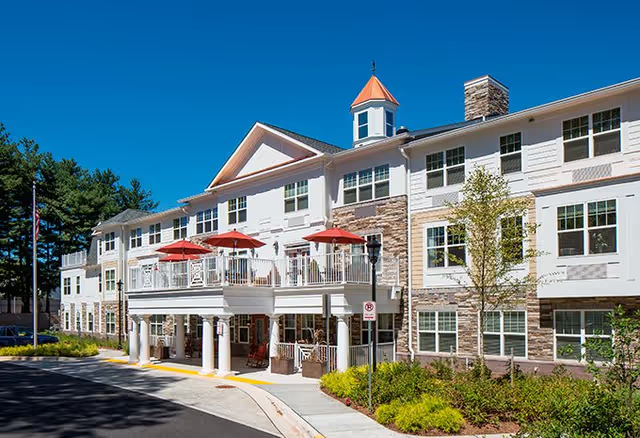
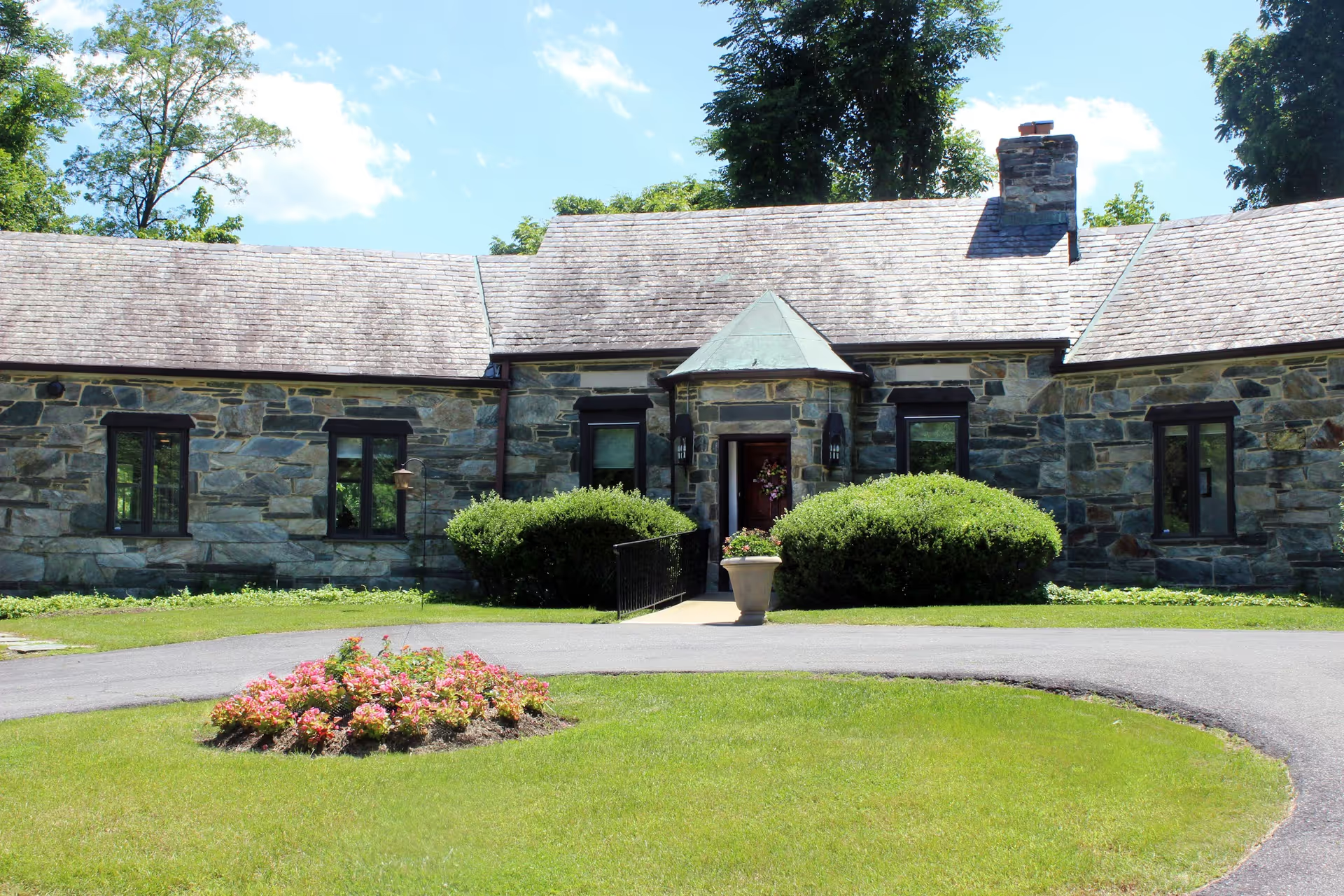
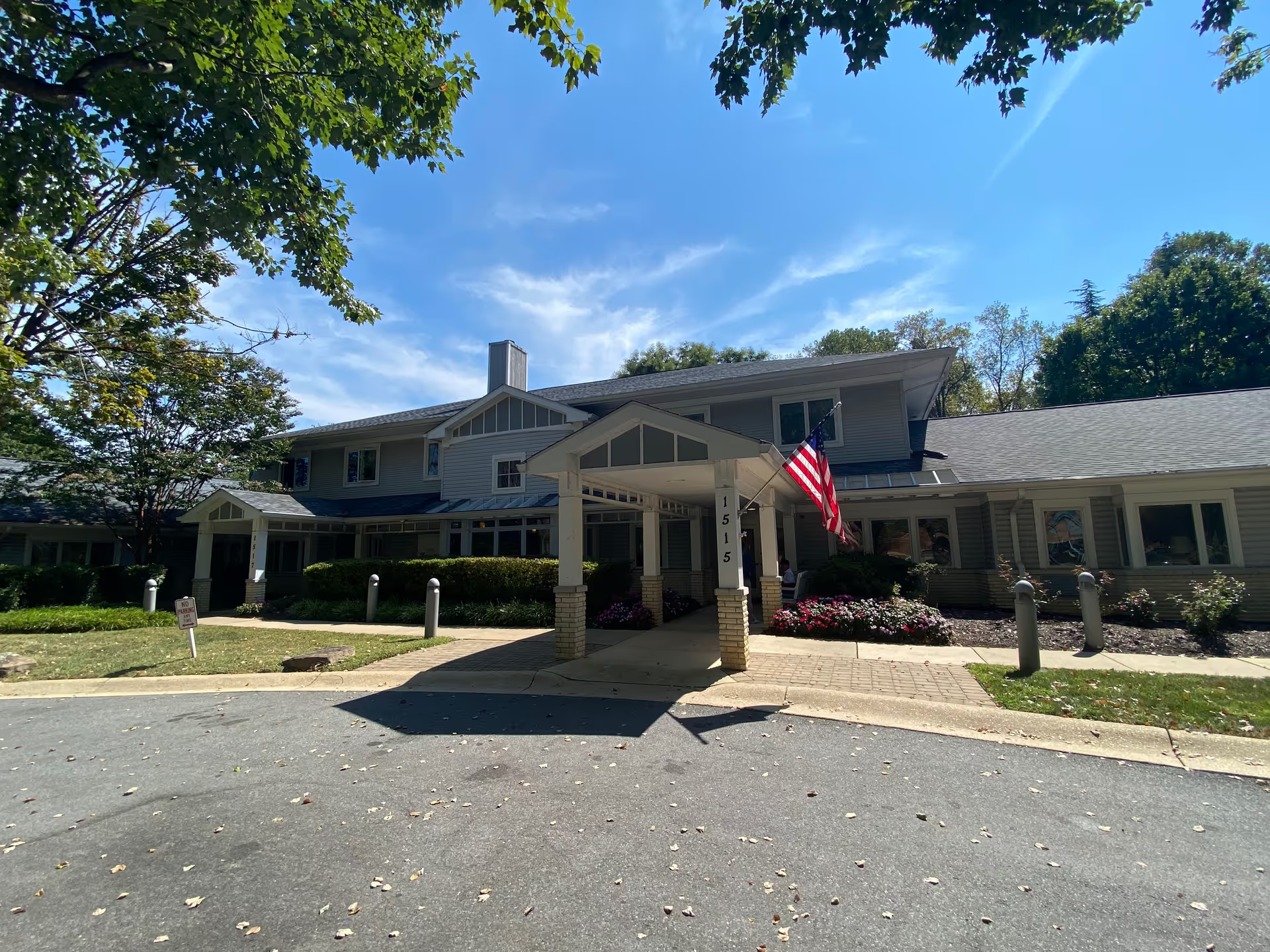
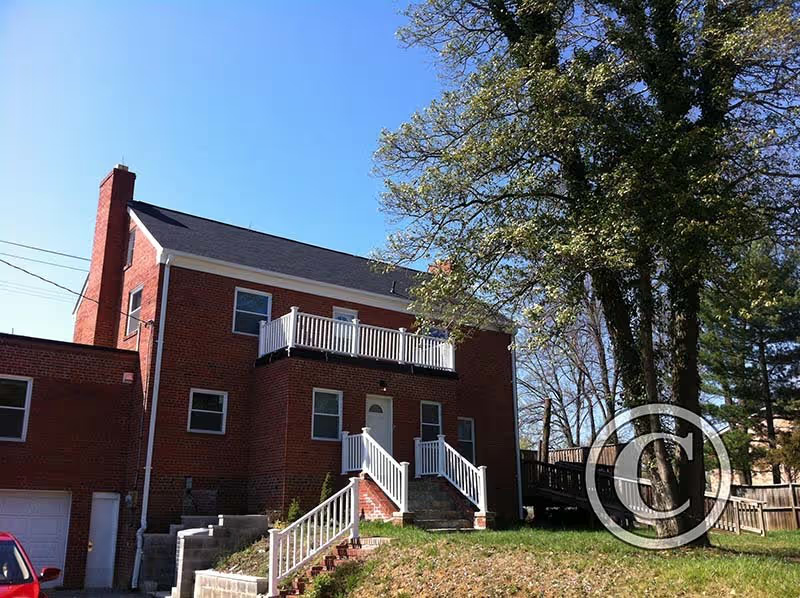
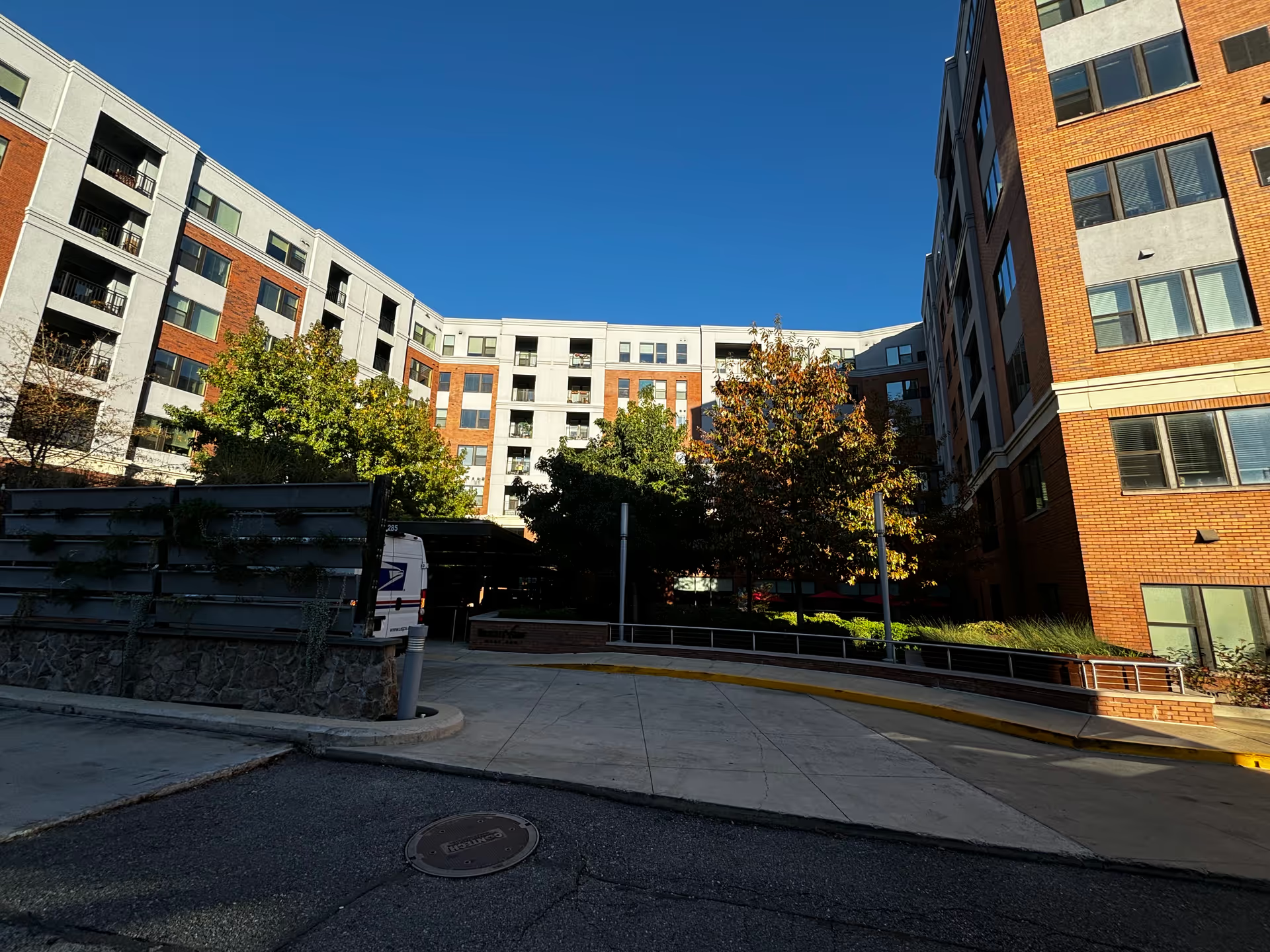
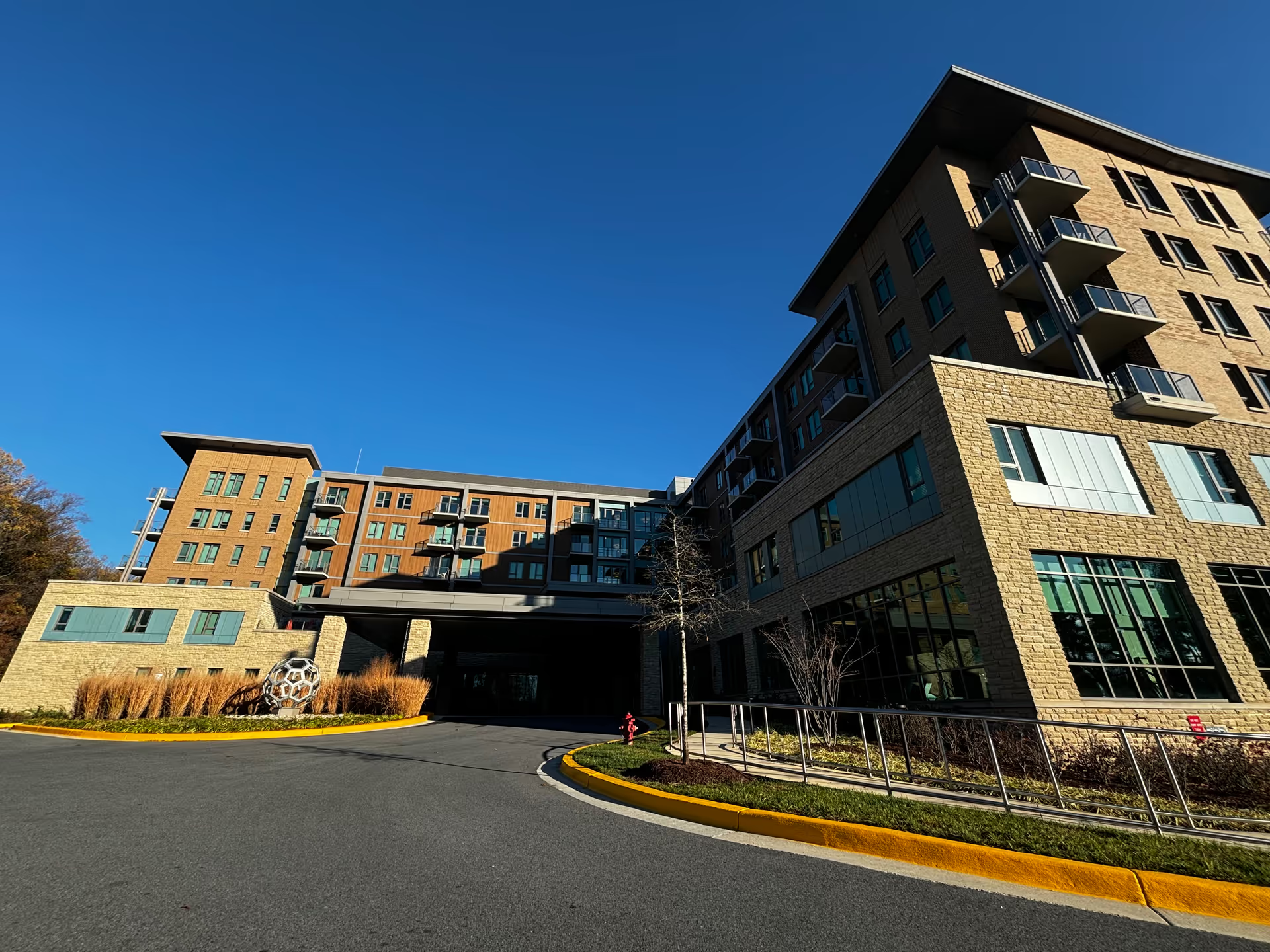
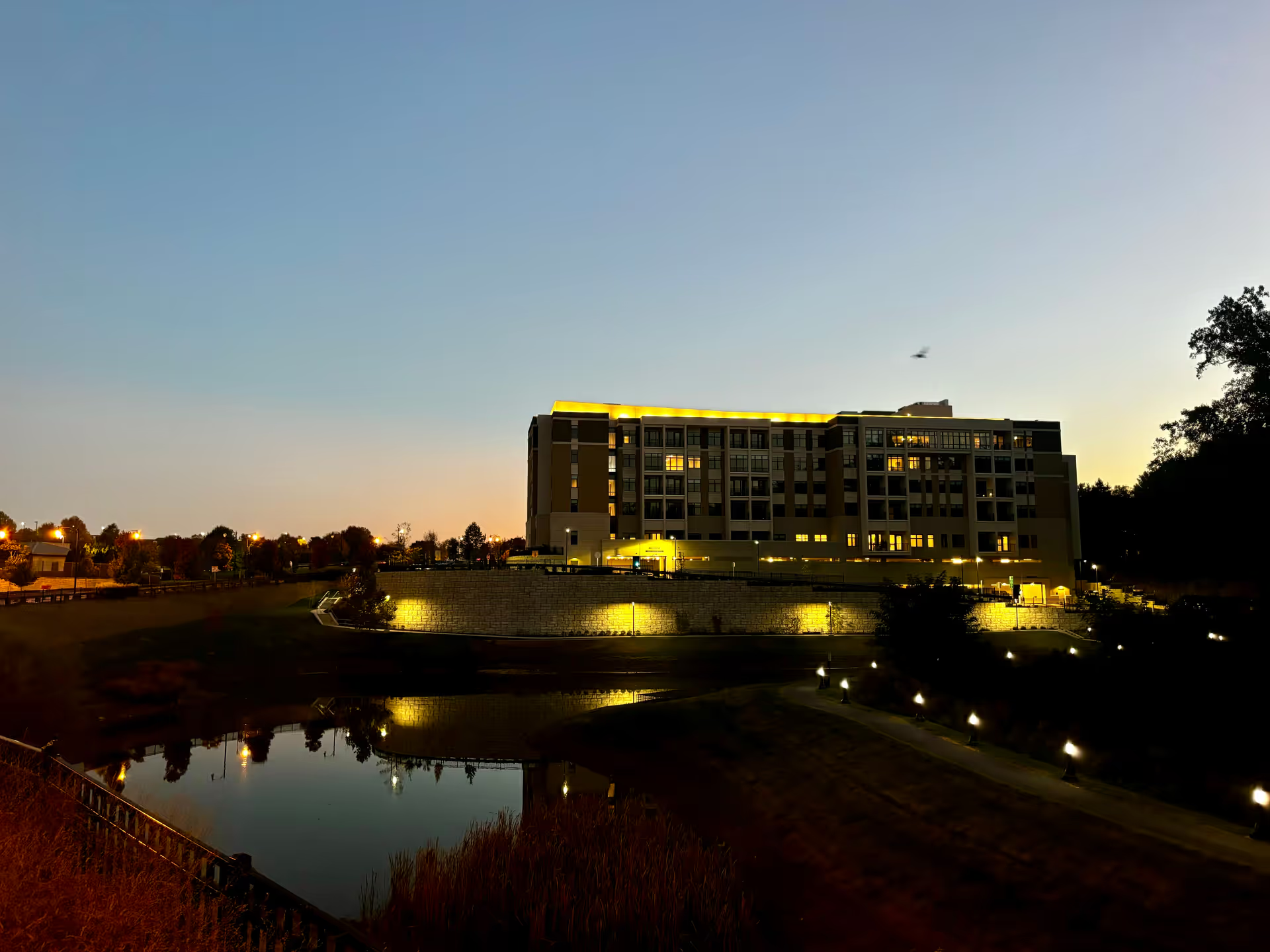
Village at Rockville presents as a large, multi-level senior living campus with several clear strengths alongside recurring operational weaknesses. The community offers a range of care levels—from independent cottages and independent living to assisted living, rehabilitation, memory care, and hospice—which many families find convenient. Facility improvements and space-by-space renovations have produced modern dining areas, renovated common spaces, private rooms, chapel and salon amenities, and a generally well-kept campus in many areas. The therapy program (PT/OT) and rehabilitation services receive consistent praise for effective outcomes and staff expertise.
Clinical care and staff performance are areas of pronounced variability. Several reviewers described compassionate, knowledgeable nursing and aide staff who are attentive and proactive; others described inconsistent nursing skill, delays in attending to call lights, and gaps in medication and wound-care processes. These inconsistencies extend to continuity of care on the rehab floor and in dementia care, where families noted frequent staff changes and limited dementia-specific training. Safety-response gaps and delayed assistance have been described in a number of accounts, creating concern about clinical oversight in urgent situations.
Dining and activities are notable strengths for many residents. The campus supports multiple dining venues, a renovated cafeteria, and a la carte options in independent living; food is often described as nutritious and varied, with some describing gourmet options while others find quality uneven or service slow. The community programming is robust—clubs, festivals, field trips, faith-based and secular activities, and live entertainment contribute to an engaged resident population and a neighborhood-like atmosphere.
Facility maintenance and operations are mixed. Many areas are clean and well-maintained, but reviewers also raised sanitation concerns in particular rooms or care areas, intermittent housekeeping frequency for some units, and maintenance issues such as leaks or parking-area hazards. Administrative operations show similar polarity: admissions, reception, and activities staff are frequently described as welcoming and accommodating, but families also report weak leadership responsiveness, inconsistent follow-through on complaints, billing and deposit handling problems, and occasional lapses in information-security and payment processes.
Notable patterns across reviews are the polarization of experiences and clustering of issues around staffing, communication, and clinical consistency. Prospective residents and families should weigh the facility’s strong rehabilitation services, active programming, and renovated spaces against the potential for uneven nursing care, slow response times at certain hours, and administrative/process vulnerabilities. Visiting during different times of day, meeting clinical leadership, asking about staffing ratios and dementia training, reviewing the facility’s incident-response procedures, and clarifying billing/payment and privacy practices are practical steps to assess fit before making a placement decision.