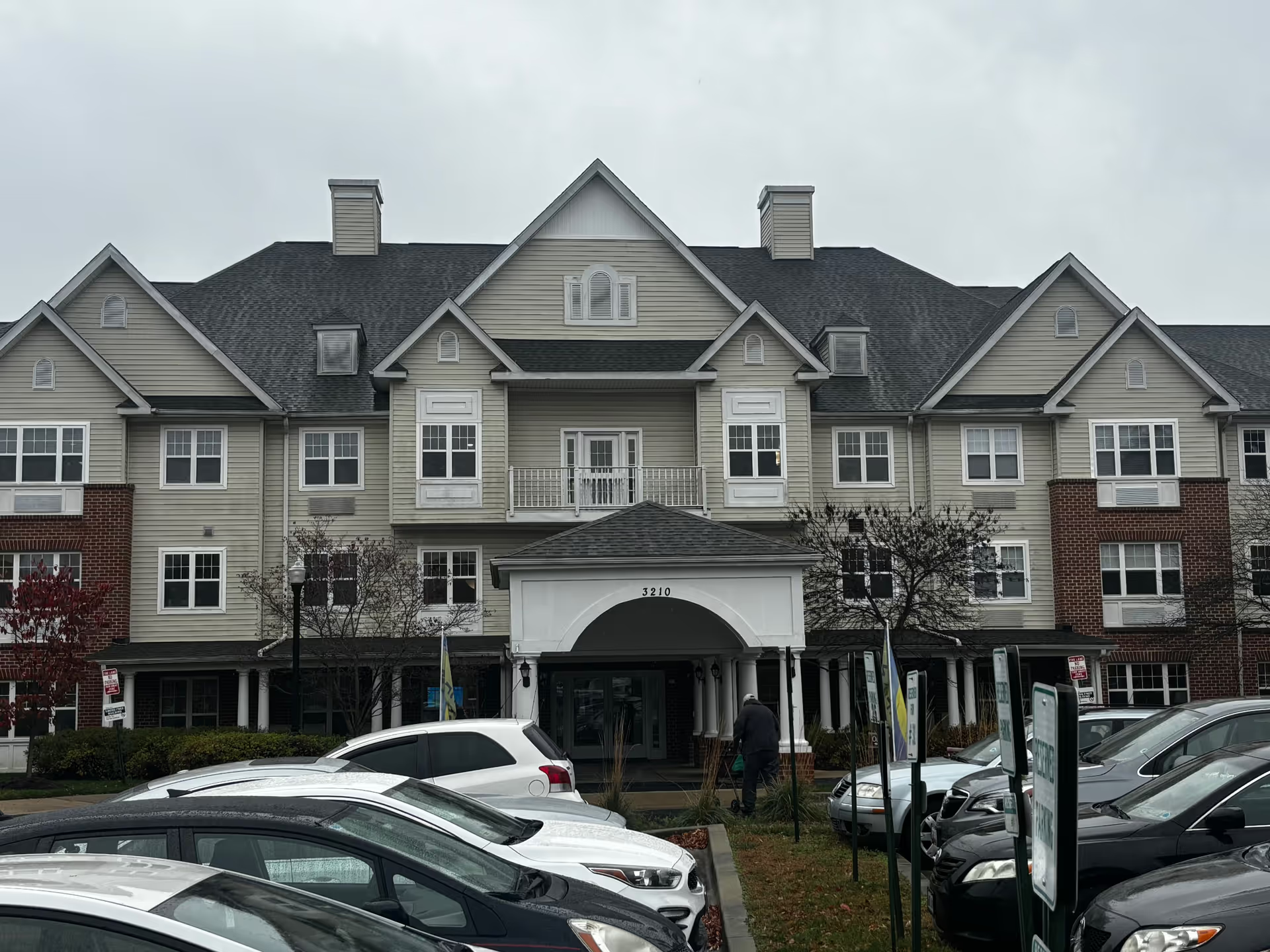
Bedford Court presents a mixed but overall positive picture for many prospective independent- and assisted-living residents. The facility's strongest and most consistent themes are its staff and community life: numerous reviewers describe compassionate, attentive caregivers; supportive admissions and sales staff; an active social calendar; and a welcoming resident community. Dining is frequently cited as a highlight—restaurant-style service, varied menus, dietary accommodations, themed dinners, and attractive desserts are common positives. On-site rehab, physical-therapy resources, weekly housekeeping/linen service, transportation shuttles, and proximity to doctors and retail amenities further support independent living and family convenience.
At the same time, the reviews reveal recurring operational and infrastructure issues that warrant attention. Several accounts describe variability in housekeeping thoroughness, unit turnover preparation, and sanitation practices; others note intermittent HVAC or elevator reliability and general signs of an aging facility in need of periodic overhaul. Staffing levels and administrative consistency are uneven across accounts: while many families praise low turnover and strong caregiver relationships, others describe short-staffing, delayed call responses, and gaps in clinical coordination and documentation—particularly in assisted-living and some rehab/skilled settings. These are trait-level concerns about operational reliability rather than single isolated incidents.
Dining and programming show a similar split. Many residents report excellent food, daily menu variety, and engaging activities (yoga, lectures, concerts, trips, art, and fitness). Yet other reports indicate inconsistent meal quality, smaller portions, or activity offerings that fall short of marketing expectations. Technology and entertainment infrastructure also receive mixed reviews: on-site WiFi, broadband, and cable packages are limited in some units and may not meet modern streaming or connectivity needs. Accessibility and safety details are uneven as well—there are mentions of bathroom layouts without universal grab-bar or walk-in configurations and cases where emergency-response timing or equipment could be improved.
Management impressions vary widely. Admissions and sales staff, tour guides, and therapy leadership are often singled out as helpful and reassuring. Conversely, there are reports of variable executive or front-desk responsiveness, communication gaps between shifts or with families, and a sense of inconsistent follow-through on maintenance and program commitments. A limited number of serious care-quality allegations appear in the feedback; those should prompt targeted follow-up during a prospective visit (for example, reviewing incident reporting, therapy plans, and care coordination practices).
For families considering Bedford Court, a prospective visit should focus on staffing ratios for the care level needed, examples of recent maintenance and capital improvements, unit turnover procedures, emergency-response protocols (including AED availability and typical pendant response times), and measurable rehab outcomes. Request recent menus, sample activity calendars, and documentation of infection-control practices and vaccination rates if relevant. Overall, the community offers many strengths—particularly in dining, social programming, and resident engagement—but decision-makers should verify operational consistency in cleaning, staffing, clinical coordination, and infrastructure during their evaluation.