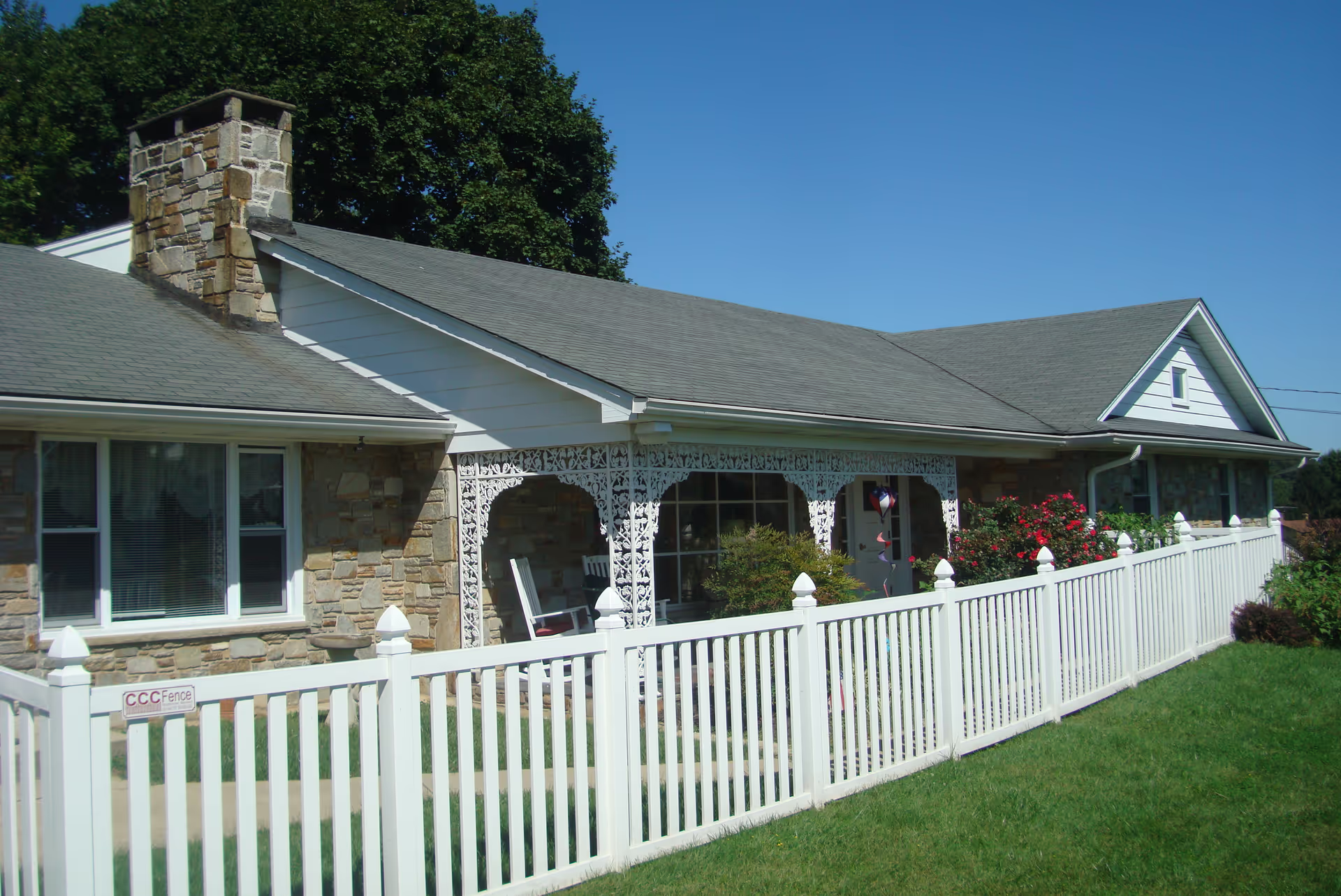
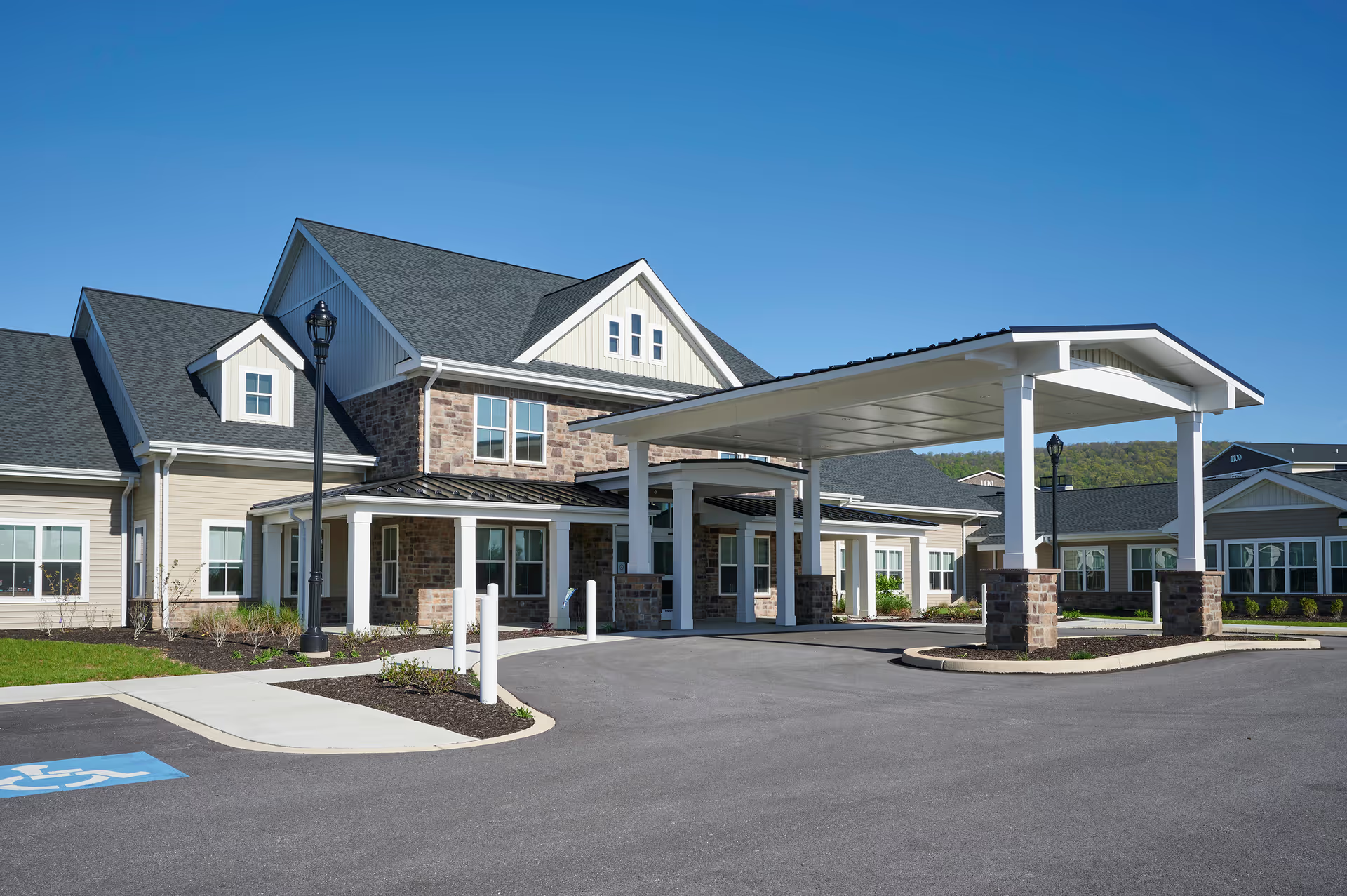
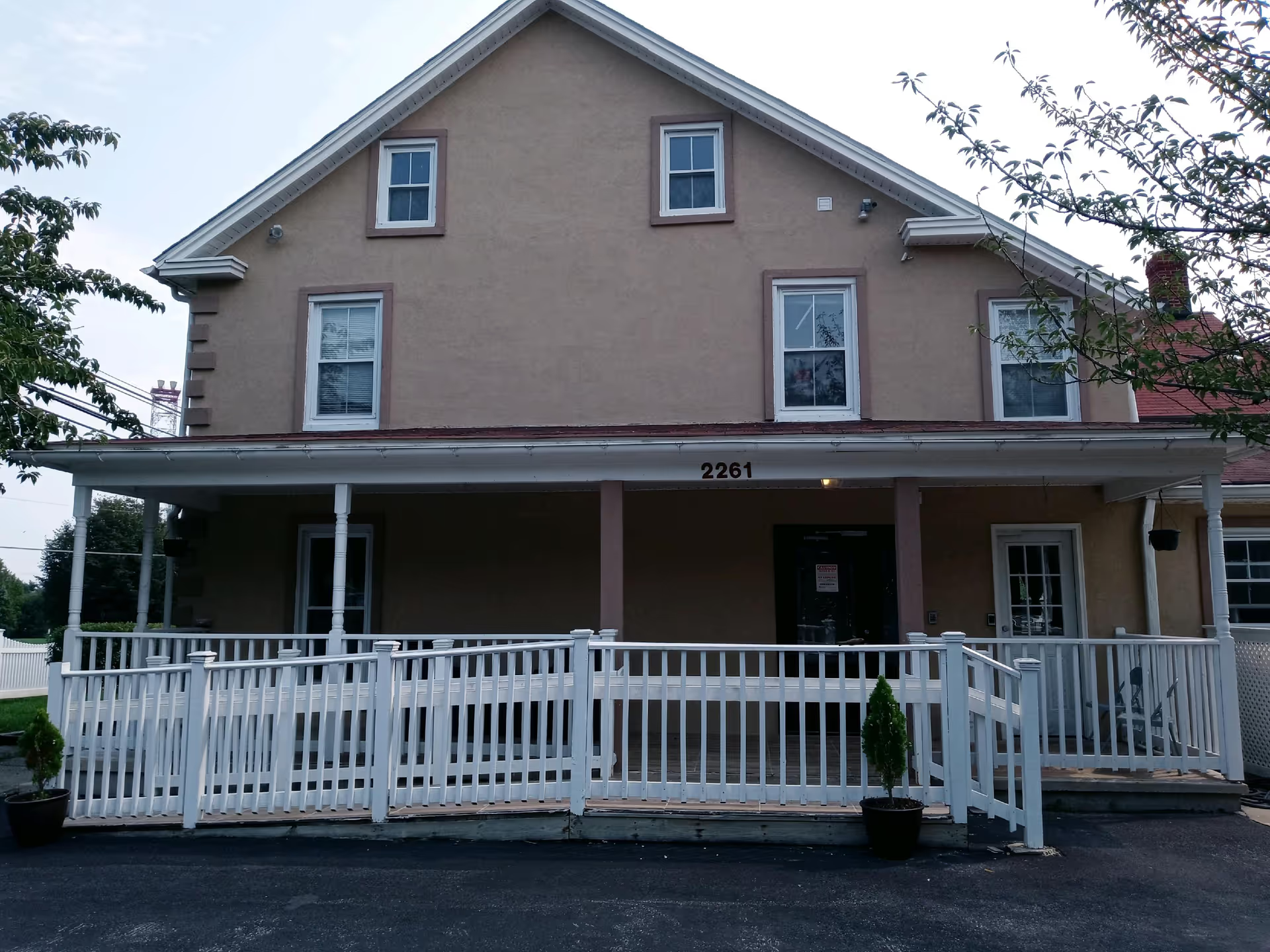
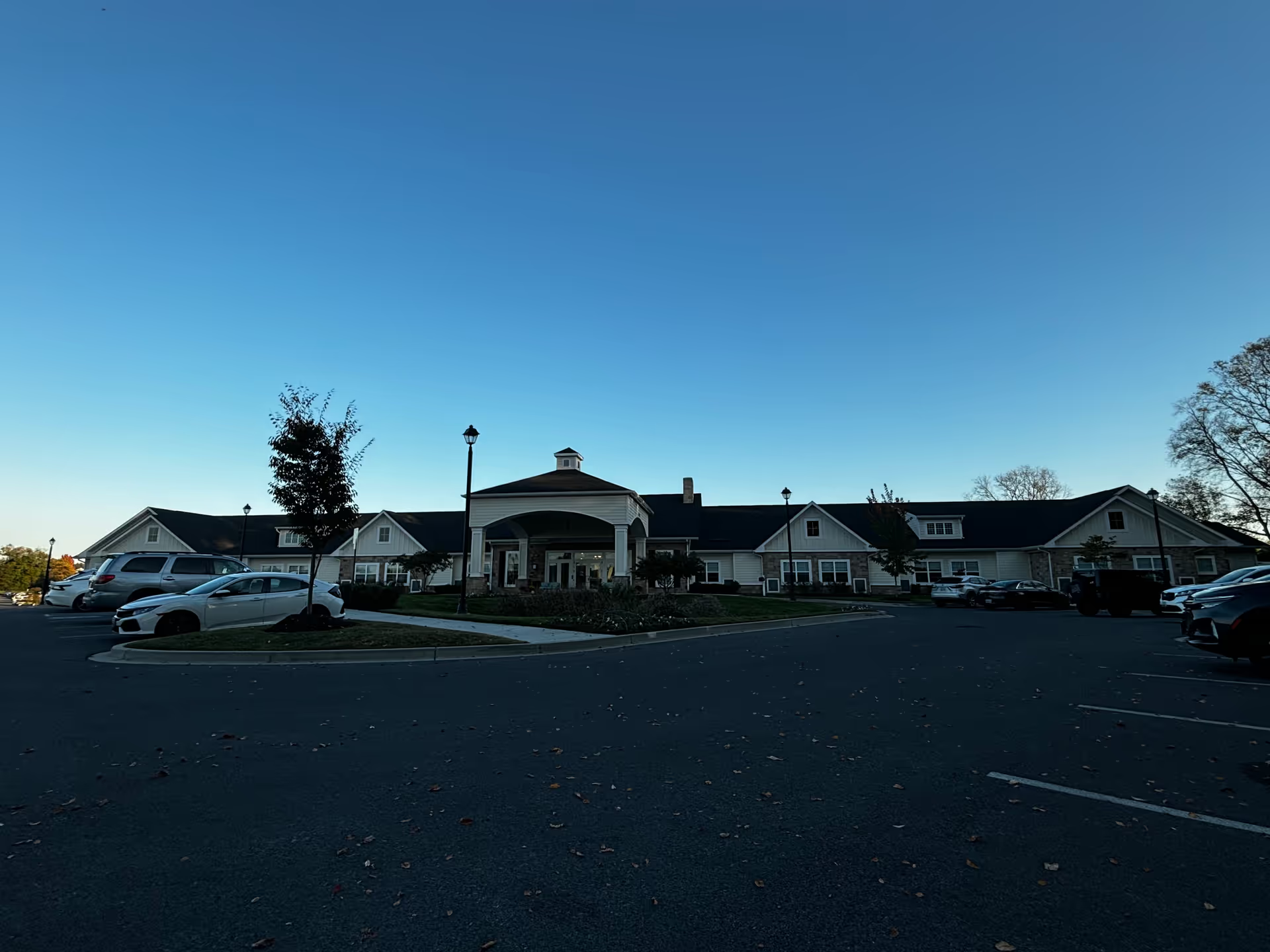
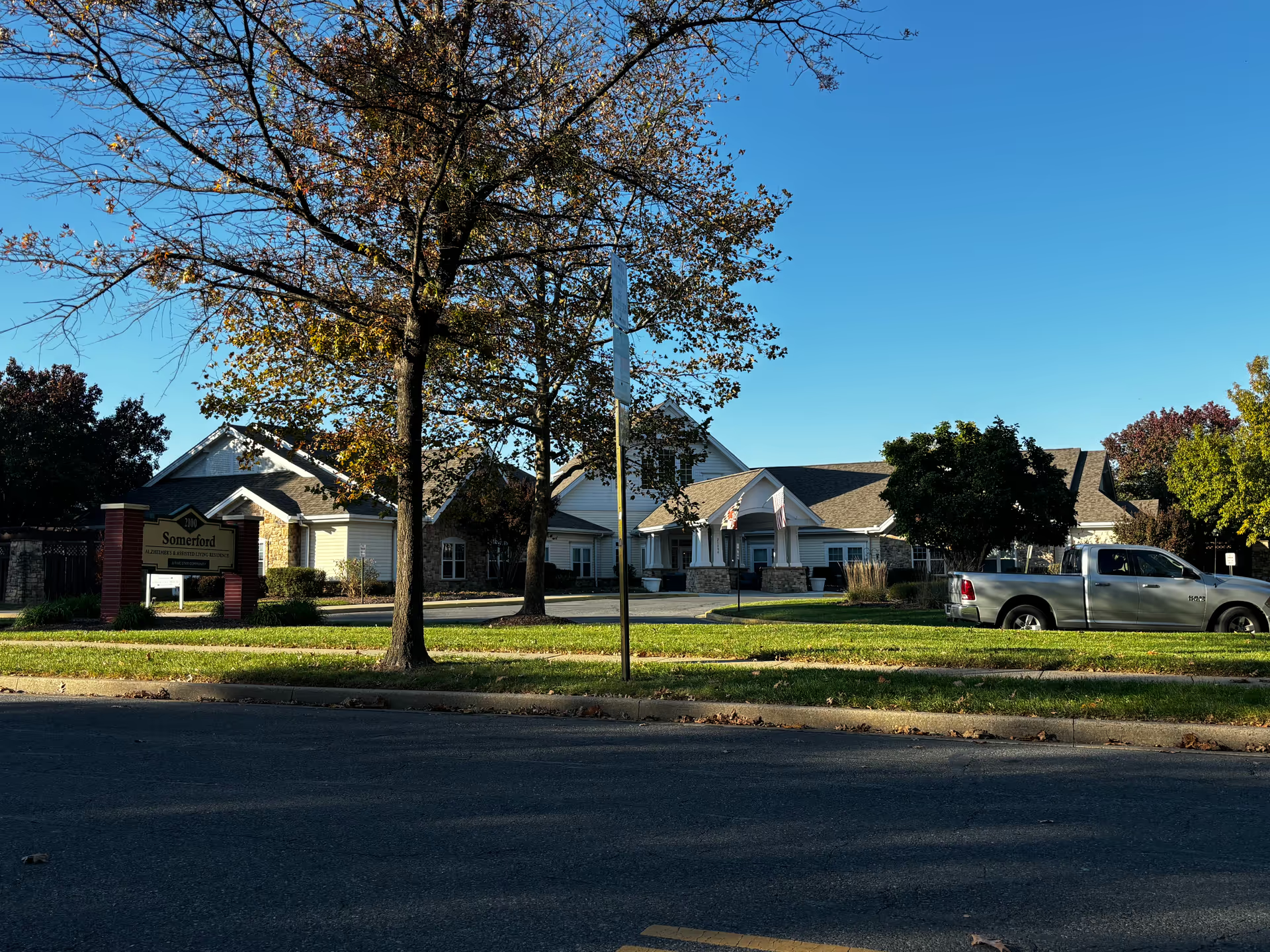
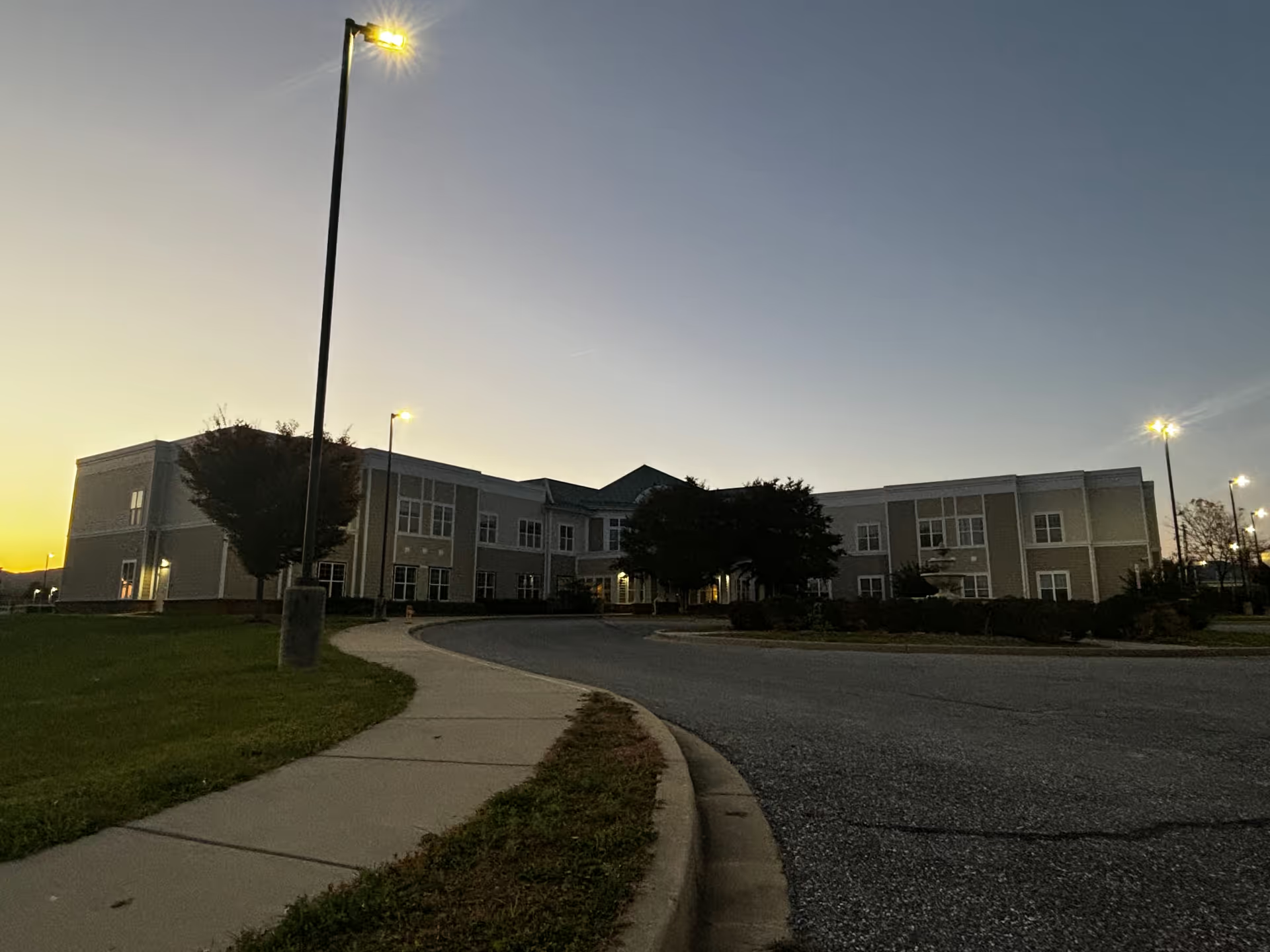
Lorien Taneytown elicits a broadly mixed but actionable picture: many families describe strong day-to-day caregiving, effective rehabilitation services, and an engaging social program, while other accounts identify operational and clinical consistency issues that prospective families should evaluate. Strengths most frequently highlighted include individualized attention from nursing and aides, visible therapy and rehab teams that report measurable mobility gains, and a wide array of life-enrichment activities that support social engagement. Reviewers often praise the physical environment — clean, updated interiors, attractive outdoor spaces, and on-site amenities such as a movie theater and pub — and note that admissions and front-desk personnel can be responsive and helpful.
On clinical matters there is a notable contrast. Several families describe attentive nursing and strong coordination with outside clinicians and specialists, and the attached nursing unit is cited as a benefit for continuity of care. Conversely, other accounts point to delays in medication administration (including late-night/early-morning timing), delegation or refusal of certain treatments at times, and uneven oversight during weekends or when agency staff are covering. These patterns suggest variability in medication and clinical workflows that can affect symptom control and timely interventions.
Staffing and operational themes recur across reviews. Many respondents praise specific caregivers and supervisors for compassion and individualized attention; at the same time, staffing instability, heavy workloads, high turnover, and reliance on agency personnel are cited as contributors to slower response times, missed assistance, and uneven service. Linked to staffing are concerns about sanitation and incontinence-care practices in some instances, as well as inconsistent environmental controls (room temperature variability) that affect resident comfort.
Dining and activities are generally strong points, with frequent compliments for the quality and variety of meals, flexible ordering options, and a rich calendar of activities (exercise classes, music, clubs, and weekend programming). Yet some families describe variability in food quality and missed meal service during busy periods. Administrative issues also appear as a recurring theme: inconsistent communication from leadership, occasional billing or extra-charge disputes, and mixed impressions of management transparency.
For prospective residents and families: Lorien Taneytown offers many of the positive attributes expected of a contemporary assisted-living community — individualized caregiving, a strong therapy program, and an active, well-maintained campus. At the same time, there are operational patterns worth exploring during a tour and intake conversation. Recommended questions include current staffing ratios and weekend/agency coverage plans, medication-administration protocols and oversight, incontinence-care and housekeeping policies, billing detail and extra-charge disclosure, and mechanisms for raising and resolving conduct or communication concerns. These targeted inquiries can help align expectations with the community’s strengths and identify mitigation for the noted areas of inconsistency.