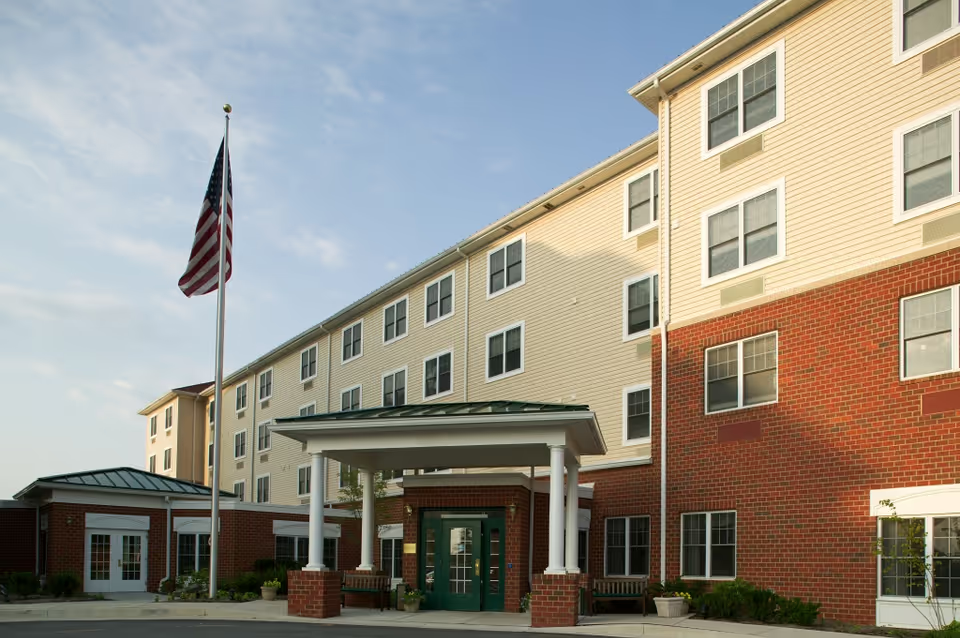
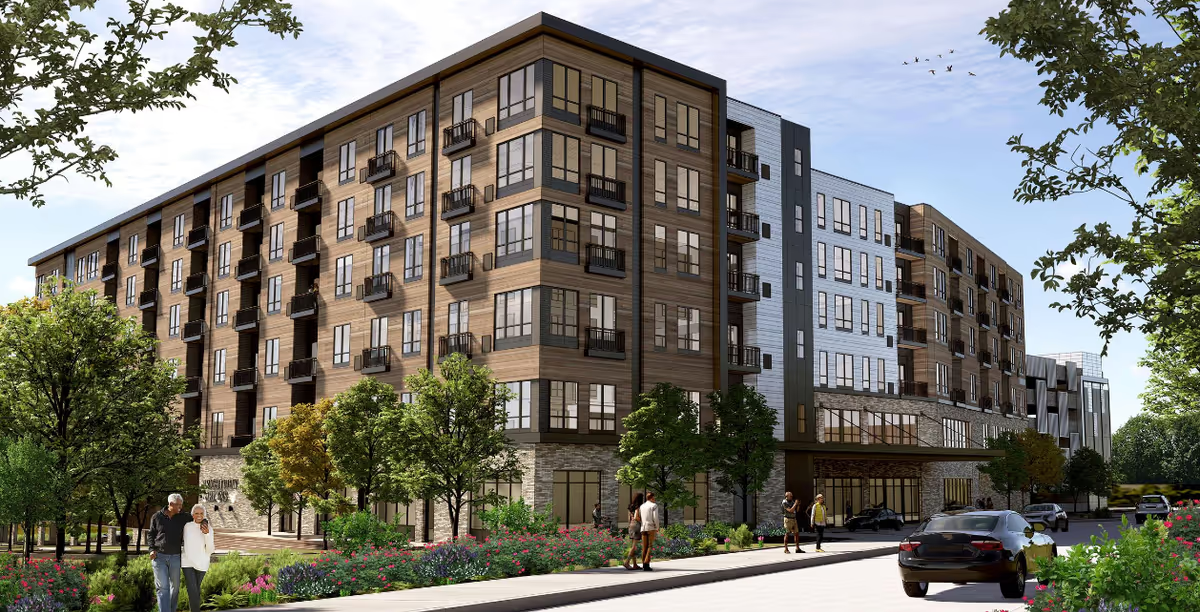
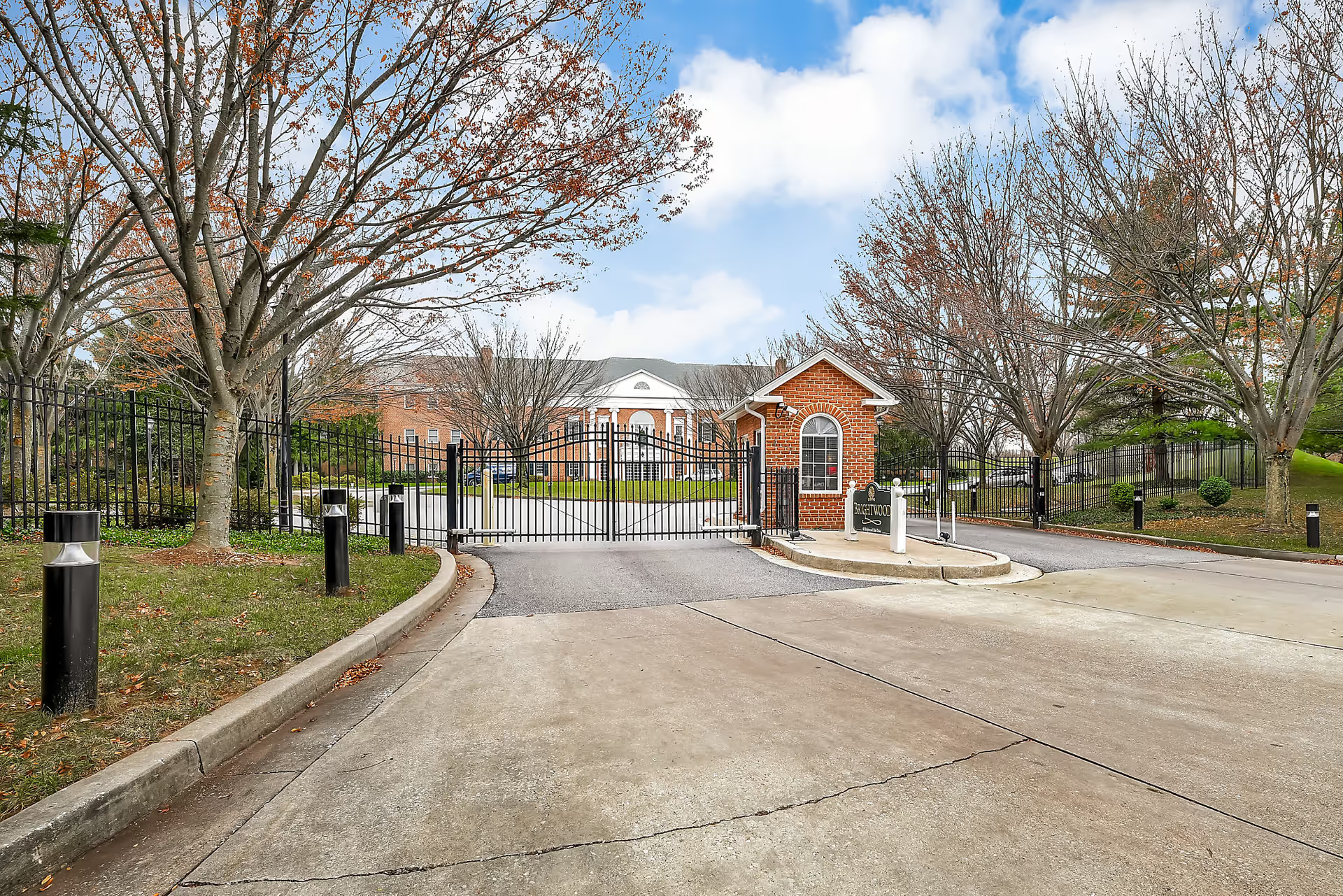
Mercy Ridge presents as a well-resourced, faith-based retirement community with many of the operational elements families typically seek: a large, secure campus; varied residence sizes including roomy two-bedroom/two-bath units; abundant on-site amenities such as a pool, gym, performing-arts center, and multiple dining venues; and a visible Catholic identity with clergy and faith-oriented programming. Reviewers consistently describe a welcoming atmosphere, clean and attractive common areas, and a community that supports independent living and social engagement. Several families specifically noted peace of mind, strong family involvement, and high resident satisfaction over extended stays.
Staff and care quality are prominent strengths in the feedback. Reviewers frequently use terms like attentive, friendly, compassionate, and professional when referring to caregiving teams and dining staff; specific individuals were called out for exemplary service. Leadership and employee longevity were also praised, which reviewers associated with continuity of care and institutional knowledge. Practical supports such as medication coordination, allergy documentation, and provision of caregiver paperwork were highlighted as facilitating smooth clinical interactions.
Dining and activities are clear selling points. The campus offers multiple dining venues with different prices and dress expectations, a bistro and food stations, and meals that are generally well regarded for quality and presentation. Activity programming appears broad and active: concerts, holiday events, happy hours, and ongoing social offerings were repeatedly mentioned, with activity directors characterized as energetic and tireless. These elements support an engaged community and frequent resident participation.
Operational and infrastructure issues emerged as the principal areas of concern. Several comments point to inconsistent routine maintenance (peeling wallpaper, worn rugs, clogged drains) and slower-than-expected response times for repairs. Elevator outages and vertical-transport constraints were called out as disruptive for some visits. A serious infrastructure-related item noted was potable water reliability—instances where the water supply was not usable for drinking or cooking—indicating potential risk and the need for facility-level remediation. Reviewers also flagged limited in-residence media options (movies shown only in the auditorium rather than delivered to apartment TVs) and some variability at the reception desk in staff familiarity or training.
There are also operational nuances around cost and billing to be aware of: while many reviews praise the included meals and dining choices, others referenced additional meal charges or perceived high pricing, suggesting the need for clear upfront explanation of what is covered in base fees versus extra charges. Availability is another practical consideration—a waitlist or multi-month delay for move-in was referenced, reflecting demand and possibly constrained capacity.
Overall, Mercy Ridge appears to deliver a high-quality, community-oriented independent living environment with strong staff engagement, diverse programming, and substantial amenities. Prospective residents and families should weigh the community’s cultural fit and activity offerings against the noted operational considerations—particularly maintenance responsiveness, infrastructure reliability (potable water and elevator service), media access in residences, and cost structure—and should confirm current status and remediation plans for any infrastructure items of concern during a tour or pre-move discussion with management.