Across the summaries, reviewers consistently identify caring and personable direct-care staff as a primary strength. Families and visitors frequently describe staff as compassionate and attentive, and many note a clean, bright, and home-like interior that supports social engagement. Dining is repeatedly framed positively: the dining room is pleasant, meals are described as homemade, and mealtimes appear to be a visible part of daily life. The community offers social programming (for example, games and group activities) and provides transportation for shopping and excursions, which supports opportunities for resident engagement outside the building. Pricing is described as accessible for some families, with Medicaid accepted and flexible options noted.
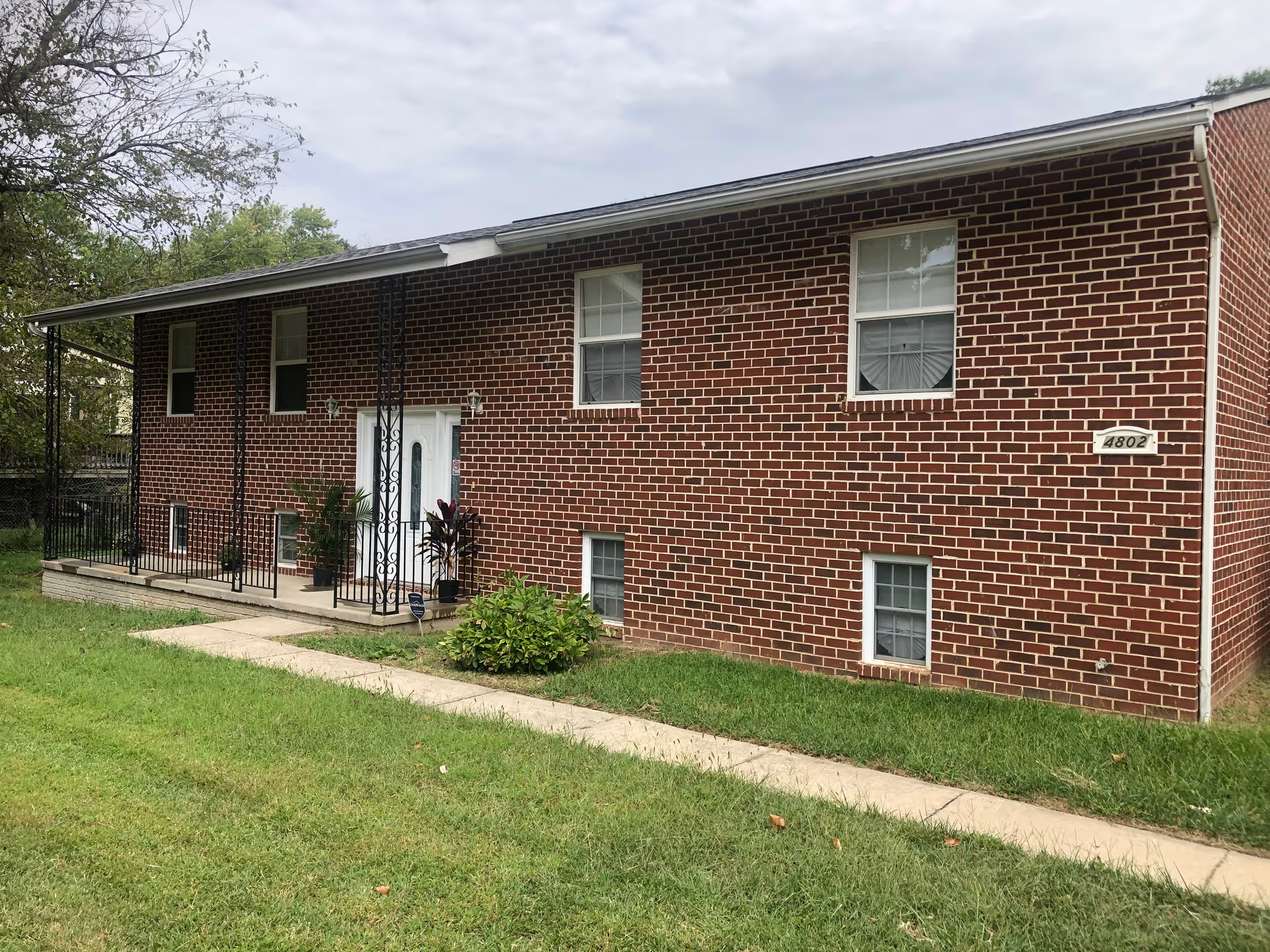
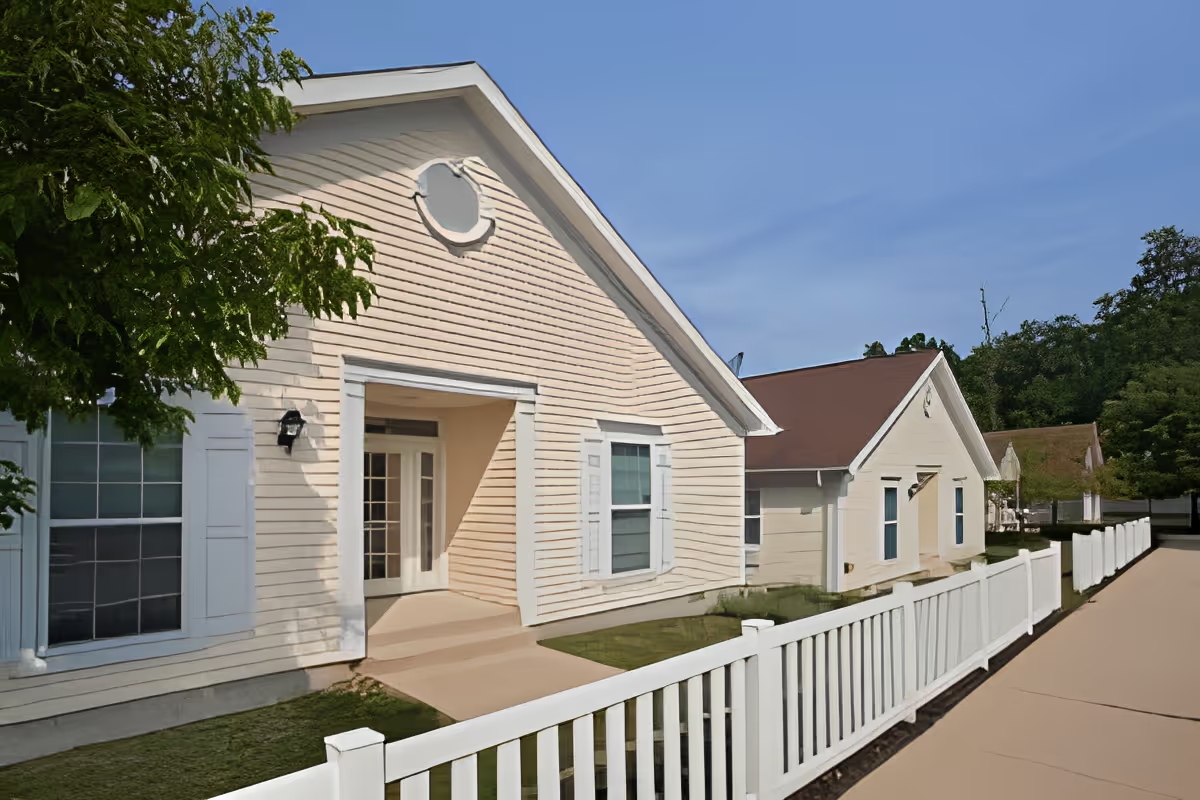
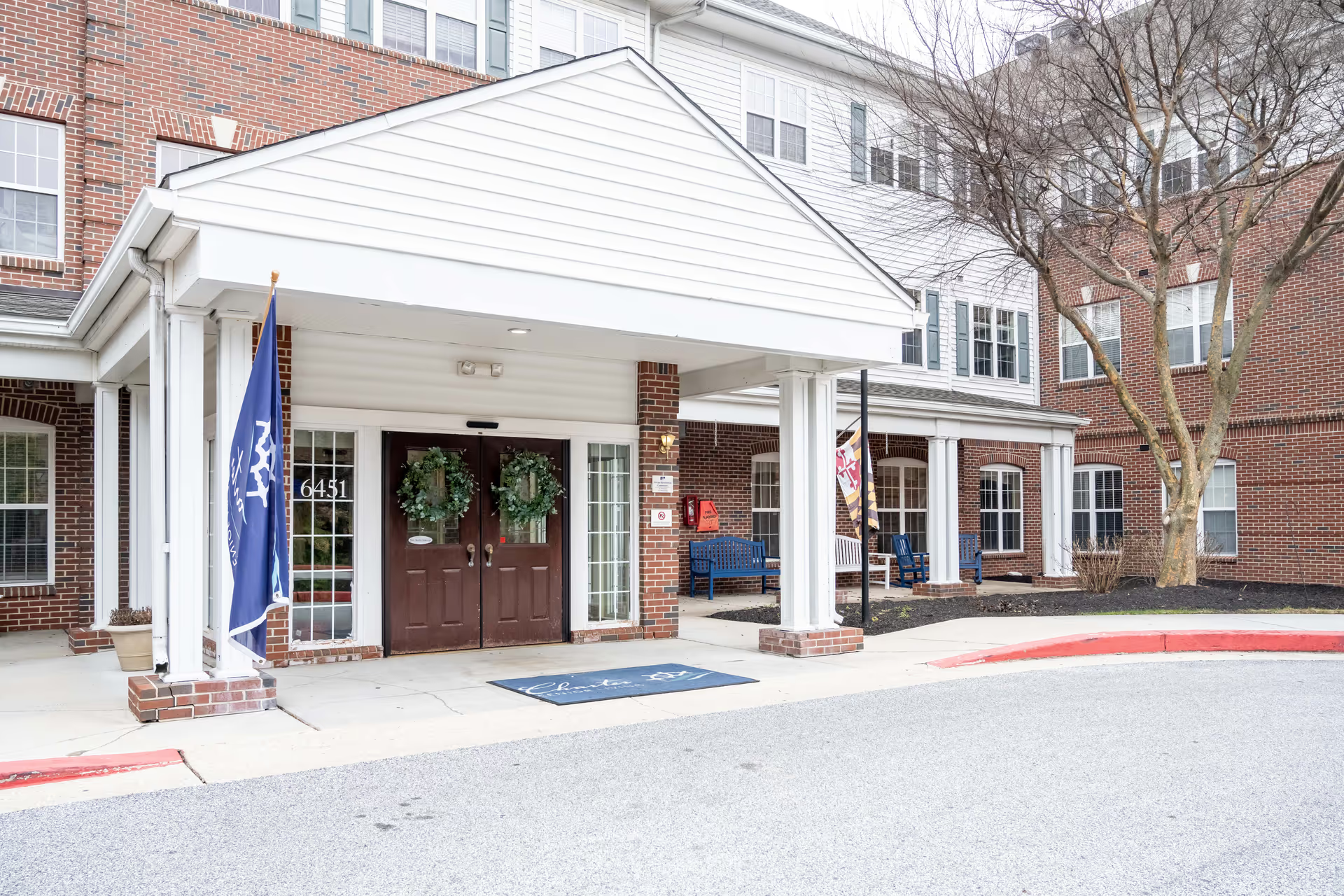
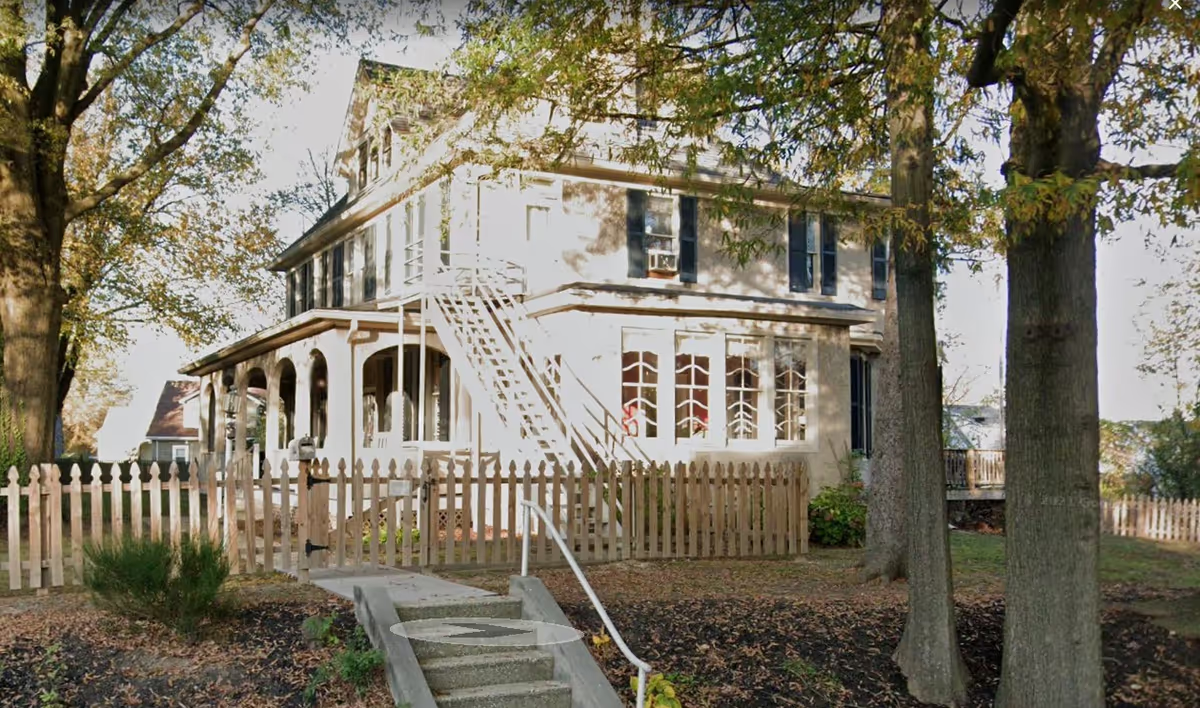
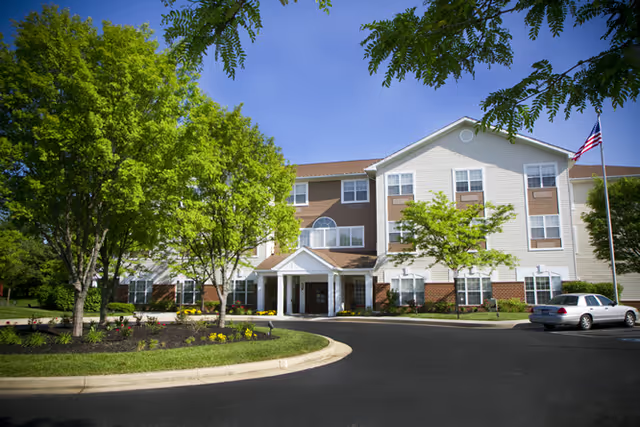
At the same time, the facility’s physical plant and capacity limitations are a recurring operational concern. The building is older, two-story, and has narrow hallways; reviewers indicate accessibility constraints (including a lack of elevator access) that affect residents who use wheelchairs or have significant mobility needs. Several comments describe limited availability of private rooms and a tendency toward shared rooms and shared bathrooms, which may be important for families prioritizing private accommodations. Visitor parking is also limited, which can affect family access.
Staffing and program consistency are mixed themes. While many reviewers praise individual caregivers and describe residents as well cared for, others note staffing shortages that appear to reduce time available for engagement and structured activities. That results in variable activity programming—some residents experience frequent social opportunities and outings, while others describe minimal engagement beyond basic care. A small number of reviewers raised concerns about staff conduct and communication tone, and there are isolated allegations of misleading admissions communication; prospective families should evaluate communication processes directly with management.
Housekeeping and sanitation impressions are mostly positive, but there are isolated reports of lapses in room upkeep and odor concerns. These descriptions are not uniform, so they suggest variability in housekeeping performance rather than a universal condition. Management- and admissions-related issues emerge as another pattern: reviewers describe inconsistent room-availability communication and questions about clinical assessment or placement decisions. Families should ask specific questions about assessment procedures, wait lists for private rooms, and policies regarding wheelchair residents and higher-acuity care.
For families considering this community, the strengths include a warm atmosphere, caring staff, home-style meals, social opportunities, and affordable payment options including Medicaid. The primary trade-offs are the facility’s age and accessibility limits, the prevalence of shared rooms, and variability in staffing and housekeeping consistency. Recommended next steps: schedule an in-person visit during mealtime and an activity, tour private and shared rooms and bathrooms, review the facility’s transfer and fall-management policies, confirm wheelchair and higher-acuity admission policies, and request current staffing ratios and the activity calendar to confirm the program meets your relative’s needs.