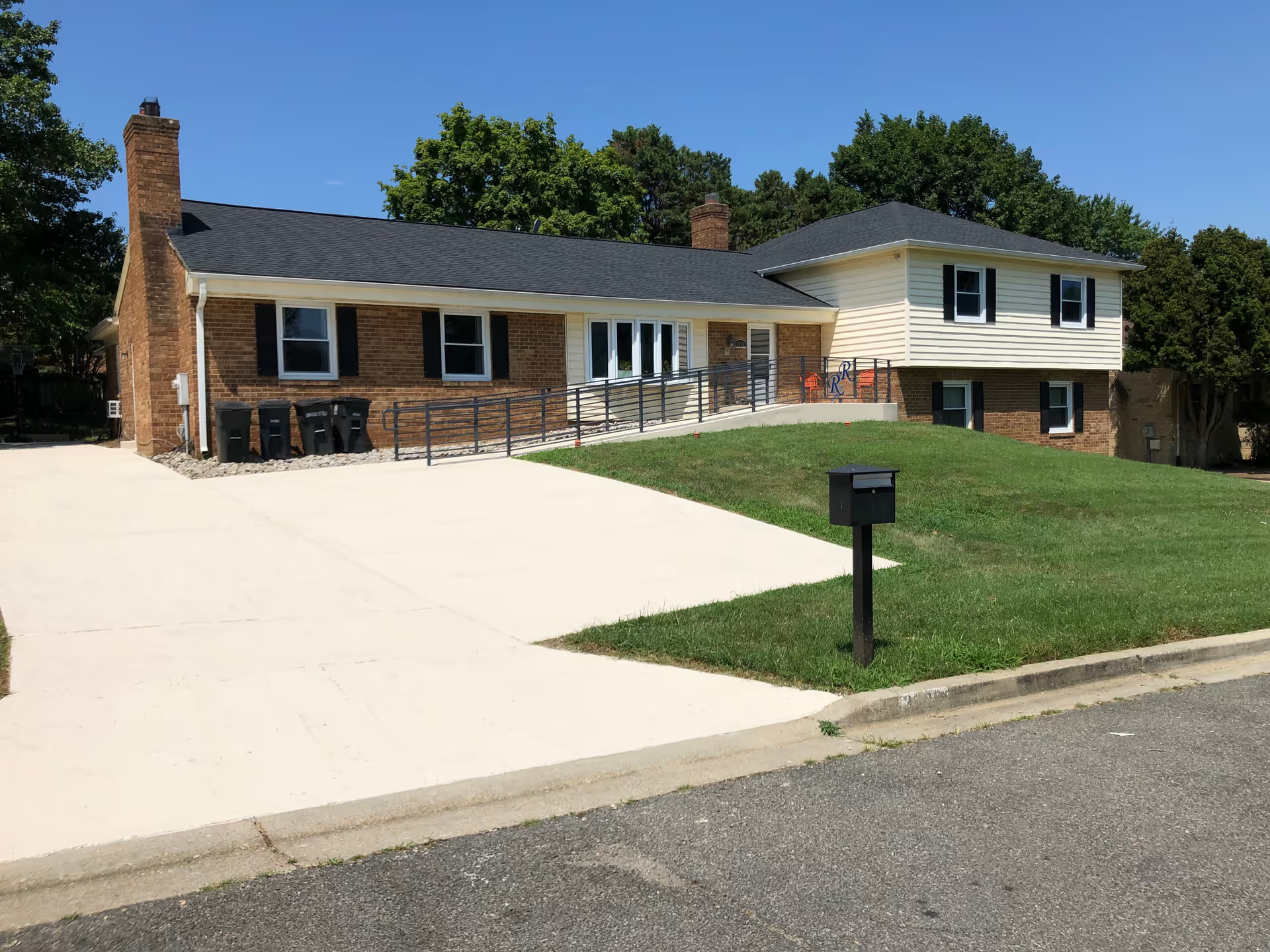
Reviewer experiences for The W Assisted Living are notably mixed. Many families and visitors describe compassionate, professional caregivers who provide patient, dementia-aware attention and establish positive relationships with residents. The facility offers a range of services that appeal to families seeking social engagement: a schedule of activities, arts-and-crafts, therapeutic services, regular outings, and an onsite adult day program. Several comments highlight secure memory-care programming, accessible bathrooms with handrails, wheelchair accommodations, Spanish-speaking staff, and a separate independent-living option.
Care quality perceptions vary. Positive accounts emphasize attentive staff, effective medication administration, and good day-to-day support for residents with dementia. Conversely, other accounts identify operational weaknesses that affected clinical reliability: missed or inconsistent medications, incomplete documentation, delayed responses to care needs, and instances of unexplained injuries or concerning outcomes that prompted requests for incident reports. There are repeated mentions of delays in attending to continence-related needs and concerns about responsiveness during acute events; families noted frustration when documentation or incident narratives were not provided.
Dining and programming are similarly mixed. Several reviewers praise three homemade meals per day and an active calendar of engagements. Others report inconsistent meal quality, limited variety, and occasional reductions in service that affected resident satisfaction. Therapeutic and rehabilitation services receive favorable comments when available and used, but continuity of these services appears uneven across residents.
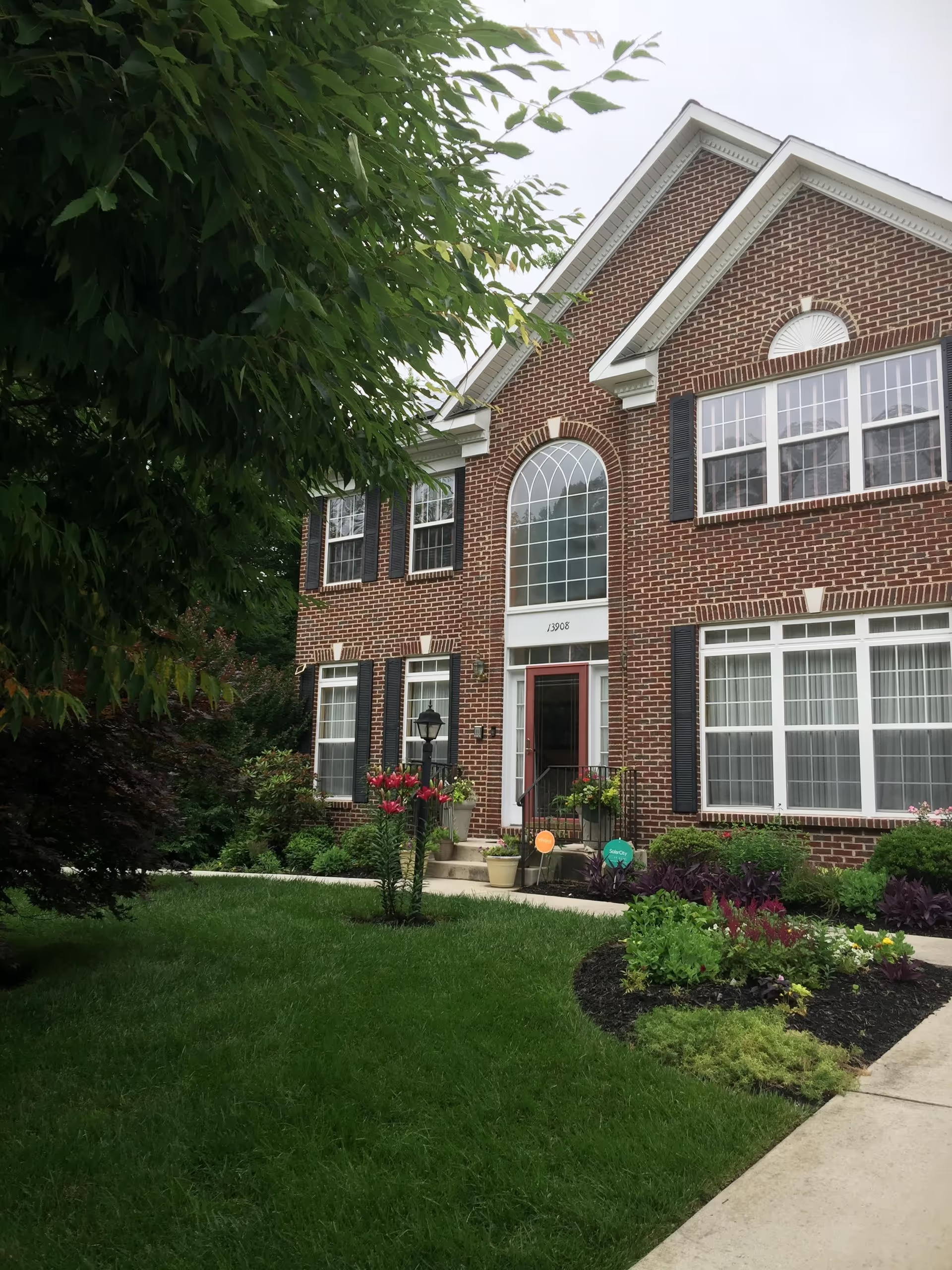
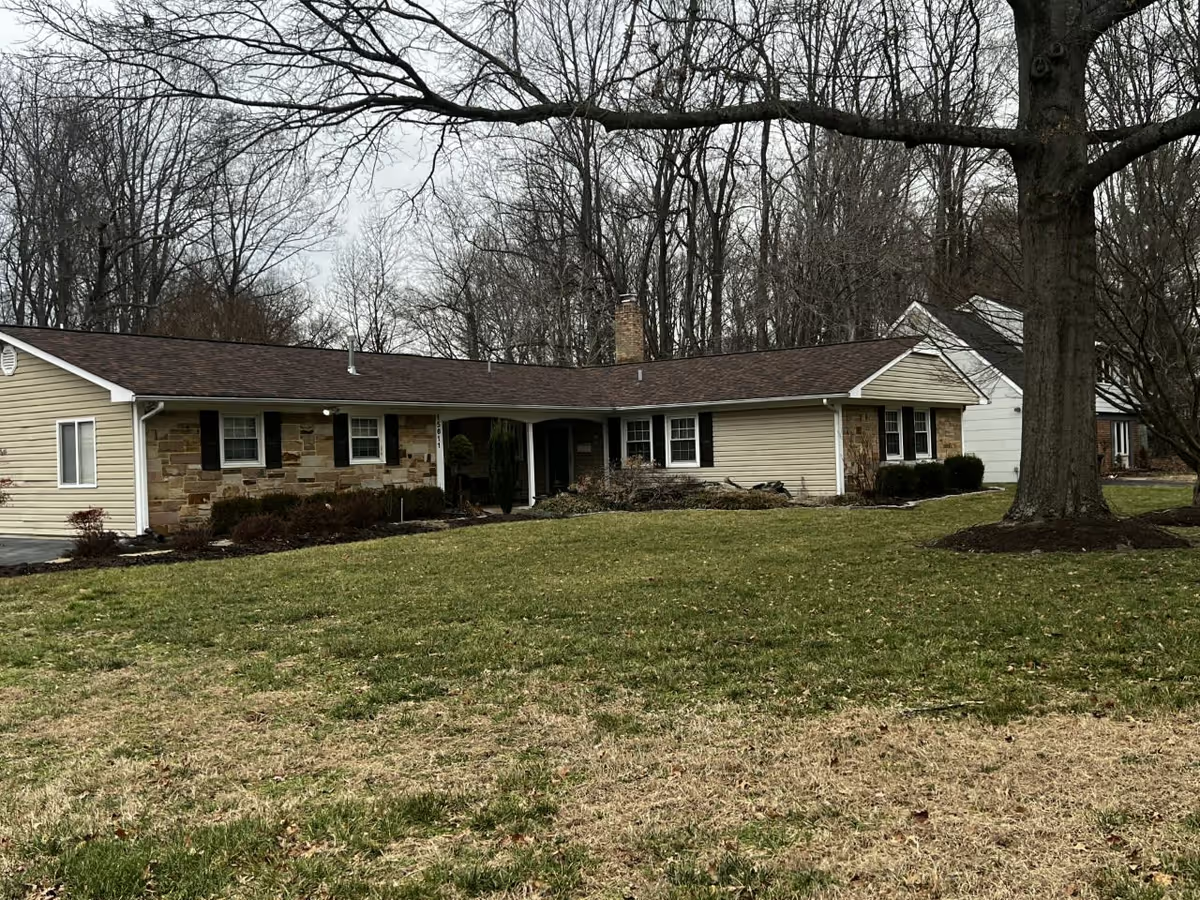
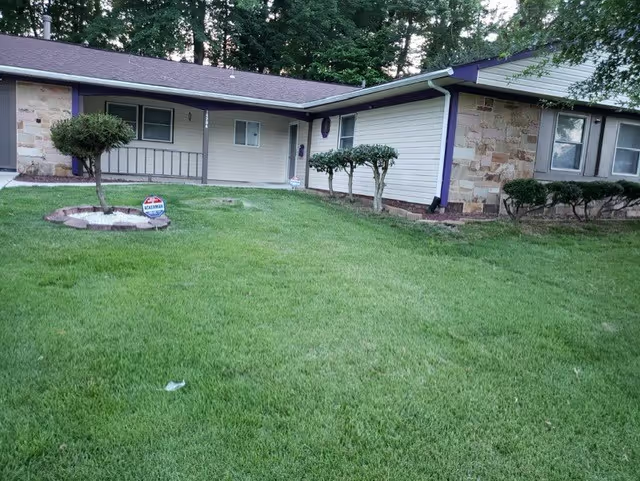
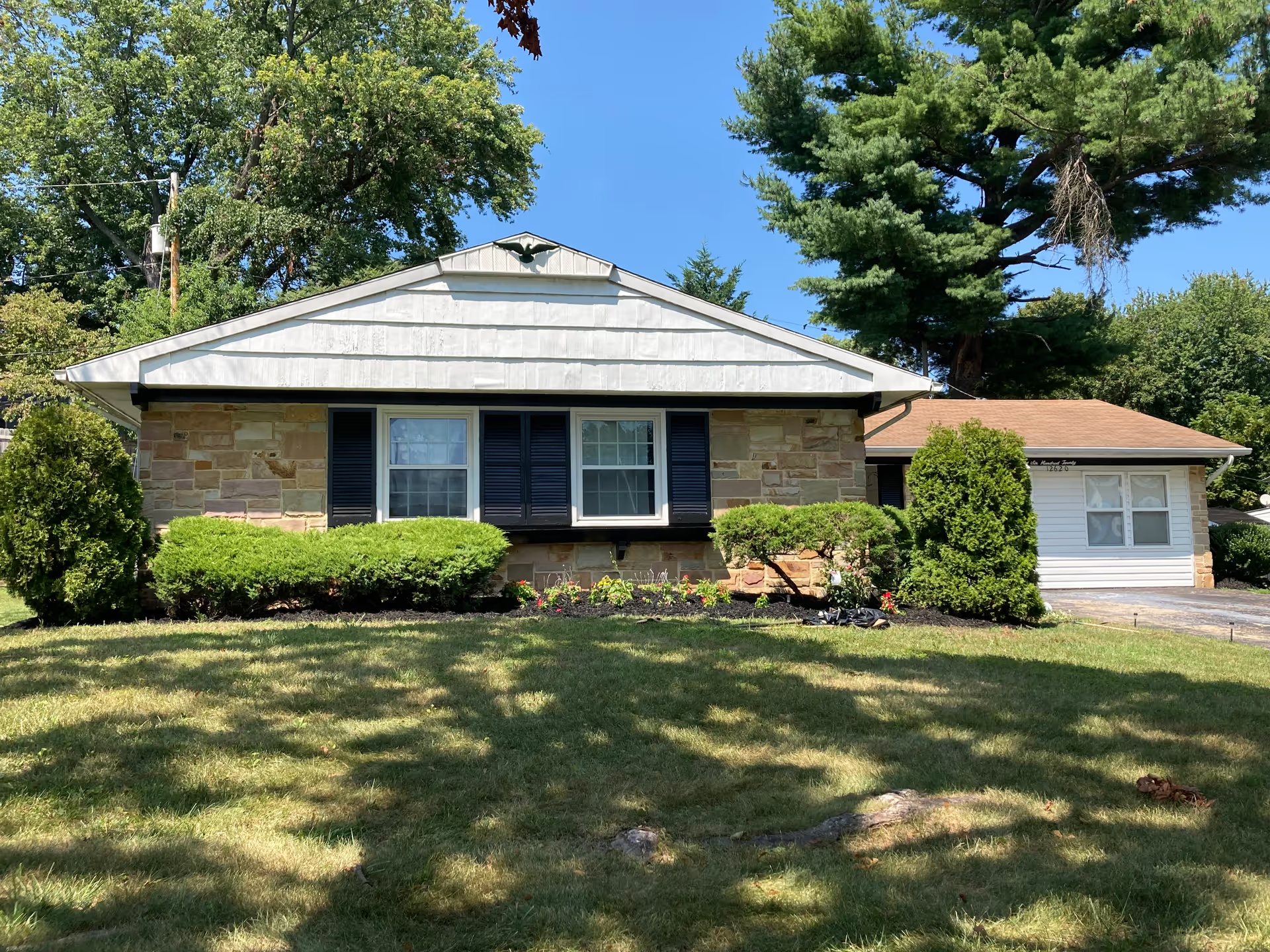
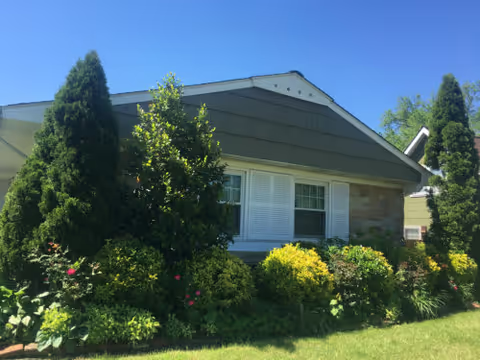
Facility condition and maintenance show variability. Positive descriptions mention a secure courtyard and welcoming communal spaces. At the same time, multiple reviewers raised sanitation concerns, odor concerns in some areas, intermittent hot-water or housekeeping issues, broken fixtures, and general maintenance backlogs. The building layout and locked-off sections were described as confusing for residents with vision or cognitive impairments, which can impede independent navigation and family access.
Staffing and management are central themes. Many reviewers commend frontline staff for being kind, patient, and engaging; however, persistent concerns about insufficient staffing levels, scheduling cuts, and use of volunteer or county-staff coverage were also raised. These operational staffing challenges were linked by families to lapses in supervision, inconsistent hygiene assistance, and delays in routine care. Management responsiveness and communication receive mixed feedback: some families praise knowledgeable, compassionate leadership, while others describe difficulty getting timely answers, inadequate incident follow-up, and perceived inattentiveness from owners or administrators.
Notable patterns for prospective families: the facility appears capable of delivering strong social programming and compassionate daily care when adequately staffed and managed, particularly for residents who benefit from memory-care structure and activities. However, there are recurring operational concerns — sanitation practices, maintenance, staffing stability, medication and documentation controls, and family communication — that merit direct, specific inquiry during a tour. Ask to review incident-reporting procedures, staffing ratios by shift, medication-administration policies, meal menus, maintenance-response times, and examples of recent quality-improvement actions. Observing peak-shift activity, checking resident rooms and common areas for cleanliness and water/fixture function, and speaking with current families can help clarify how consistently the facility delivers on its positive aspects.