Overall impression: Fenwick Landing is generally presented as a small, residential-feeling senior care community with strengths in compassionate caregiving, memory-care programming, and family engagement. Many families praise the staff for warmth, dignity-preserving care, and responsive communication; reviewers consistently describe an environment that feels home-like, well maintained in common areas, and supportive for residents with cognitive or mobility needs.
Care and staff: Reviewers commonly emphasize attentive, compassionate direct care and a family-style culture. Staff are credited with individualized attention, accompaniment to appointments, and being available for family communication. At the same time, several accounts point to variability in staffing continuity and experience—turnover, occasional unwelcoming interactions, and some periods when staff appear inattentive or distracted. These comments suggest that while core caregiving quality is strong, consistency of personnel and experience level can fluctuate.
Dining and activities: Dining is a clear strength: home-style, thoughtfully prepared meals, sociable kitchen staff, and eating improvements among residents are recurring themes. The program typically offers two main meals with snacks, options for family-sent meals, and transparent billing for extra services. Activity programming is broad and active, including games, crafts, gardening, group exercise, bowling, regular restaurant outings, holiday celebrations, and social events that support engagement and socialization—particularly valuable for residents in memory care.
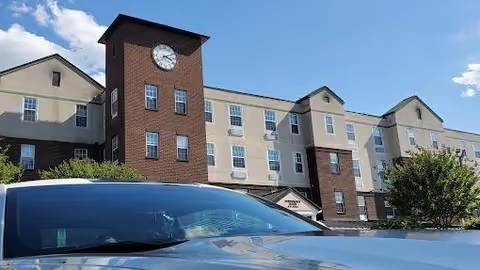
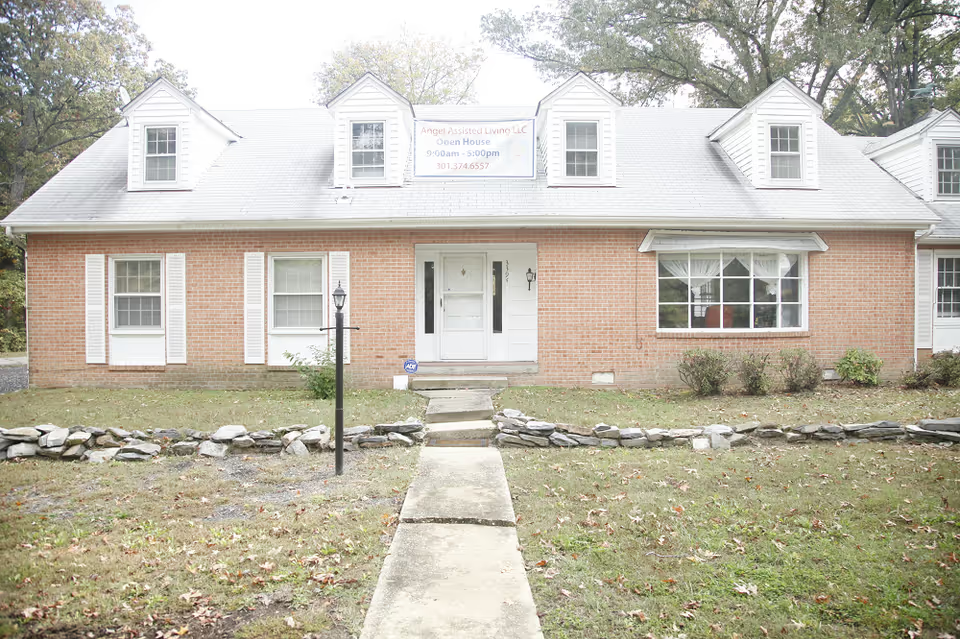
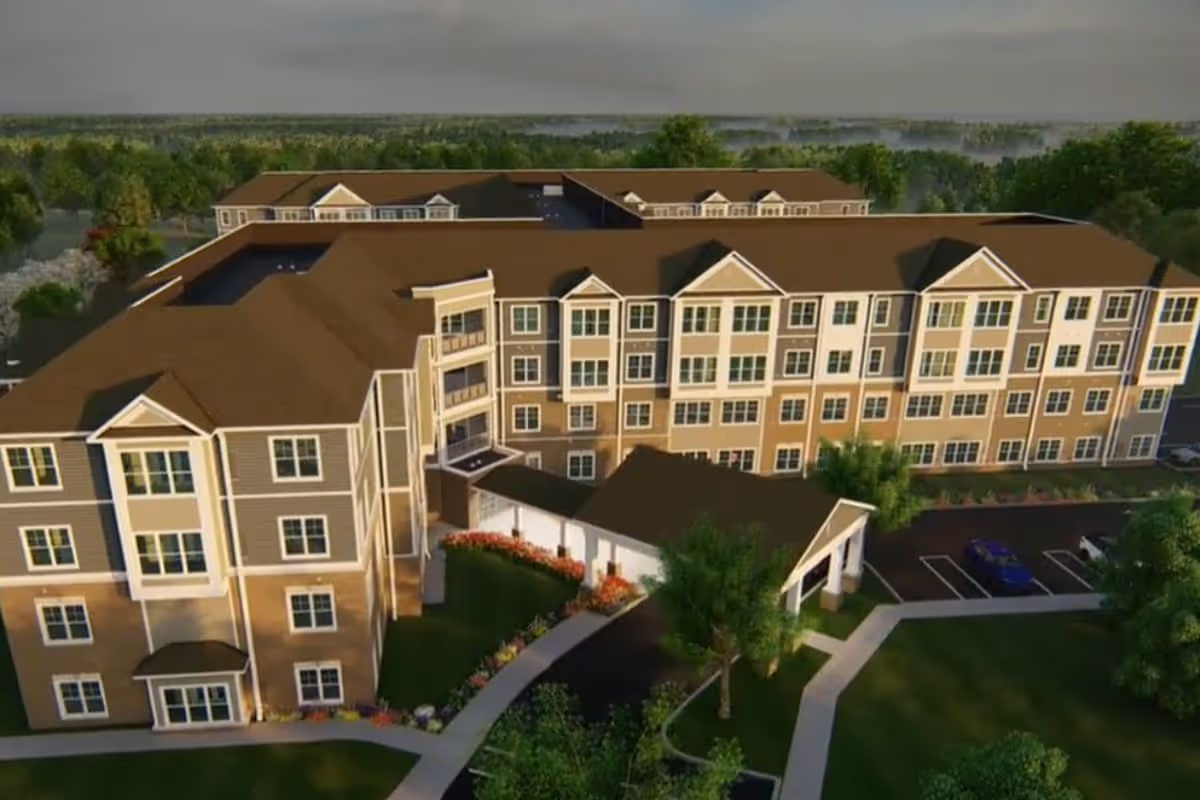
Facilities and clinical operations: Many reviewers note clean, inviting common spaces, pleasant grounds, and useful amenities like an aquarium living room and on-site medical visits. However, there are operational and infrastructure concerns raised in several accounts: HVAC and ventilation systems are described as dated in places; some rooms are small and lack private showering; and there are mentions of sanitation or odor concerns during certain shifts and pest-control attention needed. Clinically, some families reported delays in medication administration and inconsistencies in laundry and incontinence-care processes, indicating potential gaps in routine clinical operations and workflow.
Management and communication patterns: Management garners positive feedback for proactive communication, family inclusion in care decisions, and transparent practices around costs and admissions for many families. Conversely, a subset of comments describes administrative responsiveness gaps—for example, delayed replies during admissions inquiries—and occasional perceptions of internal favoritism or staff drama. These mixed observations suggest generally effective leadership with opportunities to standardize admissions communication and strengthen internal team cohesion.
Bottom line: Fenwick Landing offers many features attractive to families seeking memory-care and small-community living—compassionate staff, robust activities, home-style dining, and on-site clinical access. Prospective residents and families should weigh these strengths against operational considerations such as variability in staff continuity, infrastructure modernization needs, and specific clinical-process gaps (medication timing, laundry/incontinence procedures). Asking targeted questions about staffing stability, medication administration protocols, room sizes and bathing options, HVAC upgrades, and admissions-response expectations during a tour will help clarify whether the community’s current operational status matches your priorities.