Overall impression: Reviews present a mixed but clear pattern. Strengths center on person-centered caregiving, clinical access, and a homelike, clean environment; weaknesses are primarily operational and programmatic, including limited activities, space constraints, and communication about financial/eligibility matters.
Care and staff: The facility is consistently described as staffed by compassionate, attentive caregivers who establish warm, family-like relationships with residents. Multiple accounts highlight staff responsiveness, individualized assistance with chronic conditions (for example, diabetes monitoring and help with arthritic pain), and follow-through from an on-site nurse and visiting physician. Families frequently praised clear communication from staff and management during transitions and routine updates. At the same time, reviewers raised concerns about inconsistent staffing levels and supervision, and language barriers with some caregivers that can impede resident interaction and care delivery.
Dining and clinical services: Dining receives generally positive comments — home-style cooked meals, three meals served daily, and the option in some cases for meals delivered to residents’ rooms. Clinical services are a noted strength: on-site nursing, physician visits, and available physical therapy/rehabilitation were associated with measurable health improvements for some residents. These elements suggest capacity to support residents with medical needs, although families should verify individual care plans and monitoring protocols.
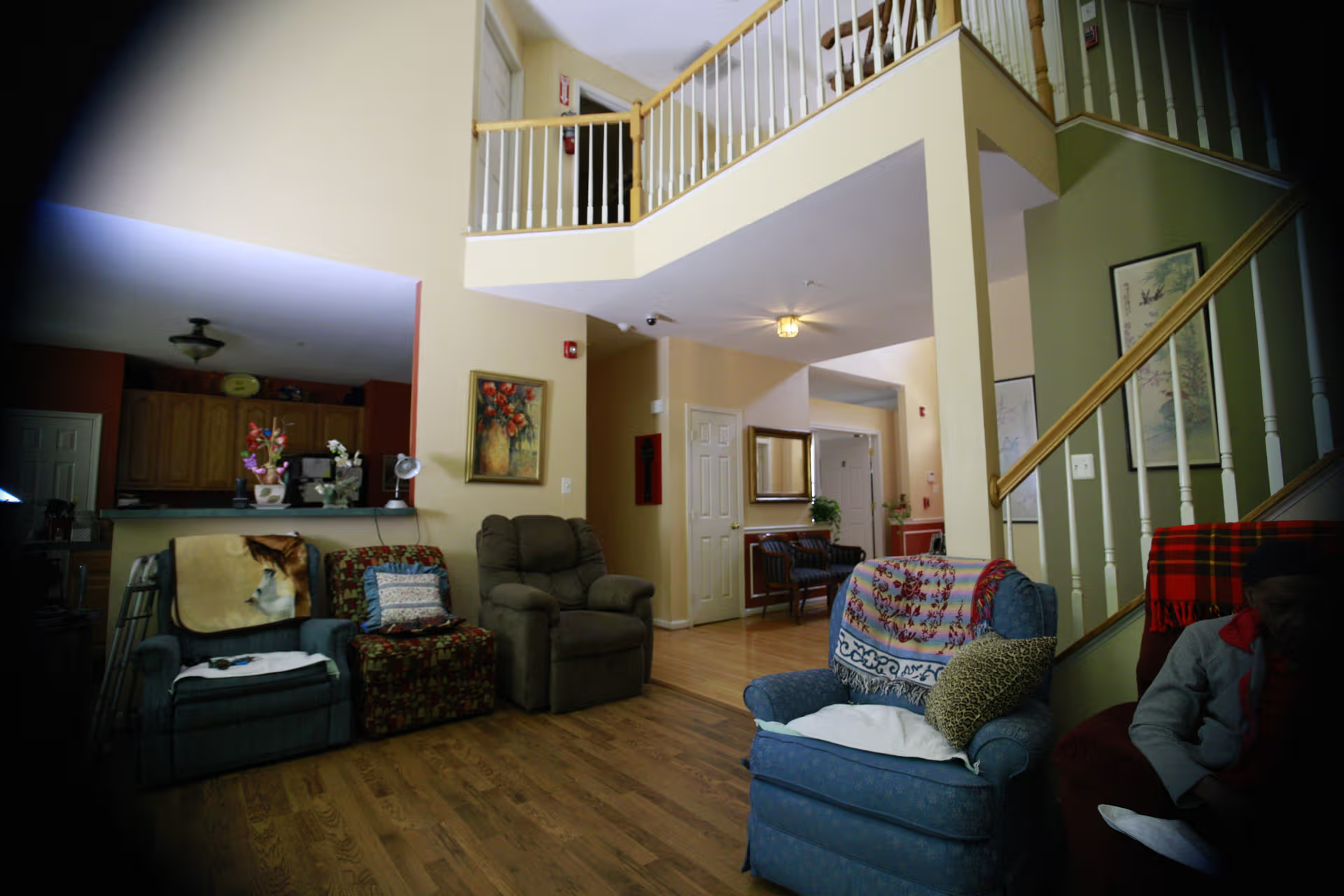
Activities and socialization: A recurring shortcoming is limited organized programming. Common activities described are television, cards, and informal seating-room gatherings; reviewers noted an absence of a dedicated activities room and a general scarcity of structured social or recreational programming. This pattern may limit opportunities for regular engagement, particularly for residents who need more stimulation or social support.
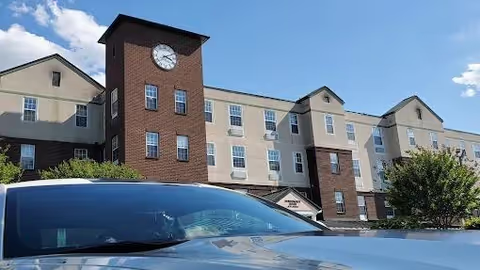
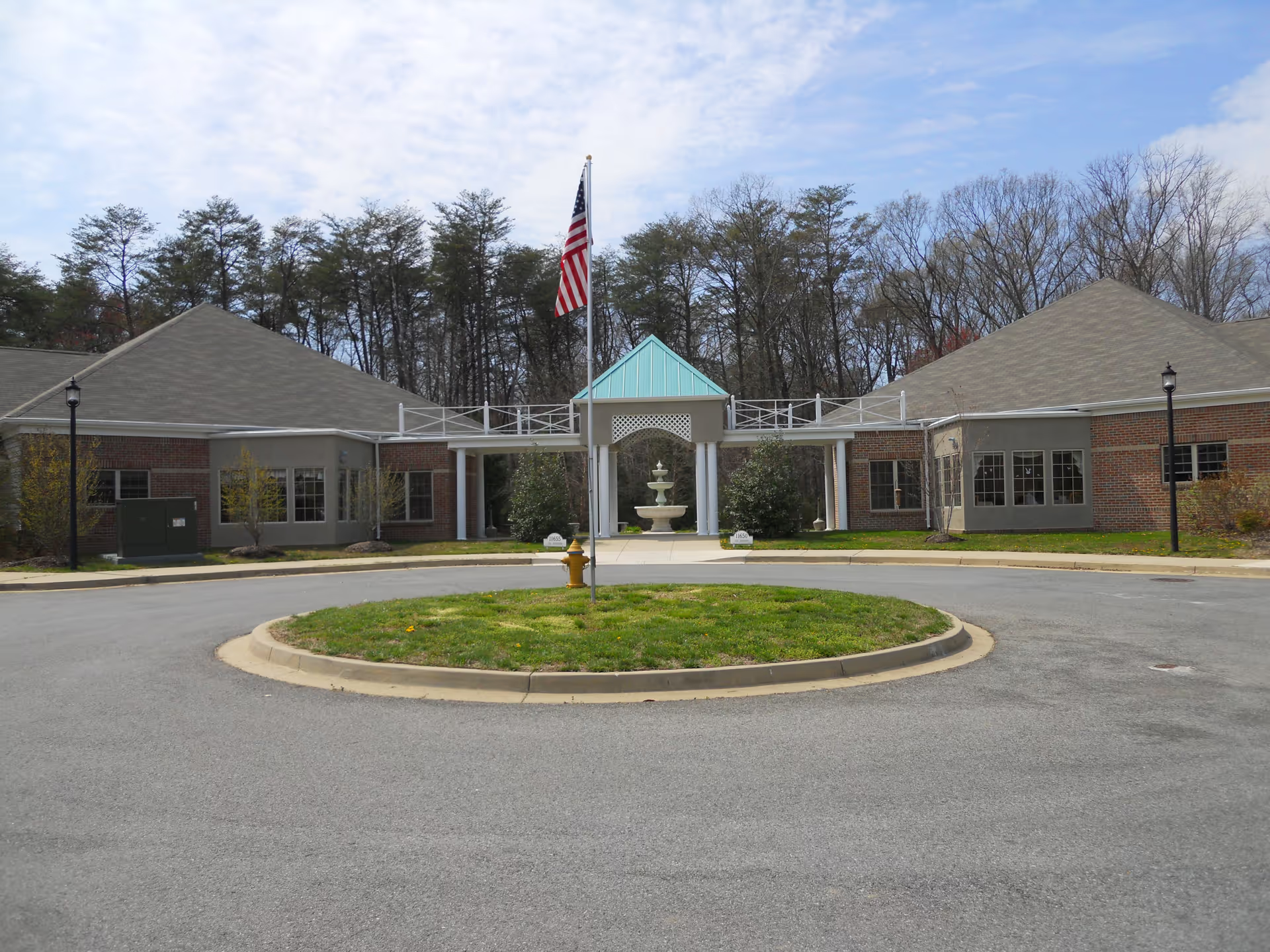
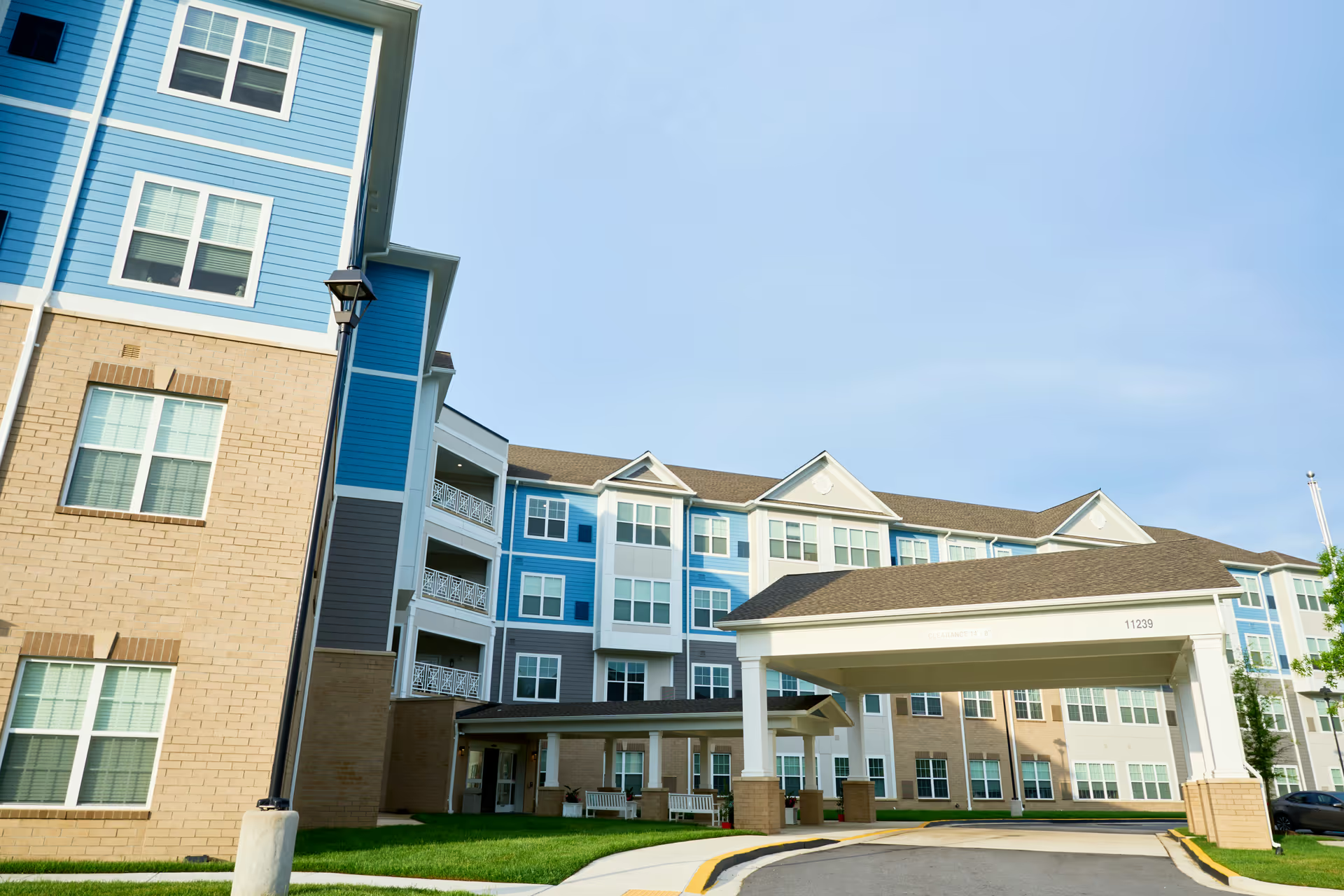
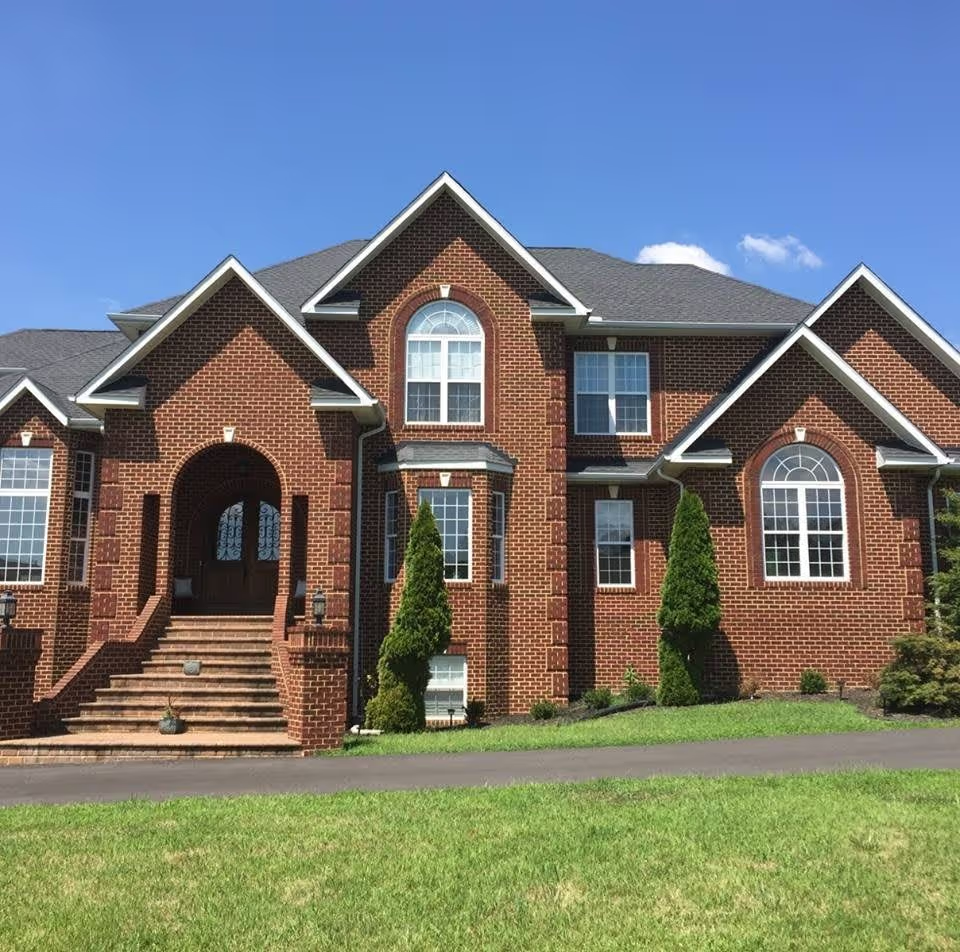
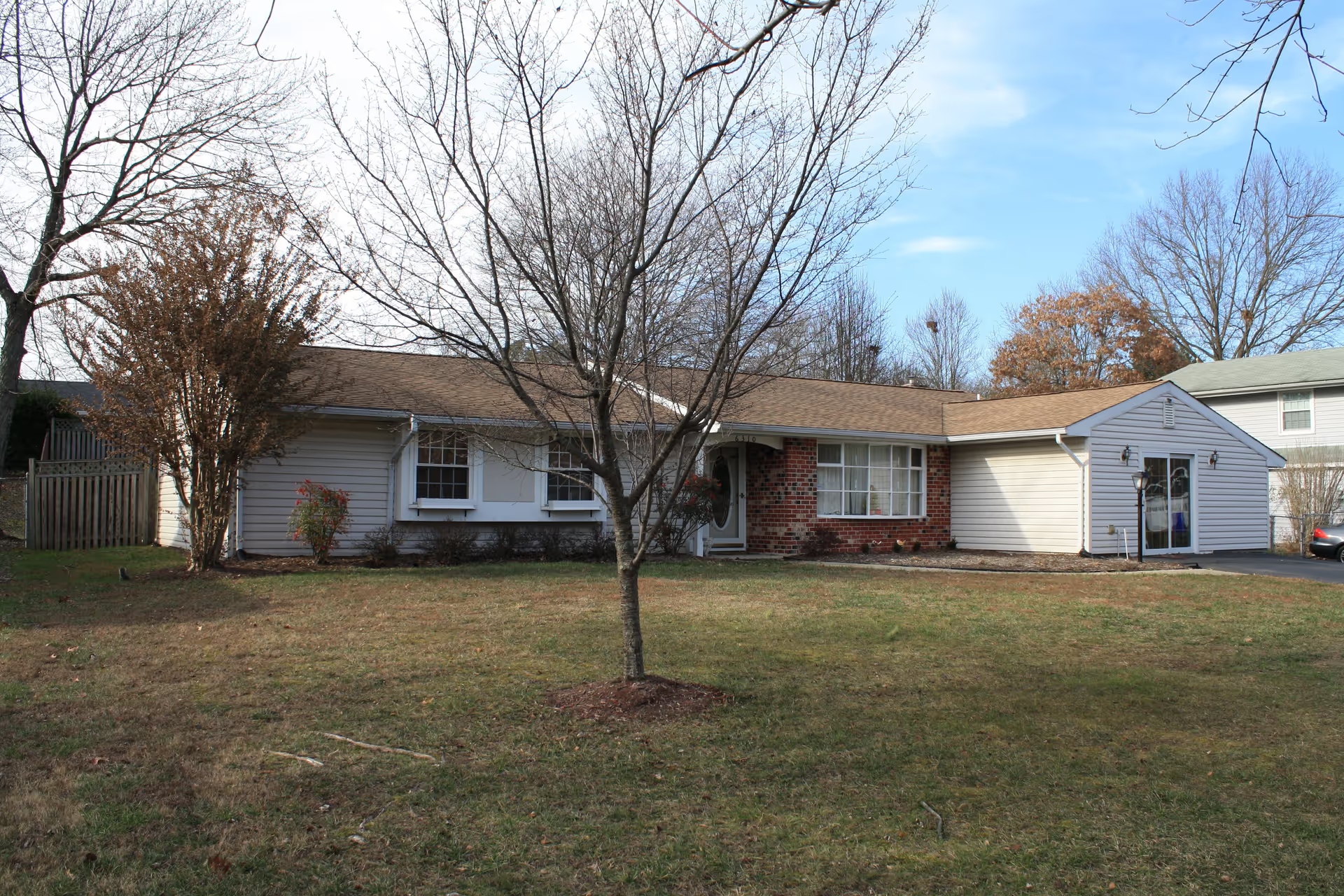
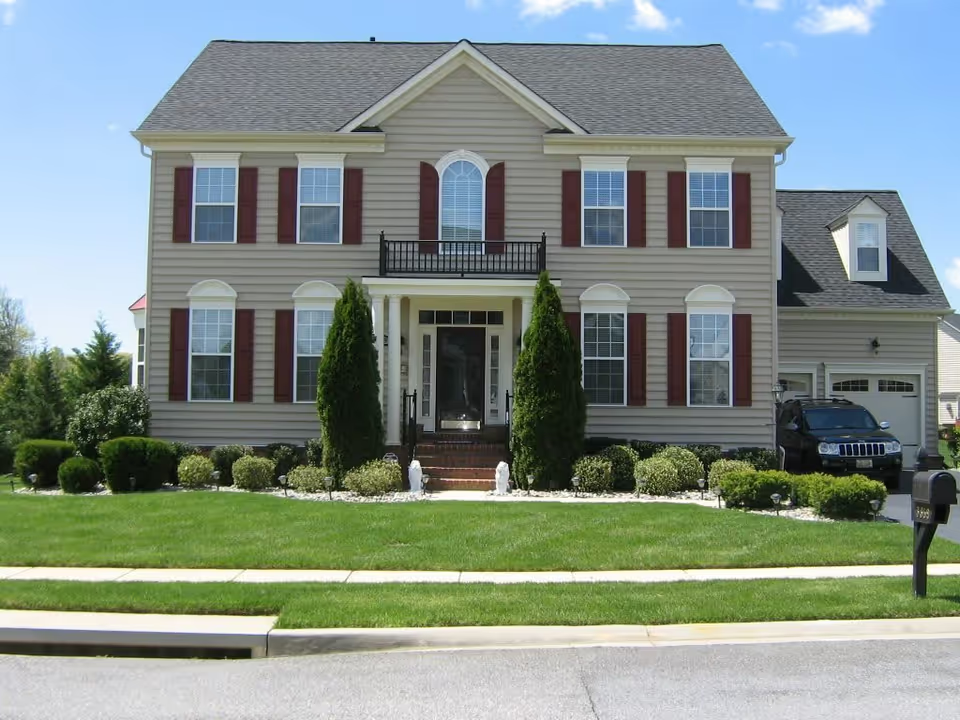
Facilities and accessibility: The facility is frequently characterized as clean, well-maintained, and ADA-aware, with features such as a chairlift for multilevel access. However, the physical layout is described as fragmented or “chopped-up,” with multiple floors and steep stairs that can make navigation difficult despite accessibility aids. Bedroom size and configuration are inconsistent—some residents have large, bright rooms while others occupy small, shared bedrooms—contributing to a perception of crowding in parts of the building. Dining and common spaces are also described as small relative to the resident population.
Management and operational patterns: Communication from management receives positive mention in several accounts, but there are notable operational concerns: uncertainty or unclear communication about Medicaid-waiver status and eligibility, stalled or delayed renovations, and pest-control issues in parts of the facility. These are facility-level operational items that families should clarify during tours and contract discussions.
Notable patterns and considerations: The combination of strong, compassionate caregiving and accessible clinical support makes this facility a reasonable fit for residents who prioritize warmth, hands-on care, and medical oversight in a home-like setting. Families seeking robust activity programming, larger private rooms, or greater clarity on Medicaid/financial arrangements should probe those areas during evaluation visits. Prospective residents should also assess staffing ratios, language compatibility with caregivers, and the facility’s pest-control and renovation plans before making placement decisions.