Reviews present a mixed but clear pattern: the facility is consistently praised for its staff culture, social programming, and location, while a set of operational and administrative issues recur across accounts.
Care and staff: The dominant theme is that frontline staff are caring, personable, and often described as becoming like family. Many families highlighted attentive CNAs, helpful nurses, and a responsive admissions team that facilitated smooth moves. There are positive mentions of around-the-clock availability, hospice coordination, and an RN on staff. However, there are recurring concerns about inconsistent clinical professionalism — specifically inconsistent bedside manner from an in-house clinician — and variability in staffing levels. Several families described lapses in communication about medical updates and coordination of care; prospective families should ask about current staffing ratios and communication protocols.
Dining and activities: Dining receives mixed feedback. Numerous reviewers praised nutritious, varied, and enjoyable meals, special events, and off-site outings; others described inconsistent food quality. The activities program is often singled out as a strength, with frequent music, social events, games, outings, and opportunities for family involvement. A caveat is that activity availability appears uneven across levels of care: memory-floor programming was noted as limited in some accounts, so verify schedule and engagement offerings for memory-care residents.
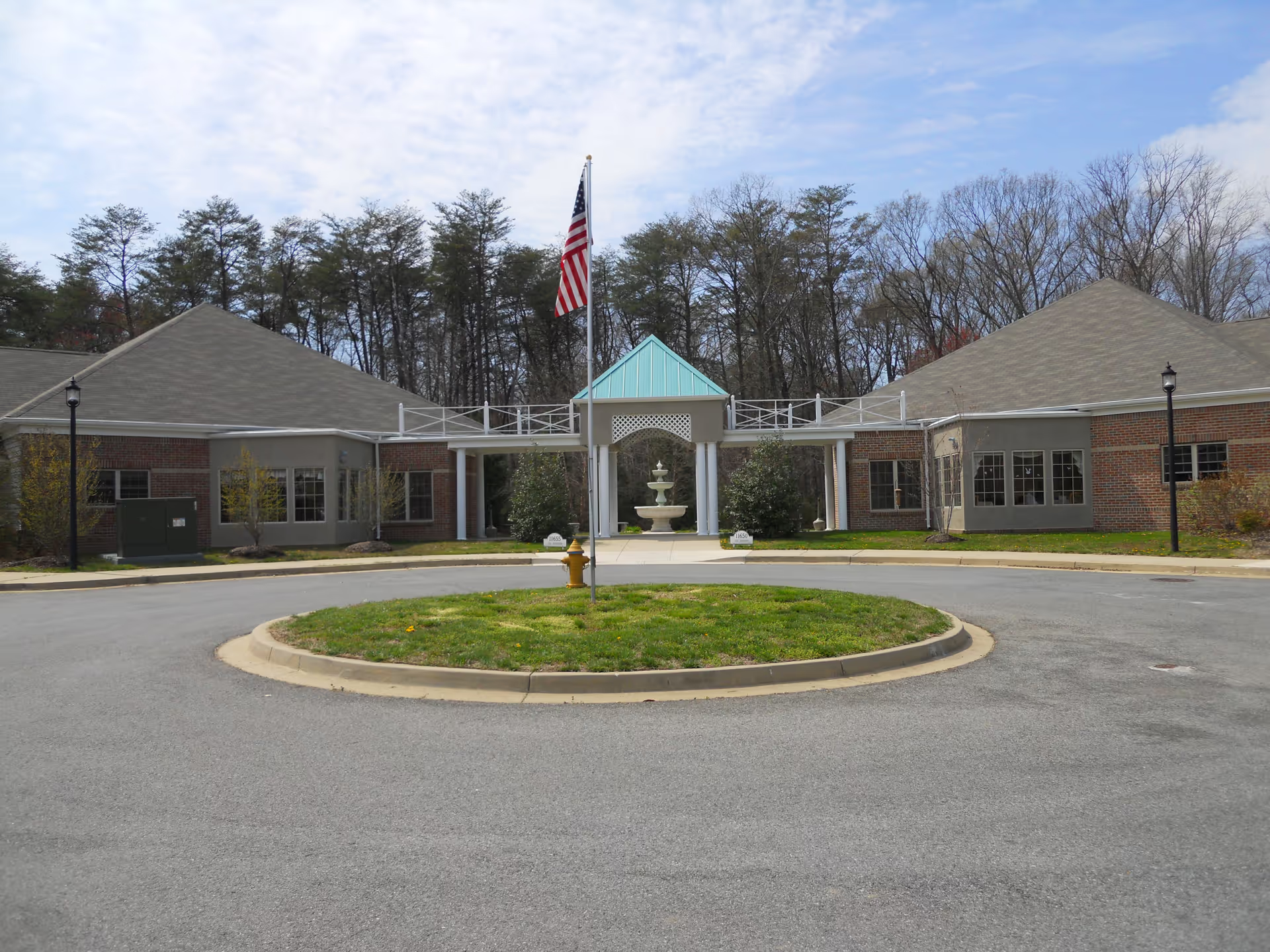
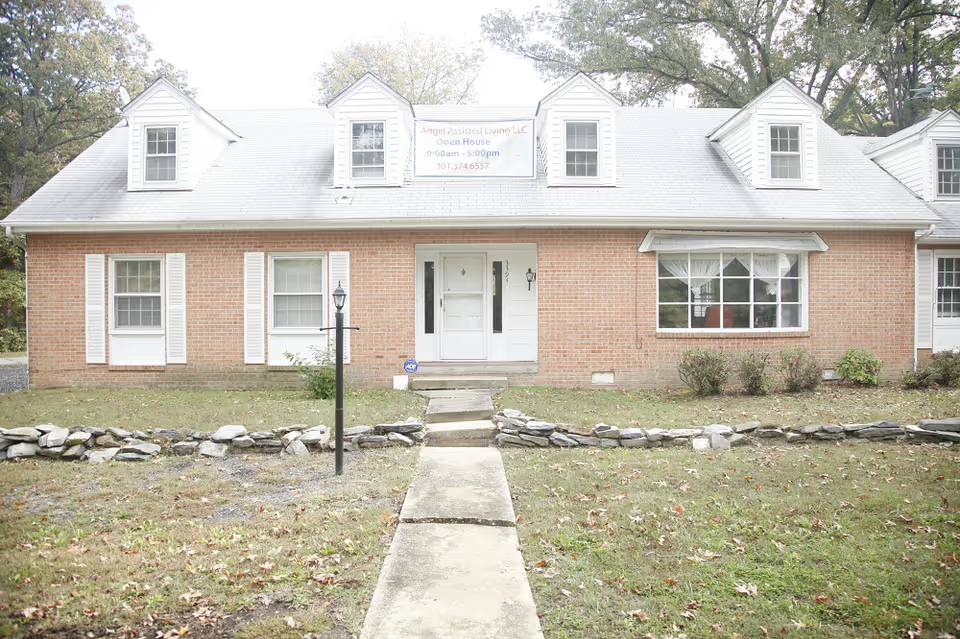
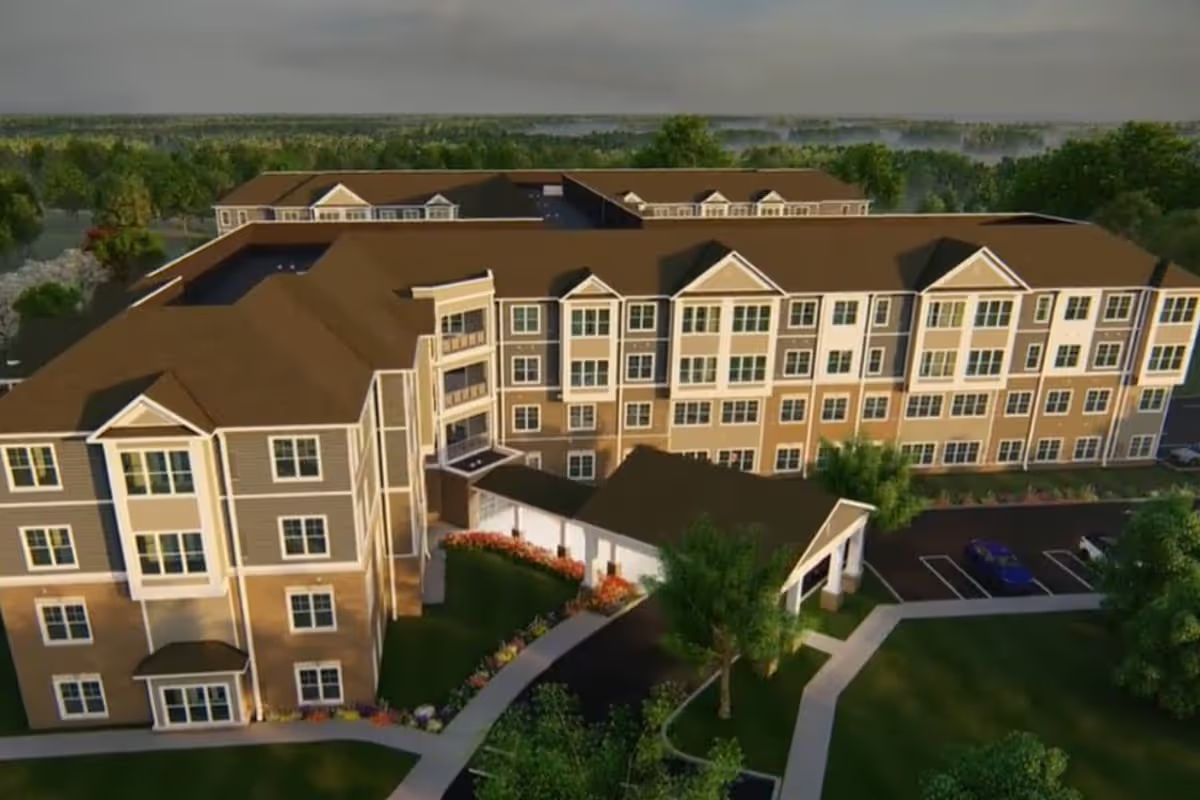
Facilities and cleanliness: Many reviewers found common areas and recently updated spaces clean and welcoming, and management has plans for renovations and phone-system upgrades. At the same time, others reported interior wear, small room sizes (notably compact units with shared bathrooms), and intermittent odor and sanitation concerns in some areas. The facility’s smaller, home-like scale is attractive to many families, but physical condition varies by unit; inspect the exact apartment and common areas during a visit.
Management, contracts, and billing: Administrative strengths include a responsive sales/marketing team and straightforward move-in logistics. Significant administrative concerns recur: limited transparency around the role of an in-house physician, pharmacy billing practices (including continuing charges tied to auto-refill systems), contractual refund and discount clauses that families found restrictive, and recent rate increases. There are also practical limits such as a single ISP option for internet/phone service. These are operational traits that materially affect families’ experiences; prospective residents should request written policy on pharmacy refills, a copy of resident contract clauses about refunds and discounts, and a clear explanation of fee increases.
Notable patterns and practical guidance: Overall, many families report strong relational care, engaging social life, and good value compared with alternatives. The most serious recurring issues are administrative/billing transparency, medication-management controls, variable cleanliness in parts of the building, and inconsistent communication from clinical staff. When considering this facility, visit multiple times (including at mealtime and on the memory-care floor), tour the exact apartment, review the resident contract and pharmacy procedures in detail, ask for current staffing ratios, and request references from recent families. Those steps will help balance the facility’s clear strengths in staff warmth and programming against the operational weaknesses highlighted in reviews.