Autumn Lake Healthcare at Glade Valley elicits strongly mixed impressions. Across many reviews the facility's rehabilitation services and activities program receive consistent praise: physical and occupational therapists are described as skilled and motivating, and the activities staff is frequently credited with creating engaging, person-centered programming that supports residents’ emotional well-being and social engagement. Families also commonly note a clean, pleasant physical environment, welcoming front-desk interactions, and private-room options that some residents find comfortable and dignified.
Care quality shows a bifurcated pattern. On one hand, numerous caregivers, nurses, and therapists are described as compassionate, attentive, and effective in helping residents progress toward discharge goals. On the other hand, a recurrent theme is insufficient staffing levels that create workload strain. That staffing pressure is associated with long call-light response times, delayed medication administration or coordination, variable reliance on agency personnel, and inconsistent performance across shifts. Several reviewers described sanitation- and incontinence-care delays and delays in basic hygiene assistance; these are presented as operational shortcomings rather than isolated events and contribute to family concern about continuity of bedside care. There are also a few serious, individual-level allegations—such as concerns related to clinician conduct and end-of-life care—that reviewers flagged as needing further investigation.
Dining and nutrition receive mixed feedback. Some residents appreciate the food and the dietary staff’s responsiveness to preferences, but many families describe inconsistent meal quality, issues with meal temperature, limited menu alternatives for traditional or higher-calorie diets, and occasional service breakdowns. Therapy and mealtime coordination has occasionally been cited as disruptive when therapy takes place in dining spaces.
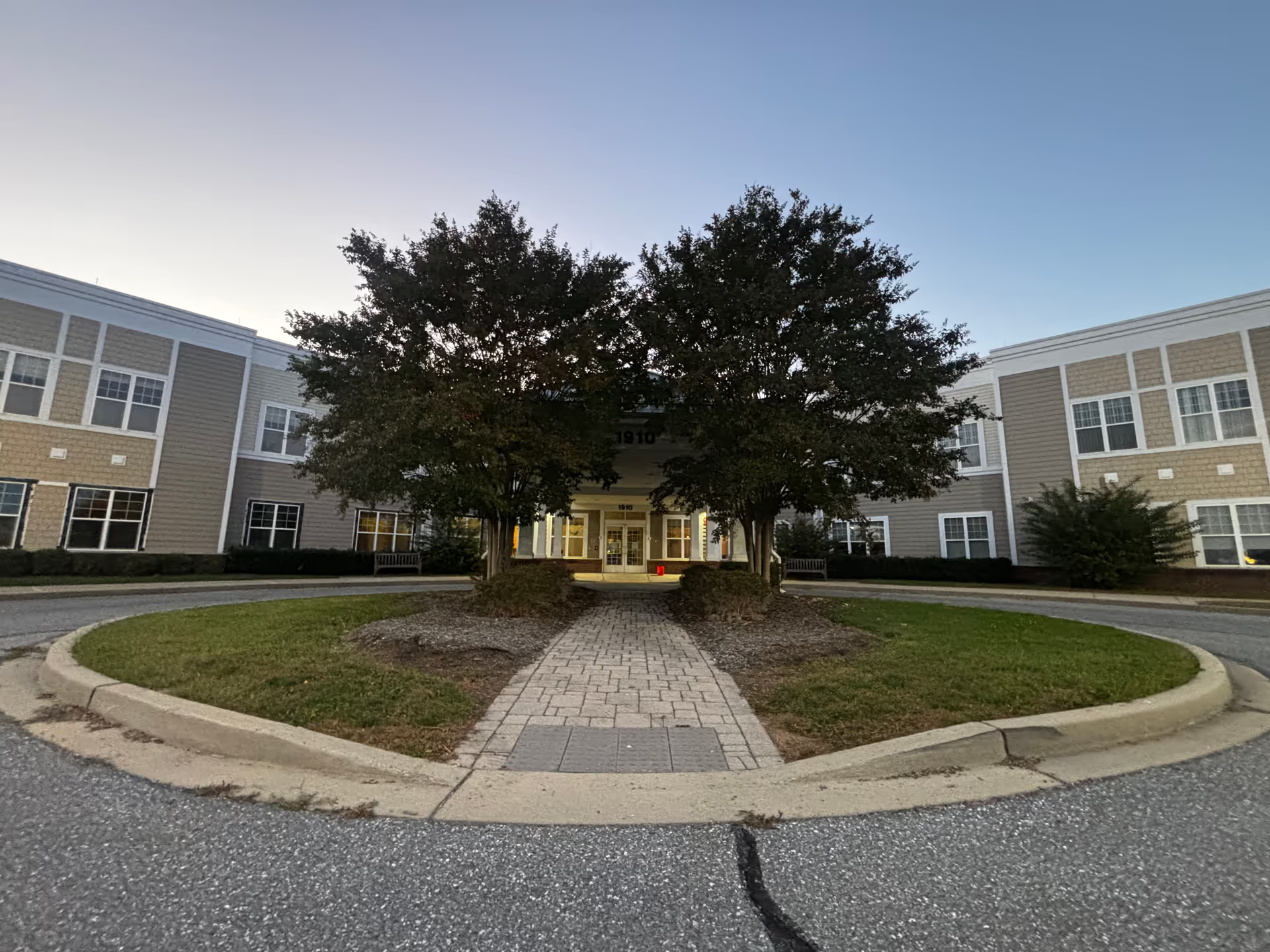
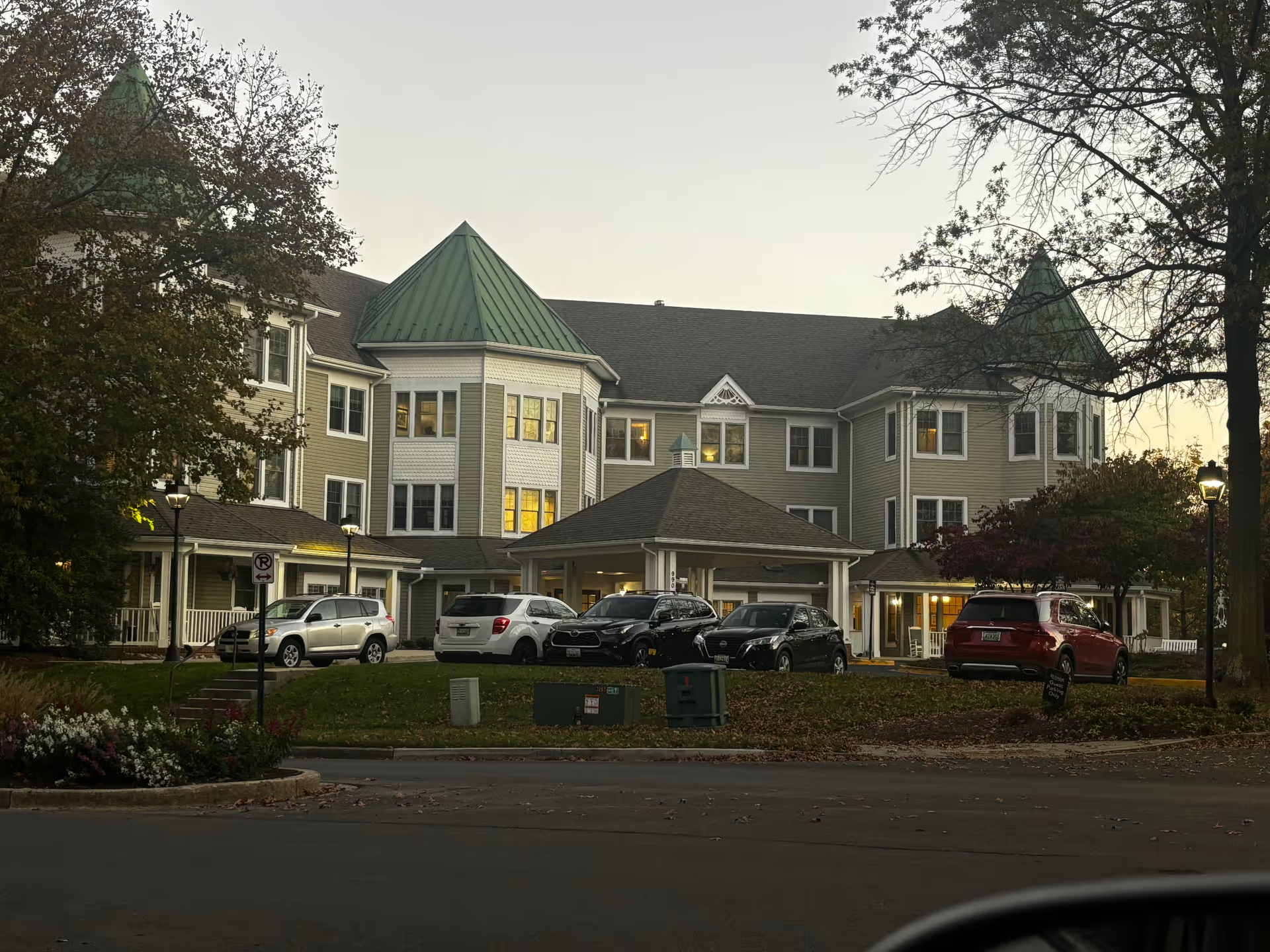
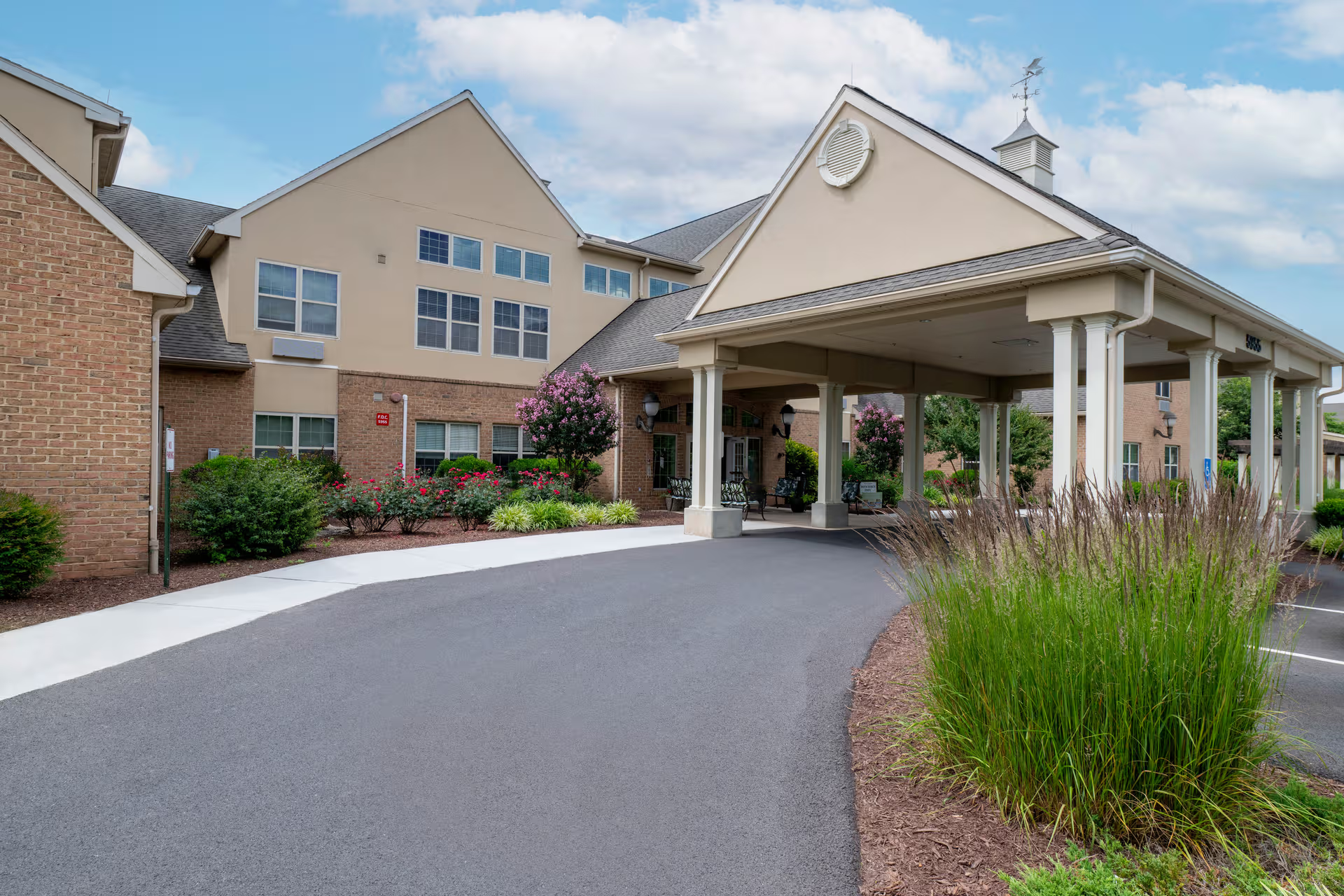
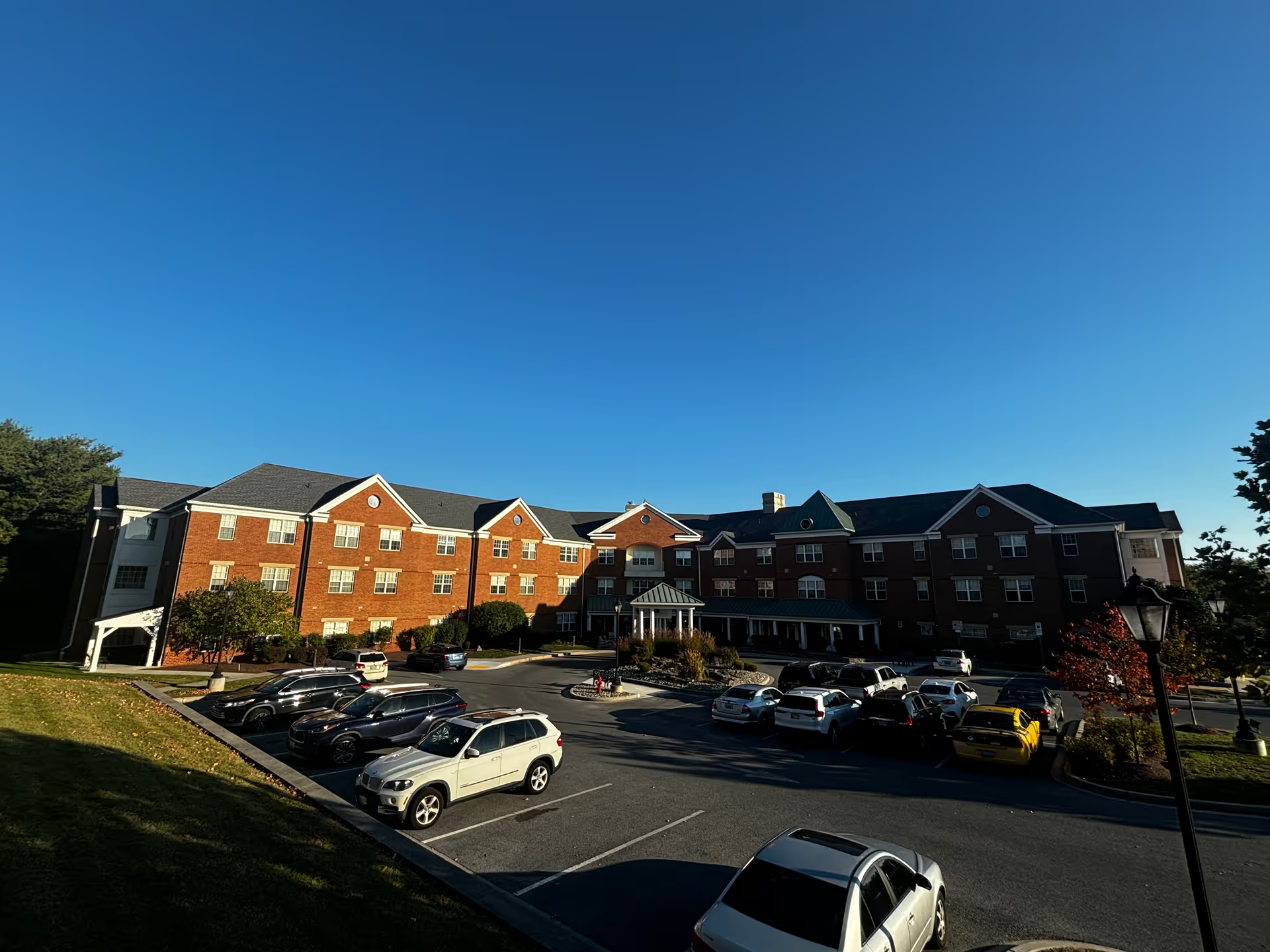
Facilities and safety: the building and public spaces are often described as clean and well-maintained, with positive mentions of private bathrooms and welcoming décor. At the same time, reviewers raised facility-level safety and supervision concerns—notably uneven supervision in outdoor areas during adverse conditions, and the need for routine maintenance work in some rooms. Infection-control practices and COVID handling were praised in some instances and criticized in others, indicating inconsistent application of protocols.
Management and administration present recurring operational challenges. Families noted lapses in interdepartmental communication, delayed or incomplete family updates, billing delays, and slow return of personal property. These issues, combined with variability in leadership responsiveness, leave some families feeling that quality assurance and follow-through need strengthening. Privacy and the handling of residents’ belongings were also raised as areas requiring clearer processes.
In summary, Glade Valley’s strengths are concentrated in its rehabilitation therapies, activities programming, many individual caregivers, and generally clean facility spaces. The principal areas for improvement are operational: staffing consistency, timely nursing responsiveness, standardized sanitation and incontinence-care practices, reliable medication and meal-service processes, and stronger administrative communication and follow-through. Prospective residents and families who prioritize rehabilitative therapy and an active activities schedule may find the facility well suited to their needs; those for whom continuous bedside nursing coverage, consistent meal service, or tightly managed infection-control and property procedures are paramount should seek specific, current assurances about staffing levels, protocols, and administrative practices prior to admission.