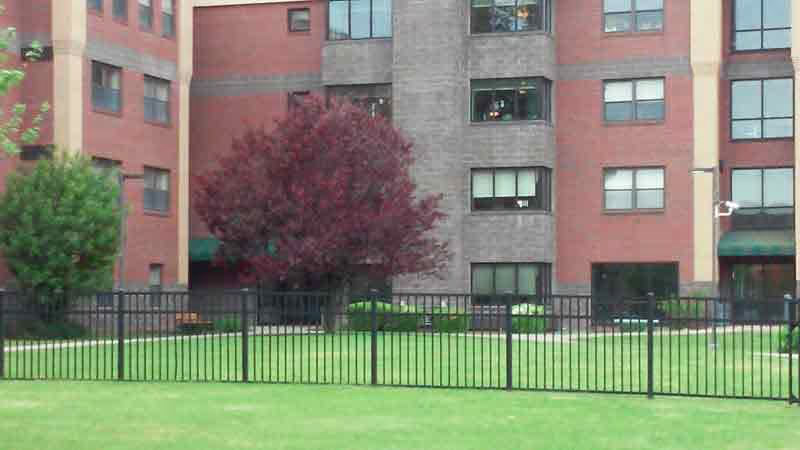
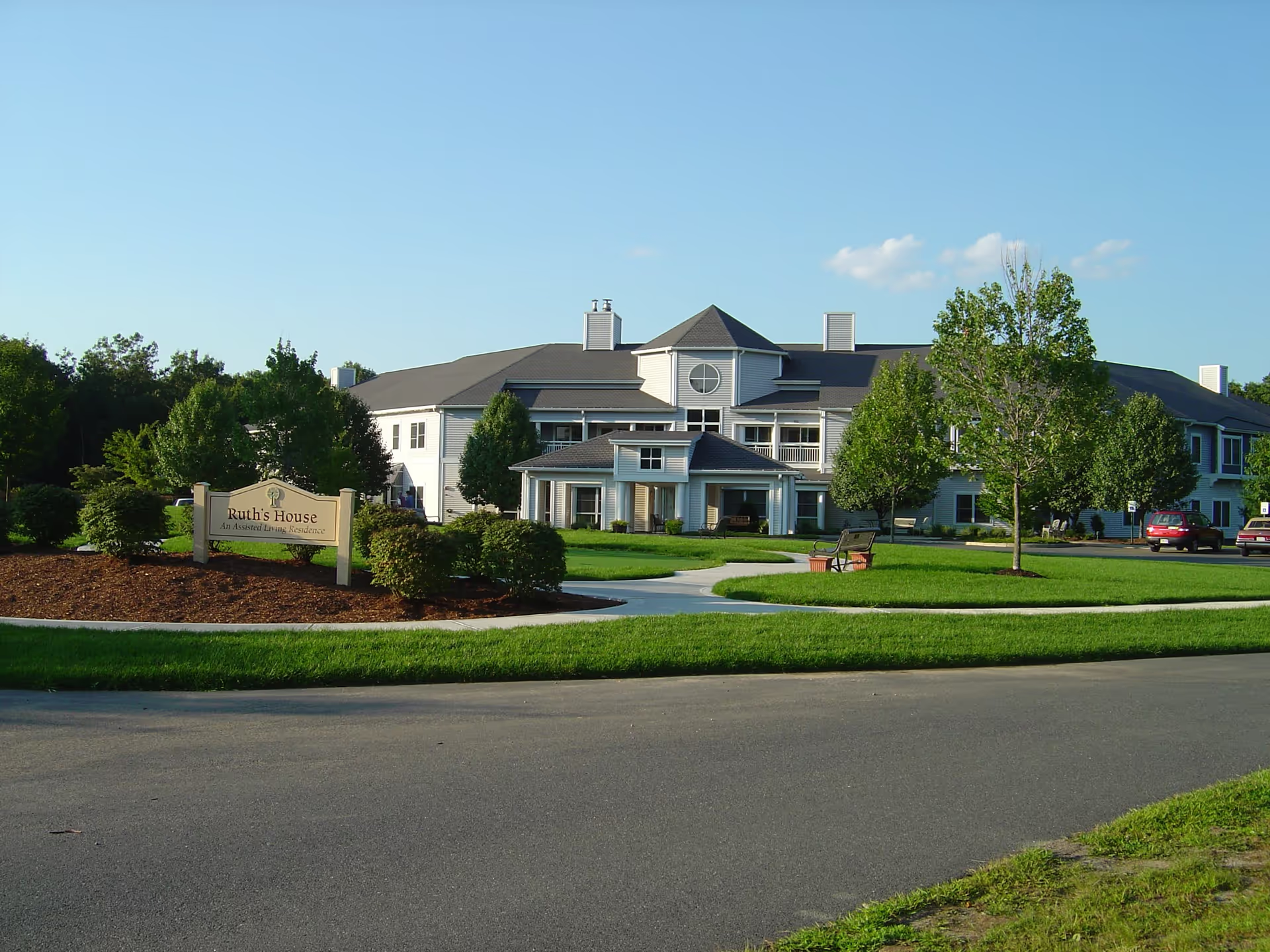
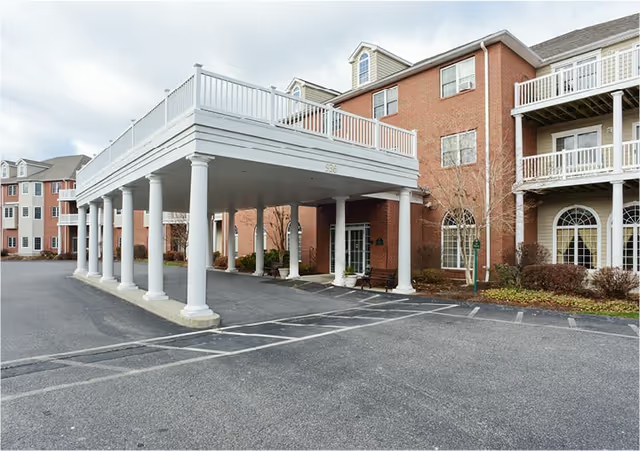
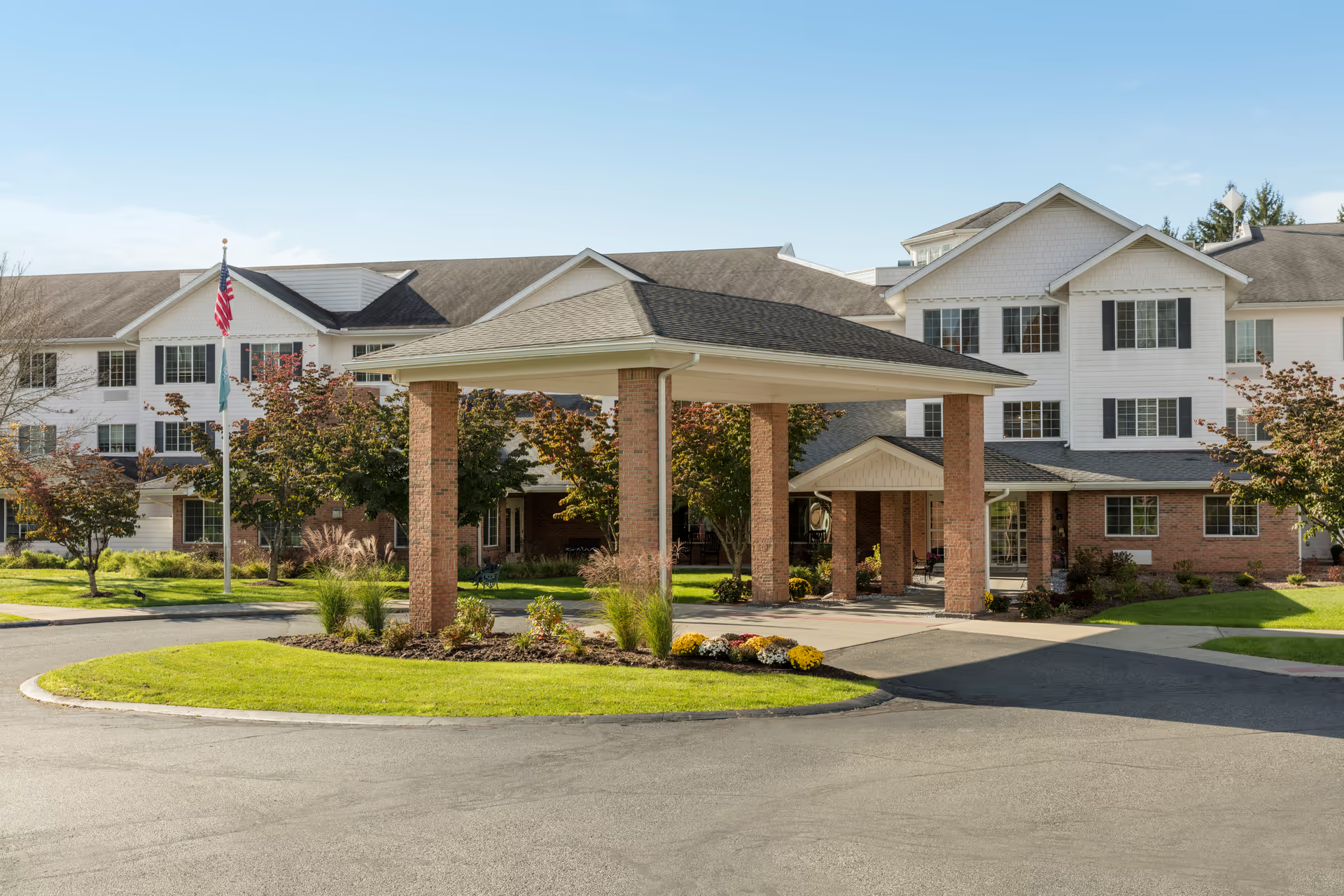
The reviews present a mixed but patternable picture of care at Agawam North Rehab and Nursing. Strengths are concentrated in rehabilitation services and in individual caregiver relationships: the facility repeatedly receives praise for its physical, occupational and respiratory therapy teams, and many families describe clear functional improvements after therapy. Housekeeping, maintenance, the facility’s grounds, and aspects of admissions (including an efficient electronic check-in) are frequently described as well managed. Many reviewers also emphasize compassionate, personable nursing and CNA staff, positive front-desk interactions, and a robust activity program that supports social engagement.
Clinical and operational weaknesses recur across reviews. Staffing consistency appears to be a central issue: high turnover and understaffing are linked to delayed personal care (bathing, nail care), inconsistent therapy coverage around mealtimes, and slower responses to family phone calls. Several narratives describe delays in medication administration and pain control, and there are multiple accounts suggesting gaps in transfer-safety and fall-prevention practices. These operational shortcomings are associated with more serious safety concerns in individual cases; one review uses the term allegation regarding a failure to initiate emergency services that preceded a hospital transfer. Even when care is timely and competent, variability in performance creates unpredictability for families.
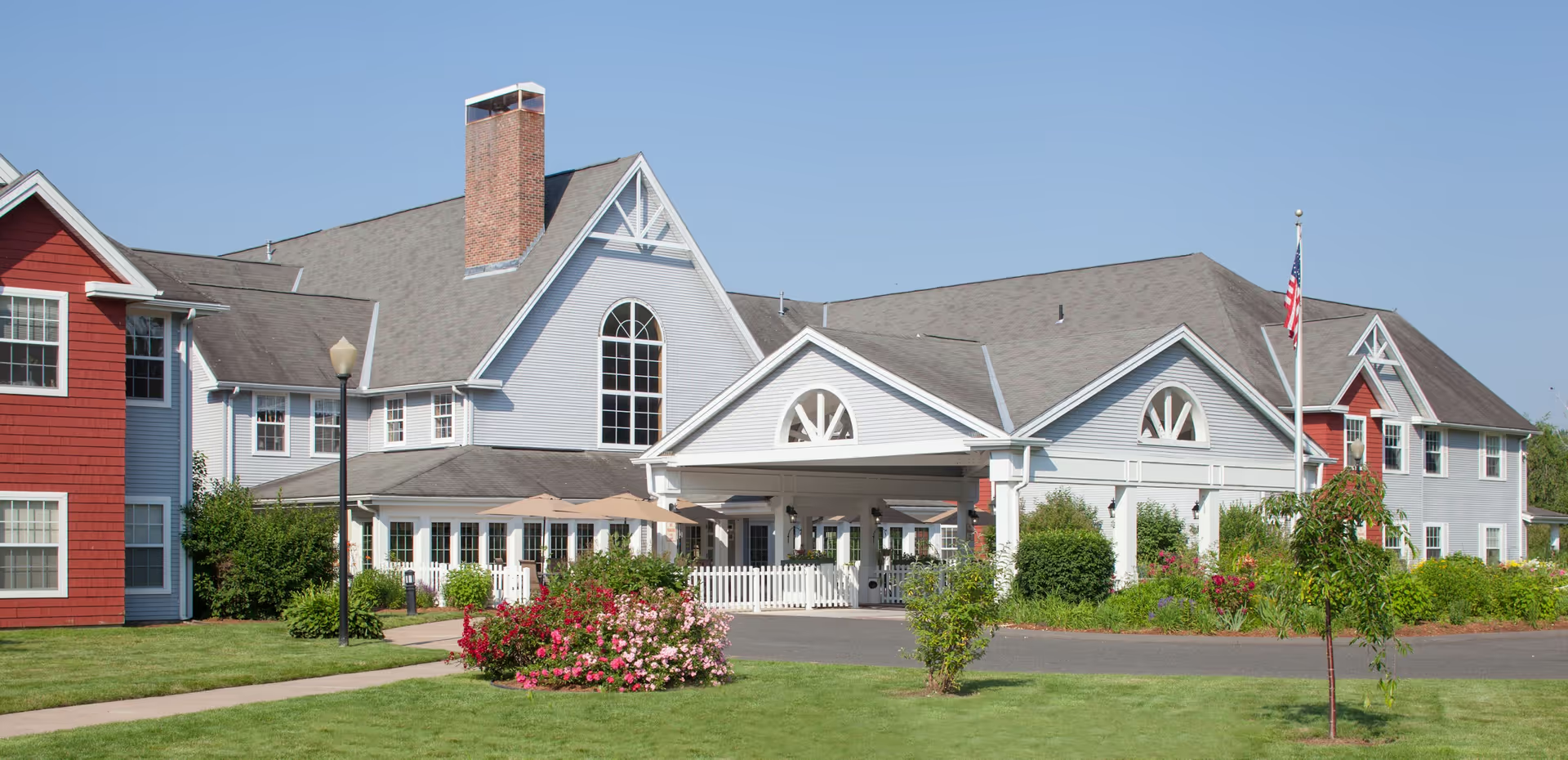
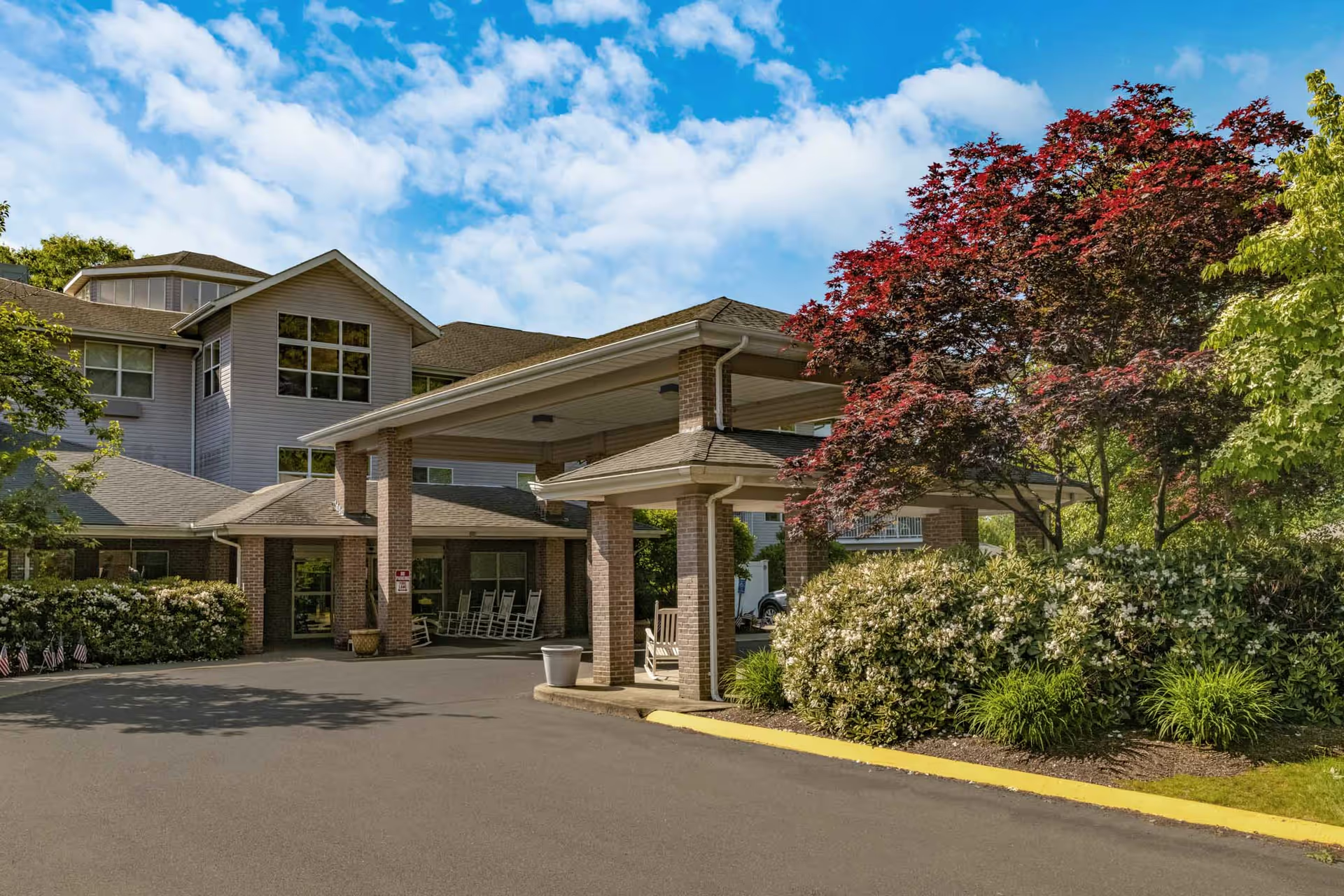
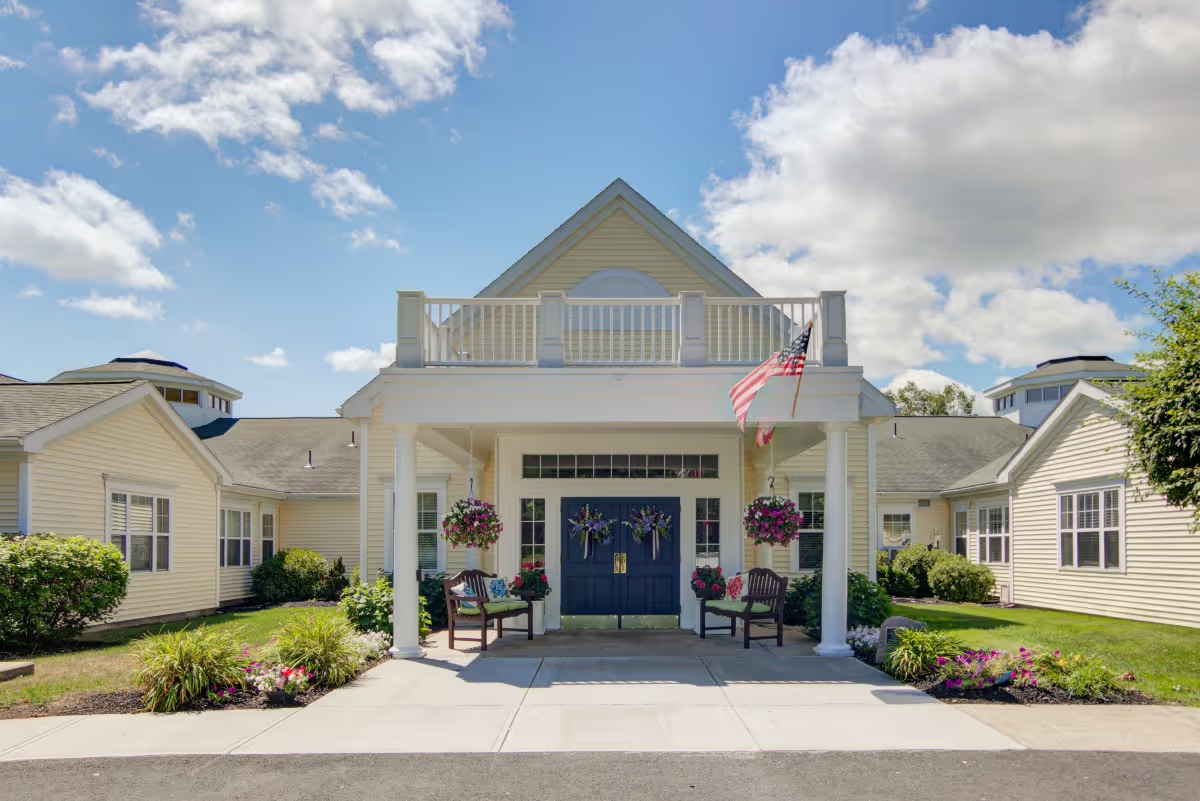
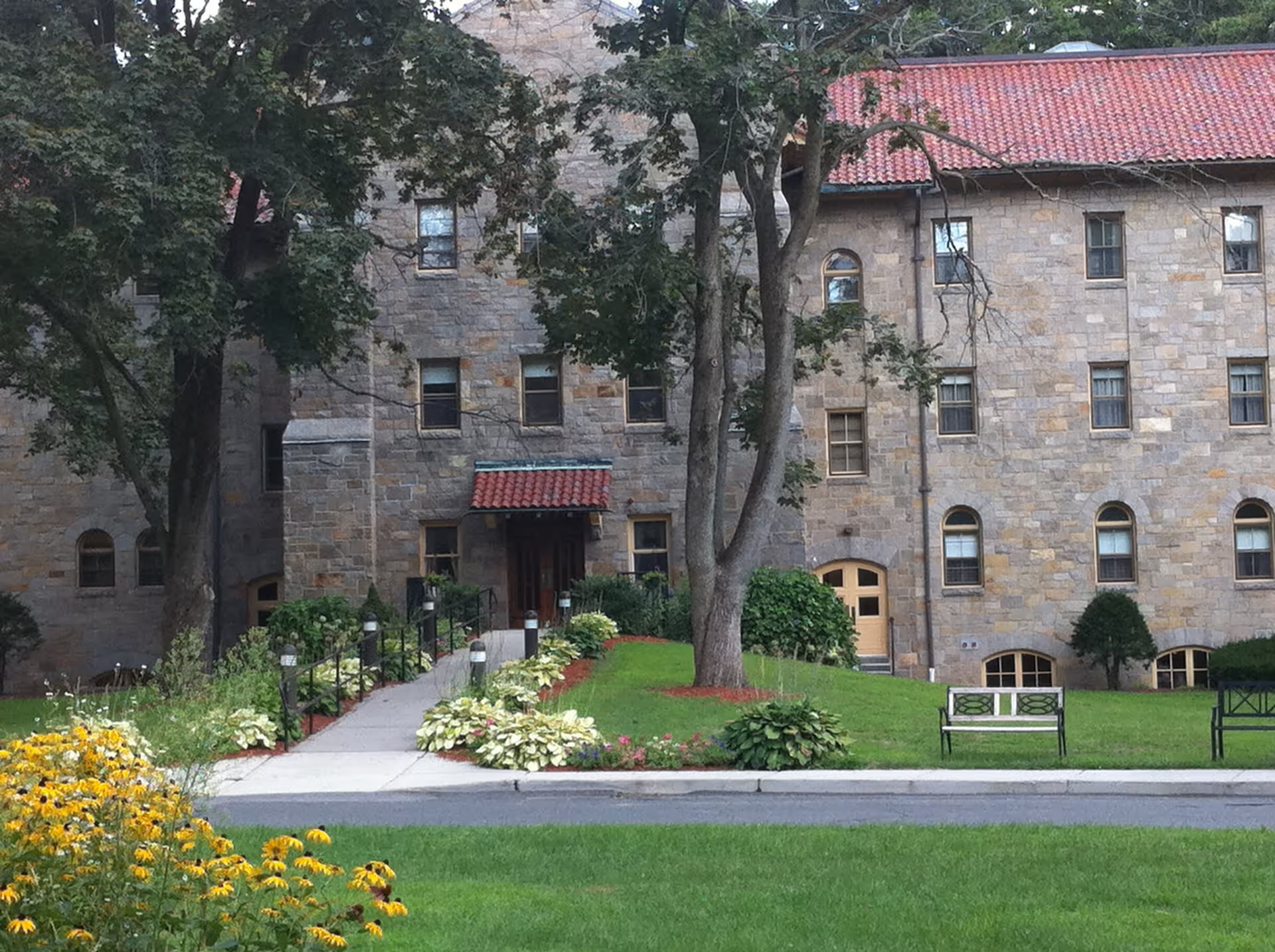
Dining and amenities receive mixed feedback. The facility is noted for accommodating dietary restrictions and for friendly dining staff, but several reviewers report limited meal choices and inconsistent culinary quality. Laundry and personal-property handling are also cited as problematic in a number of accounts—lost dentures, missing clothing, and changed phone numbers for staff contribute to frustration and the perception of weak property-management processes. Shared rooms and certain interior design choices are identified as limiting privacy for some residents, contrasting with positive comments about exterior appearance and grounds.
Management and communication are areas that prospective residents and families should evaluate closely. Positive comments acknowledge visible administrative effort and approachable therapy leadership; however, consistent themes include unreliable phone responsiveness, unanswered messages, and situations where families felt administration did not follow through on commitments. Activity offerings, friendly ancillary staff, and individual caregivers often mitigate these frustrations, but the pattern of uneven staff conduct and training means experiences can differ substantially between units, shifts, or individual staff members.
Bottom line: the facility demonstrates clear strengths in rehabilitation, individual caregiver relationships, cleanliness of public spaces, and social programming. At the same time, persistent operational weaknesses—particularly around staffing consistency, communication systems, medication-timing, property management, and emergency coordination—introduce variability in resident experience and safety. Families considering this facility should weigh the therapy and social strengths against these operational risks and ask targeted questions about staffing ratios, fall-prevention protocols, emergency procedures, property/laundry policies, and how the facility ensures consistent medication and personal-care delivery across shifts.