The Residence at Valley Farm is described consistently as a warm, community-oriented assisted living and memory-care provider with a notable emphasis on personalized, compassionate staffing. Families and residents frequently highlight staff who learn residents’ names and preferences, an engaged executive leadership presence, and a front-line team (reception, aides, activities staff) that is responsive and professional. Memory-care transitions are commonly described as seamless, and reviewers often praised the nursing team for attentive oversight and communication during care transitions.
Dining and engagement are clear strengths. The community is characterized by chef-prepared, restaurant-style meals, a variety of menu options and dietary accommodations, and flexible dining hours. Many reviewers described the food as a major positive, citing special events, homemade items, and a chef who proactively meets with families. Activities programming is broad and active—examples include exercise classes, arts and crafts, game and movie nights, guest speakers, day trips and frequent social opportunities—supported by a dedicated engagement director and an emphasis on socialization and cognition-preserving routines.
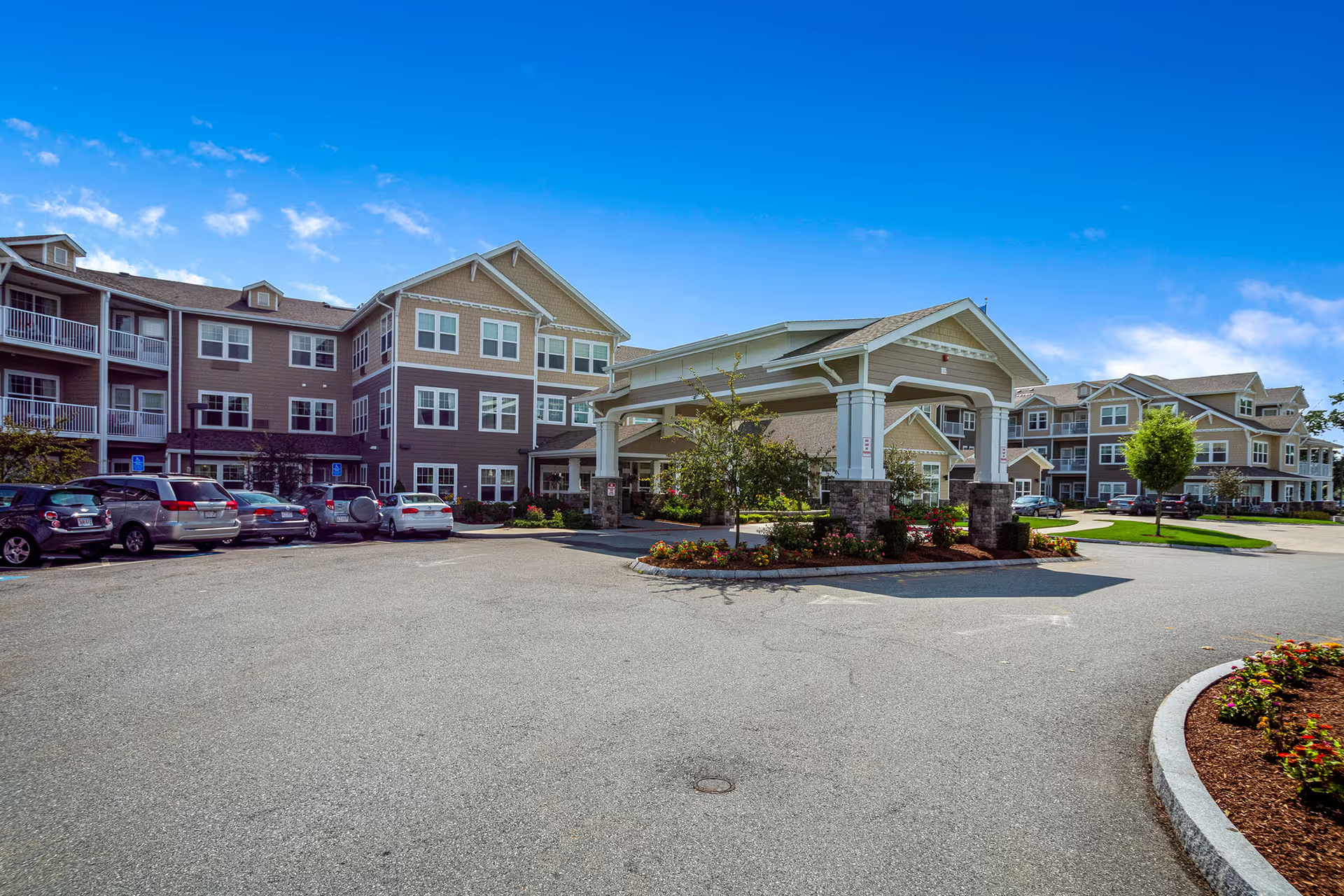
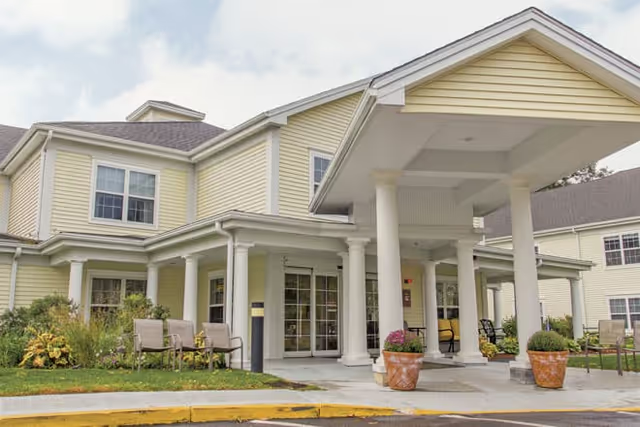
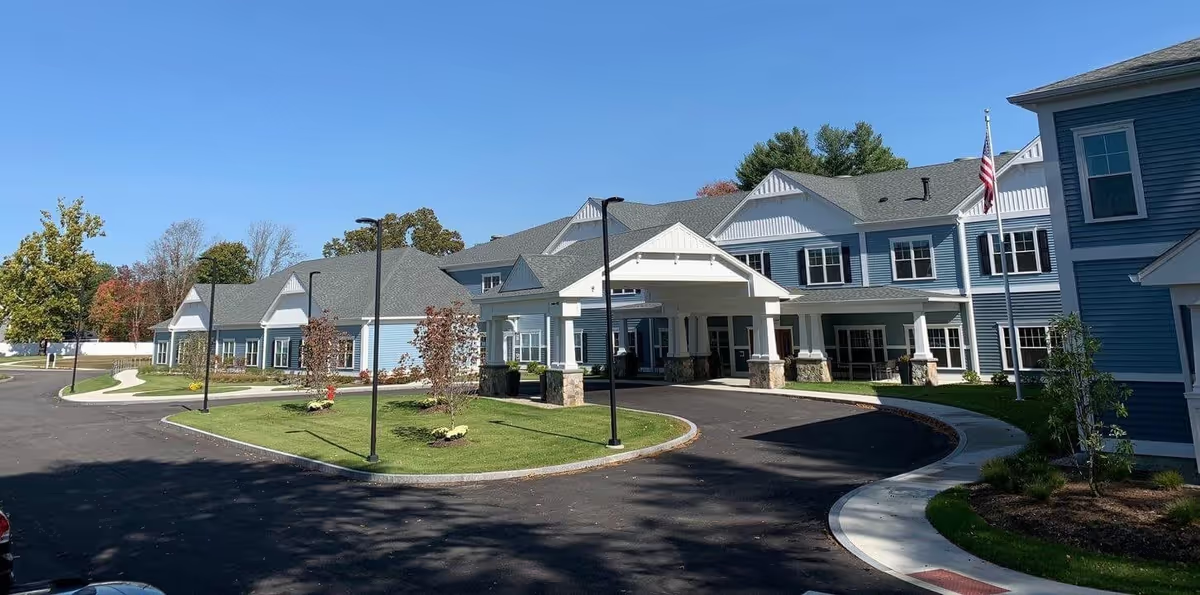
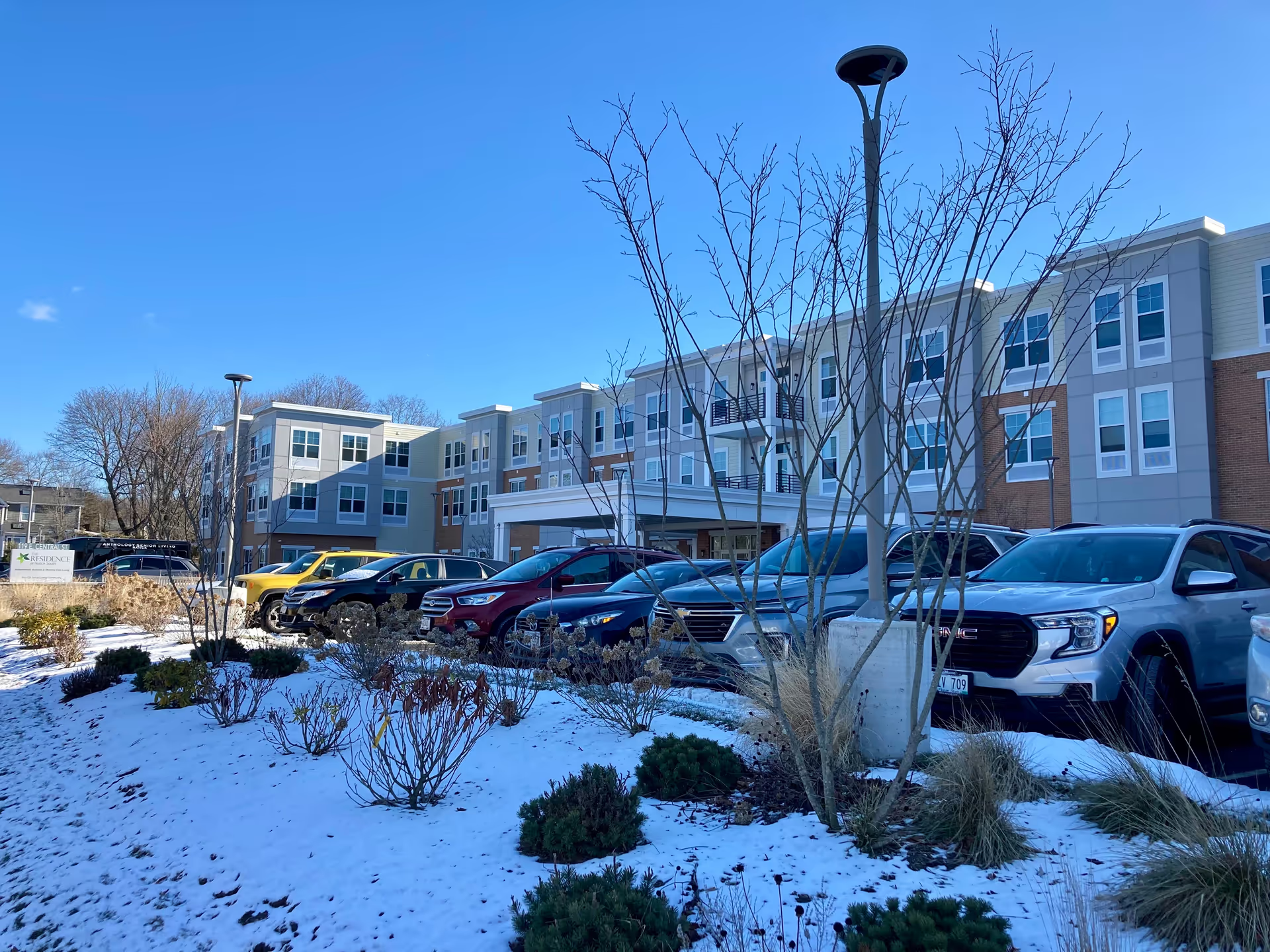
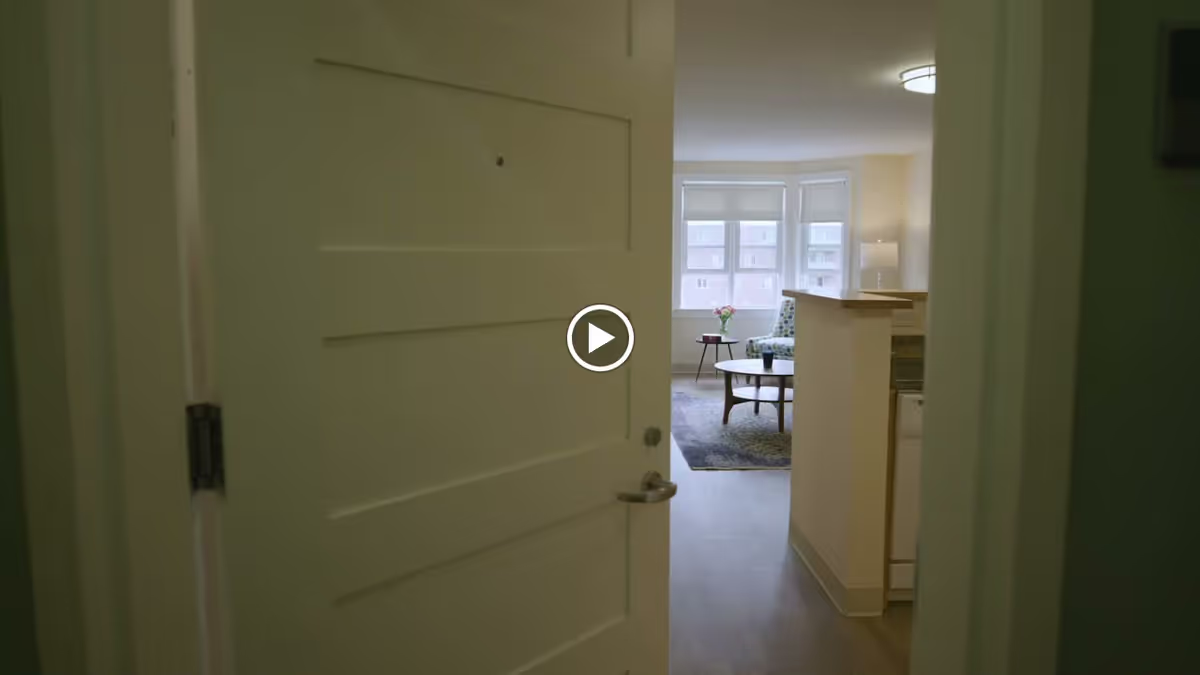
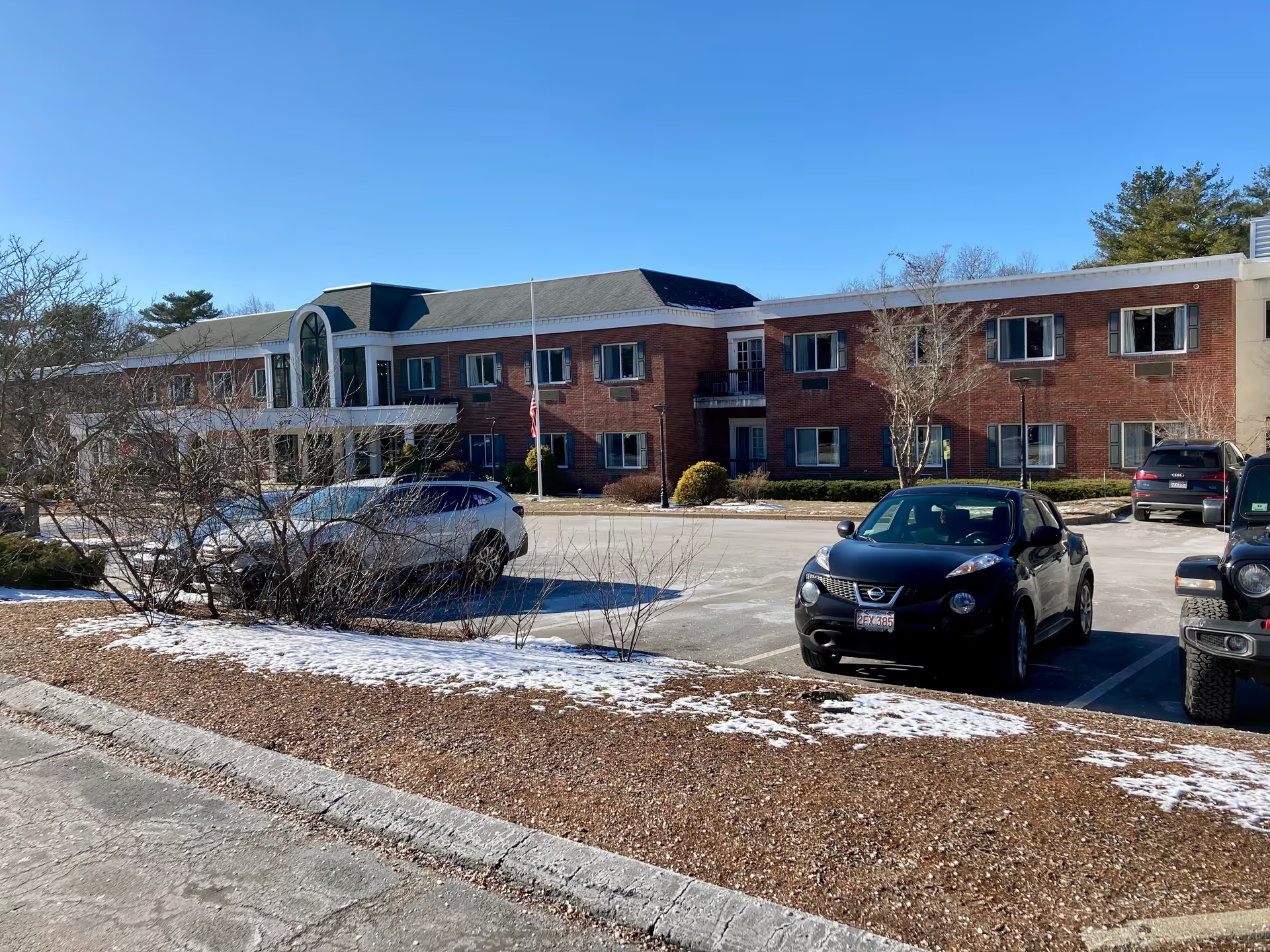
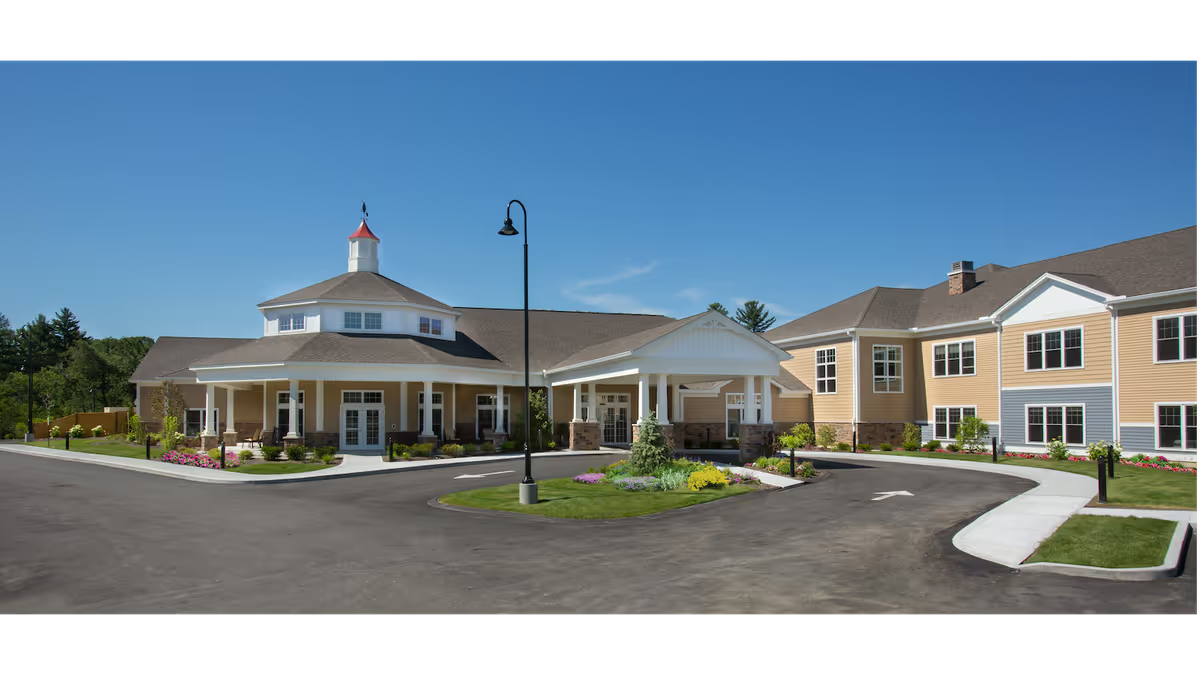
Facility upkeep, housekeeping, and grounds maintenance receive frequent praise: the building and apartments are described as clean, bright, and well-maintained, with multiple common spaces that support mingling and family visits. Several families also valued respite and short-stay options and the availability of furnished apartments with home-like amenities. Communication during infection-control events and case updates was generally described as transparent and timely by many families.
Despite these strengths, several operational patterns emerge as concerns. Staffing shortages or inconsistent staffing levels were noted and in a few instances were linked to family members stepping in for basic personal-care tasks. Relatedly, some families raised issues about personal-care scheduling (for example, bathing and dressing), and there are indications of occasional inconsistencies in medication and clinical-safety processes. While dining is widely praised, a subset of comments suggested the menu sometimes includes less-nutritious options and there could be more consistency in nutritional balance.
Administrative matters represent a separate area for prospective families to evaluate. A number of reviewers raised affordability concerns and expressed a desire for more flexible living options (such as roommate arrangements or lower-cost tiers). There were also isolated concerns about billing and deposit administration that suggest the facility’s financial processes and contract/return-of-deposit practices merit careful review during touring and lease discussions. Finally, visitation policies during infection-control periods were experienced as restrictive by some families, whereas others commended the facility’s transparency—this indicates that pandemic-related policy enforcement can feel inconsistent depending on individual circumstances.
Overall, The Residence at Valley Farm presents as a well-regarded community with strong people-focused care, engaging programming, and high-quality dining and facilities. Prospective residents and families should weigh those strengths against the operational items noted above by asking targeted questions during a tour: staffing ratios and contingency plans, specific medication-safety and clinical protocols, meal-planning and nutritional practices, billing and deposit procedures, and visitation policies under various infection-control scenarios. These checks will help determine whether the facility’s positive culture and services align with an individual’s needs and risk tolerance.