The reviews for Quabbin Valley Healthcare present a polarized picture: a substantial number of accounts praise the facility for compassionate caregiving, skilled therapy, and an active community environment, while a contrasting set of accounts identifies operational weaknesses that have direct impact on resident experience. Prospective residents and families should weigh both sets of observations and verify current conditions during an in-person visit.
Care and clinical services: Many reviews highlight attentive nurses and CNAs and effective rehabilitation services that produced positive outcomes. At the same time, reviewers described inconsistent clinical care across shifts, including delayed medications and concerns about medication handling and timing. There are also accounts of therapy that was perceived as insufficiently attentive to pain or prior instructions; some of those accounts reported subsequent clinical setbacks. A small number of reviews referenced concerns following a resident's death and raised questions about the facility's incident response and family communication in those situations.
Staffing and conduct: CNAs and frontline staff are frequently characterized as caring and dedicated, and several reviewers praised coordinated teamwork among nursing, therapy, kitchen, and maintenance departments. However, many reviews indicate chronic understaffing and high workloads for nursing assistants, leading to long waits for assistance and variable responsiveness. Separately, some accounts cite unprofessional staff conduct or inconsistent enforcement of staff policies, creating occasional tensions with families.
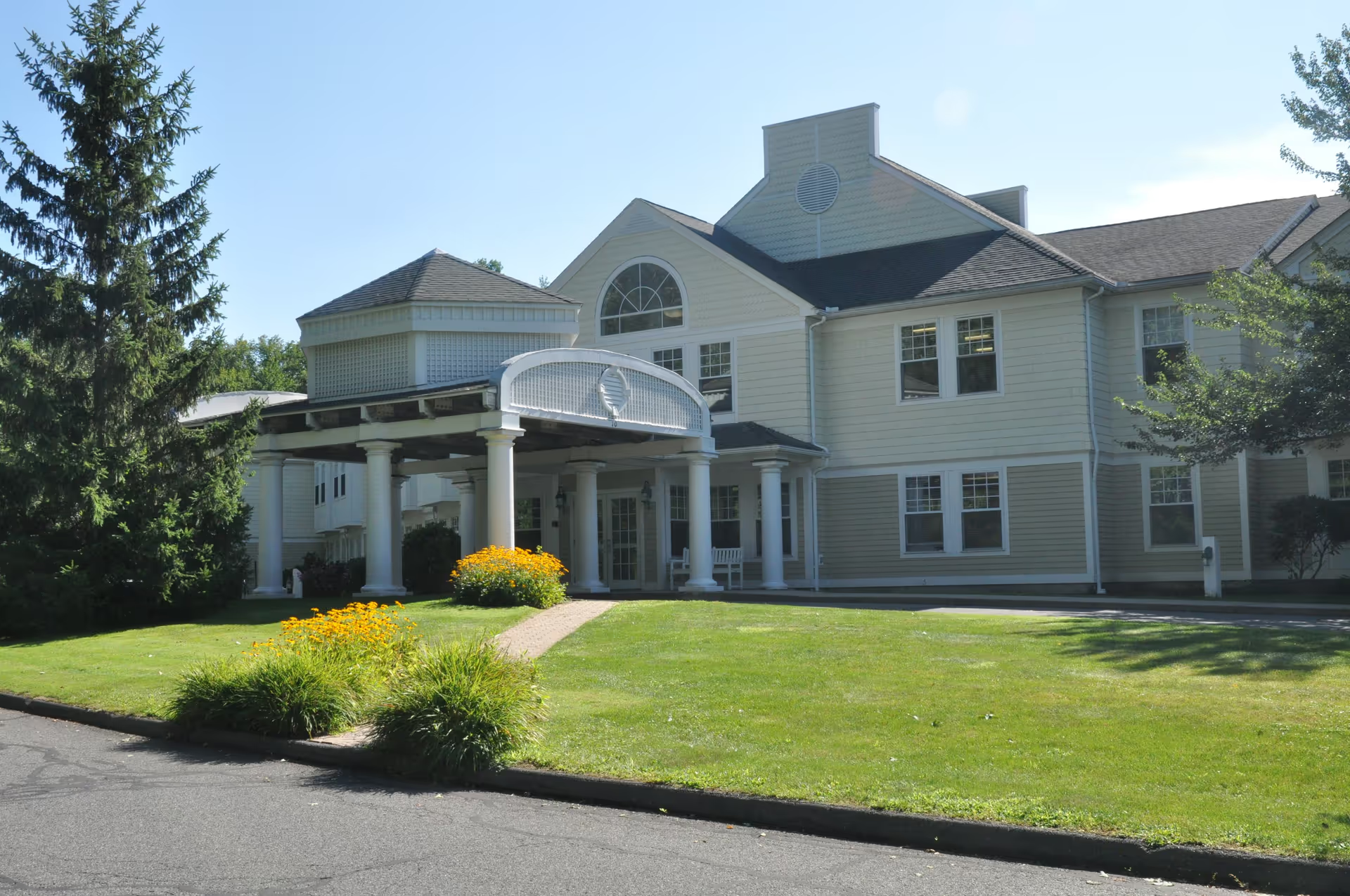
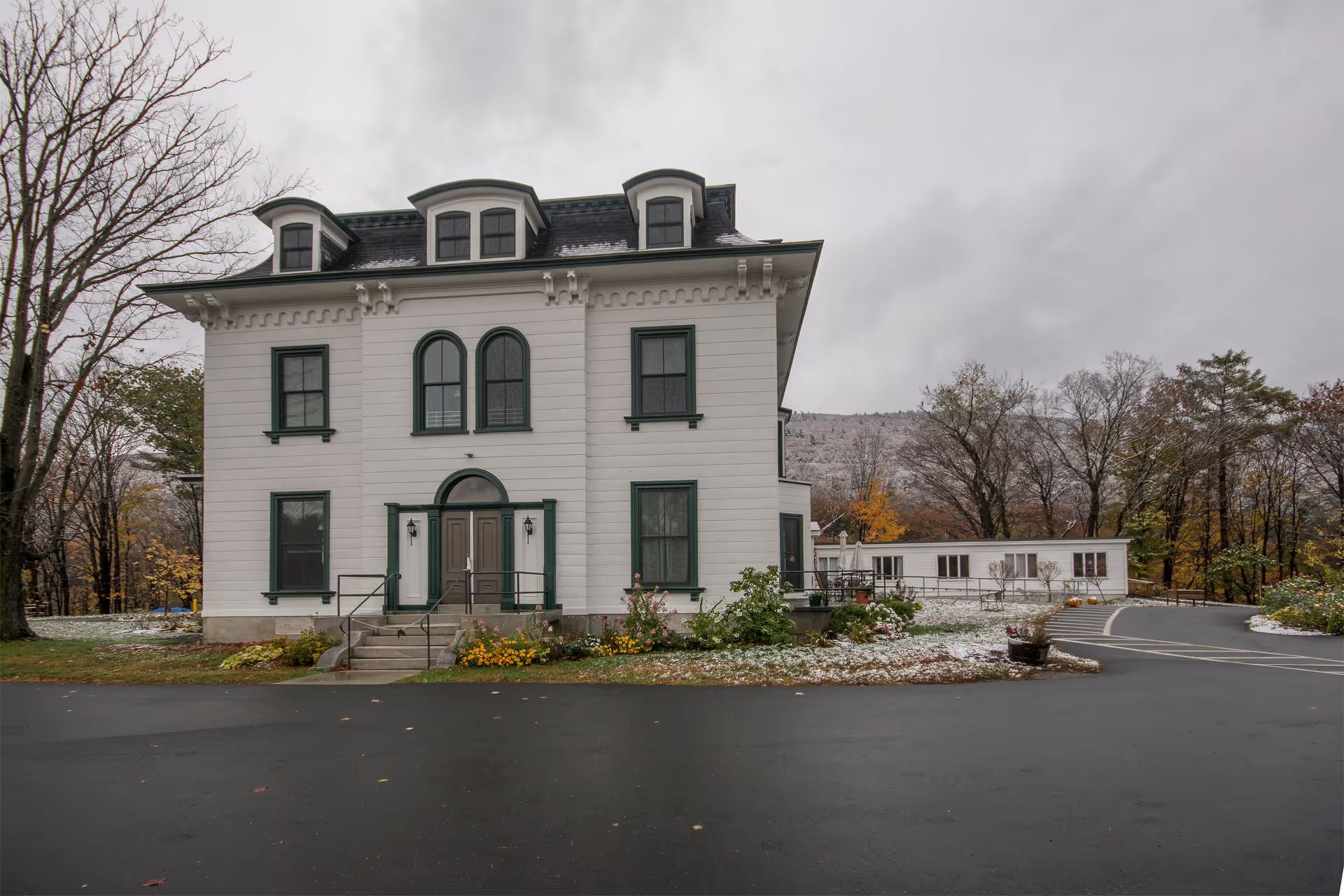
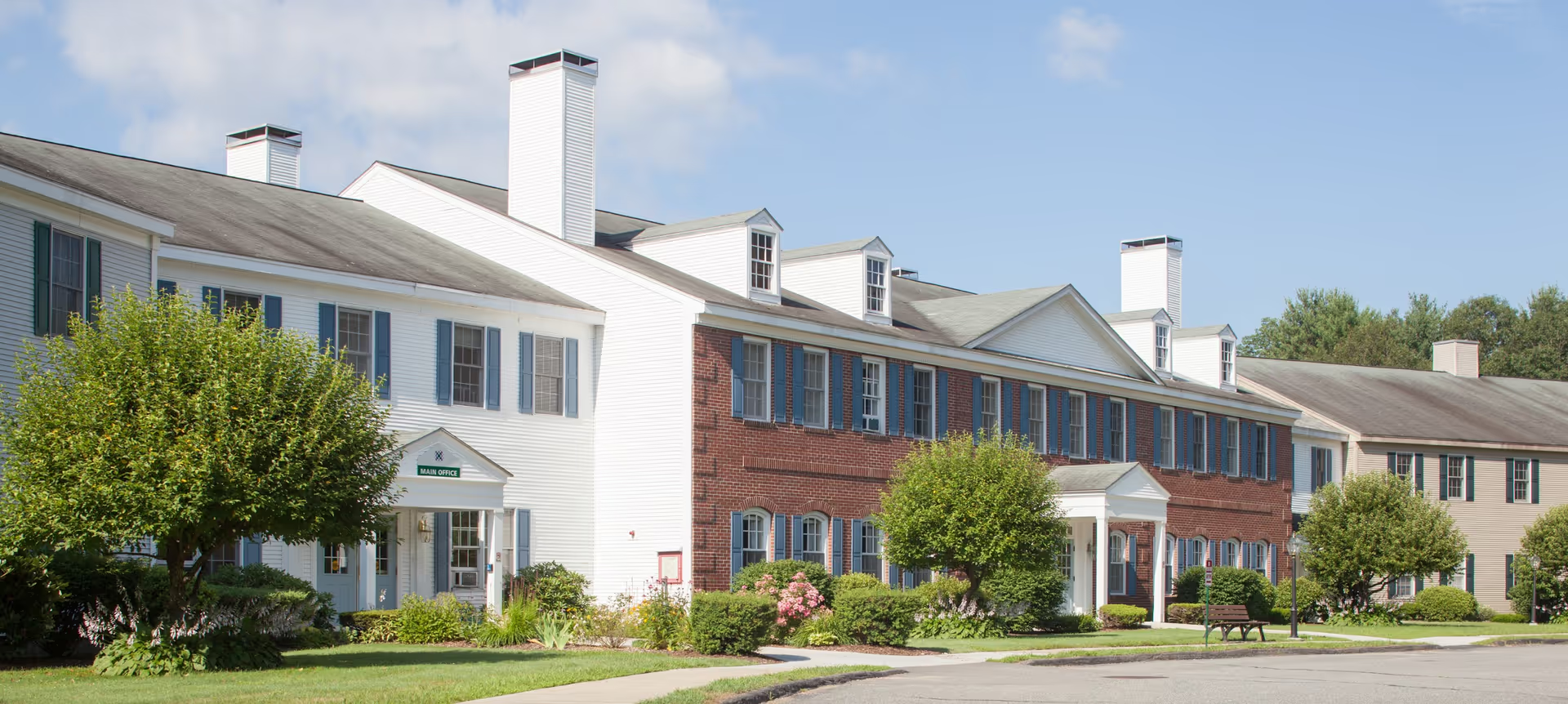
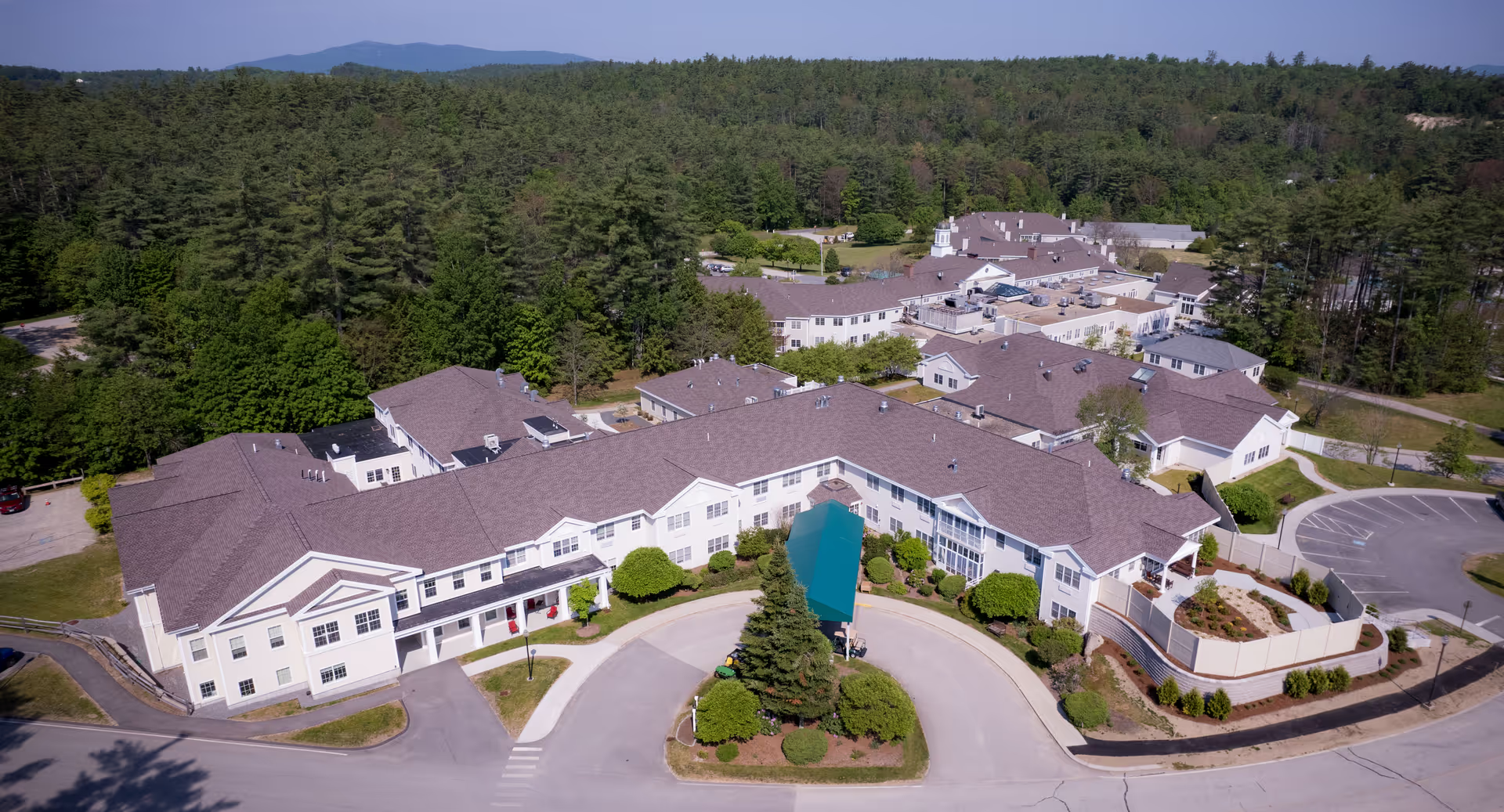
Dining, housekeeping, and facilities: Positive comments describe a clean, bright facility with pleasant common areas, attractive grounds, and an engaged activities program. Kitchen and maintenance staff receive praise in several reviews for meal quality and facility upkeep. Contrasting reports describe interruptions in meal service continuity (cold meals, use of disposable containers during equipment failures), limited menu options at times, shortages of basic dining supplies, and specific sanitation and housekeeping inconsistencies in resident rooms and bathrooms. There are also isolated pest-control concerns noted.
Activities and community life: Many reviewers describe a robust activities schedule, individualized programming, birthday and social events, and a family-like atmosphere that supports social engagement. Other reviews, however, report limited or inconsistent activity availability and restricted outdoor access, suggesting variability in how programming is delivered or staffed.
Management and communication: Assessments of leadership are mixed. Several reviewers praised visible, effective administration and an organized interdisciplinary approach. Other reviews raise concerns about management communication, difficulty contacting staff by phone, limited access for family conversations in some cases, and inconsistent responsiveness to complaints. These differences point to variability in managerial performance over time or between units.
Notable patterns and guidance: The overall pattern is one of strong staff dedication and meaningful positive experiences for many residents, coupled with recurring operational issues—especially staffing levels, response times, medication/timing practices, and occasional sanitation lapses—that can materially affect care. When evaluating this facility, families should ask about current staffing ratios, medication administration protocols, therapy scheduling and oversight, recent housekeeping and pest-control measures, procedures for family communication and incident response, and opportunities to observe meal service and activities firsthand.