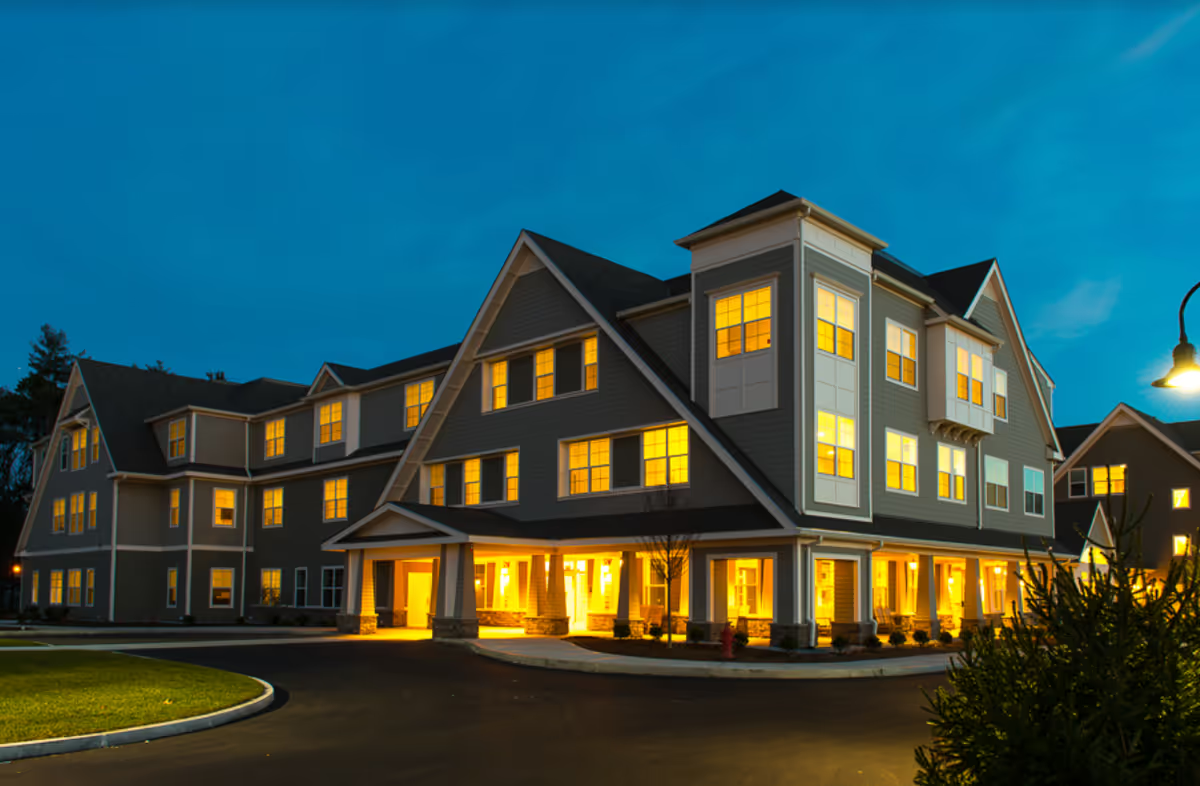
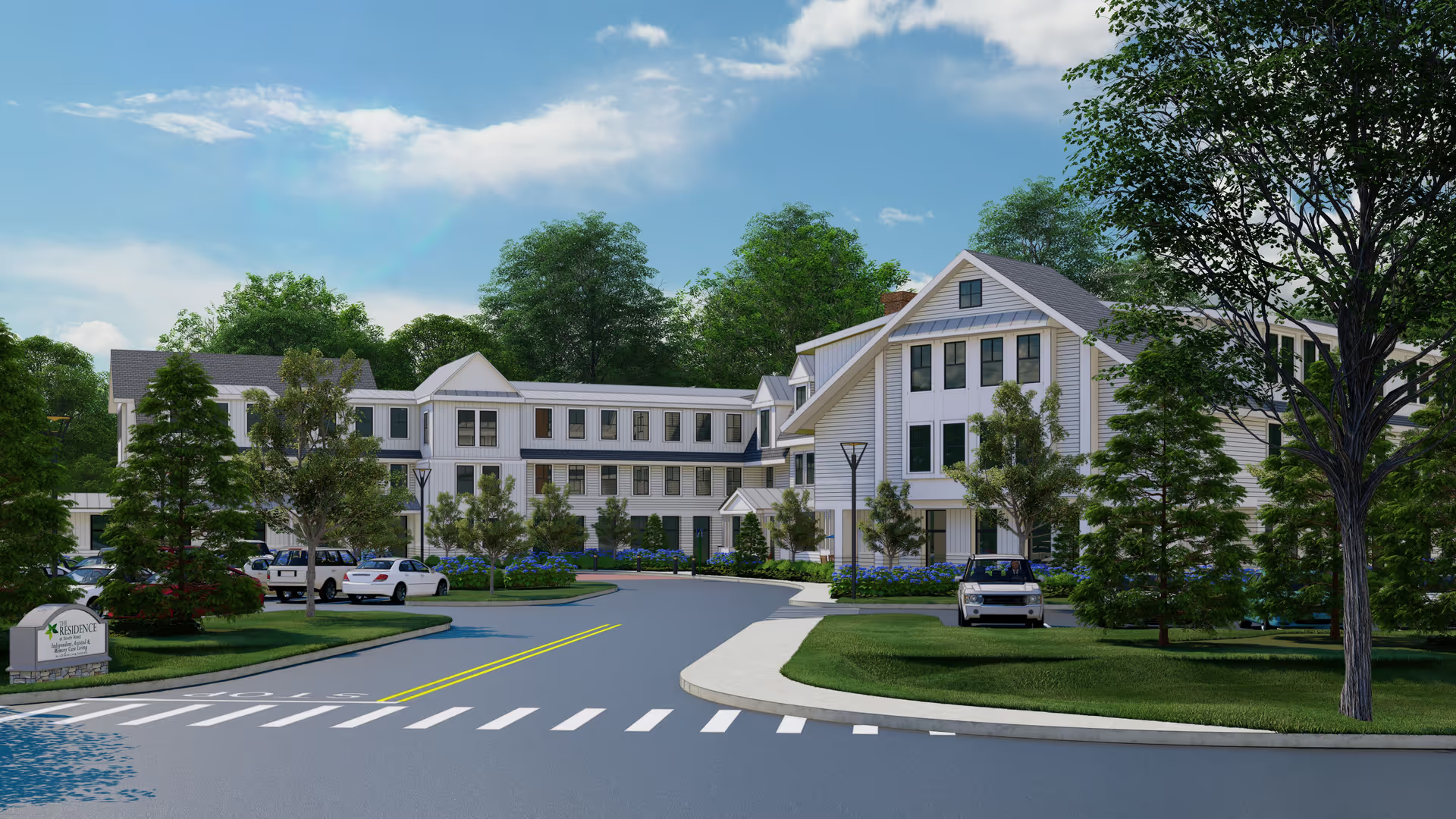
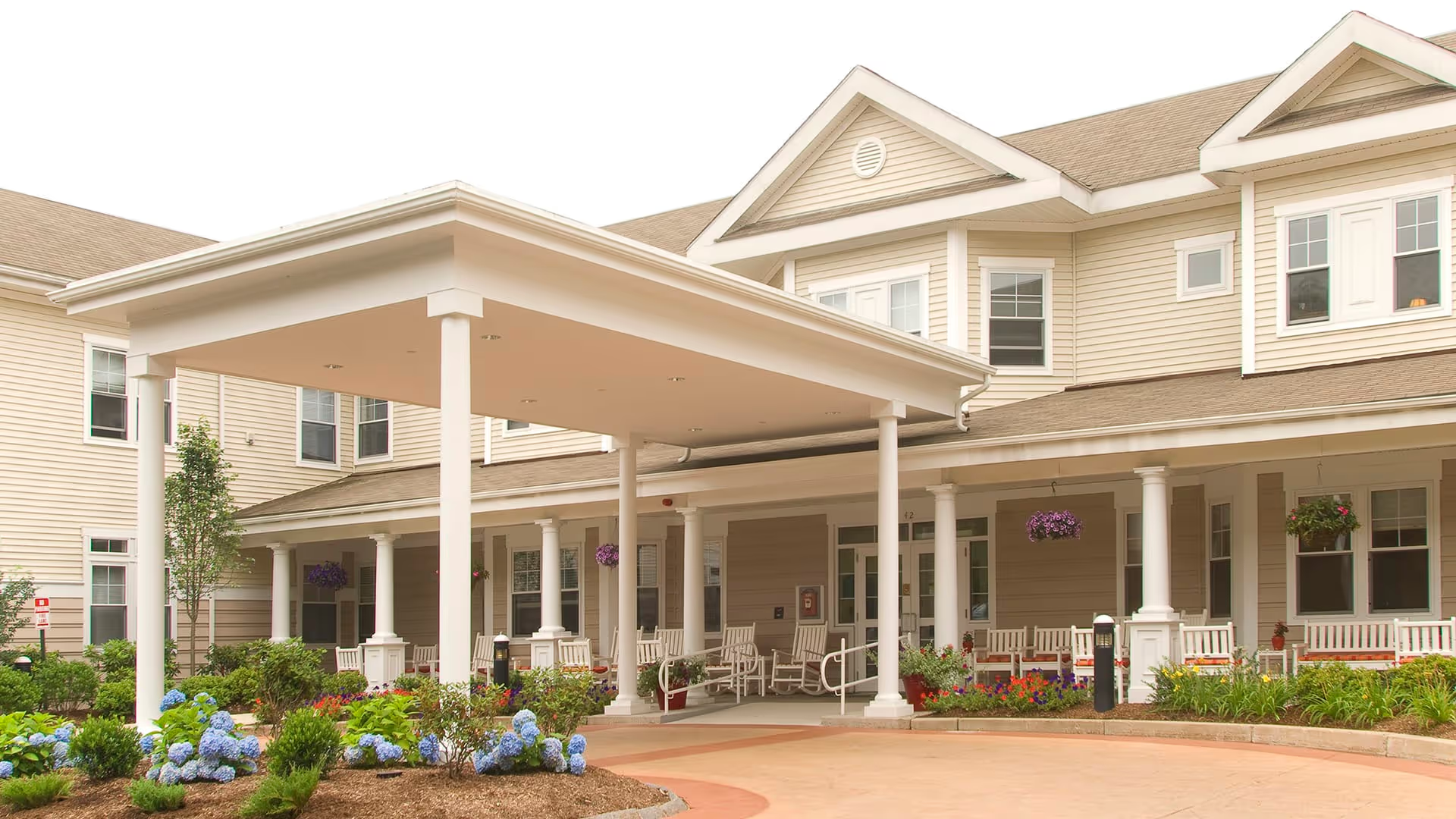
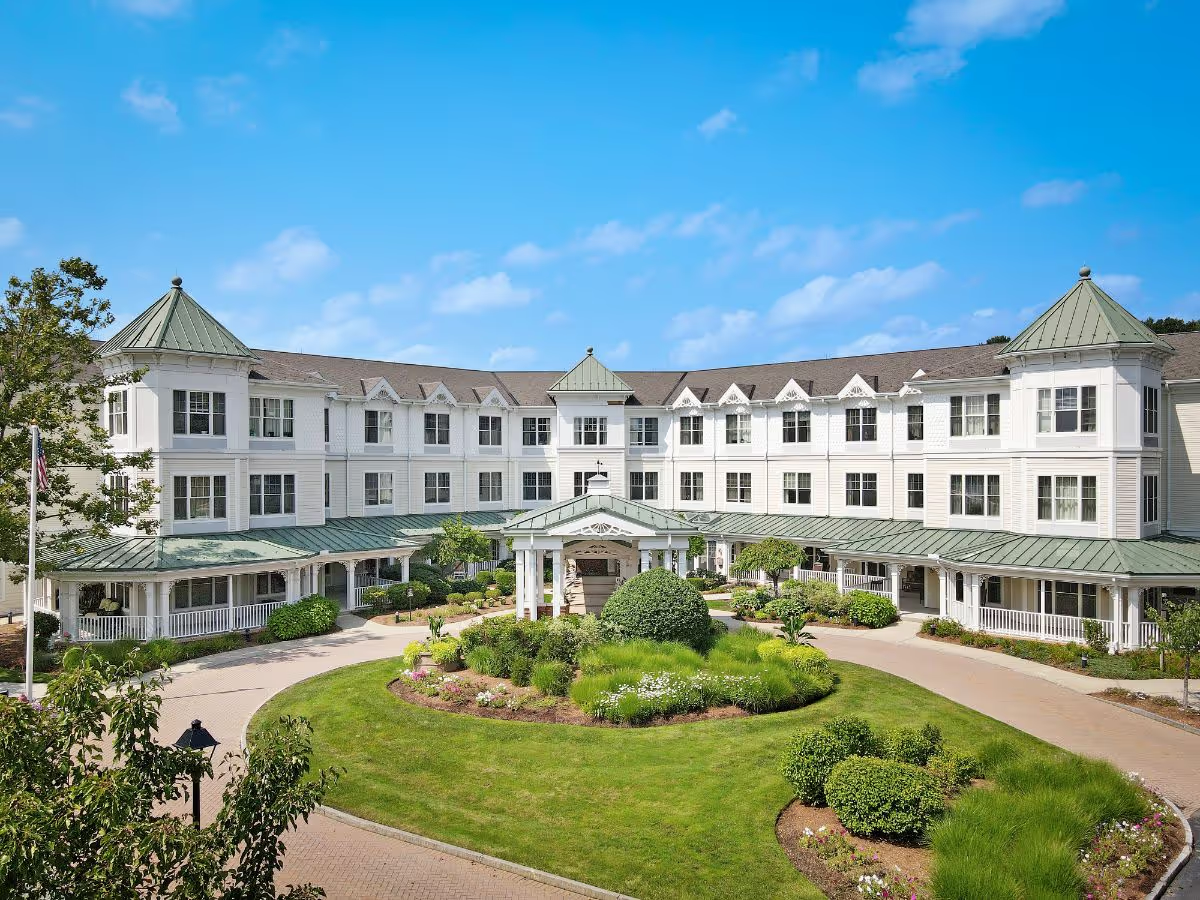
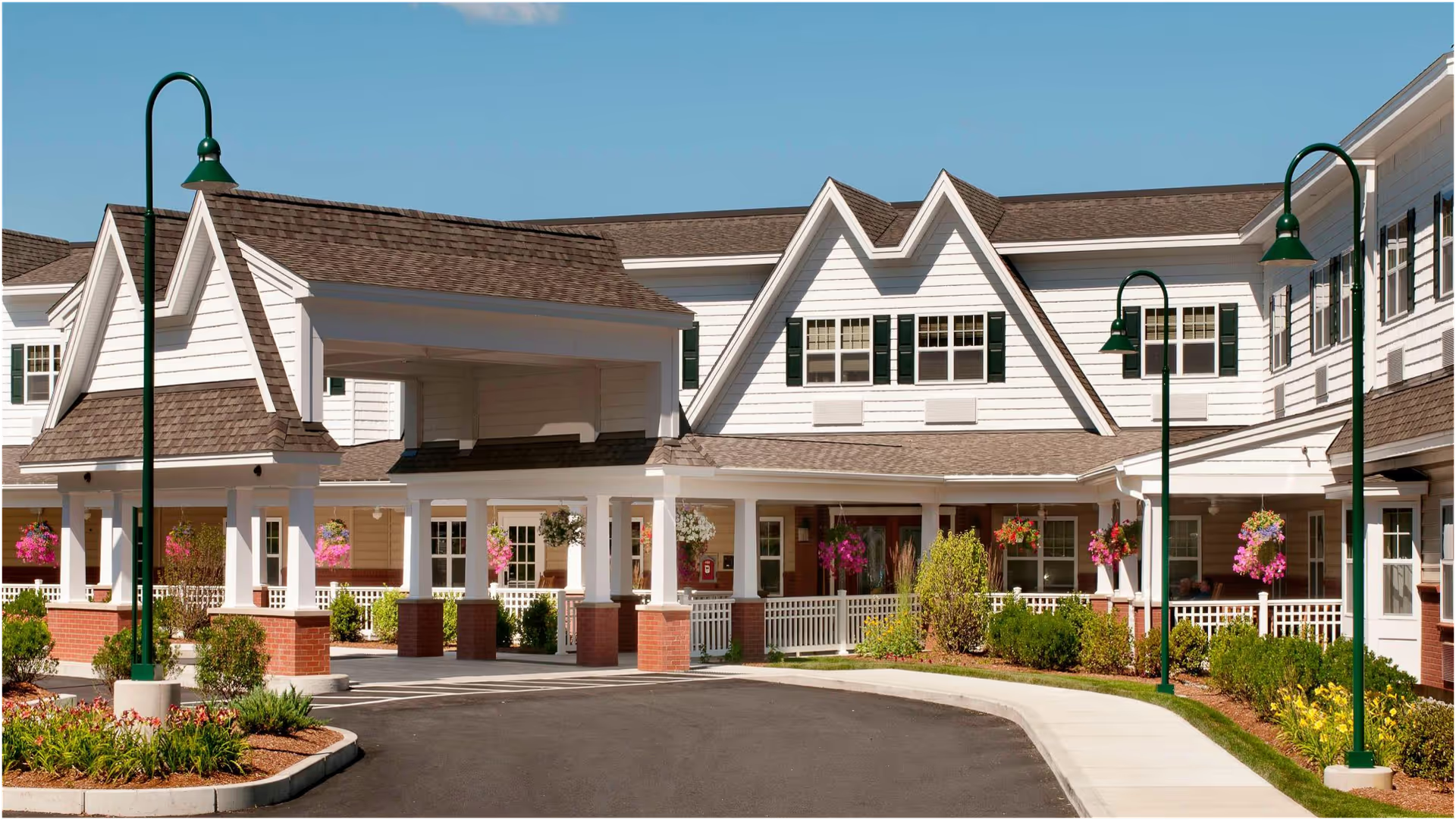
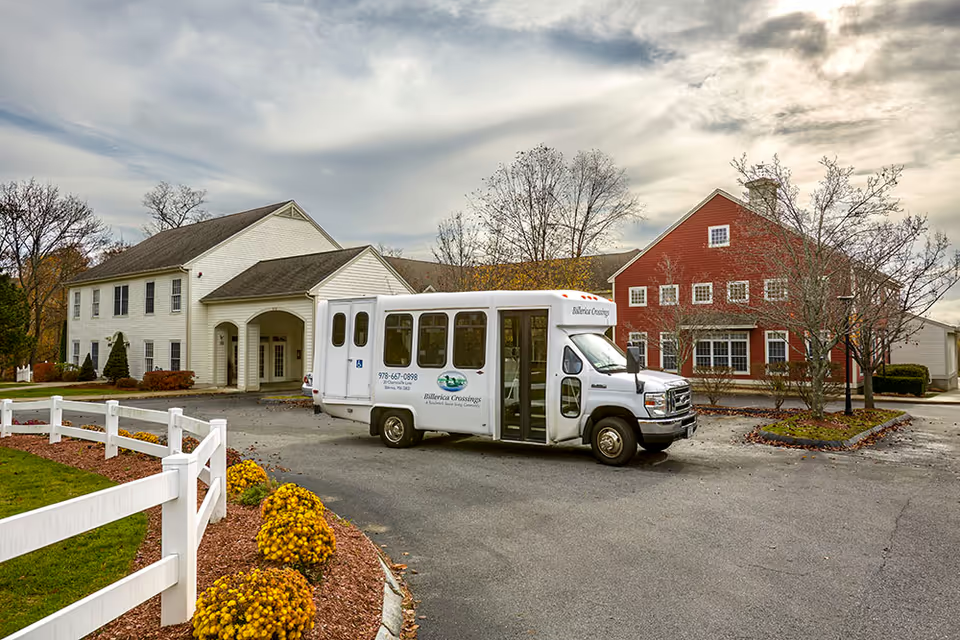
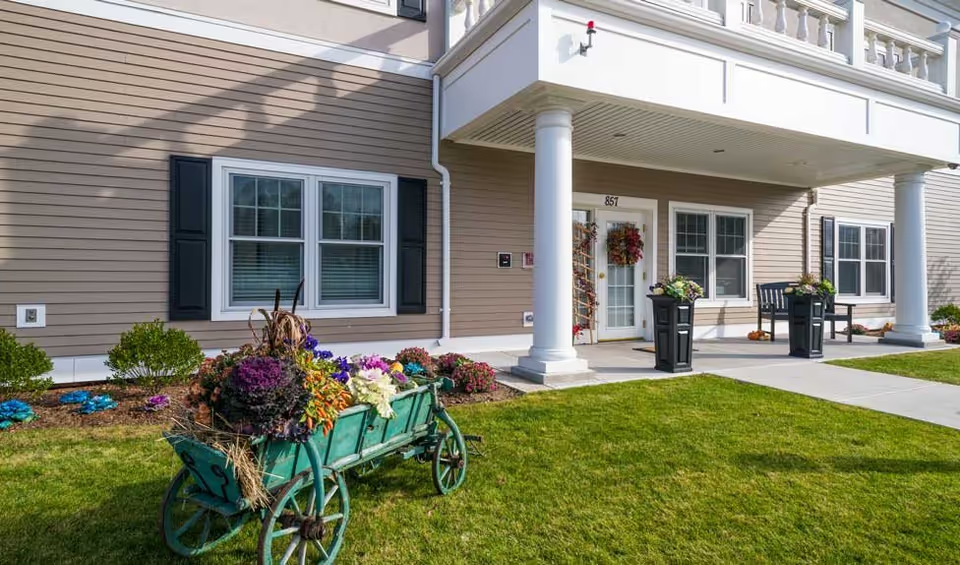
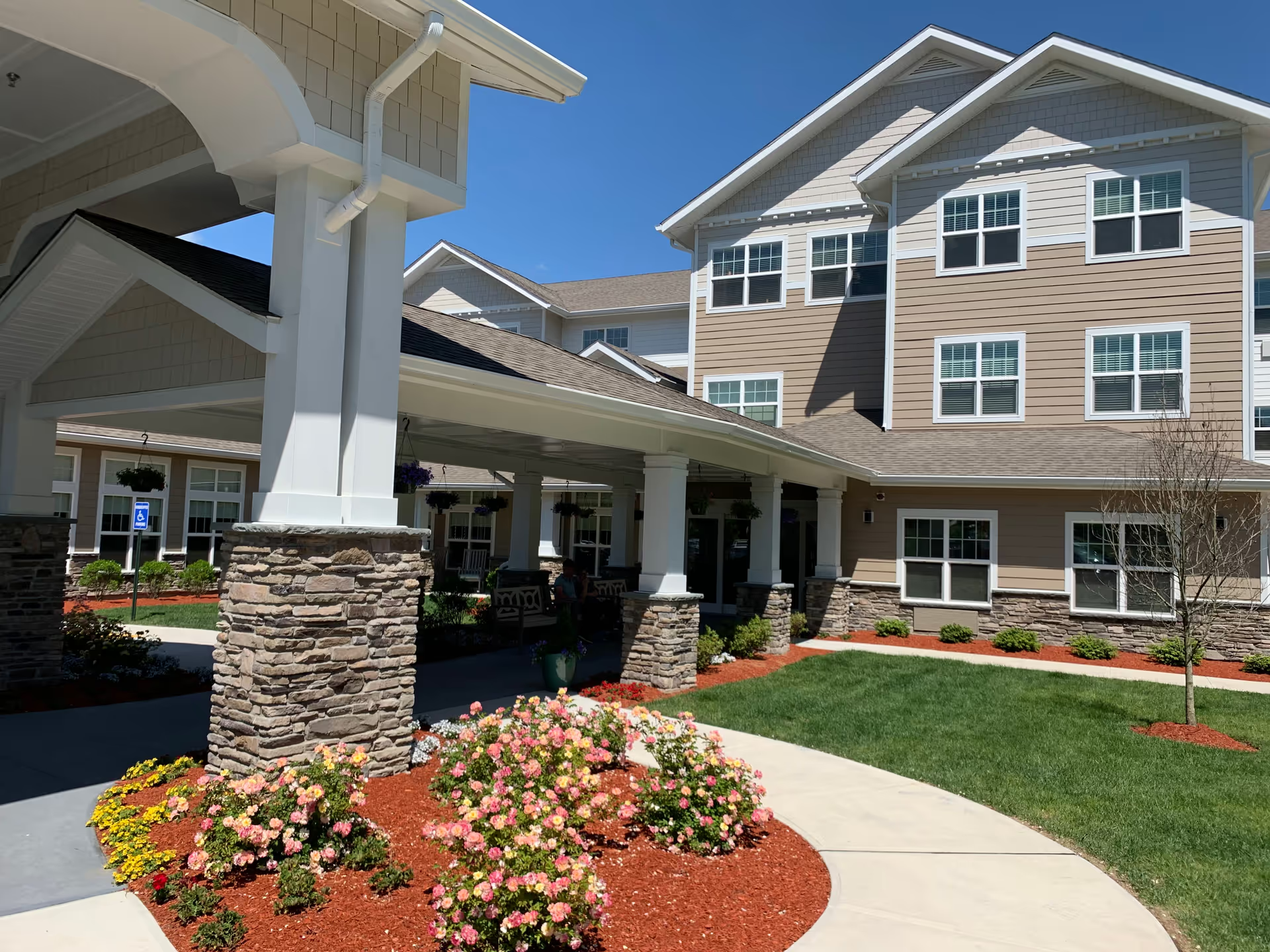
Carleton-Willard Village presents as a full-spectrum continuing-care community with a village-like campus and a broad range of on-site amenities. Reviewers consistently highlight attractive, well-kept grounds (including gardens, pond and walking paths), comfortable rooms and residence types (apartments and townhouses), and a variety of communal spaces such as a library, dining areas, salon, piano and computer facilities. The property-level features and strong arts and activities calendar are recurring strengths; community events, outings, creative groups, and memory-care programming contribute to an active social environment.
Care and staffing receive mixed but specific feedback. Many families describe compassionate, attentive staff, personalized attention, dignity in resident treatment, and prompt responsiveness from leadership. Memory-care residents are frequently noted as engaged and well-supported, with access to garden areas and individualized dining. At the same time, other accounts raise concerns about inconsistency in clinical care and responsiveness, particularly in certain nursing-unit contexts. Reviewers cite examples that suggest variability in staffing levels and in how clinical needs are managed; there are also concerns described about medication-management practices for behavioral symptoms. Prospective residents should therefore evaluate current staffing ratios, supervisory structures, and medication protocols during a tour.
Dining and activities are generally praised but not uniformly so. Several reviewers compliment the food, dining rooms, and personalized dining for residents in memory care, while isolated comments indicate service or dining-district issues. The activity program is a clear strength: scheduled options range from crafts, music, and games to outings and seasonal events, which families often cite as supporting residents’ quality of life.
Operational and financial considerations merit careful review. The community operates on a lifecare/continuing-care financial model with a substantial buy-in; reviewers note both the benefit of the continuum and concerns about the entrance-fee structure, including a buy-in-related value adjustment that can affect refunds or returns. Management impressions vary: some families praise long-tenured leadership and engaged administration, while others describe inconsistent management performance and unit-level operational shortcomings. Cleanliness is reported as excellent in many areas, but variability across units is noted in a few accounts. The community also maintains high demand and a long waitlist, which can limit immediate availability.
In sum, Carleton-Willard Village offers many attributes sought in a continuing-care community—well-maintained grounds, wide programming, on-site amenities, and many examples of attentive, long-tenured staff. However, reviewers also describe operational variability (staffing consistency, clinical-care practices, dining service, and unit-level sanitation) and financial terms that require careful contract review. Families touring the campus should verify current staffing levels, ask for specifics about medication-management and behavioral-care protocols, review cleaning schedules and inspection practices, and obtain a clear explanation of entrance-fee terms and any buy-in value adjustments before making a commitment.