Atria Longmeadow Place is consistently described as a well-appointed assisted-living community with particular strengths in staffing, dining, activities, and grounds. Reviewers emphasize a stable, long-tenured caregiving team that is described as compassionate, attentive, and familiar with residents by name; staff cohesion and retention are recurring themes. Nursing and aide teams are characterized as punctual with medications and responsive to family communication. Management and sales staff are frequently noted as approachable during tours and move-in transitions, and the community's COVID protocols and infection-control measures were described as vigilant.
Care and clinical supports are generally presented as reliable and family-centered. The facility offers a secured memory-care unit with structured programming and a separate dining area, plus staff who encourage participation. Reviewers highlight proactive involvement from nurses and unit aides, good transition support to higher-acuity settings, and accessible design features that facilitate mobility. A few comments indicate limited flexibility in some care-package arrangements and occasional delays reaching administrative staff, which prospective families should clarify during the admissions conversation.
Dining and activities are major selling points. The dining program is often described as restaurant-style with varied menus, responsive dietary staff, and chef-prepared selections; however, reviewers also noted occasional variability in portion sizes and periodic short-handedness among wait staff. The activities calendar is robust and diverse — daily offerings include arts and crafts, exercise, yoga, music, movie nights, book clubs, and frequent off-site excursions tailored to resident interests. Organized transportation and an activity-scheduling app are in place, though transportation capacity can be constrained by limited vehicle availability and signup limits for outings.
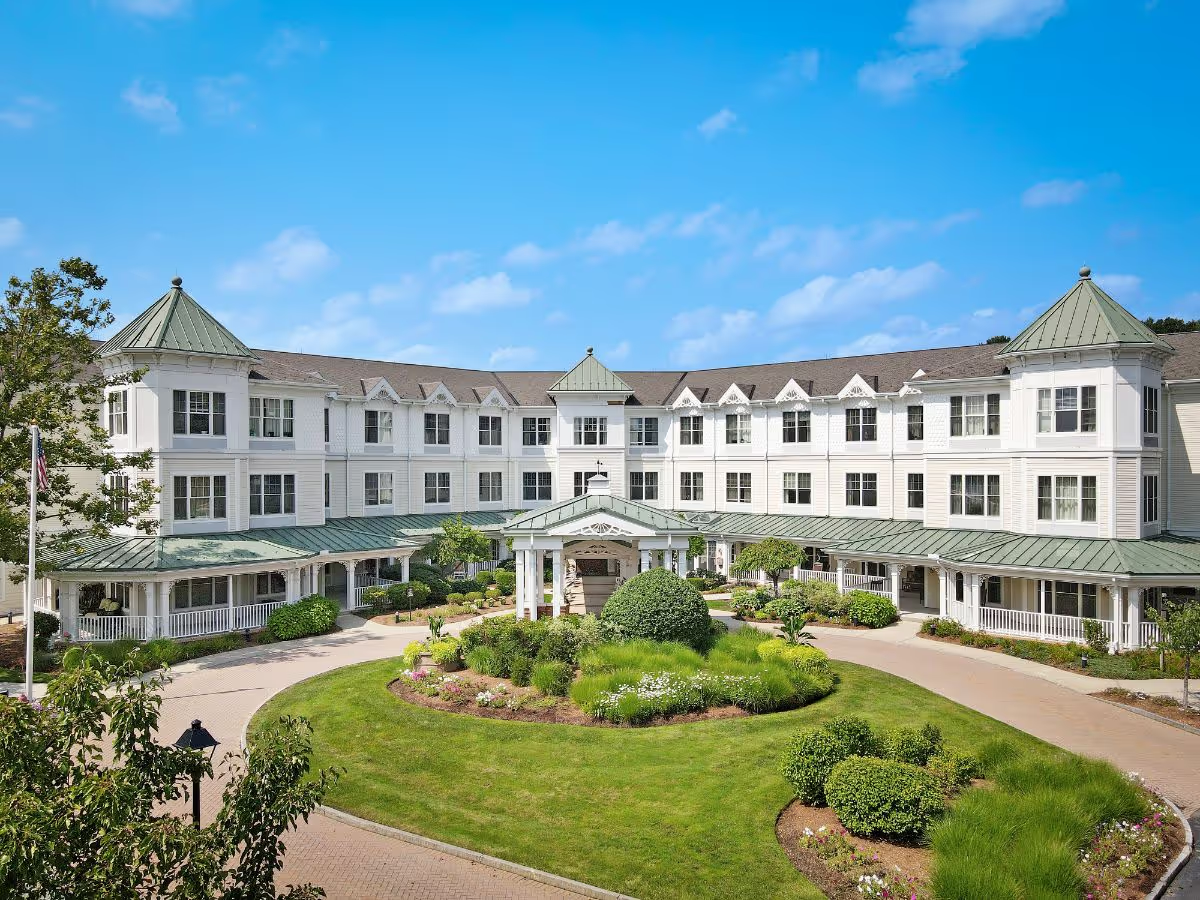
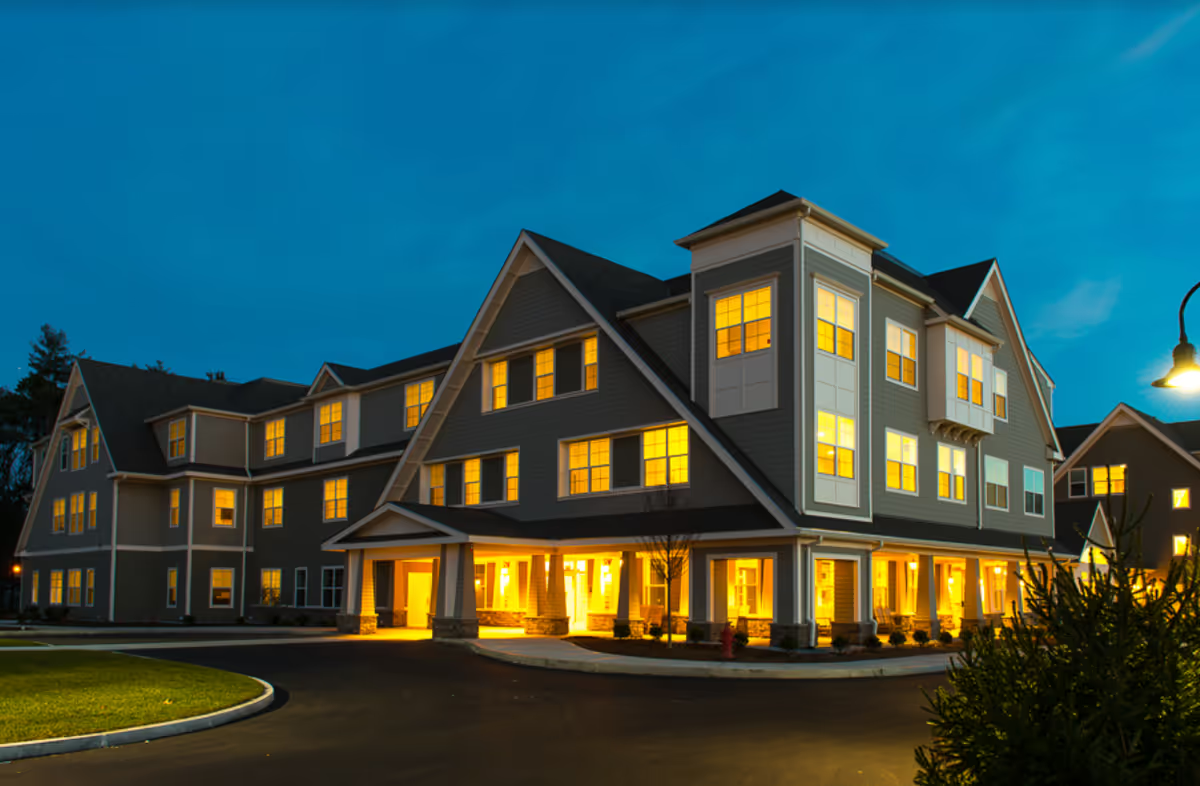
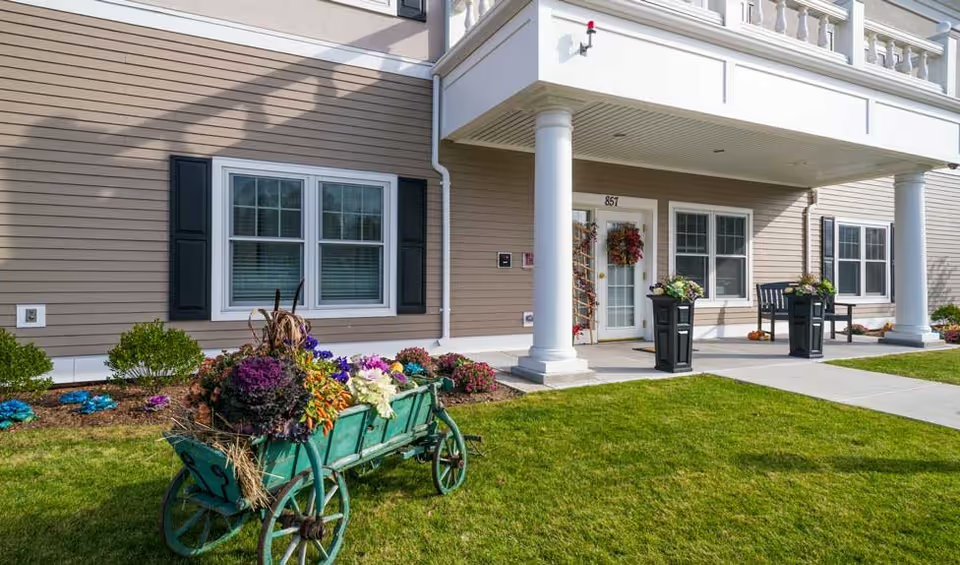
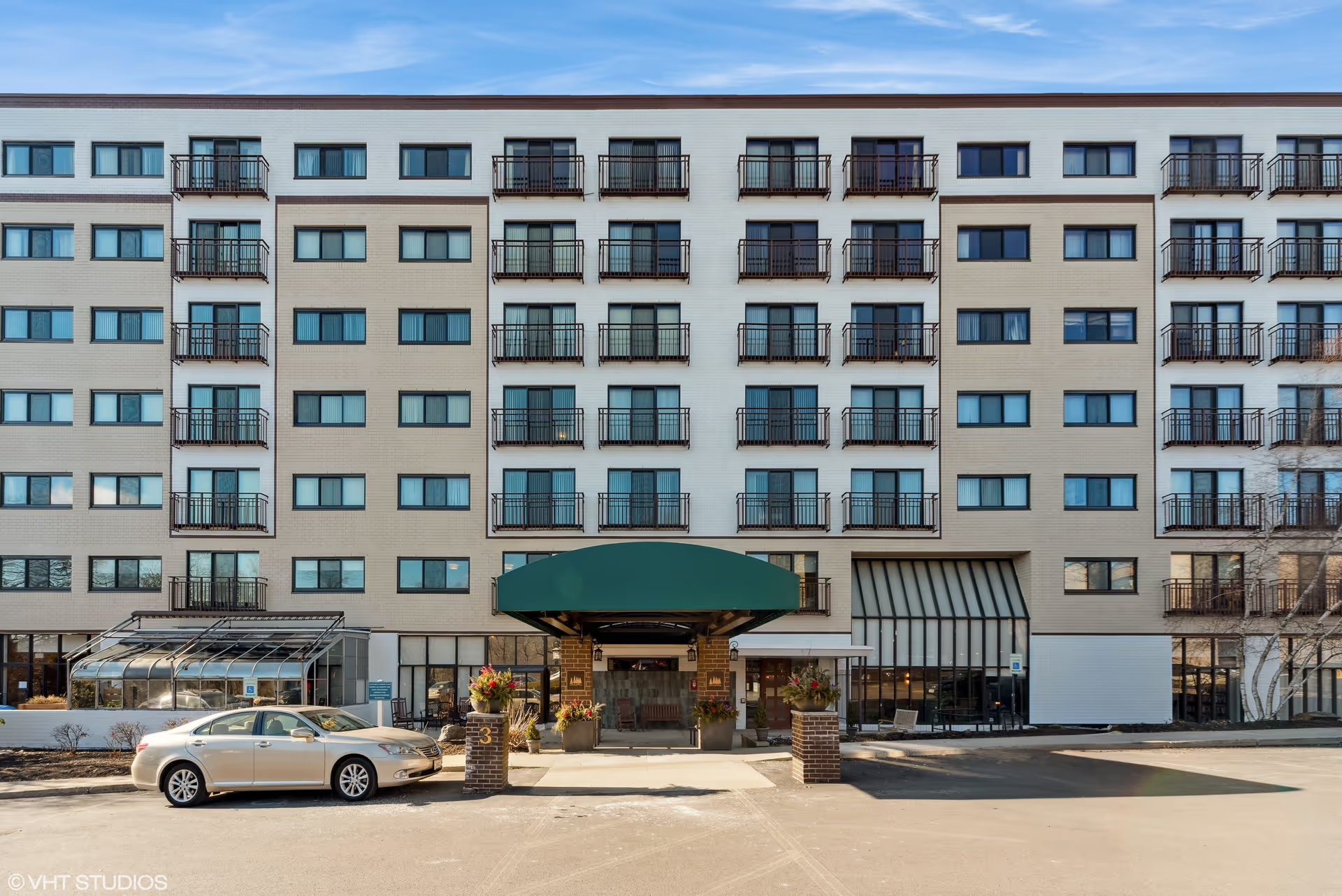
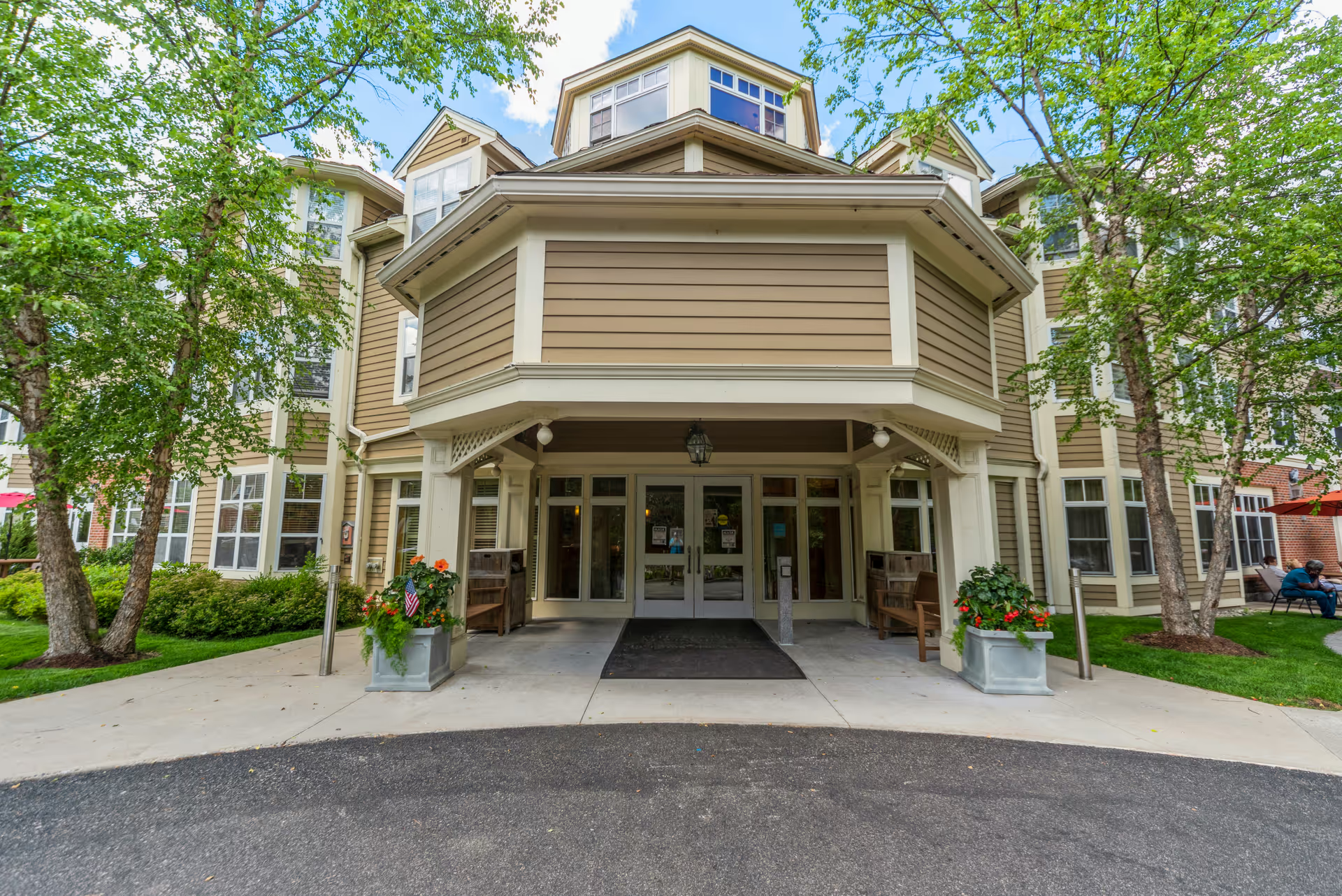
Facilities and housing receive strong praise for cleanliness, bright interiors, high ceilings, and well-maintained landscaped grounds and courtyards. Common areas are described as spacious and inviting, with amenities such as a library, exercise room, pub area, and on-site social spaces. Apartment units are generally described as tidy and homey; many include kitchenettes, full-size refrigerators, and storage. Prospective residents should note that some unit types are compact and that many kitchenettes are not full kitchens. Environmental comfort was raised occasionally — for example, warmer conditions on certain top-floor exposures and ventilation differences — so an in-person visit to preferred units is advisable.
Management and operational patterns show strengths and a few predictable limitations. The leadership team and front-desk staff are frequently praised for communication and family engagement; maintenance responsiveness and cleanliness standards are commonly cited positively. At the same time, the community is positioned at a premium price point, and some families cited pricing as a deciding factor. Parking constraints, limited availability of memory-care beds at times, and constrained outing capacity because of vehicle limits are operational trade-offs prospective residents should consider. Overall, the dominant pattern across feedback is of a well-managed, activity-rich community with strong caregiving culture and high-quality dining and grounds, balanced against higher cost, some unit-size limitations, and occasional logistical constraints around transportation, parking, and administrative responsiveness.