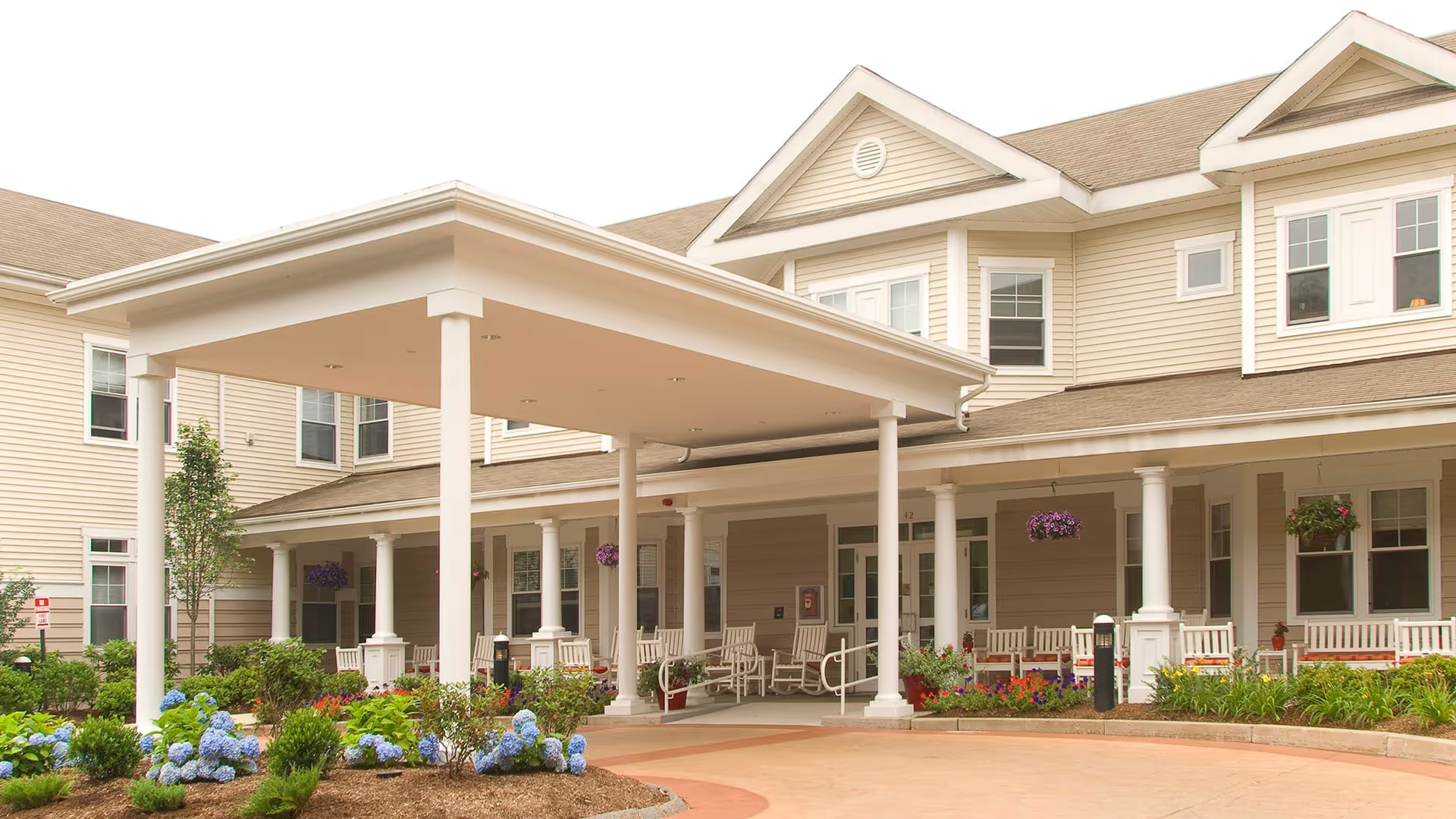
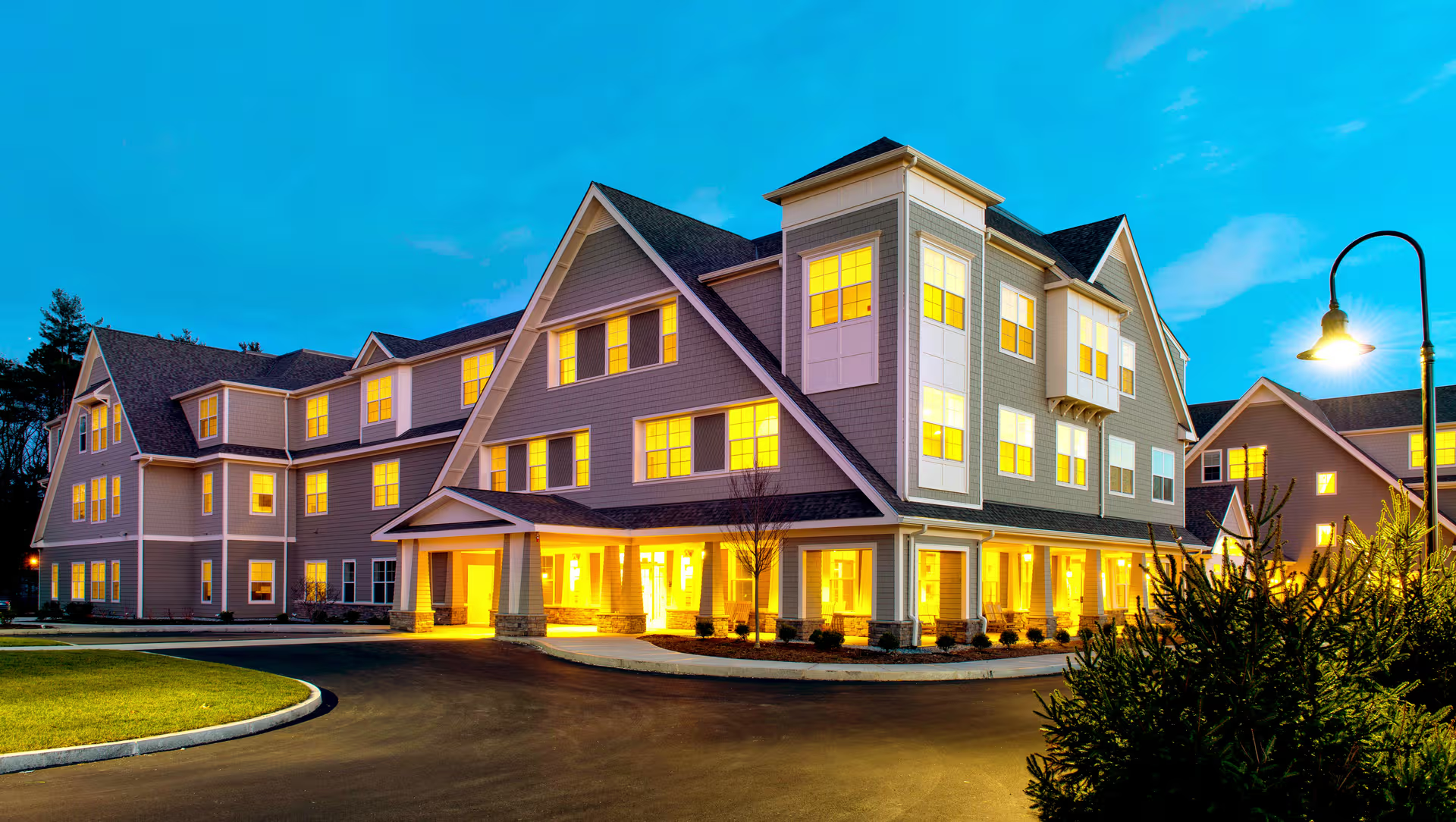
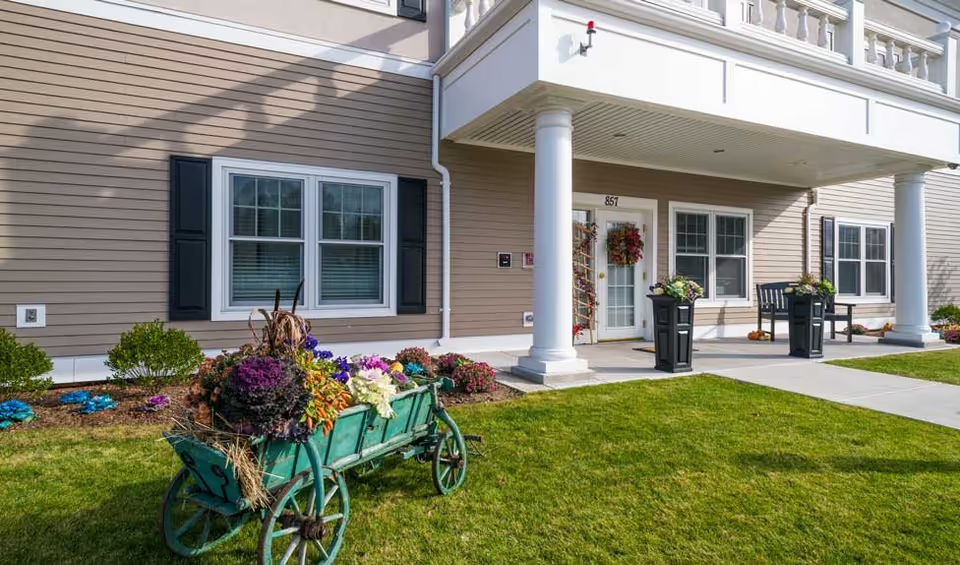
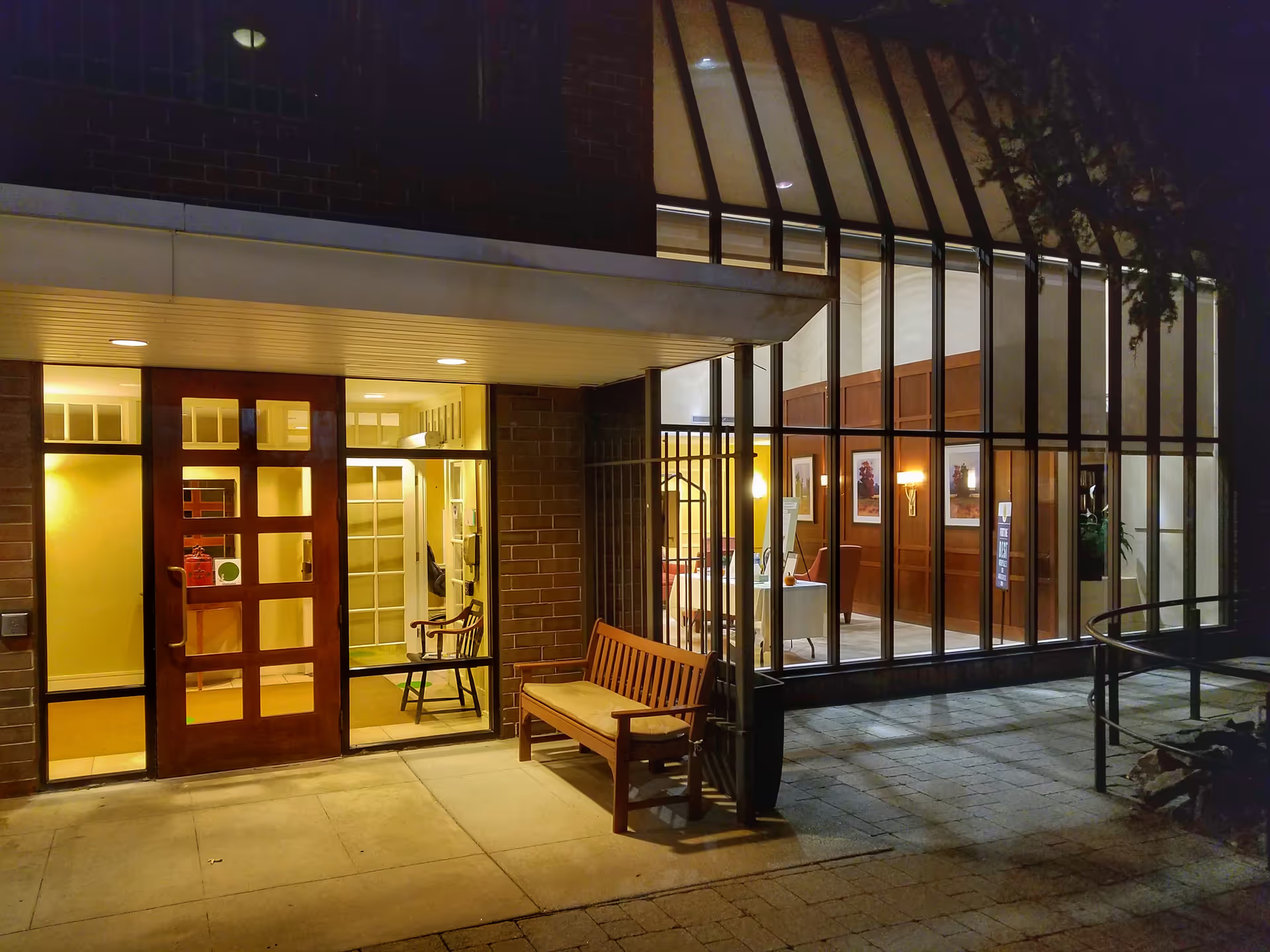
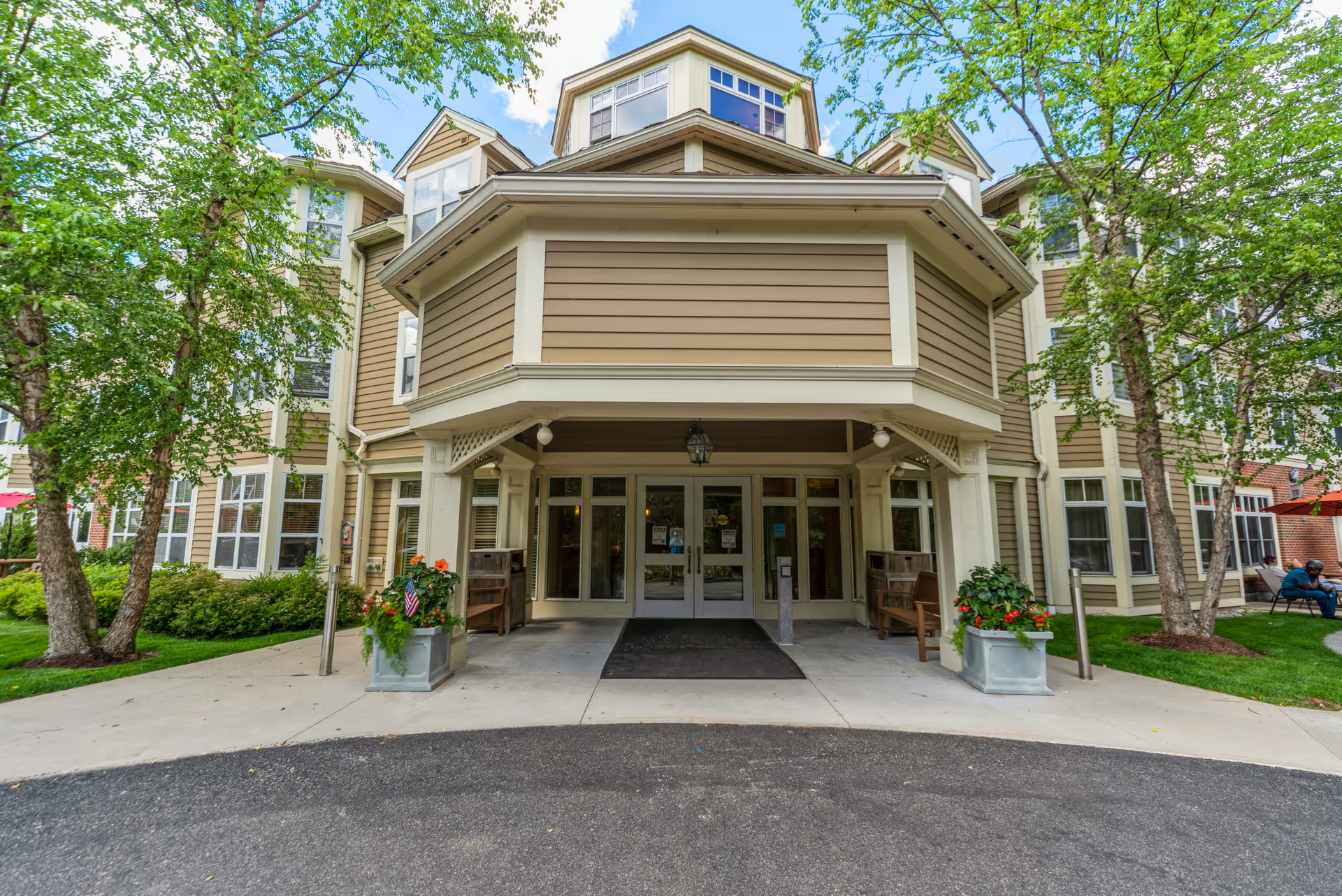
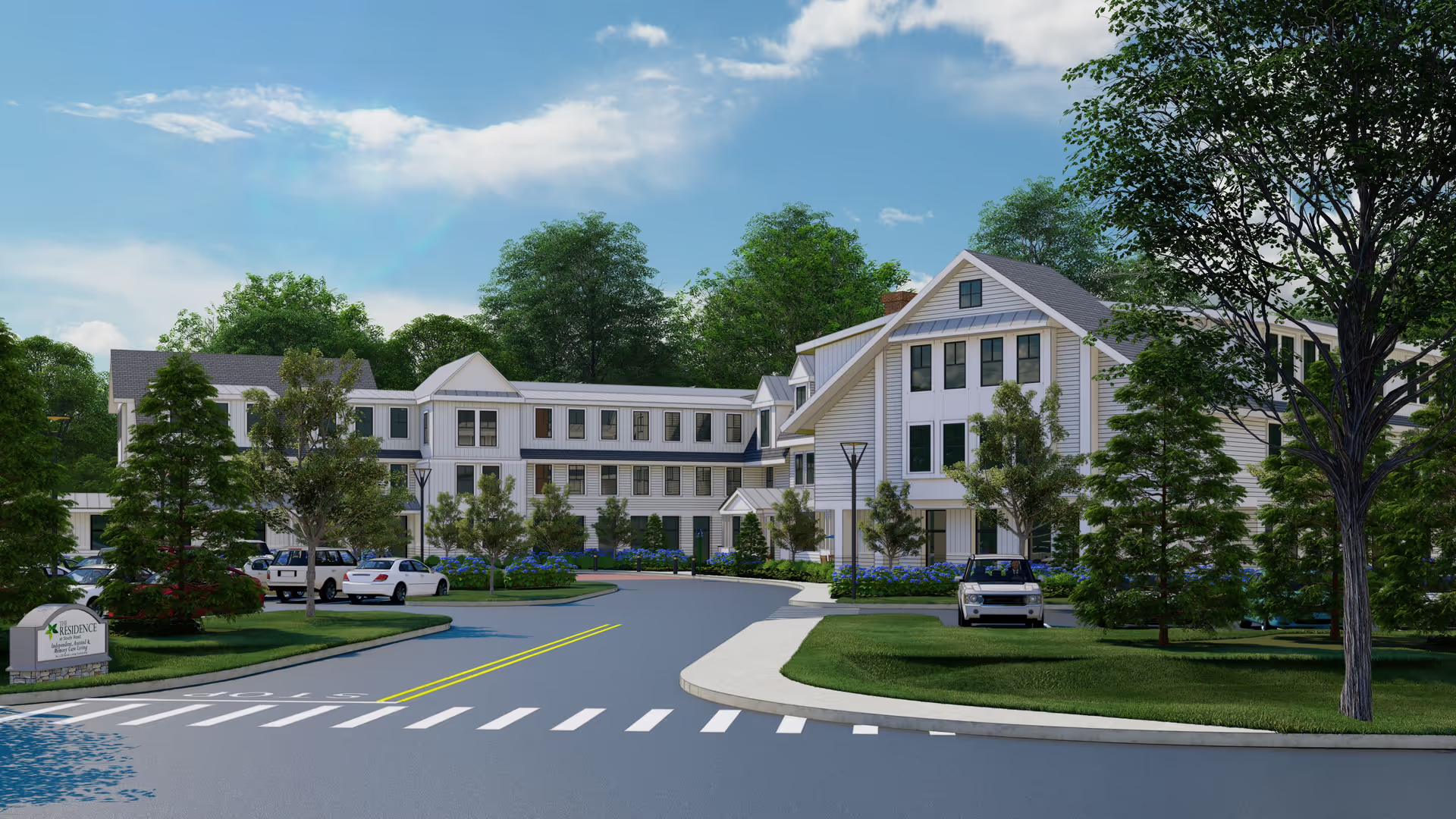
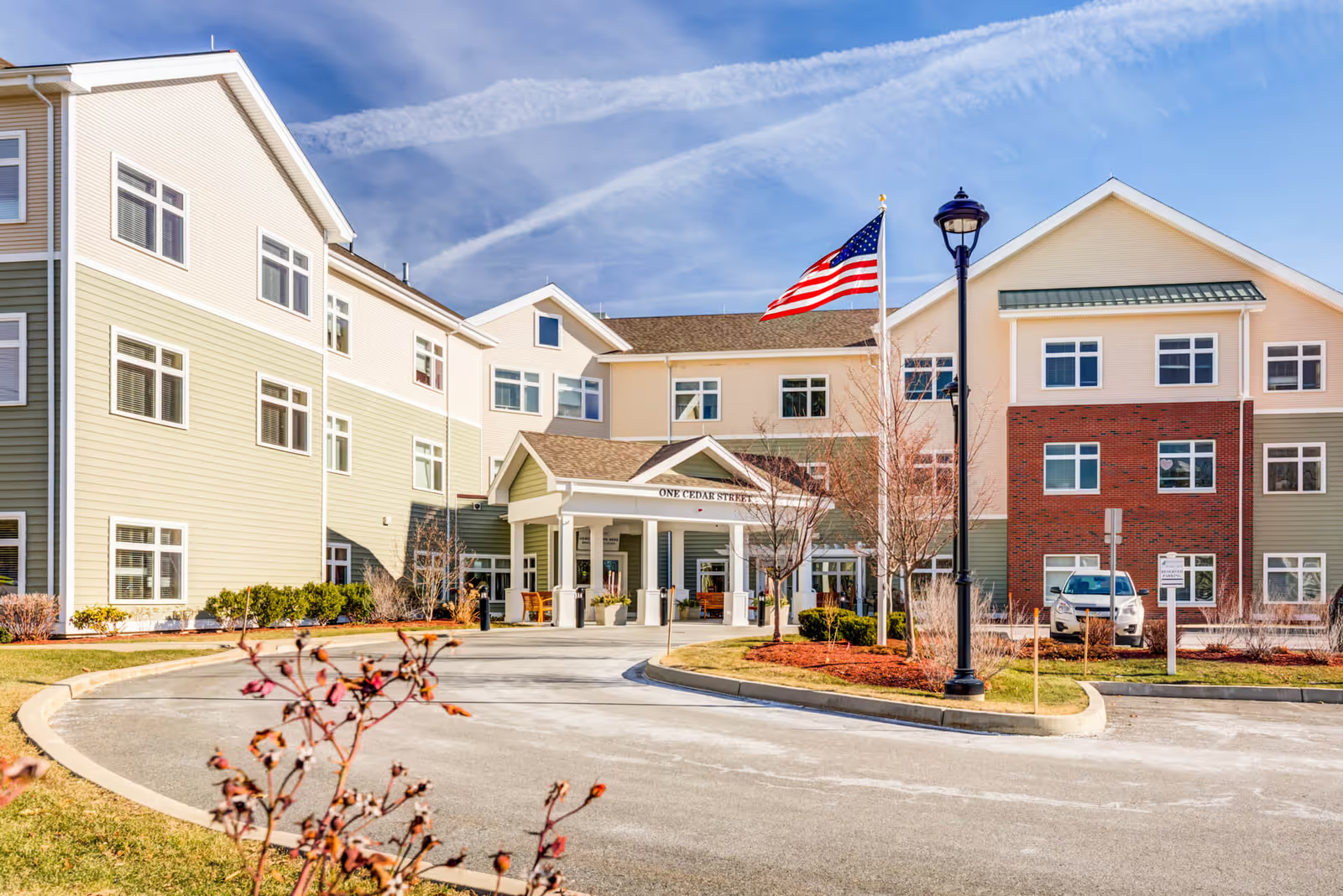
Sunrise of Burlington presents a broadly positive physical environment and many operational strengths alongside recurring operational weaknesses. Physically the community is frequently described as attractive, clean, and well maintained: generous common spaces, a bistro and private dining room, multiple lounges, musical touches in the foyer, pleasant landscaping with walking paths, and spacious, well-appointed resident rooms. On-site amenities such as housekeeping, laundry, a hair salon, weekly dental visits, and in-suite therapy availability add convenience for residents and families. The facility also supports social life with transportation, bus outings, and numerous activity venues.
Care quality and staffing perceptions are mixed. Numerous families describe warm, attentive caregivers who learn residents’ preferences and provide compassionate end-of-life care. Several accounts note consistent nursing presence during much of the day, staff who call residents by name, and staff-led social engagement that helps residents settle. However, reviewers also describe variability in clinical performance and responsiveness: instances of delayed responses to calls, inconsistent nursing practices across shifts, and notable staff turnover that undermines continuity. There are isolated allegations of unprofessional conduct; while these appear not to be the norm, they contribute to concern about staff conduct and the need for careful local oversight.
Dining receives both praise and criticism. Many residents and families praise the dining room, bistro, and certain meals as restaurant-style and enjoyable, and several reviewers highlight multiple menu options and quick correction of issues. At the same time, others report inconsistent meal quality, interruptions in kitchen service, restricted portions or seating challenges, and occasional language or service-barriers in dining staff. These inconsistencies suggest that meal experience can depend on timing, staffing, and kitchen operations.
Programming and activities are a strength for most residents: the community offers a broad schedule (Bible study, arts and crafts, exercise, reminiscence groups, visiting musicians) and many reviewers note strong participation and social integration. A recurring request is for expanded intellectual programming and more guest speakers; some families also perceived a COVID-related decline in offsite or group programming that may not have fully recovered. Memory-care offerings are present and in some cases praised for understanding dementia needs, although a subset of reviewers felt portions of the memory unit felt institutional or insufficiently affectionate.
Management, communication, and business practices emerge as important considerations. Several families described clear, proactive communication and helpful leadership, while others encountered contract, room-availability, or billing ambiguities and unexpected charges—particularly around respite pricing and fee disclosures. Leadership changes and perceived management instability were noted and contributed to uneven family confidence. Clarifying primary-care arrangements is advisable: the facility’s use of an external nurse-practitioner group and remote physician management led to confusion for some families.
Decision guidance: Sunrise of Burlington may be a strong fit for prospective residents who prioritize an attractive campus, active social programming, and a relationship-oriented caregiving culture. Families should conduct targeted checks on clinical continuity (shift coverage and turnover), ask for written details on pricing and respite costs, observe meal service at different times of day, and tour the memory-care neighborhood to assess atmosphere. For residents with higher or rapidly advancing clinical needs, confirm nursing and transfer protocols and discuss primary-care coordination before admission.