Life Care Center of Merrimack Valley elicits strongly polarized impressions from families and former residents. Many accounts describe the facility as a competent rehabilitation and long‑term care provider with compassionate front‑line staff, while an overlapping set of accounts raises substantial operational concerns related to staffing, clinical practice, and sanitation. Prospective families should expect a mixture of consistently positive clinical and social programming in some cases and notable lapses in others.
Care quality: Reviewers highlight a capable rehabilitation program with skilled physical and occupational therapists and frequent therapy sessions that, for a number of residents, enabled successful return home. At the same time, there are repeated concerns about medication management, timely symptom control (including delays in analgesic administration), and inconsistent emergency escalation. Several families described troubling end‑of‑life care experiences and poor communication about clinical changes; these should be treated as high‑priority items to review in person and to document during any stay.
Staff and operations: Nursing staff and caregiving personnel receive frequent praise for compassion, personal attention, and relationship building. Social work, activities staff, and certain unit nurses were singled out as supportive and effective. However, multiple reviewers reported inconsistent staffing levels—particularly on weekends—and slow call‑light responses, which contributed to delays in assistance, bathing, and toileting care. Administrative responsiveness and professionalism were described as variable: some families experienced efficient admissions and proactive follow‑up, while others reported dismissive or unhelpful communication from management or unit leadership.
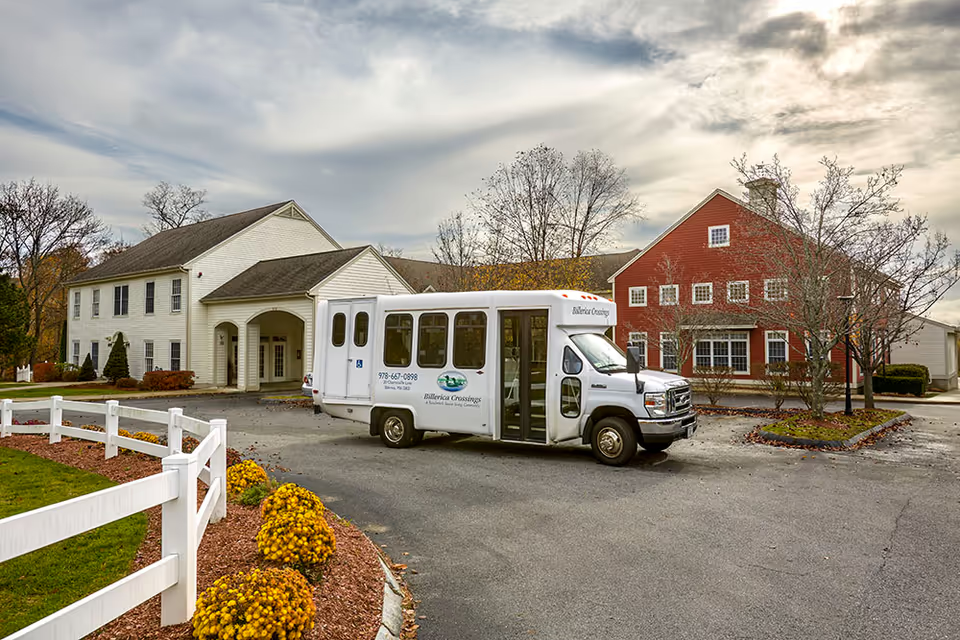
Dining and activities: The facility’s dining program is often described positively. Many reviewers praised flavorful, nutrition‑focused meals, variety, and optional menu items; kitchen staff and chefs were noted for pride in preparation. Activities programming is a clear strength for many residents, with regular offerings such as bingo, balloon volleyball, themed events, live music, seasonal celebrations, bus trips, and pet visits that support social engagement and resident morale.
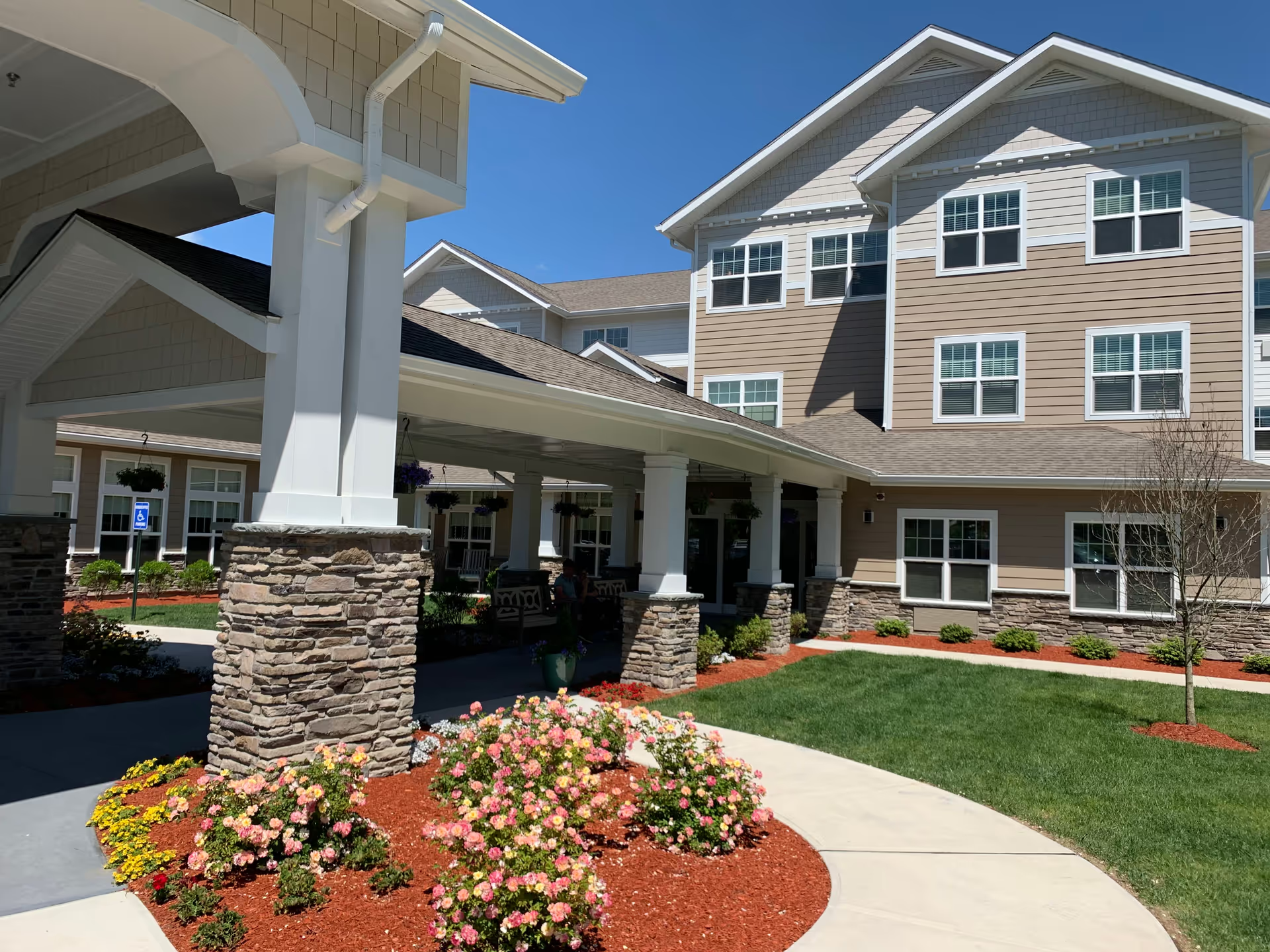
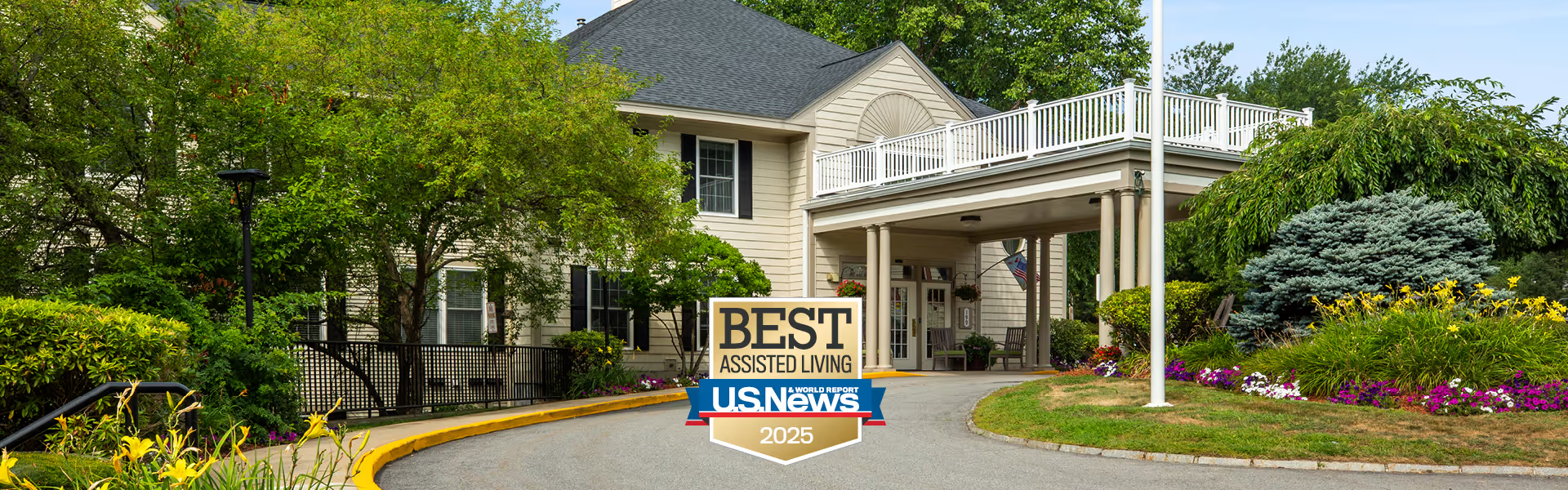
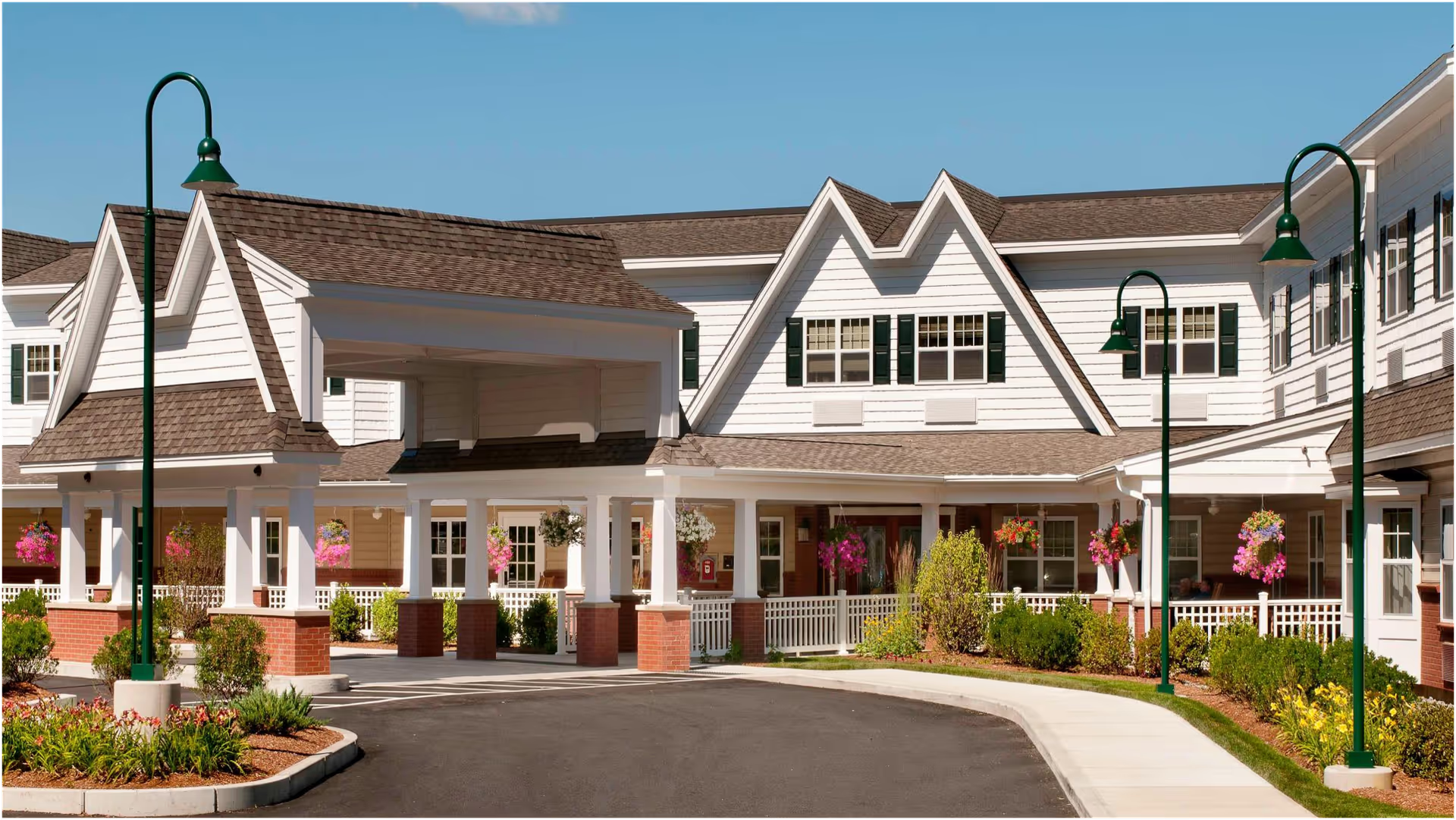
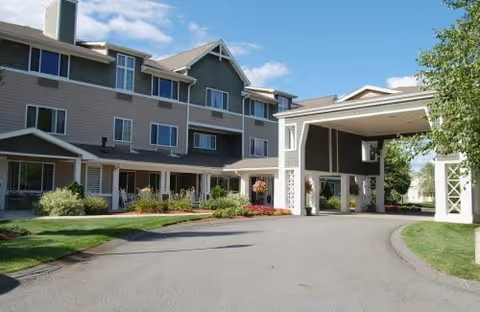
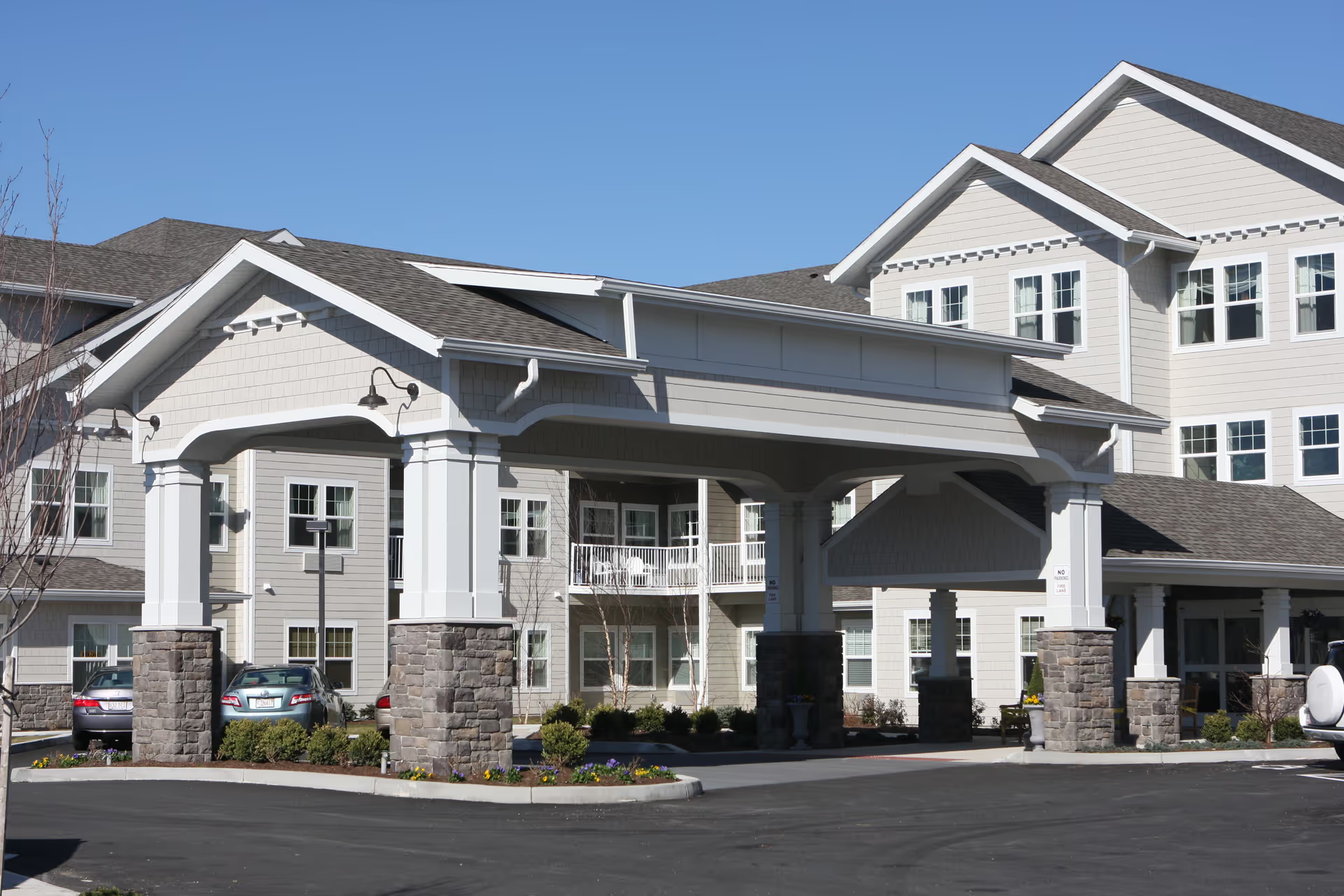
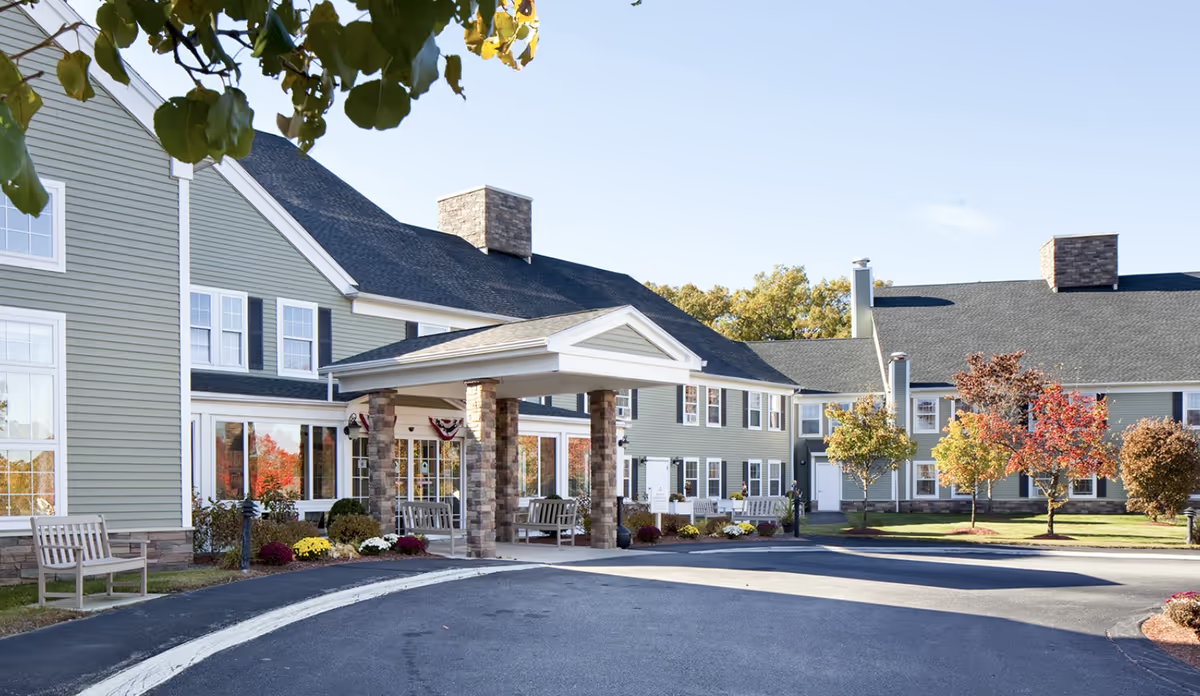
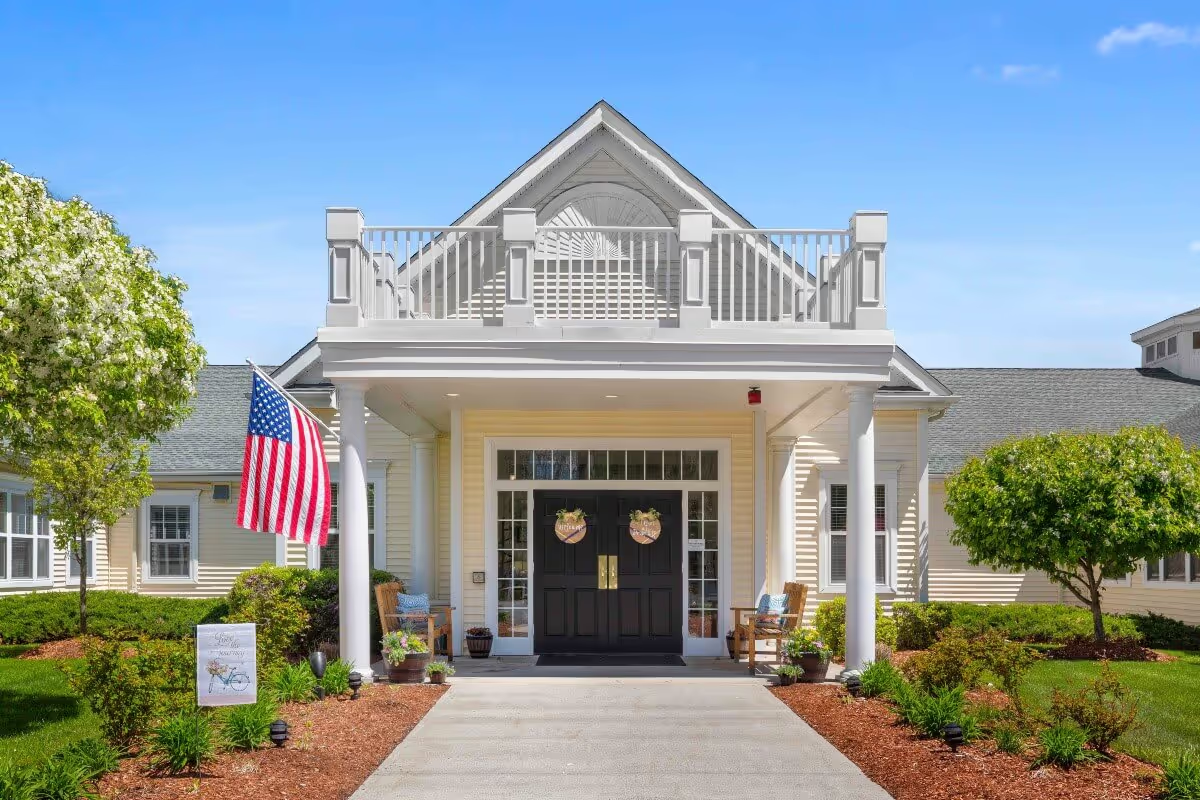
Facilities and environment: Numerous reviewers noted well‑kept exterior landscaping, bright decor, and comfortable common areas. Conversely, there are specific sanitation concerns in some units, including odor issues, laundry lapses, and inconsistent housekeeping in certain wings. The building is described as older in places; many families found rooms to be adequately furnished but noted maintenance items that need attention.
Management and notable patterns: A consistent pattern emerges around variability. Weekday coverage and therapy often function well, while weekend staffing and responsiveness are weaker. Communication breakdowns during transitions (hospital to facility, shift changes) and after clinical incidents were mentioned multiple times. There are also isolated but serious allegations including missing personal items and problematic clinical responses that some families escalated externally; these underscore the need for clear expectations, documentation, and timely follow‑up when concerns arise.
Recommendations for prospective families: Visit at different times (weekday evenings and weekends), review staffing levels for the intended unit, ask about medication‑administration safeguards and emergency escalation protocols, clarify therapy scheduling and expected frequency, and discuss laundry/housekeeping procedures. Inquire about end‑of‑life care policies and hospice coordination if relevant. Given the polarized experiences, individualized assessment and frequent communication with unit staff and social work will help set expectations and identify issues early.