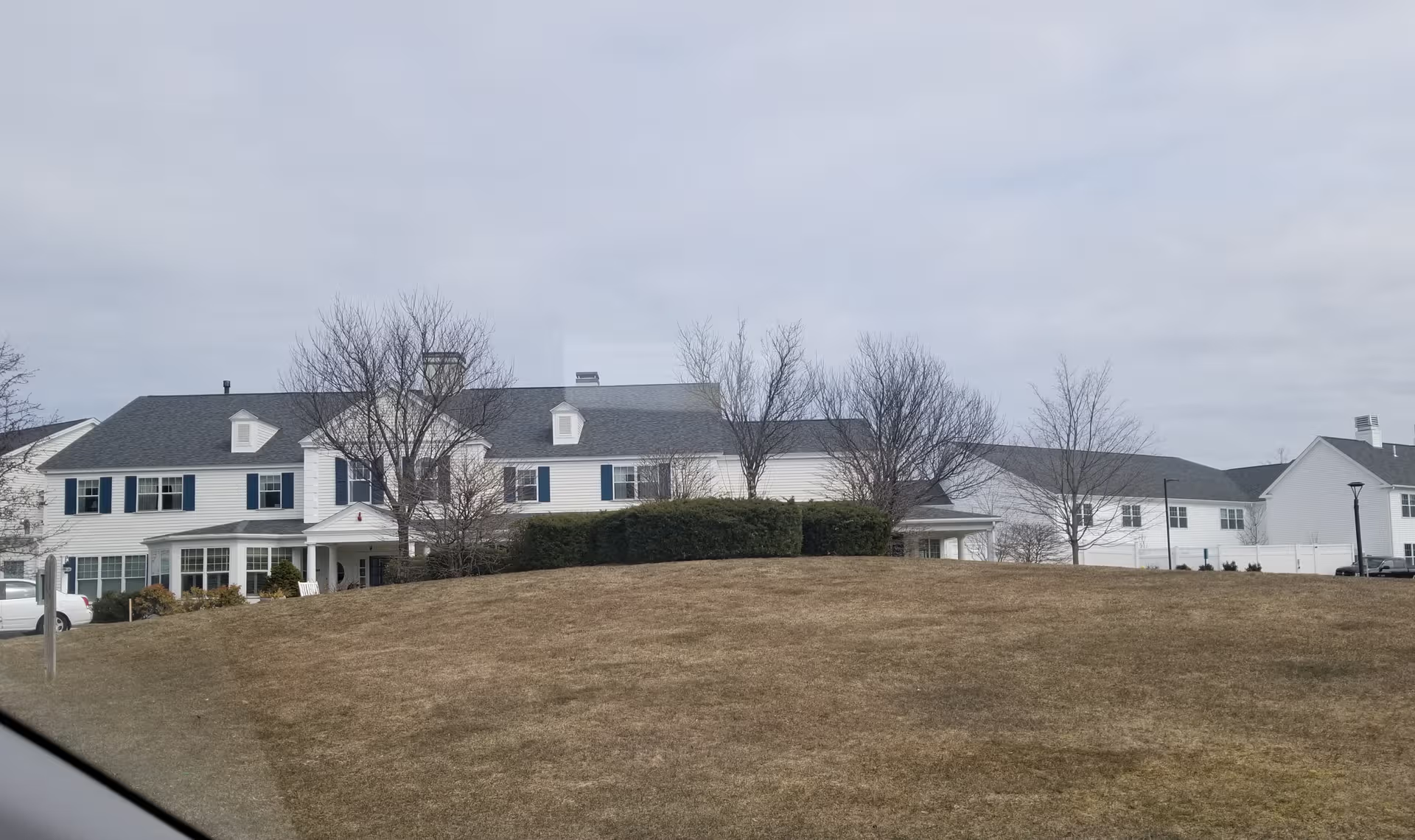
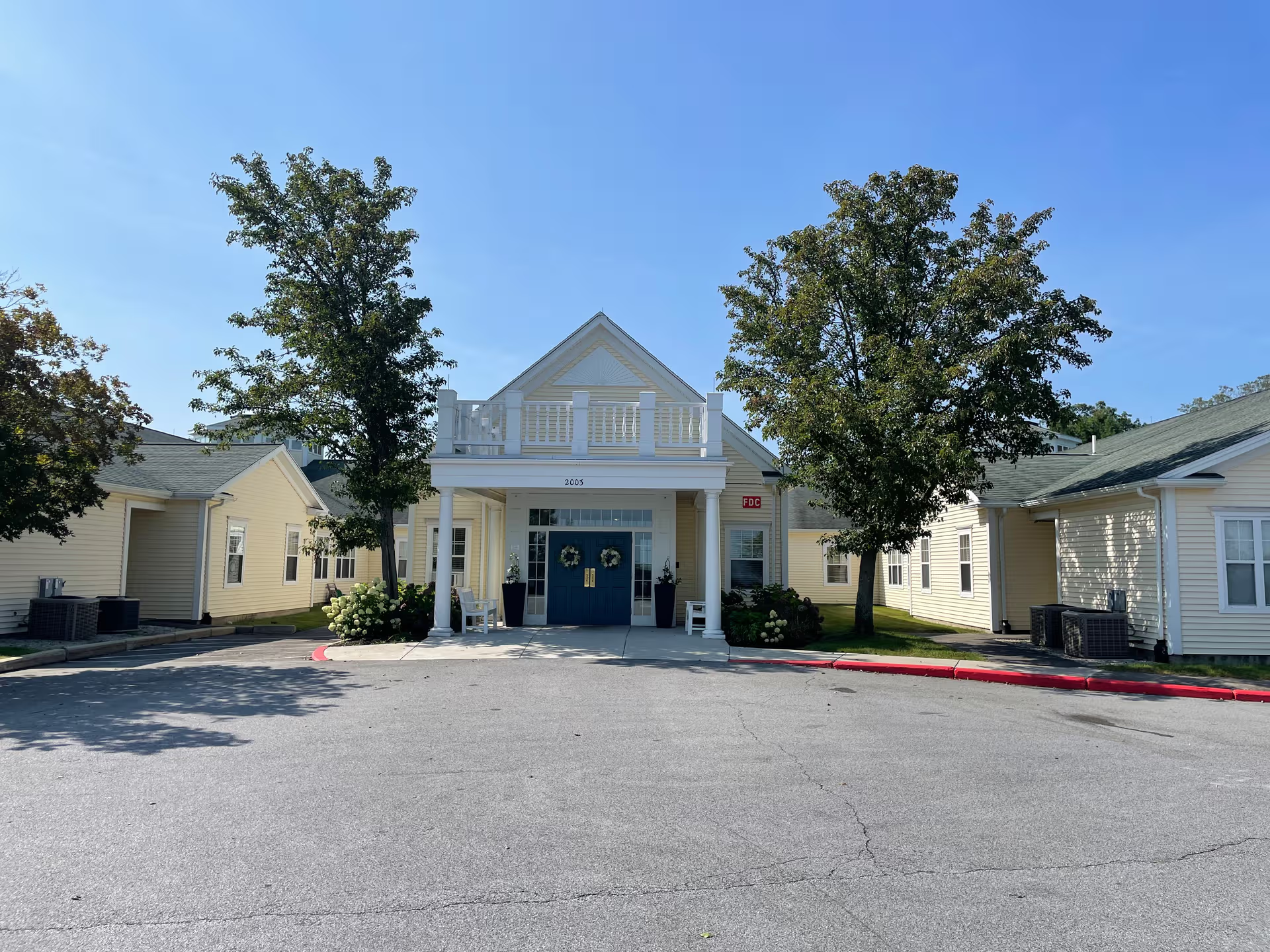
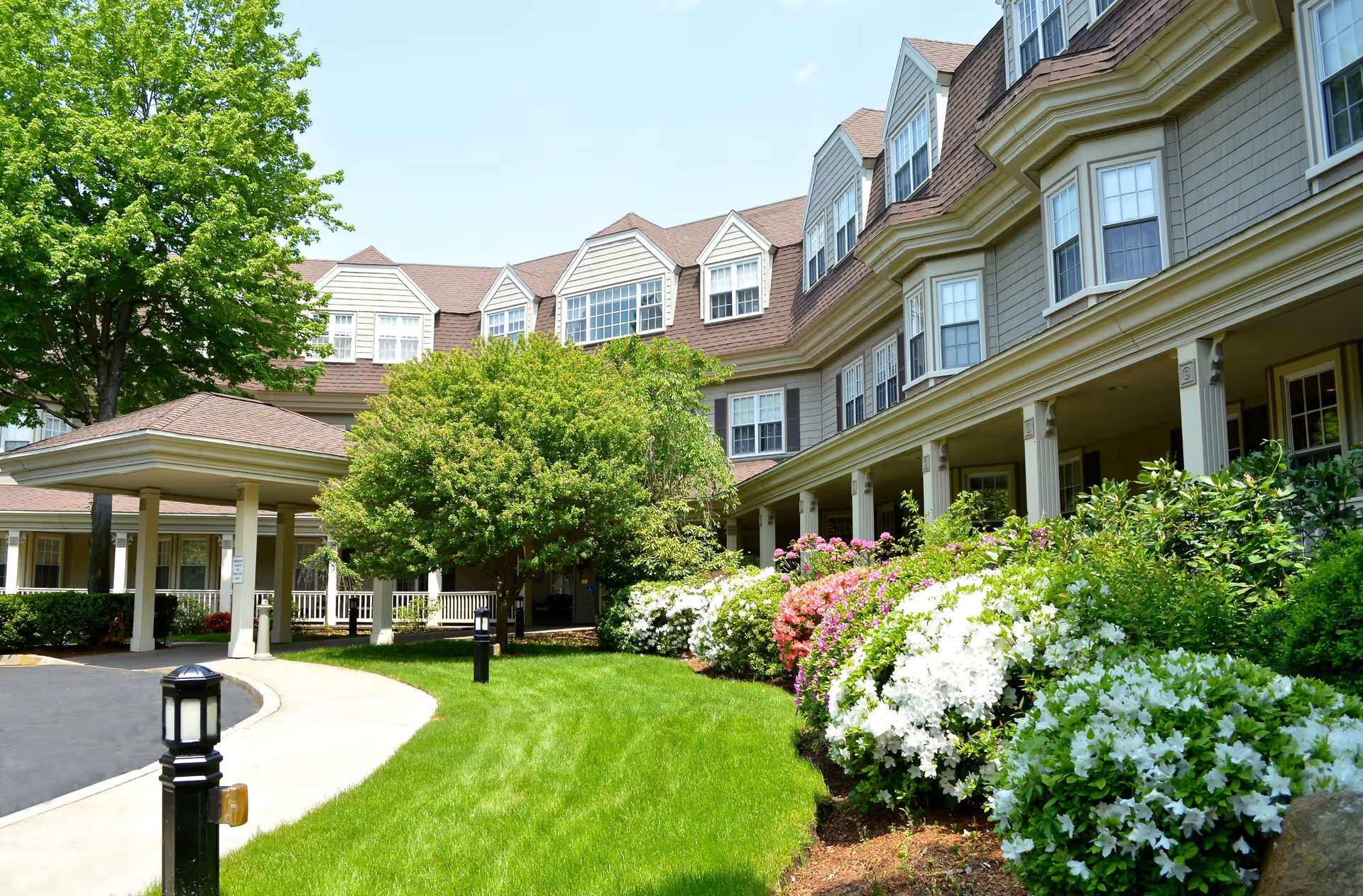
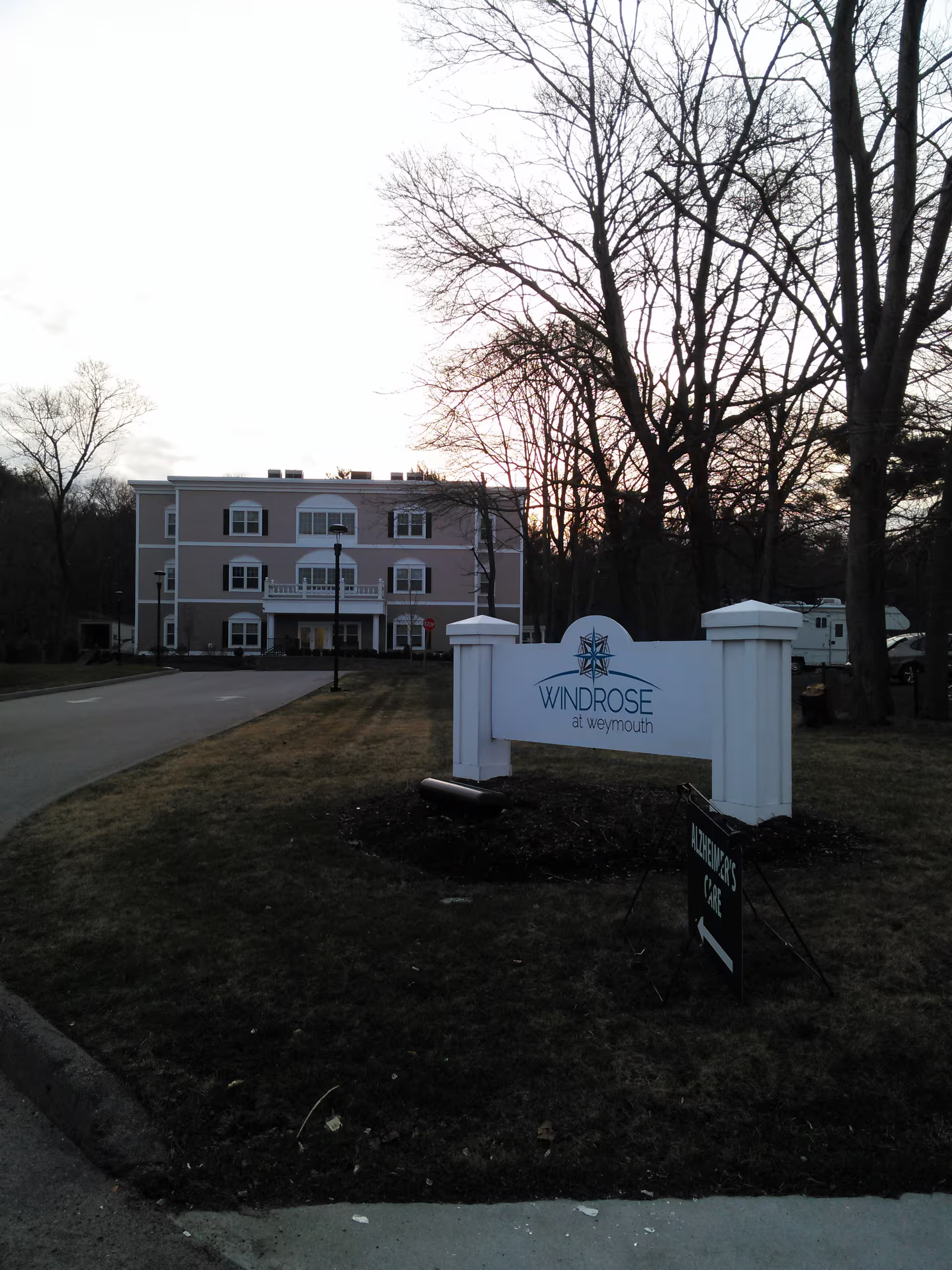
Royal Health Braintree elicits strongly polarized impressions. Many families and residents praise the facility for its compassionate caregivers, culturally sensitive Russian-language programming, and a robust rehabilitation program that includes attentive PT/OT staff and good discharge coordination. The physical environment is frequently described as clean, bright and spacious with tasteful common areas, private-room options, and family-friendly spaces. Several reviews highlight strong social-services support, dignified hospice care, and individual staff members and managers who are professional, approachable, and responsive.
Despite these strengths, a consistent pattern of operational weaknesses appears across reviews. Staffing levels and shift coverage are recurrent concerns: delays responding to call lights, unmet bathing schedules, and variability between day and night staff were described. These staffing inconsistencies have been linked in a number of accounts to delayed clinical escalations, gaps in documentation, and transfers to higher levels of care. Families frequently emphasize the need to advocate actively for residents to ensure timely attention and clear follow-up.
Dining and activities receive mixed feedback. Many reviewers commend engaging programming—particularly the Russian-focused activities, music programs, and culturally relevant media—and some describe good-quality meals. At the same time, there are repeated comments about inconsistent meal temperature, limited variety at times, and overall variability in food quality. The facility’s therapy and recreational offerings are often cited as a key strength in recovery and quality-of-life outcomes.
Operational concerns extend to property and environmental management. Several reviews note lost laundry and personal items, occasional sanitation or pest-control concerns in certain areas, and inconsistent infection-control/PPE availability during infectious outbreaks. There are also isolated but serious complaints about incorrect resident placement and about communication lapses during clinical incidents; these point to opportunities for improvement in admission/placement processes, emergency-response protocols, and clinical recordkeeping.
In summary, Royal Health Braintree appears to provide high-quality rehabilitative and culturally tailored care with many dedicated staff and administrative strengths. Prospective residents and families who prioritize strong therapy services and Russian-language support may find the facility a good fit. However, those evaluating placement should probe operational areas raised in reviews: ask about current staffing ratios (including night coverage), average call-response times, emergency-transfer procedures, documentation practices, laundry and property policies, pest-control measures, and the facility’s infection-control protocols. An in-person tour and direct questions about these operational metrics will help families assess whether the facility’s strengths outweigh the variability described in several reviews.